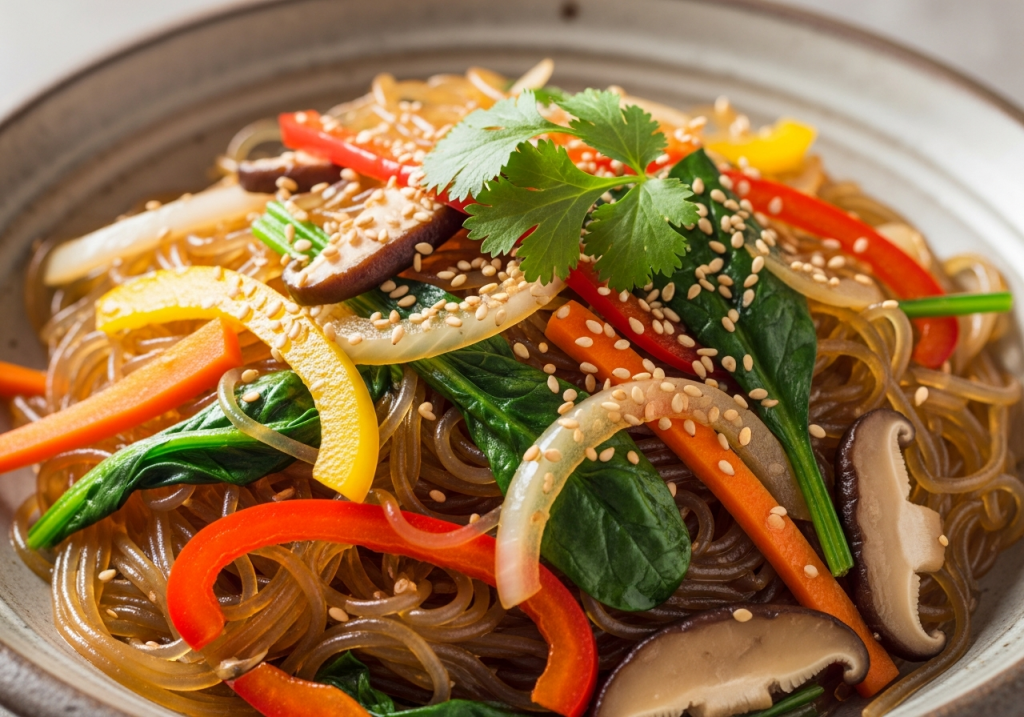

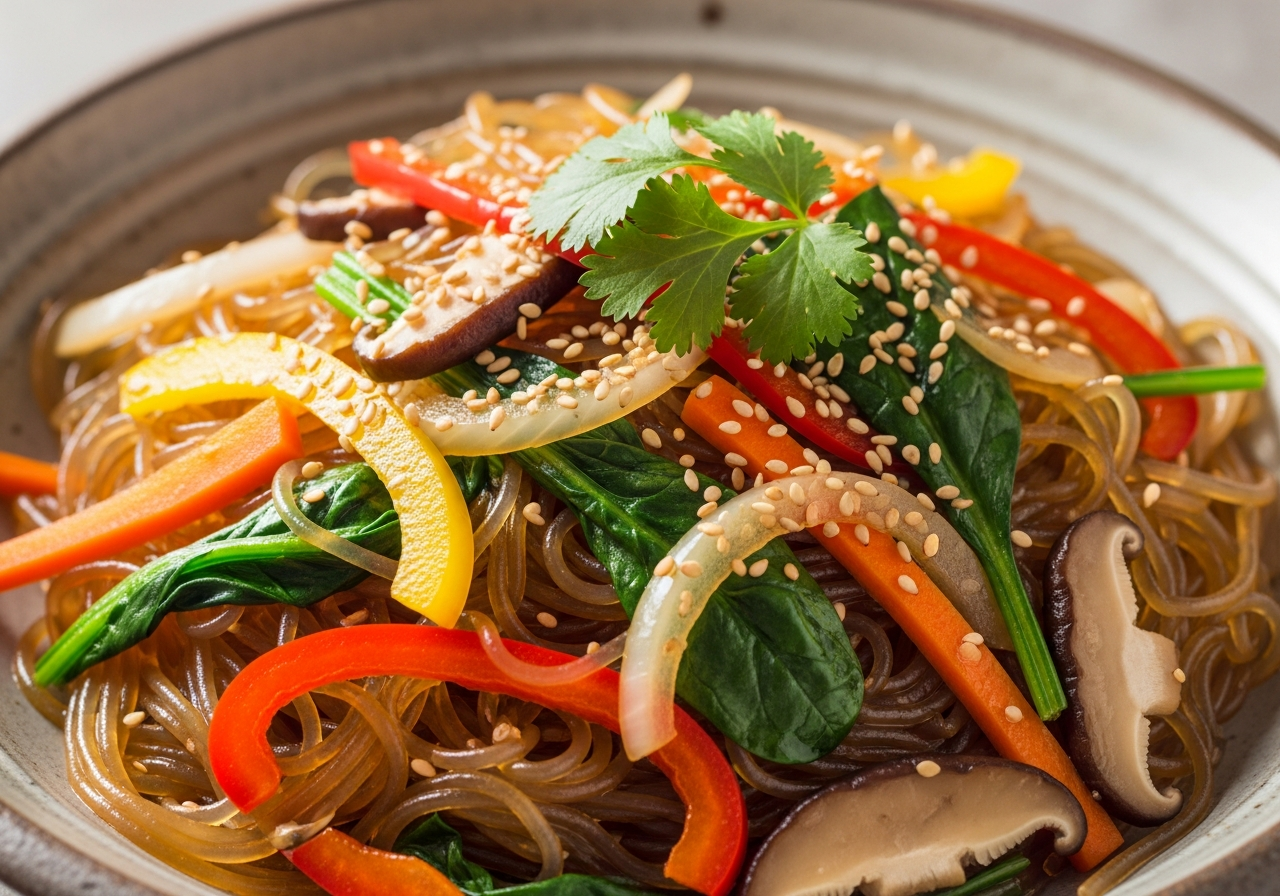
Step into the vibrant world of Korean cuisine with a dish that’s as visually captivating as it is delightfully flavorful: Japchae. Traditionally known for its glossy, stir-fried glass noodles and colorful medley of vegetables, Japchae has long been a beloved staple at Korean celebrations. But what if you could experience this classic in a fresh, compassionate twist? Enter Khin’s Vegan Japchae-a nourishing, plant-based rendition that captures the essence of the original while inviting everyone to savor its wholesome magic. In this article, we’ll explore how khin’s creative approach transforms Japchae into a delicious, vegan-friendly feast that’s perfect for both newcomers and seasoned food lovers alike.Get ready to embark on a culinary journey where tradition meets innovation, one delectable strand at a time.
Delicious Vegan Japchae is a vibrant festivity of Korean culinary heritage, transforming traditional glass noodle stir-fry into a wholesome plant-based delight.This dish,known for its silky sweet potato noodles harmonizing with fresh vegetables and savory seasoning,invites you to explore layers of authenticity and texture from the comfort of your kitchen. Inspired by Khin’s signature approach, each forkful bursts with umami-rich soy glaze, radiant sesame notes, and the natural sweetness of mushrooms and bell peppers.
Prep and Cook time
Preparation: 20 minutes | Cooking: 15 minutes | Total: 35 minutes
Yield
Serves 4 generous portions, perfect for a shared meal or easy leftovers.
Difficulty level
medium – requiring moderate knife skills and attention during stir-frying for the perfect texture.
Ingredients
- 200g Korean sweet potato glass noodles (dangmyeon)
- 2 tbsp toasted sesame oil, divided
- 3 cloves garlic, minced
- 1 medium carrot, julienned
- 1 red bell pepper, thinly sliced
- 150g shiitake mushrooms, sliced
- 1 small onion, thinly sliced
- 1 cup fresh spinach, roughly chopped
- 100g firm tofu, pressed and cubed
- 3 tbsp soy sauce (or tamari for gluten-free)
- 1 tbsp maple syrup or agave nectar
- 1 tbsp rice vinegar
- 1 tbsp toasted sesame seeds
- Pinch of freshly ground black pepper
- Optional garnish: finely sliced green onions and extra sesame seeds
Instructions
- Soak and boil the noodles: Immerse the sweet potato noodles in warm water for 10 minutes to soften. Drain, then boil in salted water for 6-7 minutes until just tender and chewy. Rinse under cold water to stop cooking and set aside.
- prepare the tofu: Heat 1 tbsp sesame oil in a non-stick skillet over medium heat.Add tofu cubes and sauté until golden and crisp on all sides, about 5-7 minutes. Remove and keep warm.
- Sauté the aromatics and vegetables: In the same skillet, add remaining sesame oil. Toss in minced garlic and sliced onion; sauté for 2 minutes until fragrant and translucent.
- Add carrots, bell pepper, and mushrooms: Stir-fry each vegetable separately to maintain texture, cooking each 2-3 minutes until tender-crisp. Combine all vegetables back together in the pan.
- Incorporate spinach: Add the chopped spinach last, tossing just until wilted (about 30 seconds) to preserve its vibrant green color.
- Create the sauce: Whisk together soy sauce, maple syrup, and rice vinegar in a small bowl.
- Combine noodles and sauce: Gently add cooked noodles and tofu to the veggie mix. Pour sauce evenly over everything and toss carefully using tongs or chopsticks, ensuring every strand of noodle gleams with flavor.
- Final touches: Sprinkle toasted sesame seeds and black pepper. Adjust seasoning with additional soy sauce or a pinch of sugar if desired. remove from heat immediately to avoid overcooking.
- Serve warm: Plate the japchae and garnish with sliced green onions and extra sesame seeds for color and crunch.
Tips for Success
- Glass noodles can clump: toss cooked noodles with a touch of oil immediately after rinsing to keep strands separate and glossy.
- Maintain vegetable crunch: Sauté vegetables separately and add in stages to prevent sogginess and retain their natural textures and colors.
- Boost protein: Swap tofu for tempeh or add edamame for additional plant protein and a satisfying bite.
- Make ahead: Prepare vegetables and tofu the day before. Store noodles and sauce separately and toss everything just before serving to preserve freshness.
- flavor depth: For a smoky twist, add a dash of toasted chili oil or use a charcoal or wood-fired pan to impart subtle smokiness.
- Gluten-free option: Ensure you use tamari instead of regular soy sauce to cater to gluten-sensitive diets.
Serving Suggestions
This Delicious Vegan Japchae shines as a main dish, paired beautifully with crisp kimchi, pickled radish, or a fresh sesame kale salad. For an eye-catching table, serve in a shallow bowl topped with a sprinkle of toasted sesame seeds and finely sliced green onions. Accompany with steamed jasmine rice or a light vegetable broth to round out the meal. A chilled glass of lightly sweetened iced barley tea (bori-cha) perfectly complements the dish’s savory-sweet balance.

Nutritional Data (Per Serving)
| Calories | Protein | Carbohydrates | Fat |
|---|---|---|---|
| 320 kcal | 12 g | 45 g | 9 g |
For further exploration into Korean vegan dishes, check out our collection of plant-based Korean recipes. To learn more about using glass noodles in diverse cooking applications, visit Maangchi’s authoritative guide.
Q&A
Q&A: Delicious Vegan Japchae – Khin’s Korean Glass Noodle Stir-Fry
Q: What exactly is Japchae, and why is it so beloved in Korean cuisine?
A: Japchae is a vibrant Korean dish made from sweet potato glass noodles stir-fried with a colorful array of vegetables and sometimes meat. It’s beloved for its unique chewy texture, harmonious blend of sweet and savory flavors, and versatility-served as a festive side dish or a satisfying main. The dance of glossy noodles and crisp veggies makes it a true Korean comfort classic.
Q: How does Khin’s vegan twist on japchae differ from the traditional recipe?
A: Khin’s version is a plant-powered celebration that stays authentic to Japchae’s soul while skipping animal products. Instead of beef or egg, she uses hearty mushrooms and tofu to add umami and protein. Her clever use of natural sweeteners and sesame oil ensures every bite is rich and indulgent, proving that vegan can be just as delicious, if not more!
Q: What makes sweet potato glass noodles special for this dish?
A: These translucent noodles, also known as dangmyeon, are made from sweet potato starch. They have a wonderfully chewy,slightly elastic texture that soaks up the sauce without getting mushy-giving Japchae its signature “slurp-worthy” quality. plus, they’re naturally gluten-free, which broadens the dish’s appeal.
Q: Could you highlight some of the key ingredients in Khin’s vegan Japchae and their roles?
A: Absolutely! Shiitake mushrooms bring a deep, umami richness; spinach adds vibrancy and a fresh bite; carrots and bell peppers contribute sweetness and crunch; garlic and ginger infuse warmth and zest; and toasted sesame seeds finish it off with a nutty aroma. Each ingredient contributes to the dish’s layered flavors and textures.
Q: what’s the secret to achieving the perfect stir-fry texture in this Japchae?
A: Timing and heat control are crucial! Khin emphasizes soaking the noodles just right so they’re tender but firm. Stir-frying vegetables quickly over high heat ensures they stay crisp. Tossing everything gently preserves the noodles’ chewiness and lets the sauce evenly coat each strand without clumping.
Q: Is this vegan Japchae suitable for meal prep or special occasions?
A: Absolutely! Vegan japchae keeps well in the fridge and even tastes better after the flavors meld overnight. It’s perfect for meal prep lunches or elegant enough to impress guests at dinner parties. Plus, it’s naturally colorful and inviting-a feast for the eyes and palate.
Q: Can Japchae be customized for different dietary needs or flavor preferences?
A: For sure. Khin encourages swapping in any favorite veggies or plant proteins-like tempeh or seitan-for variety. Adjust the sauce sweetness or spice level to taste. Japchae’s flexible nature means you can effortlessly tailor it to vegan, gluten-free, or even low-sodium diets without losing its heartwarming essence.
Q: Where can readers find Khin’s full recipe and cooking tips?
A: Khin shares her detailed, step-by-step vegan Japchae recipe, along with handy tips and vibrant photos, on her blog [insert blog link]. Whether you’re a Japchae novice or a seasoned home cook, her approachable guidance makes recreating this Korean glass noodle stir-fry a joyous culinary adventure.
Enjoy diving into Khin’s vegan Japchae-a dish where tradition meets innovation, and every mouthful tells a delicious story of Korea’s rich flavors, reimagined for plant-based living!
To Wrap It Up
In the colorful tapestry of Korean cuisine, Khin’s Vegan Japchae shines as a vibrant thread-transforming humble glass noodles into a celebration of flavors and textures. This dish not only honors tradition but also embraces plant-based innovation, inviting everyone to savor the sweet, savory, and silky symphony of stir-fried goodness. Whether you’re a seasoned vegan or simply curious about new culinary adventures, Khin’s Korean Glass Noodle Stir-Fry offers a delicious gateway to experience the heart of Korea in every bite. So next time you crave something both comforting and exciting, let this delightful Japchae inspire your kitchen creativity-and your palate too.