
In kitchens around the world, a humble leaf holds centuries of stories, flavors, and tradition. stuffed grape leaves-known by many as dolma-are more than just a dish; they are a culinary tapestry woven from history, culture, and artistry. Each tender leaf, carefully filled and rolled, carries with it the essence of a region, a family recipe, and a timeless ritual passed down through generations. Unwrapping tradition, we delve into the delicate craft of dolma, exploring how this seemingly simple morsel transforms into a celebration of heritage and taste. Join us as we unravel the origins, techniques, and cultural meaning behind the art of stuffed grape leaves, revealing why this beloved dish continues to captivate palates and hearts around the globe.
Unwrapping Tradition: The Art of Stuffed Grape Leaves (Dolma) invites you on a vibrant culinary journey through centuries of shared culture and rich flavors. This beloved dish, cherished from the Mediterranean shorelines to the heart of the Middle East, is more than a recipe-it’s a storied tradition wrapped in tender grape leaves, each bite echoing tales of family gatherings, festive celebrations, and regional pride. Understanding the nuances-from selecting the freshest leaves to crafting inventive fillings-transforms cooking dolma into an immersive, soulful experience that resonates with every palate.
Prep and Cook Time
Readiness: 30 minutes
Cooking: 1 hour 15 minutes
Total Time: 1 hour 45 minutes
Yield
Serves 6-8 people generously
Difficulty Level
medium – Perfect for home cooks ready to elevate their technique
Ingredients
- 1 jar (16 oz) pickled grape leaves, rinsed and drained
- 1 cup long-grain rice, rinsed and soaked for 20 minutes
- 250g ground lamb (or substitute with ground beef or plant-based mince)
- 1 large onion, finely chopped
- 2 cloves garlic, minced
- ½ cup fresh parsley, chopped
- ¼ cup fresh mint leaves, chopped
- 1 tsp ground cinnamon
- 1 tsp allspice
- ½ tsp black pepper
- 1 tsp salt, adjust to taste
- ½ cup olive oil, plus extra for drizzling
- Juice of 2 lemons
- 2 cups vegetable or chicken broth
- optional: ¼ cup pine nuts for added texture and flavour
Instructions
- Prepare the grape leaves: Gently separate each leaf, rinse under cold water to remove excess brine, and set aside on a clean towel to dry. If the stems are thick, trim them carefully for easier rolling.
- Make the stuffing: In a skillet, heat ¼ cup olive oil over medium heat. Sauté the onions until translucent, about 5 minutes. Add garlic and cook for 1 minute more.
- Combine filling ingredients: Transfer sautéed onions and garlic to a mixing bowl. Add the soaked rice (drained), ground lamb, parsley, mint, cinnamon, allspice, black pepper, salt, and pine nuts if using. Mix thoroughly with your hands or a spoon until evenly combined. The mixture shoudl be moist but not wet.
- Roll the dolma: Lay one grape leaf shiny side down on a flat surface. Place 1 tablespoon of the stuffing near the stem end. fold in the sides gently and roll tightly from the stem to the tip,forming an elongated cylinder about 2 inches long. Repeat until all filling is used.
- Arrange in the pot: Line the bottom of a heavy-bottomed pot with whole grape leaves to prevent sticking. Place the rolled dolmas seam side down, packing them snugly in layers.
- Cook the dolma: Drizzle ¼ cup olive oil and the lemon juice evenly over the dolmas.Pour the broth slowly until it nearly covers them. Place a heatproof plate on top to keep the dolmas submerged and cover the pot with a tight-fitting lid.
- Simmer gently: Cook over low heat for 60-75 minutes until the rice is tender and the flavors meld beautifully. avoid stirring or removing the lid during cooking to maintain moisture.
- Rest and serve: Allow the dolmas to cool slightly in the pot before carefully transferring to a serving platter. Drizzle with extra lemon juice and olive oil if desired.
Expert Tips for Cooking and Serving Dolma to Impress Guests
- Leaf selection is key: Opt for tender, young grape leaves with a supple texture. If using fresh leaves in season, blanch briefly for pliability.
- Rolling technique: Roll firmly but gently to avoid tearing the leaf or squeezing out the filling.
- Stuffing diversity: Experiment with vegetarian versions by substituting meat with a blend of sautéed mushrooms, walnuts, and currants for a sweet-savory twist.
- Flavor layering: Toast pine nuts lightly for enhanced nuttiness and incorporate a pinch of sumac for a lemony tang.
- Cooking method: Slow simmering allows the stuffed leaves to absorb broth and lemon flavors, creating a luscious harmony.
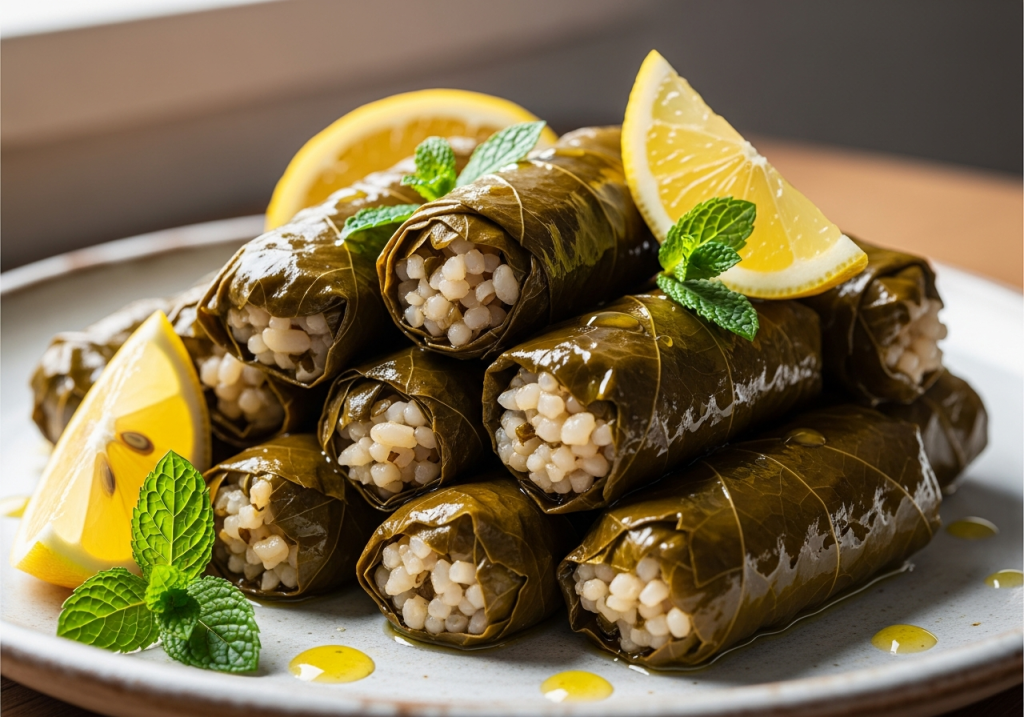
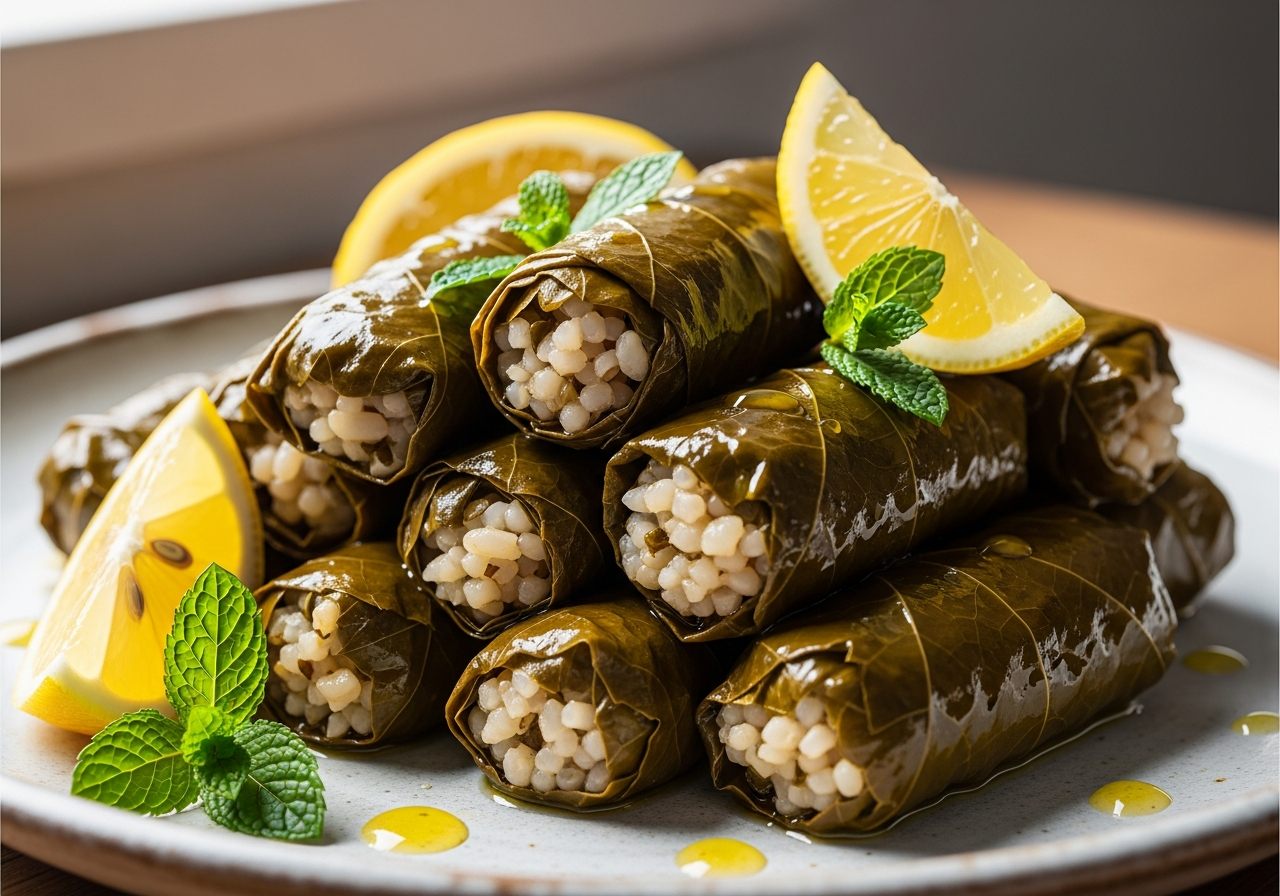
- Presentation: Garnish with fresh mint leaves,lemon wedges,and a dollop of tangy yogurt or tzatziki to elevate the visual and taste appeal.
Serving Suggestions
Serve these stuffed grape leaves warm or at room temperature as an elegant appetizer, part of a mezze spread, or a satisfying main dish alongside creamy tzatziki sauce. Complement with olives,feta cheese,and freshly baked pita for an authentic Mediterranean touch. Each dolma’s intricate pattern and glossy finish creates a stunning centerpiece that invites conversation and celebration.
| Nutrient | Per Serving (Approx.) |
|---|---|
| Calories | 220 kcal |
| Protein | 9 g |
| Carbohydrates | 25 g |
| Fat | 9 g |

For an authoritative background on dolma’s cultural heritage, explore britannica’s overview on dolma, which traces its origins and adoption across regions worldwide.
Q&A
Q&A: Unwrapping Tradition – The Art of Stuffed Grape Leaves (Dolma)
Q1: What exactly are stuffed grape leaves, or dolma?
A1: At its core, dolma is a culinary masterpiece where tender grape leaves cradle a savory filling-usually a harmonious blend of rice, herbs, and spices, sometimes enriched with meat. This humble yet elegant dish is a staple across many Mediterranean, Middle Eastern, and Balkan cuisines, celebrated for both its flavor and cultural symbolism.
Q2: Why are grape leaves the chosen vessel for this dish?
A2: Grape leaves aren’t just edible wrappers; they bring a subtle, tangy earthiness that perfectly complements the filling. Their pliability makes them ideal for wrapping, and when cooked, they soften to a delightful texture that melts in the mouth-a delicious balance between leaf and filling that defines dolma’s unique charm.
Q3: Is there a story behind dolma’s creation?
A3: Indeed! Dolma’s roots stretch back centuries, woven into the fabric of family gatherings, festive celebrations, and everyday meals. The art of rolling grape leaves is frequently enough passed down through generations, symbolizing care, patience, and community. Each region’s variation tells a story-whether it’s the spices used, the choice of meat, or the choice to embrace vegetarian fillings-reflecting local identity and history.
Q4: What’s the secret to mastering dolma?
A4: Patience, precision, and love. Selecting fresh, tender grape leaves is the first step. Then comes the ritual: gently blanching the leaves,artfully filling and rolling each one with care,and simmering them slowly to meld flavors. The secret often lies in seasoning the rice filling just right, balancing herbs like dill, mint, or parsley, and ensuring each roll is snug but not tight.
Q5: Are there different styles or variations of dolma?
A5: Absolutely! Dolma is a canvas for culinary creativity. In some regions, you’ll find meat-laden versions, rich and hearty; others focus on vegetarian or vegan fillings, enlivened by lemon juice or pomegranate molasses for a tangy kick.The shapes vary too-small parcels, cigar-like rolls, or even layered casseroles. Each variation offers a new way to savor tradition.
Q6: how is dolma typically served and enjoyed?
A6: Dolma is as versatile as it is delicious. Served warm or at room temperature,it frequently enough features as part of a mezze spread alongside yogurt,fresh bread,and olives. sometimes garnished with a squeeze of fresh lemon or a dollop of creamy tzatziki, it invites sharing, storytelling, and a deep appreciation of heritage on the dining table.
Q7: Can I try making dolma at home without experience?
A7: Certainly! While it might seem daunting at first, dolma is a rewarding kitchen adventure. Start with simple recipes and fresh grape leaves-frequently enough available jarred or frozen. Remember, the beauty lies in the process as much as the result. With practice, your fingers will learn the delicate art of wrapping, and you’ll unwrap not just grape leaves, but a centuries-old tradition itself.
Q8: What does dolma symbolize culturally?
A8: Beyond its delightful taste, dolma embodies community, heritage, and the sharing of abundance.In many cultures,preparing dolma is a communal affair-families gather to roll leaves together,creating bonds and preserving history. It’s a delicious reminder that food is more than sustenance; it’s a vessel of stories, identity, and love.
Concluding Remarks
As we gently fold the final leaf over our carefully crafted dolma, we unwrap more than just a culinary delight-we unravel centuries of heritage, family stories, and the timeless artistry of tradition. Stuffed grape leaves are more than a dish; they are a savory tapestry woven from the hands of generations, each bite a whispered tale of culture and care. Whether savored at a bustling market table or shared around a quiet family dinner,dolma invites us to taste history and honor the delicate balance between nature and nurture. In every leaf lies a journey-one that continues to bring people together,one delicious parcel at a time.