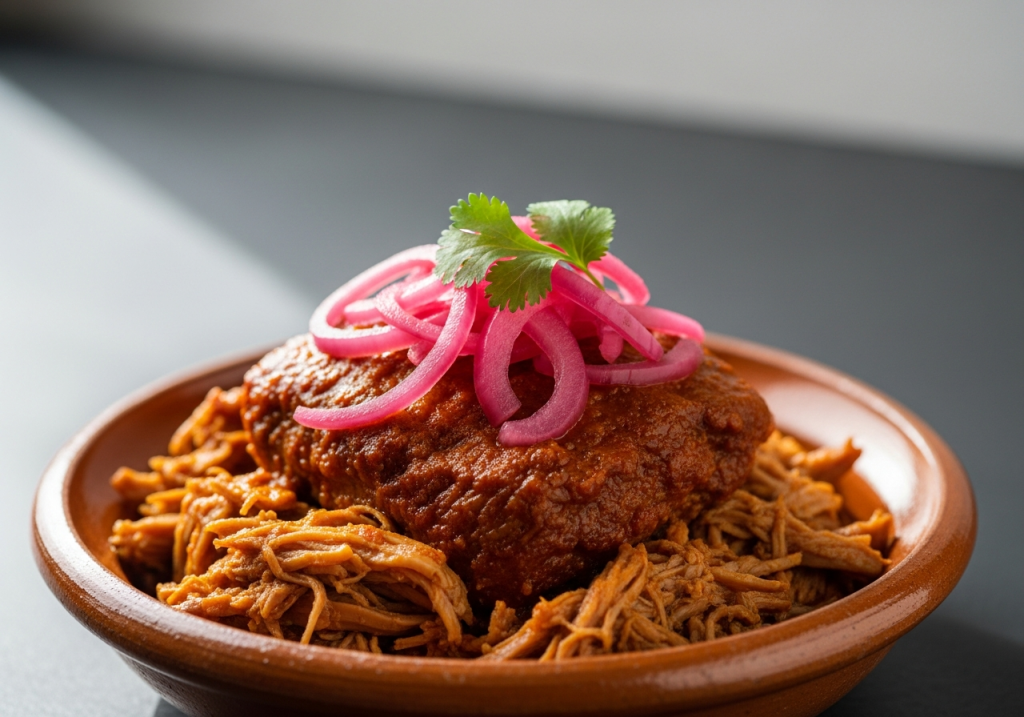

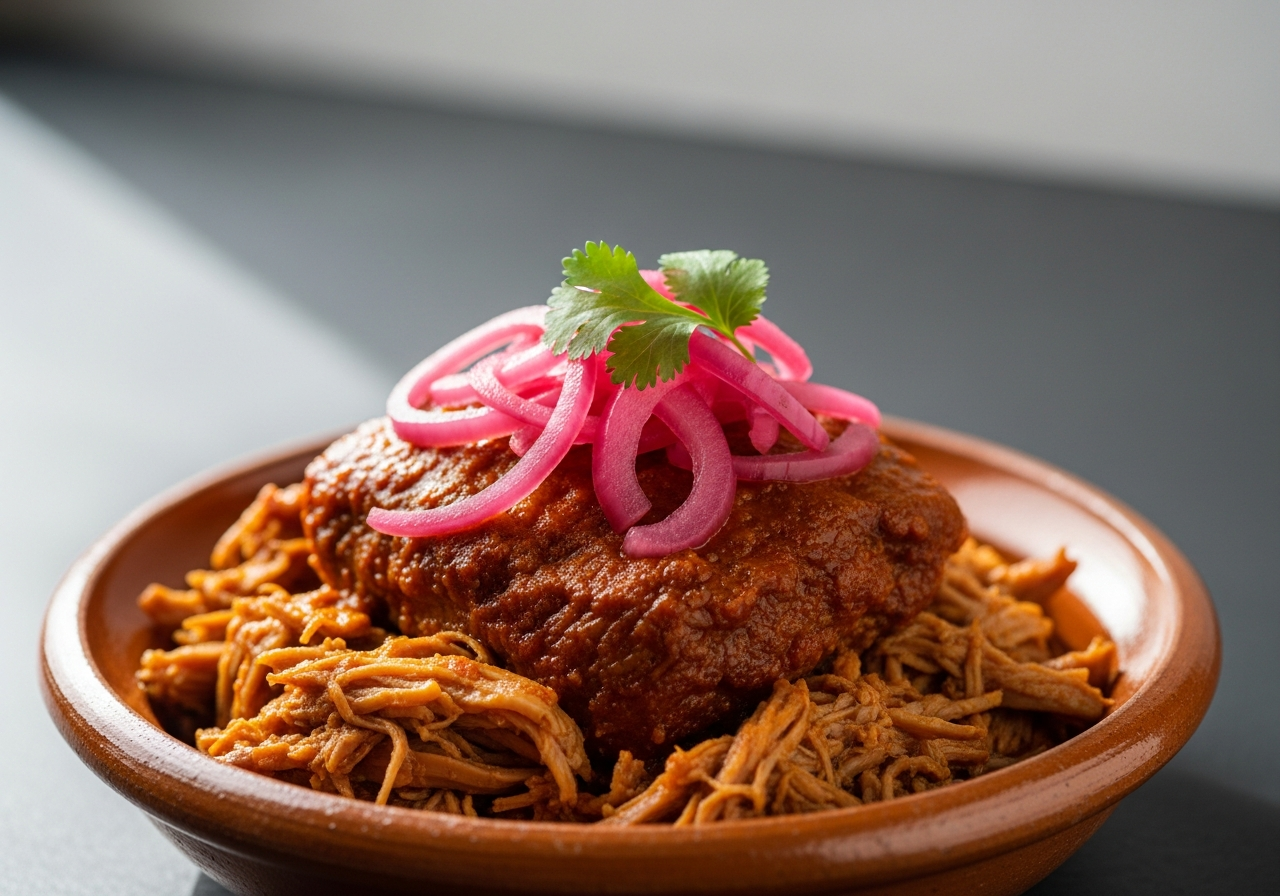
nestled within the vibrant culinary tapestry of Mexico’s Yucatán Peninsula lies a dish that tells a story wiht every bite-Cochinita Pibil. This traditional slow-roasted pork recipe, steeped in history and rich in bold flavors, transcends the ordinary to deliver an unforgettable dining experience.From its vivid marinated hues to the tender, melt-in-your-mouth texture, Cochinita Pibil invites food lovers on a flavorful journey deep into Yucatecan culture. In this article, we’ll unlock the secrets behind this iconic dish, exploring its origins, essential ingredients, and the authentic cooking techniques that bring its distinctive taste to life. Whether you’re a seasoned chef or a curious home cook, prepare to embark on a culinary adventure that celebrates the essence of Cochinita pibil.
Unlocking Cochinita Pibil starts with understanding the essence of its captivating ingredients, which come together to create a symphony of deep, earthy flavors and vibrant aromas unique to Yucatecan cuisine. This iconic slow-cooked pork dish finds its soul in a marinade rich with achiote paste, fresh citrus juices, and traditional spices, delivering a mosaic of taste that transports you straight to the heart of Mexico’s Yucatán Peninsula.
prep and Cook Time
- Planning: 20 minutes
- Marinating: 12 to 24 hours for best flavor
- Cooking: 3 to 4 hours (slow roast or slow cooker)
- Total Time: Approximately 16 to 28 hours (including marinating)
Yield
Serves 6 to 8 people generously, making it perfect for family meals or festive gatherings.
Difficulty Level
Medium: Requires some planning and patience for marinating and slow cooking, but the hands-on preparation is straightforward and rewarding.
Ingredients
- 3 lbs pork shoulder, cut into large chunks
- 1/2 cup achiote paste (preferably freshly ground or high-quality store-bought)
- 1 cup fresh orange juice (Valencia or blood oranges work beautifully)
- 1/4 cup fresh lime juice
- 4 garlic cloves, minced
- 2 tsp dried oregano (Mexican oregano if available)
- 1 tsp ground cumin
- 1 tsp ground black pepper
- 2 tsp sea salt
- 2 bay leaves
- Banana leaves (optional for authentic wrapping)
- 1/4 cup white vinegar
- 1 small red onion, thinly sliced for garnish
- Pickled habanero peppers (optional, to taste)
Instructions
- Prepare the marinade: In a large mixing bowl, whisk together the achiote paste, orange juice, lime juice, vinegar, minced garlic, oregano, cumin, black pepper, and salt until fully combined into a vibrant, deep red sauce.
- Marinate the pork: Add the pork shoulder chunks to the marinade, ensuring each piece is thoroughly coated. Cover and refrigerate for at least 12 hours,preferably overnight,to let the flavors penetrate deeply.
- prepare the cooking vessel: If available, line a large baking dish or cazuela with banana leaves for authentic flavor and moisture retention. Place the marinated pork and bay leaves evenly inside.
- Cover and cook low and slow: Wrap the pork tightly with additional banana leaves or foil to seal in moisture. Roast in a preheated oven at 300°F (150°C) for 3 to 4 hours until the pork is fork-tender and shreds easily.
- Alternative slow cooker method: Transfer marinated pork and bay leaves into a slow cooker and cook on low for 6 to 8 hours. This method yields exceptionally tender results with minimal effort.
- Shred and saucy perfection: Once cooked, remove the pork from the heat and shred it with two forks. Stir the cooking juices into the shredded meat for wonderful moisture and flavor balance.
- Final touches: Serve immediately with thinly sliced pickled red onions and optional pickled habanero peppers for a spicy kick. The contrast of tender pork and tangy onion is irresistible.
Tips for Success
- Marinate longer for depth: For the most authentic flavor, marinate the pork for a full 24 hours.
- substitute with pork butt: If pork shoulder is unavailable, pork butt yields similar fat content and tenderness.
- Banana leaves: Imparts a subtle, earthy aroma-if unavailable, foil works well, though missing this layer of authenticity.
- Make-ahead: Cochinita pibil improves in flavor when made a day ahead and reheated gently in its juices.
- Balancing acidity: Adjust the citrus juice carefully; too much can overpower the achiote’s earthiness.
Serving Suggestions: Elevating Every Bite
Present this savory treasure alongside the classics that bring out the spirit of Yucatan cuisine. Warm corn tortillas make the perfect handheld canvas, while refried black beans and pickled red onions add essential texture and acidity. For a refreshing palate cleanser, serve with a side of crisp jicama salad tossed in lime and chili powder. A drizzle of habenero salsa offers an exhilarating heat contrast without overwhelming the subtle smokiness of the pork.
Garnish with freshly chopped cilantro, lime wedges, and a sprinkle of cotija cheese if desired. Pairing with a cold Mexican beer or a tangy margarita truly brings out the festive feel of this dish.

| Nutritional info (per serving) | Calories | Protein | Carbohydrates | Fat |
|---|---|---|---|---|
| Cochinita Pibil (pork + marinade) | 400 | 38g | 5g | 25g |
| Warm Corn Tortilla (1 medium) | 50 | 1g | 11g | 0.5g |
For a deeper dive into Mexican marinades and regional techniques, check out our related article on Authentic Mexican Marinades. To learn more about the rich history behind achiote paste, visit Britannica’s trusted guide.
Q&A
Q&A: Unlocking Cochinita Pibil – A Flavorful Yucatecan Recipe
Q1: What is Cochinita Pibil, and where does it come from?
A: Cochinita Pibil is a traditional Mexican dish originating from the Yucatán Peninsula. It’s a slow-roasted pork marinated in a vibrant blend of achiote paste, citrus juice, and spices, wrapped in banana leaves, and cooked until tender and bursting with flavor. This ancient Mayan preparation embodies the rich culinary heritage of the region.
Q2: What makes Cochinita Pibil so unique compared to other pork dishes?
A: The magic lies in its marinade and cooking technique. Achiote imparts a deep red hue and subtle earthy, peppery notes, while the citrus juice-usually bitter orange-adds brightness and tenderizes the meat. Traditionally,it’s wrapped in banana leaves and pit-roasted underground,infusing the pork with smoky,moist,and complex flavors that you won’t find anywhere else.
Q3: Can I make Cochinita Pibil at home without a traditional pit oven?
A: Absolutely! While the traditional pit method is authentic, an oven or slow cooker works wonderfully. Wrapping the marinated pork in banana leaves (or foil if unavailable) and slow roasting ensures tender, succulent meat. The key is low and slow cooking to let the flavors meld and the pork fall apart effortlessly.
Q4: What ingredients are essential for an authentic Cochinita Pibil marinade?
A: The hero is achiote paste-a fragrant mix of annatto seeds, garlic, spices, and sometimes vinegar. Bitter orange juice is traditionally used, but a mix of orange and lime juice can substitute well. Additional aromatics often include garlic, cumin, cloves, and oregano, creating a balanced, aromatic marinade that defines the dish.
Q5: How is Cochinita Pibil typically served?
A: It’s commonly served shredded on warm corn tortillas, garnished with pickled red onions for tang and crunch.Accompaniments frequently enough include black beans, fresh cilantro, avocado slices, and sometimes habanero salsa for those who crave heat. It’s a colorful, vibrant meal that celebrates Yucatán’s flavors.
Q6: What makes pickled red onions so crucial in Cochinita Pibil?
A: pickled red onions provide a sharp, slightly sweet contrast to the rich, savory pork.Their luminous acidity cuts through the fattiness, refreshing your palate with each bite and enhancing the overall eating experience. Plus, they add a gorgeous pop of color that’s as pleasing to the eyes as it is to the taste buds.
Q7: Can Cochinita Pibil be adapted for other proteins or dietary preferences?
A: Definitely! While pork shoulder is traditional due to its fat content and tenderness, chicken thighs or even jackfruit (for a vegan twist) can absorb the achiote marinade beautifully.Adjust cooking times accordingly, but the essential flavors of the marinade will stay true and delicious.
Q8: Why is Cochinita Pibil considered a cultural treasure?
A: Beyond its incredible taste, Cochinita Pibil is a culinary expression of Yucatán’s Mayan roots and Mexican identity. Its preparation is steeped in tradition and communal celebration, often made during festivals and family gatherings. Each bite connects you to generations of history, culture, and the vibrant spirit of the yucatecan people.
Unlocking the secret of Cochinita Pibil invites you on a journey through time and flavor-a dish that’s not just food but a delicious story waiting to be shared.Ready your apron,fire up your oven,and let the taste of Yucatán fill your kitchen!
To Conclude
as the rich,smoky aromas of cochinita pibil fill your kitchen and the tender,citrus-infused pork melts on your tongue,you’ll understand why this Yucatecan treasure has captivated taste buds for centuries. Unlocking the secrets of cochinita pibil is more than just mastering a recipe-it’s embracing a vibrant culture, a culinary heritage steeped in tradition and passion. Whether served atop warm corn tortillas or accompanied by tangy pickled onions, this dish invites you on an unforgettable journey to the heart of Mexico’s Yucatán Peninsula. So, gather your ingredients, ignite your senses, and let cochinita pibil transform your next meal into a flavorful celebration of history, flavor, and artistry.