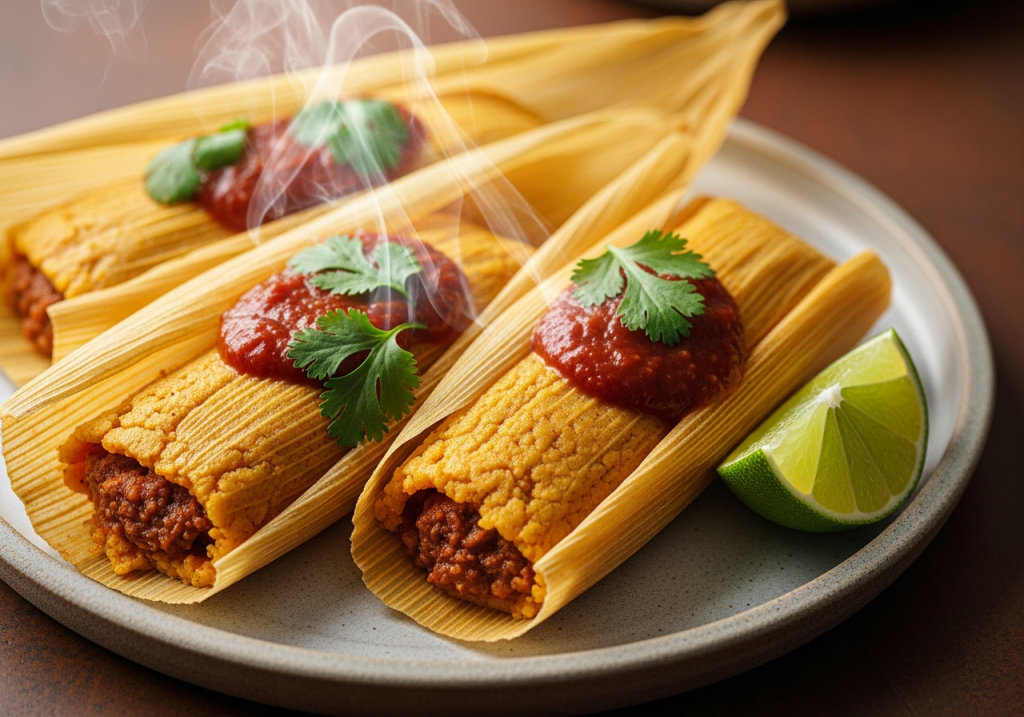

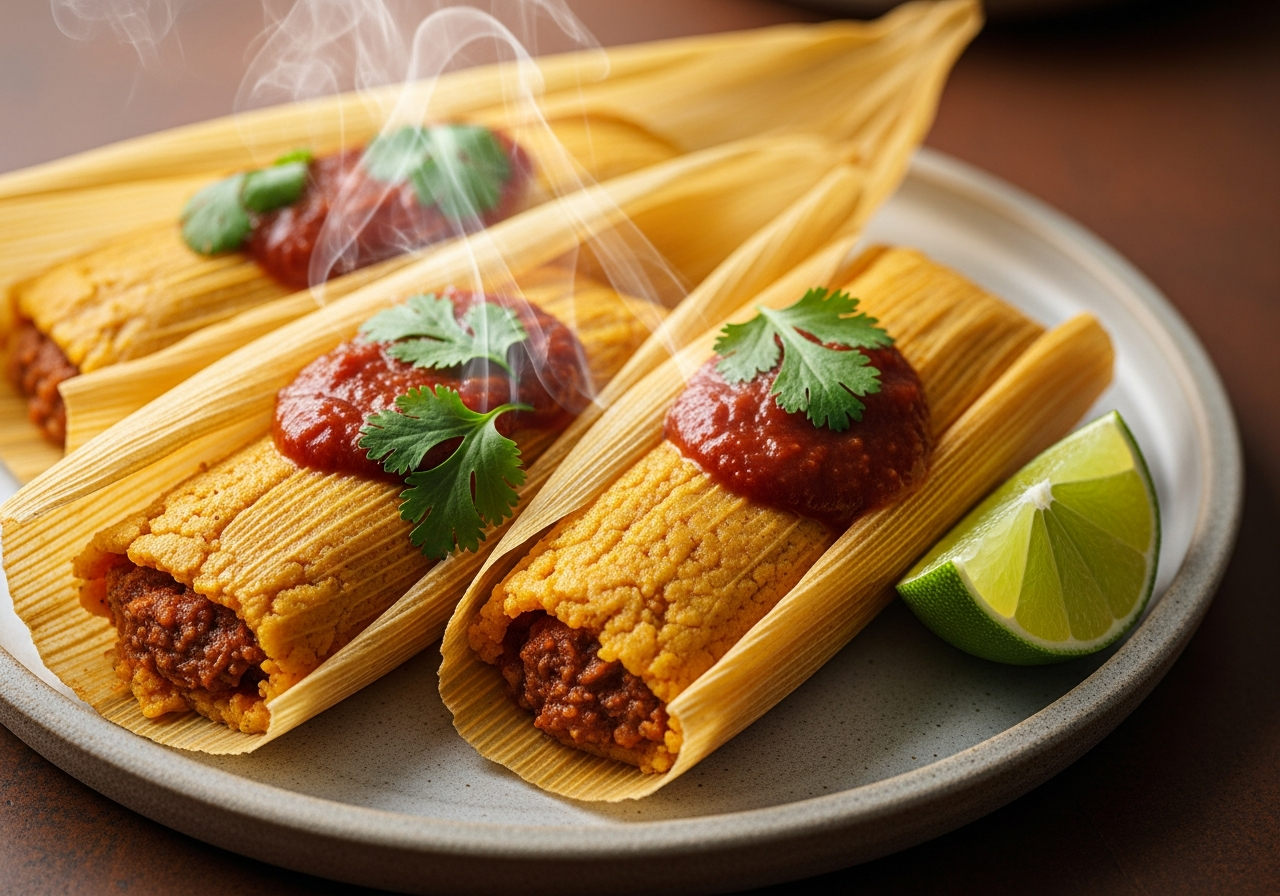
Step into the warm,fragrant heart of the tamale kitchen,where centuries-old traditions unfold wrapped in soft corn husks and rich,savory fillings. More than just a beloved dish, tamales are a culinary tapestry woven with history, culture, and family stories passed down through generations.
In this article, we peel back the layers of this timeless tradition, exploring the secrets behind every ingredient, technique, and ritual that transform simple masa and fillings into a celebratory feast. join us as we uncover the magic simmering inside the tamale kitchen-a place where heritage and flavour come together in every tender bite.
Inside the Tamale Kitchen: Secrets of a Timeless Tradition opens a window to one of the most cherished culinary legacies in Latin America. Tamales, wrapped in corn husks and steamed to tender perfection, have been a symbol of community, party, and cultural identity for centuries.Passed down through generations, each tamale carries stories and flavors unique to families and regions, making it much more than just a meal. Whether filled with succulent meats, vibrant chilies, or savory vegetables, tamales are a timeless testament to heritage and craft.
Prep and Cook Time
- Preparation: 1 hour 30 minutes
- Cooking (Steaming): 1 hour
- Total Time: 2 hours 30 minutes
Yield
Approximately 24 tamales, serving 6-8 people.
difficulty Level
Medium: Requires patience and technique but very rewarding.
Essential Ingredients for Authentic tamale Making
- 4 cups masa harina (corn flour specially ground for tamales)
- 3 cups chicken broth, warm (or vegetable broth for vegetarian options)
- 1 ½ cups lard (or vegetable shortening for a lighter version)
- 2 teaspoons baking powder
- 1 ½ teaspoons salt
- 30-35 dried corn husks, soaked in warm water for at least 1 hour
- 2 lbs pork shoulder (or chicken thighs), cooked and shredded
- 3 cloves garlic, minced
- 2 medium onions, finely chopped
- 3 dried ancho or guajillo chilies, seeded and soaked
- 1 teaspoon cumin
- 1 teaspoon dried oregano
- Salt and pepper to taste
- Fresh cilantro (optional, finely chopped for garnish)
Step-by-Step Guide to Perfect Masa and Filling Preparation
- Prepare the corn husks: Soak them in warm water for at least one hour to soften, than drain well before use to ensure they bend easily without tearing.
- cook the meat: In a pot, cover the pork shoulder with water, add one onion and two garlic cloves, and simmer until tender (about 2 hours). Remove, shred the meat, and reserve some broth.
- Make the red chili sauce: Blend soaked chilies with one garlic clove, cumin, oregano, salt, and a splash of reserved broth until smooth. Sauté the mixture in a pan with onions until aromatic,about 7 minutes. Stir in shredded meat and cook 5 more minutes to infuse the flavors.
- Prepare the masa: In a large bowl,beat the lard with a hand mixer until fluffy and light. In another bowl, combine masa harina, baking powder, and salt.Slowly add warm broth and mix until dough is soft but not sticky.
- Incorporate masa and lard: Gradually fold the masa mixture into the whipped lard, beating consistently to create a light, airy dough. A simple test is to drop a small ball of masa into cold water-it shoudl float, indicating perfect texture.
- Assemble tamales: Spread a thin layer (about 2 tablespoons) of masa evenly on the smooth side of a soaked corn husk, leaving edges clean for folding. Place a spoonful of filling down the center.Carefully fold the sides over the filling, then fold the bottom up and top down to enclose.
- Steam tamales: Arrange tamales upright in a large steamer pot with a few inches of boiling water at the bottom, covered with a wet towel to maintain moisture. Steam for 60 minutes, checking water level periodically, until masa separates easily from husks.
Expert Tips for Wrapping, Steaming, and Serving Traditional Tamales
- Always peel back a tamale just enough to see if the masa is firm and no longer doughy before serving.
- For uniform cooking, avoid overcrowding the steamer. Leave some space between tamales to allow steam circulation.
- Use fresh, high-quality masa harina for the best texture; finer grind ensures a silky dough.
- Wrap a clean kitchen towel over the steamer lid to catch excess condensation, preventing watery tamales.
- Tamales can be made ahead and frozen; re-steam or microwave wrapped in a damp paper towel to refresh.
- Combine traditional pork or chicken with creative fillings like roasted poblano and cheese or sweet corn with cinnamon for delightful variations.
Serving Suggestions
Present your tamales glowing with warmth, topped with freshly chopped cilantro and a drizzle of homemade salsa verde.Pair with a side of Mexican rice,refried beans,and tangy pickled jalapeños to balance richness. For festive occasions, a bold mole sauce or creamy guacamole offers vibrant contrast. Wrap tamales individually in banana leaves for rustic charm and extra aroma, or simply enjoy them straight from the husk with a squeeze of lime.
| Nutritional Info (per tamale) | Calories | Protein | Carbs | Fat |
|---|---|---|---|---|
| Traditional Pork Tamale | 280 | 12g | 30g | 11g |
| Vegetarian Masa Tamale | 250 | 6g | 35g | 7g |

explore more about Mexican cuisine and tamale heritage to deepen your thankfulness for this ancient dish. For a scholarly look at tamale history, visit the Library of Congress Food History Archives.
Q&A
Q: What makes tamales such a timeless culinary tradition?
A: Tamales are more than just food; they’re a living connection to history, culture, and community. Originating thousands of years ago in Mesoamerica, tamales have been passed down through generations, embodying the stories, festivals, and familial bonds of countless people. Their timelessness lies not only in their flavorful flavors but in their role as edible heritage.
Q: What goes on behind the scenes in a traditional tamale kitchen?
A: The tamale kitchen is a vibrant symphony of senses-corn masa being kneaded with care, fragrant fillings simmering gently, and corn husks being meticulously soaked and softened. It’s a space where generations gather, sharing stories and laughter while working in unison. Every gesture, from folding the masa around the filling to tying the bundles, holds a rhythmic, almost ritualistic importance.
Q: What are the key ingredients that define a traditional tamale?
A: The heart of every tamale is the masa, made from nixtamalized corn flour that gives it a unique flavor and pliability. This dough embraces a variety of fillings, ranging from savory pork with rich chili sauces to sweet options like pineapple or cinnamon. Corn husks or banana leaves serve as the natural wrappers,imparting subtle earthy notes during steaming.
Q: Are there regional variations in tamale recipes?
A: Absolutely! From the spicy red chile tamales of Oaxaca to the sweet corn tamales of the southern U.S., each region puts it’s own spin on this beloved dish. In some areas,banana leaves replace corn husks,giving tamales a tender,fragrant twist. These variations reflect local ingredients, traditions, and tastes, showcasing tamales’ unbelievable versatility.
Q: How does making tamales bring people together?
A: Tamale-making is inherently communal. It’s frequently enough a festive occasion where families and friends gather to share labour and stories, turning a kitchen into a warm hub of connection. This collective effort underscores themes of unity and celebration, making tamales not just food to be eaten but an experience to be shared.
Q: What modern twists are cooks adding to this ancient recipe?
A: While tradition holds strong, contemporary chefs experiment by infusing tamales with new ingredients like fusion spices, gourmet cheeses, or plant-based fillings. Some even innovate with cooking methods or presentation, blending heritage with creativity to keep the tamale tradition both alive and evolving.
Q: Why should someone try making tamales at home?
A: crafting tamales at home is a joyful dive into cultural artistry and patience. The process nurtures a deeper appreciation for the dish’s richness and the people behind it. Plus, the reward of savoring a warm, handmade tamale-steeped in history and love-is a taste experience like no other. It’s a delicious way to honor and keep alive a timeless tradition.
In Retrospect
As the steam rises from the tamale steamers and the hum of laughter fills the kitchen, what we uncover is more than just a recipe-it’s a tapestry woven with history, culture, and countless hands passing down their craft. The tamale, humble in appearance, carries within it the essence of community and the echoes of generations long past. inside the tamale kitchen, tradition is alive, vibrant, and ever-evolving, reminding us that some of the most timeless stories are told not with words, but with flavors shared around the table. Whether you’re a curious cook or a devoted food lover, embracing these secrets invites you to taste not just a dish, but a rich heritage that continues to nourish both body and soul.