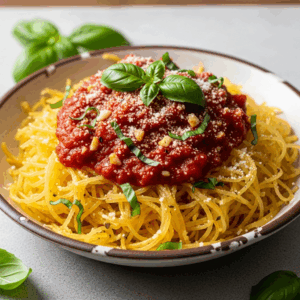

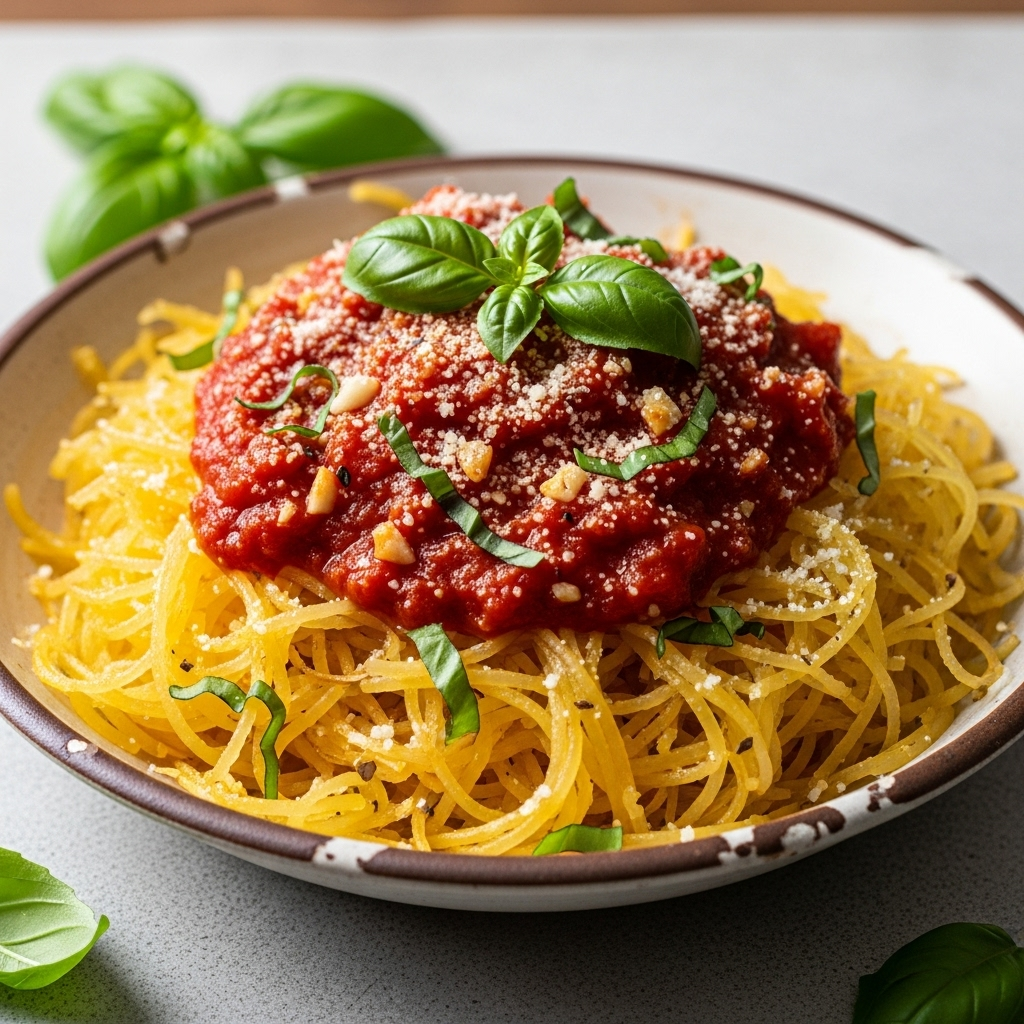
When it comes to comfort food, few dishes rival the beloved pasta plate-warm, satisfying, and utterly versatile. But what if you could enjoy those same hearty flavors with a fraction of the calories? Enter spaghetti squash, nature’s clever culinary trick that transforms from a humble vegetable into a vibrant, noodle-like delight. In this article, we’ll explore the calorie count of spaghetti squash and uncover how this light twist on your favorite pasta can help you savor every bite without the guilt.Get ready to rethink your pasta game with a nourishing, low-calorie option that’s as delicious as it is indeed surprising.
Spaghetti squash calories offer a refreshing and nutritious alternative to traditional pasta, making it a favorite among those seeking lighter, vegetable-forward meals without sacrificing texture or satisfaction. This versatile squash, native to North America but embraced worldwide, transforms into delicate, spaghetti-like strands when cooked, inviting endless culinary creativity while cutting down on carbs and calories.
Prep and Cook Time
- Prep Time: 10 minutes
- Cook Time: 40 minutes (baking or steaming)
- Total: 50 minutes
Yield
Serves 4 as a main dish or 6 as a side
Difficulty Level
Easy
Ingredients
- 1 medium spaghetti squash (about 3 pounds)
- 1 tablespoon olive oil
- 2 cloves garlic, minced
- 1 cup cherry tomatoes, halved
- 1/4 cup fresh basil, chopped
- Salt and freshly ground black pepper, to taste
- Optional: 1/4 teaspoon red pepper flakes for heat
- Freshly grated Parmesan or nutritional yeast for garnish (optional)
instructions
- Preheat your oven to 400°F (200°C). Carefully halve the spaghetti squash lengthwise using a sharp knife. Scoop out the seeds and discard.
- Drizzle the squash halves with half the olive oil, seasoning with salt and pepper. Place cut-side down on a parchment-lined baking sheet.
- Bake for 35-40 minutes until the flesh is tender and easily shredded with a fork into spaghetti-like strands.
- While the squash bakes, heat the remaining oil in a skillet over medium heat. Add the garlic and sauté until fragrant and lightly golden,about 1-2 minutes. Avoid burning for best flavor.
- Add cherry tomatoes and red pepper flakes (if using) to the skillet. Cook until tomatoes soften and release juices, about 5 minutes, stirring occasionally.
- Once the squash is cool enough to handle, gently scrape the flesh with a fork into a large bowl to create strands.
- Toss the squash strands with the sautéed garlic and tomatoes. Fold in fresh basil and adjust seasoning with salt and pepper.
- Serve warm, garnished with parmesan or nutritional yeast for a dairy-free option.
Tips for success
- choose a squash that feels heavy and firm with no soft spots for the best texture and flavor.
- For even faster cooking, microwave the squash halves cut-side down on a microwave-safe plate for 10 minutes, then finish with a fast roast to deepen flavor.
- To enhance flavor without adding calories, infuse your olive oil with garlic and herbs before drizzling on the squash.
- Make ahead: Cook and shred spaghetti squash up to 3 days in advance and refrigerate in an airtight container.
- Substitute fresh herbs: Try thyme or oregano for a Mediterranean twist.
Serving Suggestions
This light spaghetti squash dish pairs beautifully with grilled chicken, shrimp, or a crisp mixed green salad. For a vegan feast, toss with roasted vegetables or a zesty tomato sauce. Garnish with microgreens or edible flowers for a stunning visual presentation that elevates each bite.
| Nutrient | Spaghetti Squash (1 cup,cooked) | Traditional Pasta (1 cup,cooked) |
|---|---|---|
| Calories | 42 kcal | 200 kcal |
| Carbohydrates | 10 g | 40 g |
| Protein | 1 g | 7 g |
| Fat | 0.2 g | 1 g |
For a deeper dive into wholesome, low-calorie pasta alternatives, explore our detailed guide on healthy pasta swaps. To learn more about the nutritional importance of vegetable-rich meals, visit the British Nutrition Foundation.

Q&A
Q&A: Spaghetti Squash calories – A Light Twist on Your Favorite Pasta
Q1: What makes spaghetti squash a popular alternative to traditional pasta?
A: Spaghetti squash has gained fame as a low-calorie, nutrient-rich substitute for pasta. Its naturally stringy flesh mimics the texture of noodles, offering a versatile base for sauces without the carb-heavy guilt. It’s perfect for those looking to enjoy the comfort of pasta with fewer calories and more fiber.
Q2: How many calories are in spaghetti squash compared to regular pasta?
A: A cup of cooked spaghetti squash contains roughly 40 calories, while the same amount of cooked traditional spaghetti pasta clocks in at about 200 calories. that’s an 80% calorie reduction,making spaghetti squash an ideal choice for calorie-conscious diners.
Q3: Is spaghetti squash just low in calories, or does it offer other nutritional benefits?
A: Beyond its low calorie count, spaghetti squash is packed with vitamins A and C, antioxidants, and dietary fiber. These nutrients support eye health, immune function, and digestion, respectively, delivering more than just a light meal-it’s a nourishing one too.
Q4: Does spaghetti squash have the same taste and texture as pasta?
A: While spaghetti squash doesn’t taste like traditional wheat pasta-it has a subtly sweet, nutty flavor-it wonderfully mimics the “spaghetti” texture. Its mild taste makes it a fantastic canvas for a variety of sauces and toppings, from a classic marinara to creamy Alfredo or vibrant pesto.
Q5: How can I prepare spaghetti squash to keep it low-calorie?
A: Cooking spaghetti squash by roasting or steaming preserves its nutrients without adding calories. Avoid heavy sauces or excessive cheese if you’re aiming for a light dish. Instead, use herbs, spices, a drizzle of olive oil, or a squeeze of lemon to elevate flavors while keeping calorie counts in check.
Q6: Can spaghetti squash fit into specific diets like keto or gluten-free?
A: Absolutely! Spaghetti squash is naturally gluten-free and low in carbs, making it a popular choice in gluten-free, paleo, keto, and whole-food diets.It’s an excellent way to enjoy ”pasta” without the dietary restrictions or carb overload.
Q7: What’s a simple recipe idea to start incorporating spaghetti squash into meals?
A: Try tossing roasted spaghetti squash strands with garlic, cherry tomatoes, fresh basil, and a light sprinkle of parmesan. It’s a quick, flavorful dish that highlights the squash’s texture while keeping calories low and flavors high.
Embrace spaghetti squash as your new pasta partner-light on calories but big on taste and nutrition!
In Retrospect
In the quest for a lighter, nutrient-packed alternative to traditional pasta, spaghetti squash emerges as a delightful champion. With its subtle sweetness, satisfying texture, and impressively low calorie count, it allows you to indulge in familiar flavors without the extra guilt.Weather you’re watching your waistline or simply seeking a vegetable-forward twist, spaghetti squash offers a versatile canvas for culinary creativity. So next time you crave that comforting bowl of pasta, consider swapping in this golden gourd-a lighthearted way to savor the classics while nourishing your body in a fresh, vibrant way.