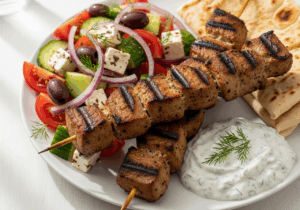

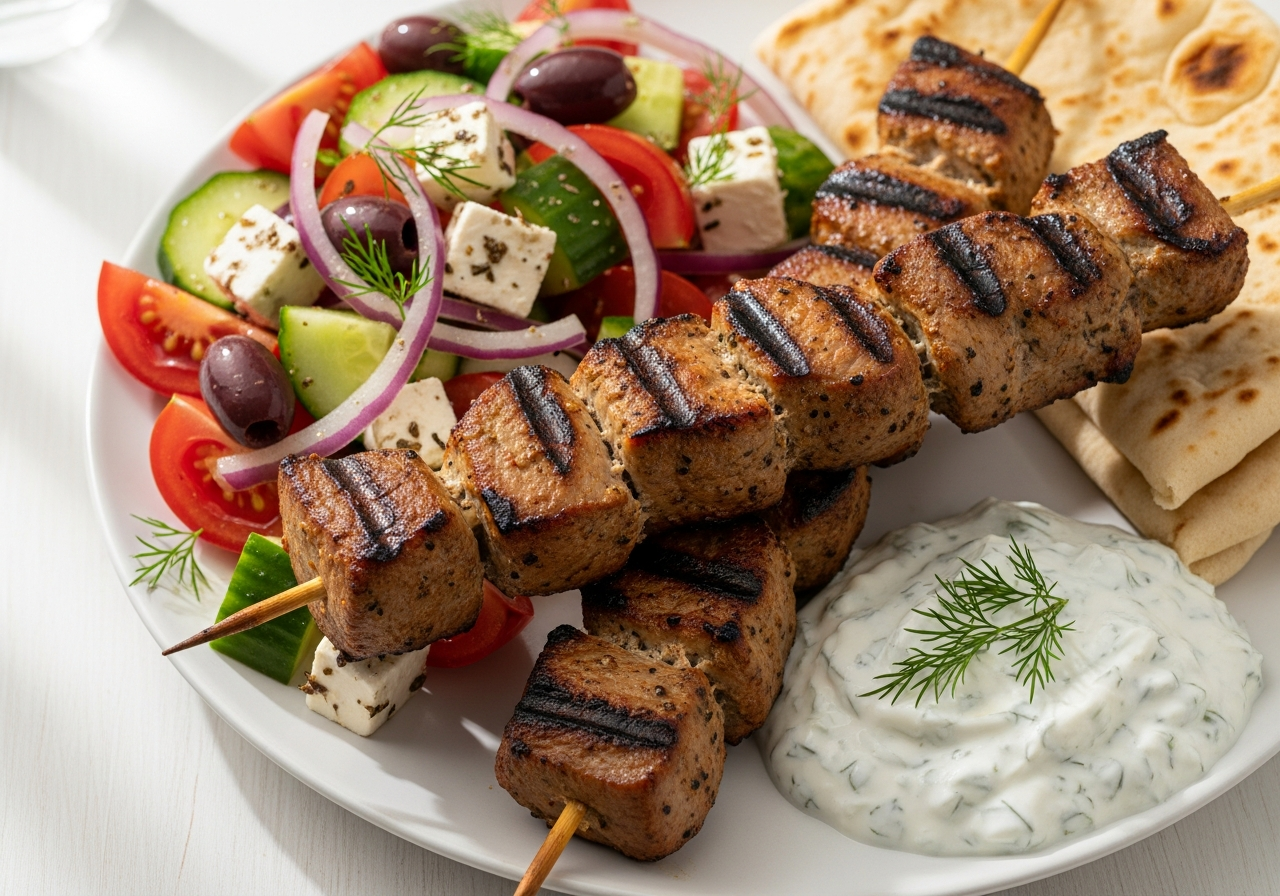
There’s something undeniably magnetic about the sizzle of meat grilling over open flames, especially when that meat is tender, marinated too perfection, and lovingly skewered on a wooden stick. Welcome to the world of Greek souvlaki-a culinary icon that transforms simple ingredients into a symphony of flavors with every bite. More than just street food, souvlaki is a party of Greece’s rich history, vibrant culture, and timeless traditions wrapped up in a portable, mouthwatering package. In this article, we embark on a appetizing journey down the skewer, exploring the origins, techniques, and irresistible taste that make Greek souvlaki a beloved treasure on plates around the world.
Discovering the Roots and Flavor Craft of Greek Souvlaki
Savoring Greek Souvlaki is more than just enjoying a delightful skewer; it is an immersive voyage into centuries of Mediterranean tradition. This beloved street food has origins tracing back to ancient Greece, where locals grilled small pieces of meat over open flames-a simple, communal cooking style that evolved into the iconic souvlaki we know today. Whether nestled in a warm pita or served alongside vibrant, fresh sides, Greek souvlaki perfectly balances rustic simplicity with a mosaic of bold flavors.
For those who have tasted it in bustling Athens tavernas or seaside villages, souvlaki carries memories of sun-drenched afternoons and lively communal gatherings. It embodies the spirit of Greek hospitality and the joy of sharing good food with friends and family. This post will guide you in mastering the marinade secrets, selecting the ideal cuts of meat, and pairing your souvlaki with authentic side dishes, turning your kitchen into a stage for a mouthwatering cultural experience.
Prep and Cook Time
- Preparation: 20 minutes
- marinating: 2-4 hours (best overnight)
- Cooking: 10-15 minutes
- Total Time: Approx. 3 hours (including marinade)
Yield
Serves 4 generous portions (approximately 4 skewers per person)
Difficulty Level
Medium - Ideal for home cooks pleasant with marinating and grilling, but approachable for adventurous beginners.
Ingredients
- 1 ½ lbs pork shoulder, cut into 1-inch cubes (substitute chicken thighs for lighter flavor)
- 3 tbsp extra virgin olive oil
- 2 tbsp fresh lemon juice
- 3 garlic cloves, minced
- 1 tbsp dried oregano (preferably Greek oregano)
- 1 tsp smoked paprika
- 1 tsp sea salt
- ½ tsp freshly ground black pepper
- Wooden or metal skewers, soaked if wooden
Instructions
- Prepare the Marinade: In a mixing bowl, combine olive oil, lemon juice, minced garlic, oregano, smoked paprika, salt, and pepper. Whisk until emulsified.
- Marinate the meat: Place the cubed pork in a resealable bag or shallow dish and pour the marinade over. Massage gently to coat all pieces.Cover and refrigerate for at least 2 hours, ideally overnight for maximum flavor infusion.
- Thread the skewers: If using wooden skewers, soak them in water for 30 minutes beforehand to prevent burning. Thread meat cubes snugly but not overcrowded, leaving a little space for even cooking.
- Preheat Grill or Grill Pan: Heat to medium-high (about 400°F). Brush grill grates or pan with olive oil to prevent sticking.
- Cook the Souvlaki: Place skewers on the grill. Grill for 4-5 minutes per side, turning carefully to achieve a golden crust and juicy interior. Use tongs, not a fork, to keep the meat tender.
- Rest and Serve: Let the meat rest for 5 minutes after grilling to redistribute juices.Serve instantly with your chosen sides.
Tips for Success
- For authentic flavor, choose oregano grown in the Mediterranean; it holds a unique aroma that transports you straight to Greece.
- Do not rush the marinating process; the acid and herbs tenderize the meat and build the dish’s signature tangy aroma.
- Consider alternating meat with small pieces of fresh vegetables like cherry tomatoes or bell peppers on the skewers for added color and subtle sweetness.
- If a grill is unavailable, broil the skewers under high heat, turning frequently to mimic grill marks and sear.
Serving Suggestions
Serve your souvlaki on a loaf of warm pita bread, drizzled with freshly made tzatziki, a creamy cucumber-yogurt sauce bursting with garlic and dill. Garnish with thinly sliced red onions, a sprinkle of fresh parsley, and a wedge of lemon on the side for extra zest. Complement the meal with classic Greek sides like horiatiki (village salad), fluffy lemon potatoes, or grilled halloumi cheese.For beverages, a crisp dry white wine such as Assyrtiko or a refreshing glass of ouzo will enhance this culinary celebration perfectly.

| Nutrient | Per Serving |
|---|---|
| Calories | 320 kcal |
| Protein | 28 g |
| Carbohydrates | 2 g |
| Fat | 22 g |
Enhance your prowess in Mediterranean cuisine by exploring more recipes like our traditional Greek Tzatziki. For an insightful history on the Mediterranean diet, visit the Oldways Mediterranean Foods Alliance.
Q&A
Q&A: Savoring Greek Souvlaki – A Delicious Journey on a Skewer
Q1: What exactly is souvlaki,and why is it such a beloved dish in Greece?
A1: Souvlaki is the quintessential Greek street food – tender chunks of marinated meat,skewered and grilled to smoky perfection. Its charm lies in simplicity: vibrant flavors, fresh ingredients, and that irresistible char from the open flame. In Greece, it’s more than just a meal; it’s a cultural ritual that brings people together for a casual, joyous feast.
Q2: What types of meat are traditionally used in souvlaki?
A2: Traditionally, pork takes the starring role in souvlaki, prized for its succulent texture and ability to soak up Mediterranean herbs. However, you’ll also find chicken, lamb, and even beef versions across the country. each meat brings its own character to the skewer, inviting you on a flavor adventure from island tavernas to urban grill stands.
Q3: how is souvlaki marinated to achieve its signature taste?
A3: The magic of souvlaki starts in the marinade: a fragrant blend of olive oil, lemon juice, garlic, oregano, and a dash of salt and pepper. This simple yet vibrant mixture infuses the meat with zesty brightness and herbaceous warmth - a taste that’s both rustic and refined, echoing the essence of Greek terroir.
Q4: Can souvlaki be enjoyed in other ways besides on a skewer?
A4: Absolutely! While the skewer is iconic, souvlaki frequently enough makes a cozy home wrapped in warm pita bread. Add a dollop of creamy tzatziki, fresh tomatoes, onions, and a sprinkle of parsley – suddenly, you have a handheld flavor explosion, perfect for eating on the go or savoring slowly with friends.Q5: What makes souvlaki a must-try for travelers visiting Greece?
A5: Souvlaki is a culinary passport to the heart of Greek life. It’s affordable,accessible,and offers a direct taste of ancient farming traditions and bold Mediterranean flavors. Sharing a souvlaki with locals on a sunlit street corner connects you to stories, smiles, and the timeless joy of good food shared simply.
Q6: Are there regional variations of souvlaki across Greece?
A6: Indeed, flavors shift subtly from one Greek region to another. In Athens, the classic pork skewers dominate, while on the islands, you might find lamb or even fish souvlaki. Some regions splash the meat with different herbs or pair it with unique sides, each version a delicious chapter in Greece’s rich culinary tapestry.
Q7: How can I recreate an authentic souvlaki experience at home?
A7: To bring a taste of Greece into your kitchen, start with high-quality meat and a fresh, zesty marinade. Grill over high heat to achieve that perfect char and smoky aroma. Don’t forget the pita,tzatziki,and simple salad to round out your feast. Play some Greek music, pour a glass of ouzo or chilled white wine, and you’ve got your own little Athenian street feast.
Q8: What cultural significance does souvlaki hold beyond being just food?
A8: souvlaki is woven into the social fabric of Greek life. It’s a symbol of hospitality, community, and celebration. Whether at a family gathering, a festival, or a casual night out, souvlaki fosters connection, embodying the timeless Greek ethos – “philoxenia,” or love of strangers thru generous hospitality.
Dive into the world of Greek souvlaki and you’re not just tasting grilled meat - you’re savoring a delicious journey that’s as warm, vibrant, and timeless as Greece itself.
In Summary
As the last morsel of tender, juicy souvlaki melts away, what lingers is more than just the memory of flavors-it’s a vivid journey through Greek culture, history, and the simple joy of communal dining.Savoring Greek souvlaki is not just about satisfying hunger; it’s about embracing a culinary tradition that has been perfected over centuries, one skewer at a time. So next time you find yourself craving something truly authentic, let souvlaki be your flavorful passport to the vibrant streets of Greece, where every bite tells a story and every skewer invites you to savor life a little more fully.