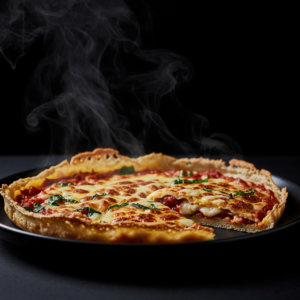

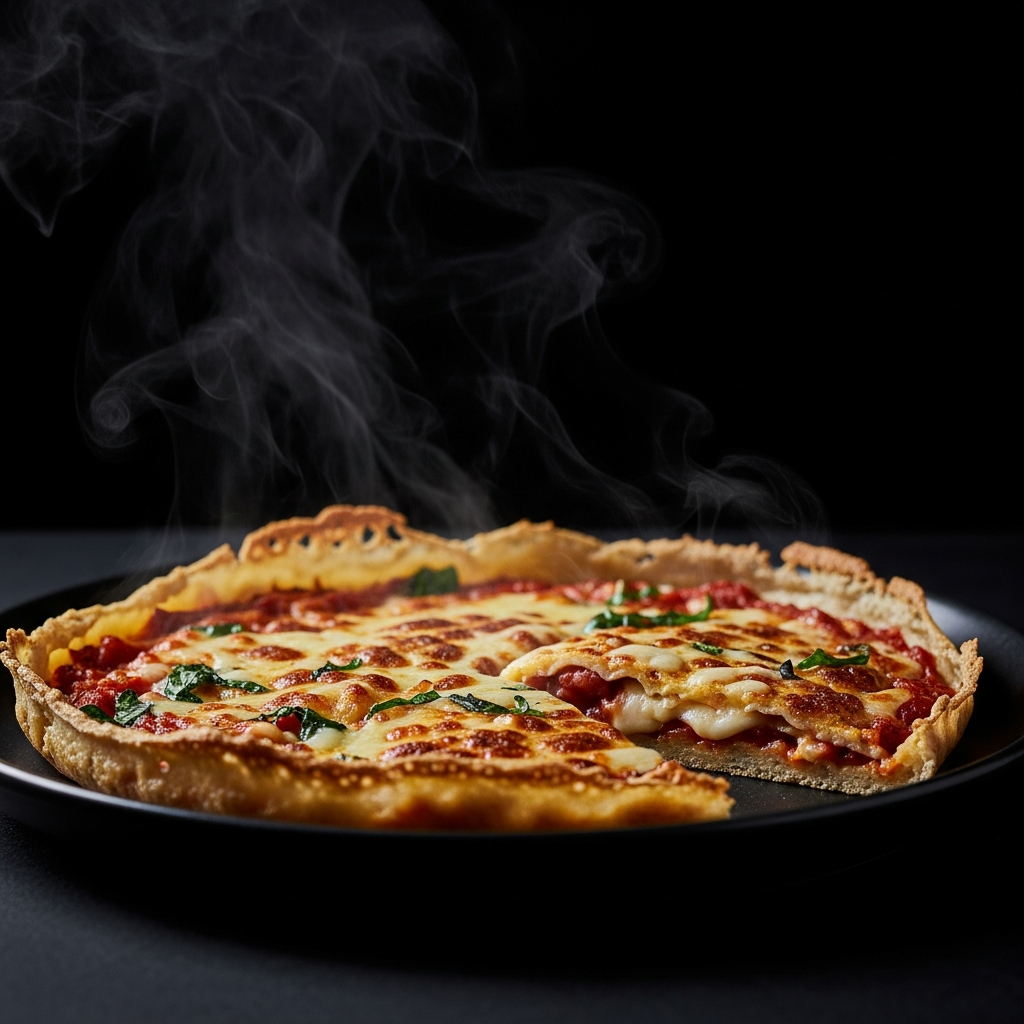
Beneath the rustic skies of Southern France, where sun-drenched markets brim with vibrant colors and fragrant spices, a humble culinary treasure has been winning the hearts of locals and travelers alike-socca.This golden, crispy chickpea flatbread, born from centuries-old traditions along the Mediterranean coast, offers more than just a snack; it’s a gateway to the rich tapestry of Provençal culture and cuisine. In this article, we’ll peel back the layers of socca’s history, explore its simple yet tantalizing ingredients, and reveal why this savory delight continues to captivate palates far beyond its Niçoise origins. Prepare to embark on a flavorful journey into France’s beloved chickpea flatbread-socca, the savory taste of sunshine on a plate.
Socca: France’s Savory Chickpea Flatbread Delight Unveiled
Socca, France’s savory chickpea flatbread delight, transports you straight to the bustling streets of Nice, where this humble yet irresistible creation has been winning hearts for centuries. Rooted deeply in Provence’s culinary tradition, socca symbolizes comfort, simplicity, and the artistry of transforming few, natural ingredients into a golden, crispy masterpiece. My first taste came from a sunlit market stall in Nice, where the smoky aroma and crackling crust instantly revealed the magic beneath its rustic surface-this dish isn’t just food; it’s an experience.
Prep and Cook Time
- Preparation: 10 minutes
- Resting the batter: 1 hour
- Cooking: 10-15 minutes
Yield
Serves 4 as an appetizer or snack
Difficulty Level
Easy – No advanced techniques needed
Ingredients
- 1 cup chickpea flour (also called gram flour or farine de pois chiches)
- 1 cup water, room temperature
- 2 tablespoons extra virgin olive oil, plus more for pan
- ½ teaspoon fine sea salt
- Freshly ground black pepper to taste
- Optional: pinch of turmeric or smoked paprika for subtle depth
Instructions
- In a mixing bowl, whisk chickpea flour and salt until combined evenly.
- Slowly add water while whisking continuously to avoid lumps. The batter should be smooth and pourable, resembling thin pancake batter.
- Stir in 2 tablespoons olive oil and optional spices if using. Cover the bowl with a clean cloth and let the batter rest for at least 1 hour. This enhances hydration and flavor.
- Preheat your oven to 450°F (230°C). If you have a cast-iron skillet or a traditional socca pan,heat it on the stovetop over medium-high heat with a drizzle of olive oil until shimmering hot.
- Pour a thin layer of batter into the skillet (about ¼ to ⅓ inch thick). instantly transfer the skillet to the oven.
- Bake for 7-10 minutes until the edges bubble up and turn golden and crispy. For an extra caramelized top, switch to the oven broiler for 1-2 minutes-watch carefully to avoid burning.
- Remove from oven, season with freshly ground black pepper, and slide onto a cutting board. Tear into rustic wedges and serve piping hot.
Chef’s Notes
- Resting matters: Letting the batter rest allows the chickpea flour to fully absorb the water, yielding a lighter texture and better browning.
- Pan choice: Cast iron gives the crispest results, while non-stick pans work well for ease of handling.
- Consistency check: If your batter is too thick, thin it with a splash of water for a perfect pour.
- gluten-free delight: This recipe is naturally gluten-free, perfect for those seeking grain-free options.
- Make-ahead tip: Batter can be refrigerated for up to 24 hours; stir gently before use.
Serving Suggestions
Serve socca warm with a drizzle of olive oil and a sprinkle of flaky sea salt. To elevate your Socca: France’s savory chickpea flatbread delight experience, garnish with freshly chopped rosemary or thyme. For a regional twist, pair with thinly sliced black olives, caramelized onions, or a touch of tangy tapenade.
Street vendors of Nice often dust socca with cracked black pepper and eat it folded like a thin crepe-perfect for a rustic, hands-on feast. Adding a side of ratatouille or a crisp green salad brings freshness to the savory flavors.
pairing Socca With Wines and Toppings
To truly savor this French classic, pair your socca with a chilled glass of Provençal rosé. The bright acidity and delicate fruitiness complement the rich, earthy chickpea flavors beautifully.
Other topping ideas to experiment with:
- Shaved parmesan and a drizzle of truffle oil
- Freshly chopped chives and lemon zest
- Smoked sea salt and slices of anchovy

| Nutrient | Per serving |
|---|---|
| Calories | 180 kcal |
| Protein | 7g |
| Carbohydrates | 25g |
| Fat | 6g |
For those curious about regional nuances,traditional Socca: France’s savory chickpea flatbread delight varies slightly across Provence and Liguria,often influenced by the availability of local oils and herbs. Explore thes variations in our related article on French Flatbreads and Their Regional Roots.
Q&A
Q&A: Socca – France’s Savory Chickpea Flatbread Delight Unveiled
Q1: What exactly is Socca?
A1: Socca is a thin,golden,and crispy flatbread made primarily from chickpea flour,water,olive oil,and a pinch of salt. Hailing from the sun-kissed French Riviera, particularly Nice, it’s a beloved street food that marries simplicity with bold, nutty flavors.
Q2: How did Socca become a staple in French cuisine?
A2: Socca’s roots trace back centuries to the Mediterranean basin, where chickpeas have long been a dietary cornerstone. In Nice and surrounding regions, humble ingredients like chickpea flour and olive oil were combined into this easy-to-make, nourishing flatbread-perfect for fishermen needing a quick, satisfying snack. Over time, Socca evolved into a culinary icon, celebrated for its rustic charm and soulful taste.
Q3: What makes Socca different from other flatbreads?
A3: Unlike wheat-based flatbreads, Socca boasts a rich, earthy flavor that’s uniquely chickpea-forward. Its texture is a delightful contrast-crispy on the edges and tender in the center. Plus, its natural gluten-free profile and protein-packed chickpeas make it both a healthful and flavorful choice.
Q4: How is Socca traditionally prepared and served?
A4: Traditional Socca batter is poured onto a large, round copper pan, then baked in a wood-fired oven or over an open flame until bubbling golden perfection. Once out of the oven, it’s frequently enough dusted with freshly cracked black pepper and cut into rustic wedges. Served steaming hot, it’s enjoyed straight from the pan-perfect as a snack, appetizer, or accompaniment to a glass of chilled rosé.
Q5: Are there modern twists on Socca?
A5: Absolutely! chefs and home cooks alike are getting creative-topping Socca with caramelized onions, fresh herbs, olives, or even spicy harissa. Some use it as a gluten-free pizza base or layer it with vibrant veggies for a hearty meal. Yet, no matter the variation, Socca remains rooted in its simple, chickpea-filled heritage.
Q6: Can I make Socca at home?
A6: Definitely! With just a few pantry staples-chickpea flour, water, olive oil, and salt-you can whisk up Socca batter in minutes.The key is using a hot, well-oiled skillet and allowing the edges to crisp beautifully. Serve it fresh and warm, and you’ll have a taste of the French Riviera right in your kitchen.
Q7: Why has Socca gained international popularity?
A7: In a world hungry for wholesome,plant-based eats,Socca’s rise is no surprise. Its naturally gluten-free composition, combined with satisfying flavor and easy preparation, appeals to health-conscious foodies and adventurous eaters alike. Plus, its evocative mediterranean backstory adds an irresistible cultural charm.
Q8: What’s the best way to enjoy Socca?
A8: Whether you’re nibbling it straight off the pan with cracked pepper or pairing it with fresh salads and cheeses, Socca’s joy lies in its warmth and simplicity. Grab a slice,savor the nutty aroma,and let its crispy-tender bite transport you to a bustling hillside market in southern France.
With roots as rich as its flavor, socca is more than just a flatbread-it’s a savory celebration of the French Riviera’s vibrant culinary soul. Ready to taste tradition? Dive into Socca, and discover why this chickpea wonder continues to enchant palates worldwide.
Final Thoughts
As the golden hues of socca emerge from the oven, they carry with them centuries of tradition, a humble chickpea batter transformed into a beloved staple of French street food. This savory flatbread is more than just a dish-it’s a culinary bridge linking the vibrant markets of Nice to tables worldwide, inviting both locals and travelers to savor simplicity infused with rich heritage. Whether enjoyed piping hot, dusted with pepper, or paired with a crisp glass of rosé, socca continues to delight palates and tell the timeless story of France’s Riviera flavors. Next time you seek a bite that’s equal parts history and heart, let socca be your savory invitation to explore the rustic charm of French gastronomy.