
Nestled within the rich tapestry of Japanese cuisine lies a humble yet remarkable ingredient: soba noodles. Long celebrated for their nutty flavor and slender, earthy strands, soba noodles weave together centuries of history, cultural importance, and surprising health benefits. From ancient temples to modern kitchens, these buckwheat marvels invite us on a journey-not just to savor their delightful texture and taste, but to uncover the stories they carry and the nourishing qualities they offer.join us as we delve into the engaging world of soba noodles, exploring their origins, wellness perks, and the many tasty ways to enjoy them beyond the bowl.
Soba noodles are more than just a simple staple of Japanese cuisine; they carry centuries of tradition and nutritional wisdom that continue to captivate home cooks and culinary enthusiasts worldwide. Originating from the mountainous regions of japan,these delicate buckwheat noodles offer a unique texture and nutty flavor that instantly transforms any dish into a soothing and wholesome experiance. My first encounter with soba was during a serene winter trip to Nagano, where the warm broth and tender noodles felt like an embrace against the cold-an unforgettable moment that inspired my passion to master soba’s art.
Prep and Cook Time
- Planning: 15 minutes
- Cooking: 10 minutes
- Total Time: 25 minutes
Yield
- Serves 4 generous portions
Difficulty Level
- Medium – requires attention to timing and noodle texture
Ingredients
- 200g buckwheat soba noodles (preferably 100% buckwheat for authenticity)
- 4 cups dashi stock (homemade or high-quality packaged)
- 3 tbsp soy sauce (light or regular)
- 2 tbsp mirin (Japanese sweet rice wine)
- 1 tsp sugar
- 2 green onions, thinly sliced
- 1/2 cup sliced shiitake mushrooms
- 1 tsp toasted sesame seeds for garnish
- Optional: Tempura flakes or nori strips for added texture
Instructions
- Bring a large pot of water to a rolling boil. Gently add the soba noodles and stir immediately to prevent clumping.
- Cook according to package instructions, usually 4-5 minutes, until al dente but tender. avoid overcooking to preserve the noodles’ firm bite.
- drain the noodles in a colander and rinse thoroughly under cold running water to remove excess starch and halt cooking. Set aside.
- In a saucepan, combine the dashi stock, soy sauce, mirin, and sugar. Bring the mixture to a gentle simmer over medium heat, stirring to dissolve the sugar.
- add the sliced shiitake mushrooms to the broth and simmer for 5 minutes until tender and flavorful.
- Divide the cooled soba noodles among serving bowls. Ladle the hot broth and mushrooms over the noodles.
- Garnish with sliced green onions, toasted sesame seeds, and if using, a sprinkle of tempura flakes or nori strips to add delightful crunch and umami.
- Serve immediately to enjoy the contrast of warm broth and refreshing noodles.
Chef’s Notes and Tips for Success
- for the most authentic soba noodle experience, select fresh or frozen 100% buckwheat soba rather than wheat-blend varieties; this heightens the nutty aroma and texture.
- When rinsing noodles post-cooking, be thorough-this not onyl cools the noodles but sharpens their bite and prevents them from sticking.
- If you prefer a heartier bowl,add thinly sliced pork belly or tofu cubes simmered briefly in the broth for protein.
- Prepare the broth in advance; it often tastes even richer after resting a few hours or overnight, allowing flavors to meld.
- Experiment with cold soba noodles served with chilled dipping sauce in warmer months for a refreshing choice.
Serving Suggestions
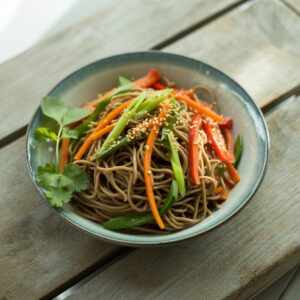
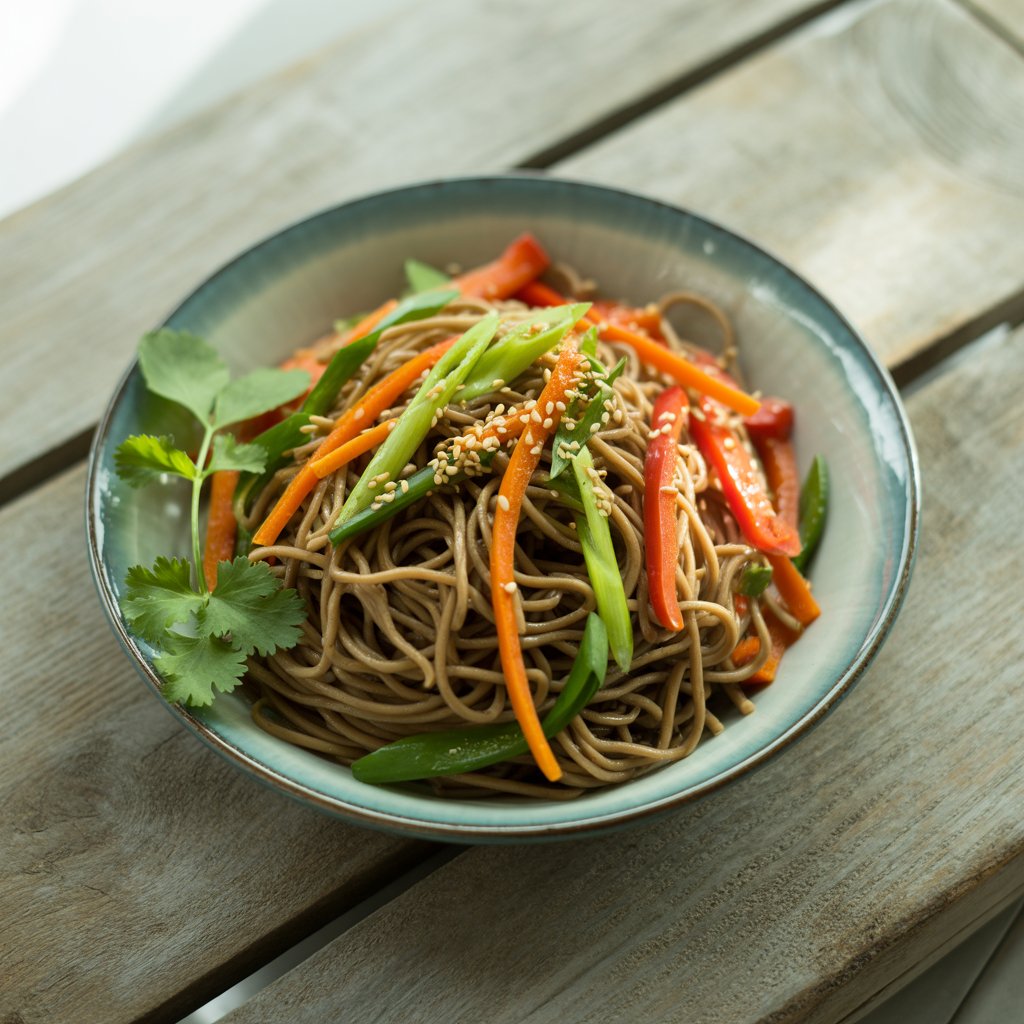
Present your soba noodles elegantly in rustic ceramic bowls. A glossy pour of hot broth over neatly twirled noodles creates an inviting centerpiece. Accent each bowl with vibrant green onions and golden sesame seeds, adding pops of color to the earthy tones of the noodles and broth. Serve alongside small dishes of pickled ginger, wasabi, or grated daikon for guests to customize flavor intensity. Pair with a light, crisp sake or green tea to balance the meal.
| Nutrient | Per Serving |
|---|---|
| Calories | 320 kcal |
| Protein | 12 g |
| Carbohydrates | 58 g |
| Fat | 2 g |

For deeper knowledge on Asian noodles and their cultural significance, explore our article on Japanese noodle varieties. To enrich your understanding of buckwheat’s health benefits, visit the Healthline overview on buckwheat.
Q&A
Q&A: Soba Noodles Uncovered – History,Health,and How to Enjoy
Q1: What exactly are soba noodles?
A1: Soba noodles are thin Japanese noodles crafted primarily from buckwheat flour. They boast a nutty flavor and firm yet tender texture that sets them apart from wheat-based noodles. Traditionally served hot or cold, soba is a versatile staple in Japanese cuisine.
Q2: how did soba noodles come to be a beloved food in Japan?
A2: Soba’s history dates back centuries, reportedly reaching Japan during the Edo period (1603-1868). Originally a grain of the common folk, buckwheat thrived in Japan’s mountainous regions where rice faltered. Over time, soba evolved from a humble dish into a culinary icon symbolizing longevity and prosperity, frequently enough enjoyed during New Year’s celebrations.
Q3: Are soba noodles healthy?
A3: Absolutely! Buckwheat, despite its name, is a gluten-free seed packed with essential nutrients. Soba noodles are rich in protein, fiber, and antioxidants. They boast a low glycemic index, which means they provide steady energy and support heart health. when enjoyed in a balanced meal, soba can be a nutrient-dense option for mindful eaters.
Q4: How do you properly enjoy soba noodles?
A4: Eating soba is an art and a delight! Cold soba (zaru soba) is typically served on a bamboo tray, accompanied by a chilled dipping sauce called tsuyu-made from soy sauce, mirin, and dashi. Slurping the noodles is encouraged; it enhances flavor and cools the mouth. Hot soba, served in a savory broth, warms the soul during winter months. Toppings range from scallions and tempura to grated daikon and even egg.
Q5: Can soba noodles be incorporated into modern dishes?
A5: Certainly! Beyond traditional Japanese preparations, soba lends itself beautifully to creative recipes. Toss chilled noodles with fresh veggies and sesame dressing for a healthful salad. Stir-fry with tofu and greens to blend East and West flavors. The nutty taste pairs well with diverse seasonings,inviting culinary experimentation.
Q6: What should one look for when buying soba noodles?
A6: Authentic soba contains a high percentage of buckwheat flour-ideally 80% or more-to capture its distinctive flavor and health benefits. Some brands mix wheat flour to improve texture,but be mindful if you have gluten sensitivities. Fresh soba noodles offer the best taste, yet dried varieties are convenient and widely available.
Q7: Any tips for cooking soba at home?
A7: Cook soba in plenty of boiling water, just 4-5 minutes to avoid mushiness.Drain and rinse under cold water immediately if serving cold, to stop cooking and remove excess starch.For hot soba, reheat gently in broth rather than boiling again. This preserves texture and flavor.
Q8: Why is soba considered a noodle of good fortune?
A8: In Japanese tradition, the long, unbroken strands of soba symbolize longevity and resilience. Eating soba on New Year’s Eve is believed to cut away the hardships of the past year and welcome a fresh start, making it a noodle infused not only with flavor but also with meaning.
Embrace soba noodles and discover a world where history, health, and taste intertwine in every delicious slurp!
Concluding Remarks
From their ancient origins steeped in Japanese tradition to their modern-day role as a versatile and nourishing meal, soba noodles truly embody the harmony of history, health, and flavor. Whether you savor them in a steaming bowl of broth on a chilly day or toss them fresh in a vibrant salad, these humble buckwheat strands invite you to experience a culinary journey that’s both timeless and refreshing. As you explore the many ways to enjoy soba, you’re not just tasting a noodle-you’re connecting with centuries of culture and a wholesome ingredient celebrated around the world. So next time you fork your soba, remember: each bite is a celebration of nourishment, heritage, and the simple joy of good food.