
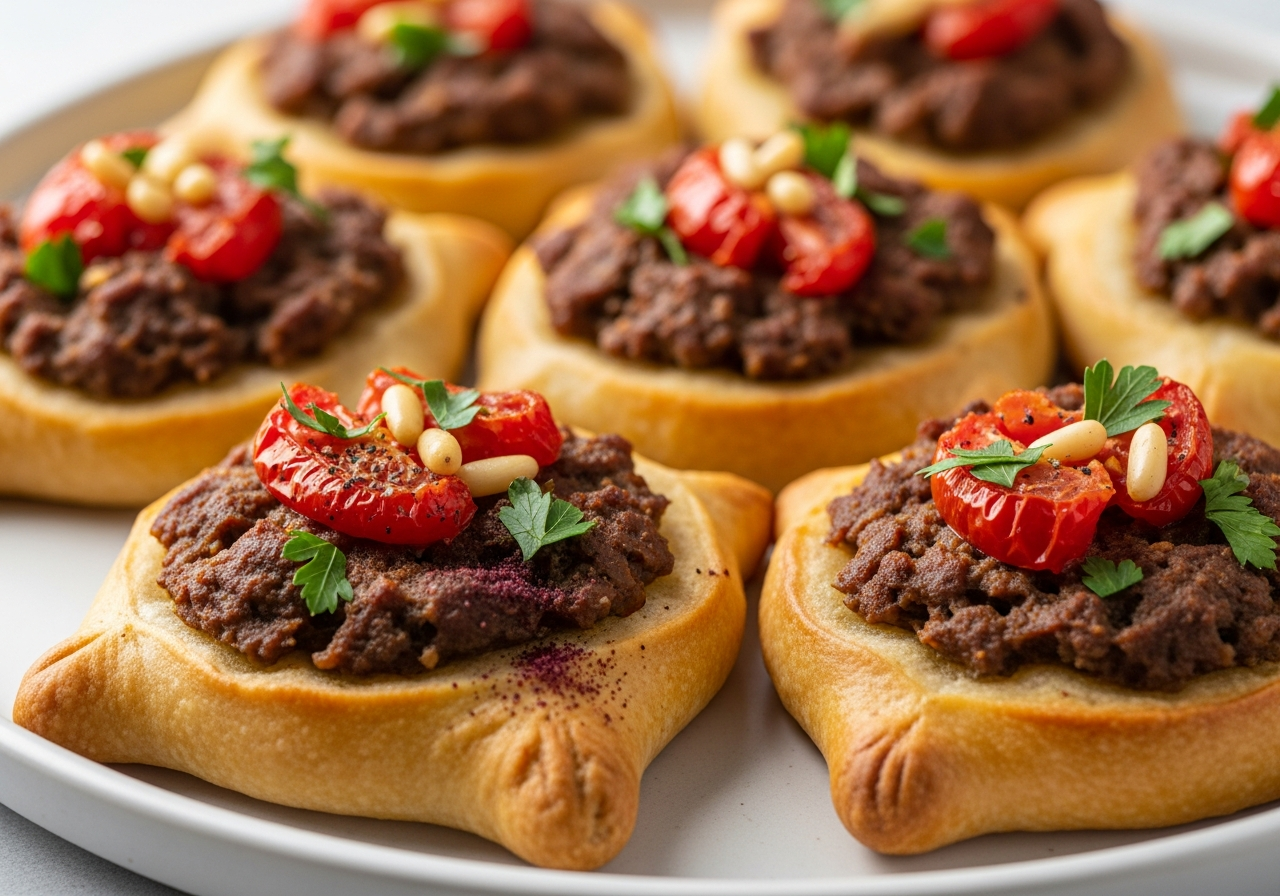
in the world of culinary delights, few dishes capture the heart and heritage like sfeeha-those golden, oven-kissed meat pies that have been savored across generations and regions.Far more than just a humble pastry, sfeeha embodies a rich tapestry of history, culture, and artistry, where each fold and seasoning tells a story passed down through family kitchens and bustling markets alike. Join us as we unwrap the layers of this traditional treasure, unveiling the secrets behind its tender fillings, flaky crusts, and the time-honored techniques that transform simple ingredients into a symphony of flavors. welcome to the art of sfeeha, where every bite is a journey through tradition and taste.
Origins and Cultural Significance of Sfeeha in Middle eastern Cuisine
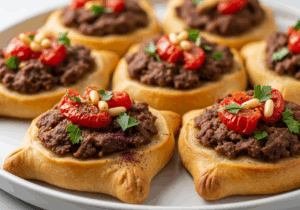
Savoring Sfeeha is more than indulging in a delicious traditional meat pie-it’s a journey into the heart of Middle Eastern hospitality and culinary heritage. Originating from Levantine countries like Lebanon and Syria, sfeeha has long been a symbol of communal gatherings and festive celebrations. These open-faced pies,filled with a fragrant mixture of spiced ground meat and aromatic herbs,evoke memories of shared tables bustling with warmth and laughter. Their versatility and inviting flavors have made sfeeha a beloved comfort food, transcending borders and generations.
Historically, sfeeha was crafted by homemakers using simple, wholesome ingredients, reflecting a farm-to-table ethos that honors local produce and spices. The dough itself, a soft yet sturdy canvas, showcases the artisan’s skill, while the filling acts as a flavorful narrative of regional tastes-from tangy pomegranate molasses to fresh pine nuts. Savoring sfeeha reminds us why food is powerful-it connects identities, stories, and traditions in every bite.
mastering the Perfect Dough and Filling for Authentic sfeeha
Savoring Sfeeha begins with the foundational elements: dough and filling. The dough must strike a balance-elastic enough to fold without tearing yet tender when baked into a golden crust that yields delightfully. Using all-purpose flour combined with warm water, a pinch of sugar, and instant yeast, you’ll develop a supple dough that rises beautifully. A little olive oil incorporated into the mix enhances softness and lends a subtle richness.
The filling is where personality shines. Classic sfeeha features ground lamb or beef, seasoned with finely chopped onions, fresh mint, and a symphony of spices like allspice, cinnamon, and sumac. A splash of lemon juice or pomegranate molasses brightens the taste, while pine nuts add a delicate crunch. For an authentic texture, the filling should be just moist enough to stay juicy without making the dough soggy.
Prep and Cook Time
- Readiness Time: 30 minutes
- Resting and Rising time: 1 hour 15 minutes
- Cooking Time: 20 minutes
- Total Time: 2 hours
Yield
Approximately 12 medium-sized sfeeha (serves 4 to 6)
Difficulty Level
Medium – Requires basic dough handling and filling assembly skills
Ingredients
- For the Dough:
- 3 cups all-purpose flour, sifted
- 1 cup warm water (about 110°F/45°C)
- 2 teaspoons instant dry yeast
- 1 teaspoon sugar
- 1 teaspoon salt
- 3 tablespoons olive oil
- For the Filling:
- 500g ground lamb or beef
- 1 medium onion, finely minced
- 2 cloves garlic, minced
- 1/4 cup pine nuts, toasted
- 2 tablespoons pomegranate molasses
- 1 teaspoon ground allspice
- 1/2 teaspoon ground cinnamon
- 1 teaspoon sumac
- 2 tablespoons fresh parsley, finely chopped
- 1 tablespoon fresh mint, finely chopped
- 1 teaspoon salt
- 1/2 teaspoon black pepper
- Juice of half a lemon
Instructions
- Prepare the Dough: In a large bowl, combine warm water, sugar, and yeast. Stir gently and let it activate for 5-7 minutes until frothy.
- Mix and Knead: Add flour,salt,and olive oil to the yeast mixture. Stir until a rough dough forms. Transfer to a floured surface and knead vigorously for about 8-10 minutes until smooth and elastic. Place the dough in a lightly oiled bowl, cover, and let rise for 1 hour or until doubled in size.
- Prepare the Filling: While the dough rises, toast pine nuts in a dry skillet until golden and fragrant, about 2 minutes. Set aside.
- Sauté Aromatics: In a pan over medium heat, cook minced onion and garlic with a splash of olive oil until translucent, about 5 minutes. Remove from heat and let cool slightly.
- Combine Filling Ingredients: In a mixing bowl, combine ground meat, sautéed onion-garlic, pine nuts, pomegranate molasses, spices, herbs, lemon juice, salt, and pepper. Mix thoroughly but gently to maintain texture.
- preheat Oven: Set your oven to 425°F (220°C) and prepare a baking sheet lined with parchment paper.
- Shape the Dough: Punch down the risen dough. Divide into 12 equal portions. Roll each piece into a 4-inch diameter circle, about 1/8 inch thick.
- Fill and Shape: Place 2 tablespoons of filling in the center of each dough circle. Fold three sides toward the center, leaving the filling slightly exposed, gently pinching seams to seal.
- Bake: Arrange sfeeha on the baking sheet, brush lightly with olive oil to achieve a golden crust. Bake for 18-20 minutes until crust is browned and filling is cooked through.
- Serve warm: Allow sfeeha to cool for 5 minutes before serving to let the juices settle for perfect bites.
chef’s notes: Tips for Success
- Dough Resting: Ensure the dough doubles in size during the first rise for the perfect airy texture.
- Meat Choices: For a leaner option, mix lamb with ground beef or replace with ground turkey, adjusting seasoning to taste.
- vegetarian Variation: Substitute meat with spiced lentils or finely chopped mushrooms for a savory twist.
- Storage: Sfeeha can be refrigerated for up to 2 days or frozen before baking. Bake fresh when ready to serve.
- Spice Adjustments: Feel free to add a pinch of cayenne for a spicy kick or sumac for tangier depth.
Serving Suggestions
Present your sfeeha alongside refreshing traditional accompaniments: a bowl of creamy labneh, freshly chopped salad with cucumber and tomato, and pickled turnips for a vibrant contrast. Garnish with a sprinkle of fresh parsley or a drizzle of extra virgin olive oil to elevate presentation. Serve warm with a side of tabbouleh salad to complete the experience.

| Nutrient | per Serving (2 pies) |
|---|---|
| Calories | 320 |
| Protein | 18g |
| Carbohydrates | 28g |
| Fat | 14g |
For a deeper dive into Levantine pastries, check out our Lebanese Fatayer Recipe to explore more soulful starters from Middle Eastern cuisine.
explore the rich history and health benefits of Mediterranean spices used in sfeeha on Britannica’s Mediterranean Diet overview.
Q&A
Q&A: Savoring Sfeeha – the Art of Traditional Meat Pies Unveiled
Q1: What exactly is Sfeeha?
A1: Sfeeha is a beloved Middle eastern meat pie, crafted from tender ground meat-often lamb or beef-blended with a symphony of spices, onions, and pine nuts, all lovingly wrapped in a soft, thin dough. Baked to golden perfection, it embodies centuries of culinary tradition in every flavorful bite.
Q2: How did Sfeeha become such an iconic dish in Middle Eastern cuisine?
A2: Rooted in Levantine heritage, Sfeeha’s origins trace back to ancient trade routes where food culture flourished. It evolved as a portable, nourishing meal for travelers and traders. Its widespread appeal comes from the harmonious marriage of simple ingredients elevated by skillful preparation-making it both a staple at family gatherings and a cherished street food.
Q3: What distinguishes traditional Sfeeha from other meat pies around the world?
A3: Unlike the hefty, folded pastries common elsewhere, Sfeeha is typically open-faced with a boat-like shape, allowing the spiced meat filling to glisten invitingly atop the dough. Its flavor profile is uniquely nuanced-infused with sumac, allspice, and sometimes a hint of pomegranate molasses-offering a tangy depth that sets it apart.
Q4: Can you describe the step-by-step process of making authentic Sfeeha?
A4: certainly! It begins with preparing the dough-mixing flour, yeast, water, and a touch of olive oil to create a pliable base. The meat filling is assembled by sautéing ground lamb or beef with finely chopped onions, toasted pine nuts, and signature spices. After rolling the dough into small circles, the filling is spooned on and shaped into miniature boats. the pies are baked until the edges turn golden, and aromas fill the kitchen, signaling they’re ready to savor.
Q5: Are there regional variations in the recipe or presentation of Sfeeha?
A5: Yes! In Lebanon and Syria, for example, the meat is often enriched with pomegranate molasses for a subtle sweetness, while in Jordan, sumac may play a more prominent role, offering a tart accent. Some regions add nuts or pine nuts for texture, and others garnish Sfeeha with fresh herbs or a drizzle of tangy tahini sauce, showcasing a delightful spectrum of interpretations.
Q6: How is Sfeeha traditionally enjoyed?
A6: Sfeeha is as versatile as it is indeed delicious-it can be a hearty snack,an appetizer,or part of a grand mezze spread alongside hummus,tabbouleh,and pickles. It’s best savored fresh from the oven, accompanied by a refreshing mint tea or a robust arabic coffee, enhancing the communal and celebratory spirit of sharing food.
Q7: What makes savoring Sfeeha an “art”?
A7: The art lies in balancing textures and flavors-the tender yet crispy dough, the spicy yet aromatic meat filling, and the cultural storytelling baked into every pie. Crafting Sfeeha requires intuition and tradition, handed down through generations. Each homemade batch is not just food; it’s a piece of heritage, a celebration of family, and a practice in patience and love.
Q8: Can beginners try making Sfeeha at home,and any tips?
A8: Absolutely! while the process might seem intricate,breaking it down step-by-step makes it approachable. Use fresh ingredients, don’t rush the dough’s rising, and don’t be afraid to taste and adjust the spices. Remember, imperfections add charm. Most importantly, enjoy the process-the kitchen is where tradition meets creativity.
Indulging in sfeeha is more than eating-it’s entering a flavorful narrative woven through history and heart. Whether baked in a humble kitchen or served in a bustling market, sfeeha invites us all to experience the artistry of culinary heritage.
Insights and Conclusions
As the final flakes of golden, savory sfeeha melt away, we are reminded that these traditional meat pies are far more than just a dish-they are a tapestry of culture, history, and craftsmanship folded into every bite. Savoring sfeeha is an invitation to connect with generations past, to appreciate the art of simple ingredients transformed through time-honored techniques. Whether enjoyed fresh from a bustling street vendor or carefully prepared in a home kitchen, sfeeha offers a delicious gateway into the heart of culinary tradition. So next time you bite into this tender,spiced marvel,relish not only its flavors but also the rich stories and skilled hands that brought it to your plate.