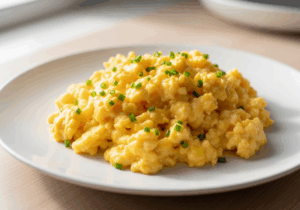

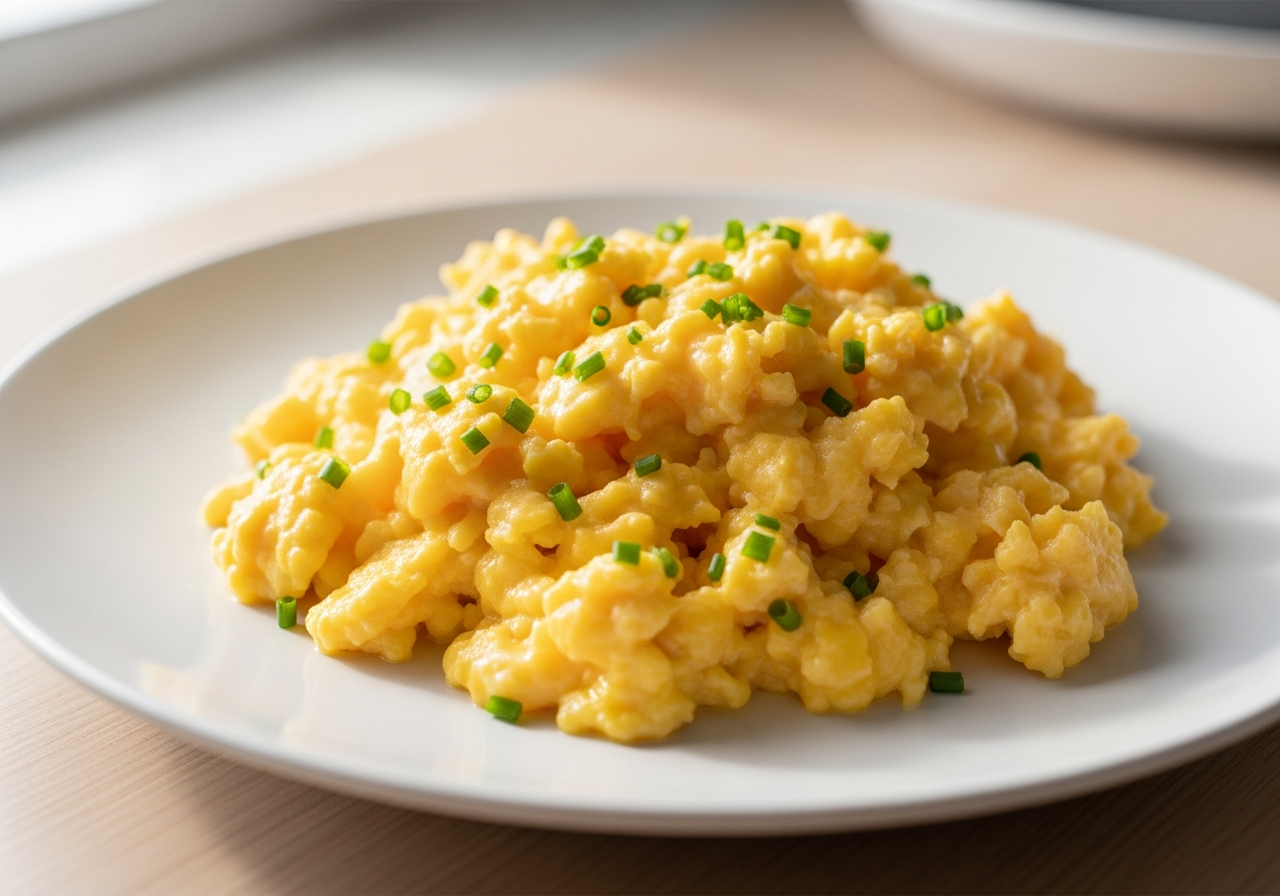
There’s a certain magic in the humble scrambled egg-a dish that’s as quick to prepare as it is indeed comforting to eat.But beyond its fluffy texture and golden hue lies a question many health-conscious individuals ask: how many calories are really in those creamy bites? Whether you’re fueling up for a busy day or savoring a slow weekend morning, understanding the calorie content of scrambled eggs can be a game-changer in crafting a balanced breakfast. In this guide, we’ll crack open the facts, explore variations, and help you make informed choices that keep your mornings tasty, nutritious, and perfectly aligned with your health goals.
Scrambled eggs calories are frequently enough misunderstood, but with the right knowledge and choices, this classic breakfast can become a powerhouse of nutrition and flavor. Growing up,I always found scrambled eggs comforting and endlessly versatile-a blank canvas to experiment with wholesome ingredients that keep the dish light yet satisfying. Whether you’re kicking off a busy morning or savoring a leisurely weekend brunch, mastering the calorie content in scrambled eggs empowers you to enjoy a guilt-free start to your day.
Prep and Cook Time
Preparation: 5 minutes
Cooking: 5-7 minutes
Total: 10-12 minutes
Yield
Serves 2
Difficulty level
Easy
Ingredients
- 4 large organic eggs (preferably free-range)
- 2 tbsp unsweetened almond milk or water (to keep calories low)
- 1 tsp extra virgin olive oil or avocado oil
- Salt and freshly cracked black pepper, to taste
- Fresh chives, finely chopped, for garnish
- Optional: sautéed spinach or diced tomatoes for added nutrition and color
Instructions
- Whisk the eggs in a bowl with the almond milk or water until the mixture appears slightly frothy. This technique lightens the texture without adding extra calories.
- Heat the oil over medium-low heat in a non-stick skillet. Using a gentle heat helps prevent overcooking and keeps the eggs tender.
- Pour the egg mixture into the skillet and let it sit undisturbed for 30 seconds until the edges begin to set.
- Gently stir with a silicone spatula, pushing the eggs from the edges to the center. continue cooking slowly, folding the eggs, until softly set but still moist-about 3 to 4 minutes.
- Season with salt and pepper just before removing from the heat to prevent the eggs from becoming watery.
- Transfer immediately onto warm plates to avoid residual heat overcooking them.
- garnish with chopped fresh chives and your favorite low-calorie veggies or herbs for a fresh finish.
Tips for Success
- Choose whole eggs: Thay offer complete protein and healthy fats; though,if tracking calories strictly,consider using two whole eggs and two egg whites to reduce fat.
- Swap liquids: Water or unsweetened plant milk keeps calories down without compromising fluffiness.
- Avoid high-calorie add-ins: Skip heavy creams or excessive butter; instead, rely on quality oil and fresh herbs for natural flavor enhancement.
- Prepare ahead: Pre-chop vegetables the night before to streamline your morning routine.
- Lightly cook: remove the eggs from heat while slightly underdone-they’ll finish cooking in the residual heat, preventing dryness.
Smart Serving Suggestions for a Balanced Breakfast
Present your perfectly fluffy scrambled eggs beside a slice of whole-grain toast spread thinly with avocado for healthy fats and fiber. Add a side of sautéed cherry tomatoes or fresh berries to infuse antioxidants and vibrant color onto your plate. For extra protein punch without extra calories, consider a handful of steamed asparagus or a crisp green salad tossed with a lemon vinaigrette.This combination maximizes nutrient density while keeping overall calories steady, boosting energy and satiety well past midday.
| nutrient | Per Serving (2 eggs with almond milk and 1 tsp oil) |
|---|---|
| Calories | 220 kcal |
| protein | 14 g |
| Carbohydrates | 2 g |
| Fat | 17 g |

To dive deeper into maximizing your breakfast nutrition, visit our Healthy Breakfast Ideas page. For detailed calorie and nutrient facts, USDA fooddata Central offers reliable and up-to-date insights.
Q&A
Q&A: Scrambled Eggs Calories – Your Guide to a Healthy Breakfast
Q1: How many calories are in a basic serving of scrambled eggs?
A1: A standard serving of scrambled eggs, made with two large eggs and no added ingredients, contains approximately 140 to 160 calories. The natural richness of eggs provides a satisfying start to your day without tipping the calorie scale.
Q2: Do added ingredients like butter or milk affect the calorie count?
A2: Absolutely! Adding a tablespoon of butter or a splash of whole milk can add an extra 50 to 100 calories. Opting for a non-stick pan with minimal oil or using low-fat milk can help keep calories in check while maintaining creaminess.
Q3: How can I make scrambled eggs healthier without sacrificing flavor?
A3: try incorporating fresh veggies like spinach, tomatoes, or bell peppers-these add volume, nutrients, and flavor with minimal calories.Using herbs and spices like chives, paprika, or black pepper can enhance taste naturally. Also, consider cooking with a small amount of olive oil rather of butter for heart-healthy fats.
Q4: Can scrambled eggs fit into weight loss or fitness diets?
A4: Definitely! Scrambled eggs are packed with protein, which promotes fullness and supports muscle repair. By keeping track of portion sizes and avoiding heavy add-ons, scrambled eggs can be an excellent, low-calorie option in any balanced diet.Q5: how does the calorie content change if I add cheese or meat?
A5: Adding cheese or breakfast meats like bacon or sausage can significantly increase calories and saturated fat. For example, a slice of cheddar cheese adds about 70 calories, while two slices of bacon can add around 80-100 calories. If you’re watching your intake, consider lighter alternatives like reduced-fat cheese or turkey bacon.
Q6: What are some creative low-calorie scramble variations?
A6: For a veggie-packed scramble, whisk eggs with zucchini ribbons, cherry tomatoes, and fresh basil. Alternatively,stir in smoked salmon and dill for a flavorful twist. using egg whites or an egg substitute can also reduce calories while keeping your scramble fluffy and delicious.
Q7: Is it better to eat scrambled eggs in the morning or throughout the day?
A7: While scrambled eggs make a classic breakfast choice, their high protein content means they’re a smart fuel-up any time you need sustained energy. Just be mindful of portion sizes and mix-ins to keep calorie intake aligned with your goals.
enjoy your scramble with confidence-knowing exactly what’s inside can turn a simple dish into a powerhouse breakfast!
To Conclude
As the sun rises and you whisk those eggs into a fluffy morning canvas, remember: understanding the calorie count is your secret ingredient to a balanced breakfast. Scrambled eggs aren’t just a comforting classic-they’re a versatile fuel that can be tailored to power your day without tipping the scales. whether you keep it simple or mix in vibrant veggies and lean proteins, being mindful of what goes into your pan transforms a humble dish into a mindful meal. So next time you crack those eggs, savor the knowledge behind every bite, and let your breakfast be both delicious and delightfully nutritious. Here’s to making every scramble a step toward a healthier you.