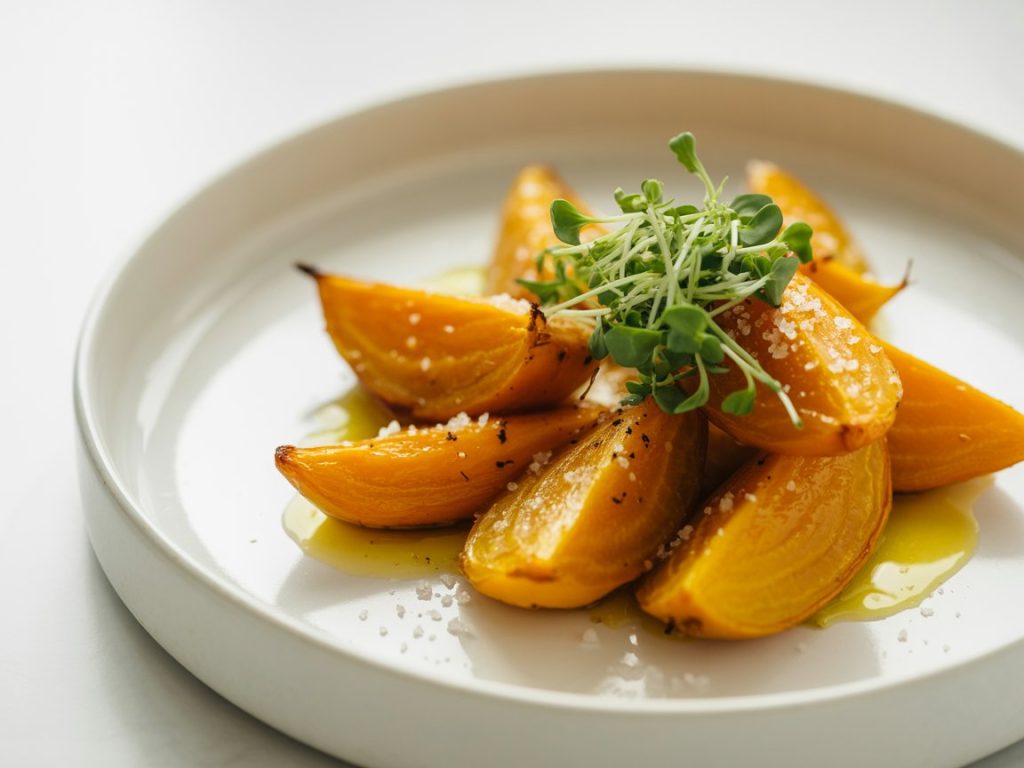

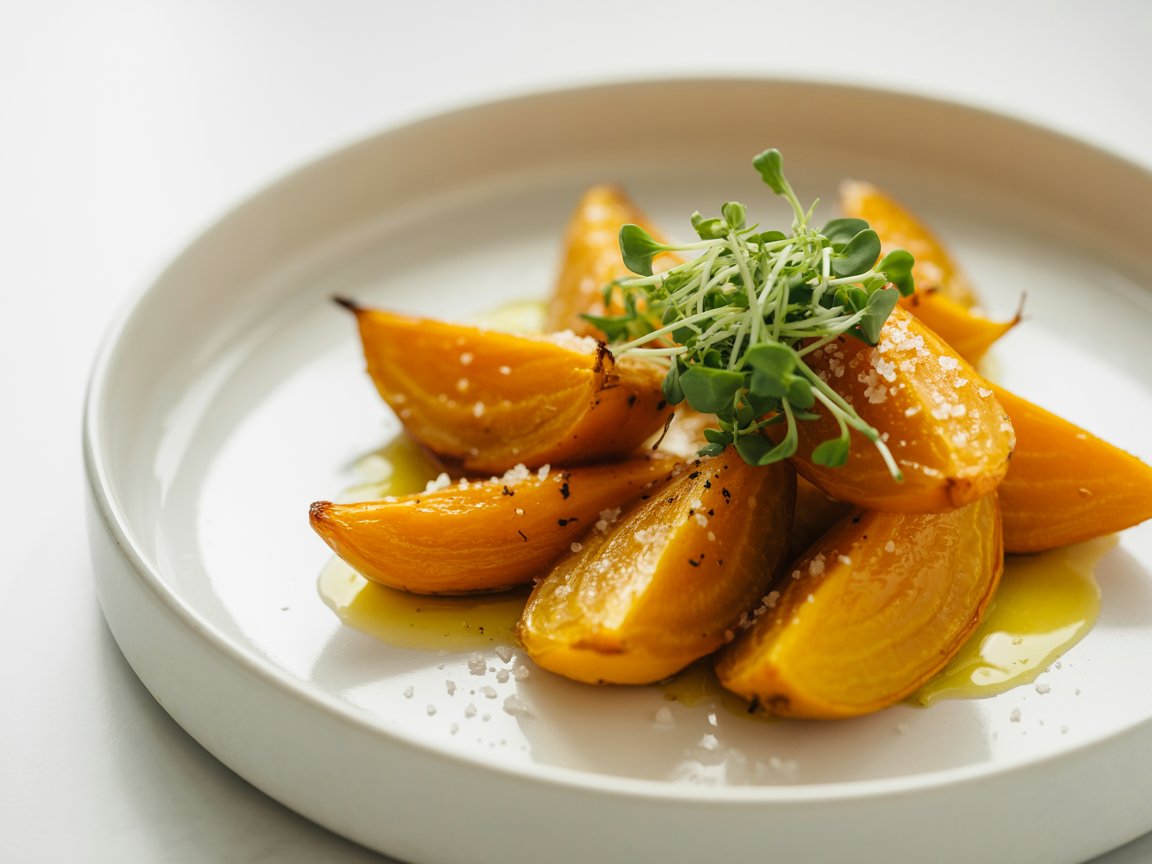
Beneath their sun-kissed, amber-hued skin lies a root vegetable brimming with surprising depth and sweetness. Roasted golden beets, frequently enough overshadowed by their crimson counterparts, harbor a delicate, caramelized flavor that transforms any dish from ordinary to remarkable. Unlocking this culinary magic is more than just a cooking method-it’s an invitation to explore the vibrant nuances and earthy elegance that roasting breathes into these golden gems. Join us as we delve into the art and science behind roasting golden beets, revealing how this simple technique can elevate their natural essence and inspire a new appreciation for this underrated root.
Unlocking flavor is at the heart of every culinary adventure, and few ingredients embody this truth better than roasted golden beets. Their natural sweetness and earthy undertones transform beautifully with gentle heat,making them a stellar addition to a range of dishes-from vibrant salads to hearty mains.The Science Behind Roasting Golden Beets reveals how precise heat unlocks their sugars and softens their flesh, crafting a texture bursting with both nuance and depth. Whether you’re a seasoned food stylist or a curious home cook, mastering the art of roasting golden beets will elevate your kitchen creativity and bring vivid color to your plate.
Prep and Cook Time
- Readiness: 10 minutes
- Roasting: 45-60 minutes
Yield
- Serves 4 as a side dish
Difficulty Level
- Easy
Ingredients
- 4 medium golden beets, washed and trimmed
- 2 tablespoons olive oil
- 1 teaspoon kosher salt
- ½ teaspoon freshly ground black pepper
- 2 sprigs fresh thyme (optional for aroma)
- 1 tablespoon balsamic vinegar (optional, to finish)
The Science Behind Roasting golden Beets and How It Enhances Their Natural Sweetness
Golden beets owe their vivid hue and delicate flavor to their high sugar content and unique pigment compounds called betalains. When subjected to roasting, the beet’s natural sugars undergo the Maillard reaction-a chemical transformation that deepens sweetness and adds a subtle caramelized edge.Roasting also dehydrates the exterior slightly, concentrating flavors, while heat breaks down the beet’s fibrous cell walls, resulting in a tender yet firm texture.This balance of chemistry and technique is why roasted golden beets taste infinitely richer and more complex compared to boiled or raw alternatives.
Selecting the Best golden Beets for Optimal Flavor and Texture
When shopping for golden beets, seek those that are smooth-skinned, firm, and moderately sized-ideally between 2 to 3 inches in diameter. smaller beets tend to be sweeter and more tender, while very large ones may have a coarser texture. The greens attached are a bonus; they should look fresh and vibrant, allowing you to cook the beet tops as well. Choosing beets without blemishes or deep cracks ensures even roasting, preserving that natural sweetness you want to unlock.
Step-by-Step Guide to Perfectly Roasting Golden Beets Every Time
- Preheat your oven to 400°F (200°C). This temperature is perfect to gently caramelize without drying out the beets.
- Trim the beet greens, leaving about 1 inch of stem to prevent bleeding, and scrub the beets thoroughly under running water.
- wrap each beet loosely in aluminum foil or place in a covered roasting pan, coating each with olive oil, salt, and pepper to enhance natural flavors and moisture retention.
- Roast on the middle rack for 45-60 minutes, depending on size. Test doneness by piercing with a sharp skewer or knife; it should slide in easily without resistance.
- Remove from oven and let cool for 10 minutes within the foil-this resting period lets the steam finish softening the roots.
- Rub the skins gently with a paper towel or your fingers; they will slip off effortlessly, revealing lustrous golden flesh.
- Toss the roasted beets with balsamic vinegar and fresh thyme leaves if desired, to spotlight their enhanced sweetness with a hint of acidity and herbal freshness.
Creative Culinary Uses for Roasted Golden Beets to Elevate Your Dishes
roasted golden beets are culinary chameleons. Their vibrant color and rich flavor lift salads-think candied pecans, goat cheese, and arugula tossed with citrus vinaigrette. Puree them into a velvety soup that brightens winter menus or cube and add them to grain bowls for a pop of natural sweetness and texture contrast. For an elevated appetizer, layer thin slices with whipped feta and a drizzle of honey. Their versatility also makes them a perfect vegetarian side-pair with toasted nuts, fresh herbs, or a splash of quality olive oil to impress every plate visually and gastronomically.
Chef’s Tips for Success
- Uniform sizing: Cut beets into equal sizes if roasting unwrapped to ensure even cooking.
- Peeling shortcut: Use kitchen gloves if you want to avoid staining from beet juice.
- Storage: Roasted golden beets keep beautifully refrigerated for up to 5 days-perfect for meal prep or last-minute color boosts.
- Substitution: If golden beets are unavailable, red beets can be roasted using the same method but note the more intense earthy flavor and deeper color.
- Extra flavor: Adding a splash of fresh orange juice during roasting can amplify fruity notes.
serving Suggestions
- Serve roasted beets warm or chilled on a bed of mixed greens with crumbled goat cheese and walnuts.
- blend into creamy hummus for a striking orange twist and subtly sweet flavor.
- Garnish with microgreens, toasted pumpkin seeds, and a drizzle of aged balsamic glaze for an elegant presentation.
- Incorporate into roasted vegetable medleys with carrots,parsnips,and sweet potatoes for holiday tables.
| Nutrient | Amount per Serving |
|---|---|
| Calories | 70 kcal |
| Protein | 2 g |
| Carbohydrates | 16 g |
| Fat | 5 g |
Master the Art of Vegetable Roasting for more tips on boosting flavor through heat.For scientific insights, visit ScienceDirect’s Roasting Overview.
Q&A
Q&A: Unlocking Flavor – The Magic of Roasted Golden Beets
Q1: What makes golden beets different from the more common red variety?
A1: Golden beets are like the sunny, mellow sibling of the red beet family. Their color is a vibrant, warm yellow-almost like liquid sunshine captured in a root. Unlike red beets, which have an earthy, sometimes robust flavor, golden beets tend to be sweeter and milder with a subtle nuttiness. This makes them incredibly versatile and approachable, especially for those hesitant to try beets.
Q2: Why roast golden beets rather of eating them raw or boiling them?
A2: Roasting is the key to unlocking the magic of golden beets. When you roast them, their natural sugars caramelize, creating a gorgeously sweet, almost honeyed flavor profile that boiling can’t achieve. Unlike boiling, which can leach out nutrients and dull flavor, roasting intensifies the beet’s essence and preserves its vibrant color and texture-soft yet slightly firm, with a tender bite.
Q3: How do you prepare golden beets for roasting?
A3: Preparation is delightfully simple. Start by scrubbing the beets thoroughly-no need to peel before roasting,as the skin helps retain moisture and flavor. Trim the greens, save them for another dish, wrap each beet loosely in foil or place on a baking sheet, and roast in a preheated oven at around 400°F (200°C) for 40-60 minutes, depending on size. Onc roasted and cooled slightly, the skins slip off effortlessly with your fingers or a paper towel.
Q4: Can roasting golden beets enhance their nutritional benefits?
A4: Absolutely! Roasting preserves key vitamins like vitamin C, potassium, and antioxidants that could diminish with other cooking methods. Plus,the caramelization process enhances the bioavailability of certain nutrients,making them more digestible and flavorful. It’s a win-win: health and taste in one golden package.
Q5: What are some creative ways to enjoy roasted golden beets?
A5: The possibilities are endless! Toss them into a salad with feta, toasted walnuts, and fresh herbs for a refreshing crunch and burst of color.Puree roasted golden beets into a velvety soup accented with ginger or coconut milk. Or even cube and roast them further with honey and spices, then add to grain bowls or wraps. Their radiant hue turns every dish into a feast for the eyes and palate.
Q6: Any tips for balancing the sweetness of roasted golden beets?
A6: Pairing is key. The natural sweetness of roasted golden beets shines brightest when contrasted with tangy, acidic elements like lemon juice, balsamic vinegar, or a sharp goat cheese. Herbs such as thyme, rosemary, or mint add aromatic depth, while a touch of spice-think cracked black pepper or smoked paprika-can add a surprising kick. These contrasts create a symphony of flavors that keep each bite intriguing.
Q7: How can I store roasted golden beets to maintain their magic?
A7: Once roasted and peeled, place golden beets in an airtight container and refrigerate. They keep beautifully for up to 5 days. You can enjoy them cold in salads or gently reheat as a side dish. For longer preservation, roasted beets can be frozen, though the texture may soften slightly after thawing.
Q8: What’s the “magical” secret that roasting golden beets brings to the culinary table?
A8: The magic lies in the transformation-roots that start earthy and humble emerge from the oven with intensified sweetness, warmth, and a buttery texture that feels indulgent yet wholesome. Roasting golden beets reveals their soul, turning a simple vegetable into a culinary treasure that dazzles both the eye and the palate. It’s nature’s alchemy, brought to life by the heat of your oven.
final Thoughts
as the earthy sweetness of roasted golden beets dances on your palate, it’s clear that these vibrant roots hold more than just color-they unlock a world of flavor waiting to be discovered.From humble soil to your plate,the roasting process transforms their natural sugars into a caramelized symphony,inviting both novice cooks and seasoned food lovers to experiment and savor. So next time you seek a dish that’s as visually stunning as it is tasty, remember the golden beet: a golden ticket to unlocking the magic of flavor in your kitchen.