
there’s a certain magic in a bowl of risotto – a creamy symphony of tender grains, bursting with flavor, that captures the very essence of Italian comfort and craftsmanship. Far from a simple side dish, risotto is a culinary revelation, a delicate dance of patience, technique, and quality ingredients that transforms humble rice into a luxurious experience.
In this article, we’ll peel back the layers of this beloved Italian classic, exploring its rich history, secret methods, and versatile variations, inviting you to master the art of crafting risotto that’s nothing short of perfection.
Whether you’re a curious kitchen novice or a seasoned foodie,join us on this flavorful journey to uncover the heart and soul behind Italy’s creamy masterpiece.
Choosing the Perfect Rice for Silky Texture and Rich Flavor
Risotto Revelations start with selecting the right rice variety, an essential foundation for achieving that iconic creamy texture and deep flavor. Arborio, Carnaroli, and Vialone nano are the culinary triumvirate of traditional risotto rice, prized for their high starch content and ability to absorb liquids without losing their al dente bite.
Among thes, Carnaroli is often called the “king of rice” for risotto. It offers a perfect balance-creamy yet firm, resulting in a luxurious mouthfeel. While Arborio is more widely available and budget-amiable, it tends to become softer faster, so keep a watchful eye. Vialone Nano, with its smaller grains, cooks quicker and is ideal for risottos with delicate ingredients.
Irrespective of choice, remember that rinsing yoru rice washes away precious starches that create creaminess, so avoid pre-washing unless you want a less creamy finish. This attention to rice sets the stage for a risotto that truly honors its Italian heritage.
Mastering the Art of Toasting and Deglazing to build Depth
Toasting the rice, or tostatura, is an essential step that develops the nutty undertones which enrich every forkful of your risotto. Begin in a heavy-bottomed pan with a splash of extra virgin olive oil or a knob of butter. Stir the rice gently over medium heat until each grain becomes translucent at the edges and emits a subtle pop of aroma-usually about 2-3 minutes.
Next comes deglazing with a generous splash of dry white wine, which lifts those toasted notes off the pan. Allow it to reduce almost entirely, marrying the sharp acidity with the nutty rice base. This step is a flavor crescendo that is often mistaken for optional but truly elevates your dish to authentic Italian standards.
The Secret to Creaminess Without cream: Timing Your Liquid additions
One of the celebrated secrets of risotto is its inherent creaminess, achieved without the use of heavy cream. This magic happens thru gently coaxing out the starch from rice by careful, incremental additions of warm stock. Ladle by ladle, patience is key.
Begin with adding hot chicken, vegetable, or seafood stock just enough to cover the rice, allowing it to absorb fully before continuing (typically 18-20 minutes total cooking time). Stir constantly but lovingly-this coaxing encourages the release of starch, yielding that luscious, velvety consistency.
Don’t rush by dumping all the liquid at onc; this dilutes flavor and ruins the texture. Rather,integrate liquids gradually to maintain control,ensuring a glossy,silk-like finish that clings perfectly to every grain.
Finishing Touches and Serving Suggestions to Elevate your Risotto Experience
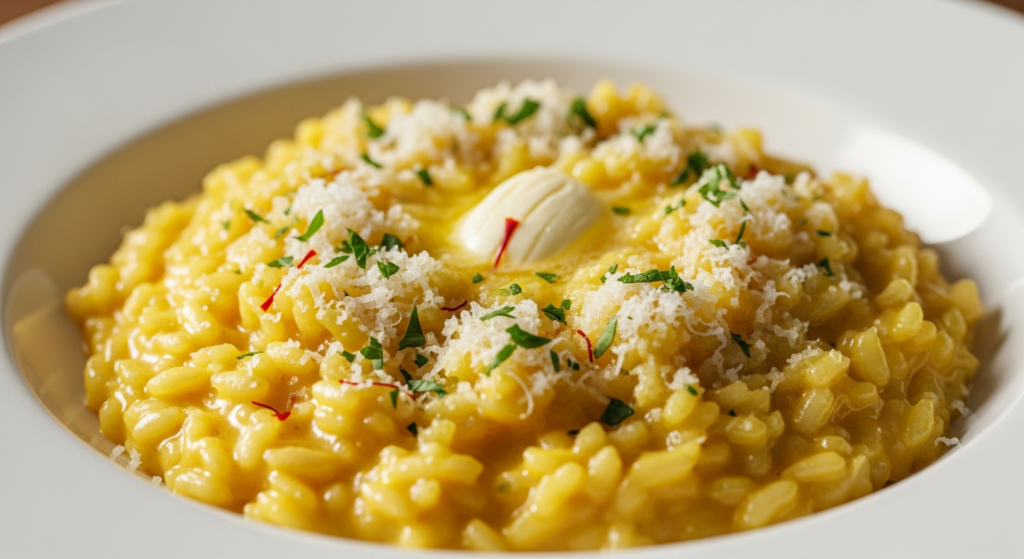
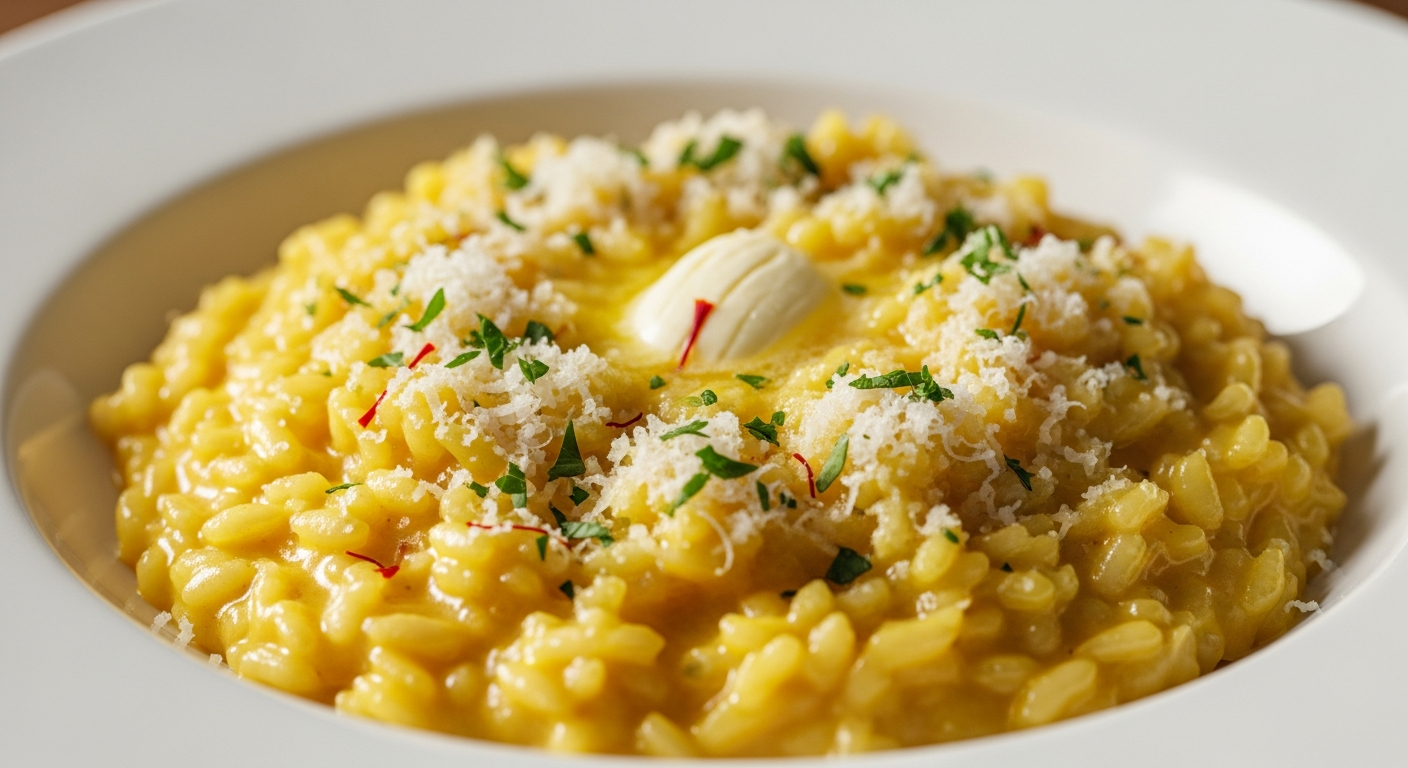
The final flourish turns a delightful risotto into a masterpiece.When the rice reaches al dente perfection and the texture is creamy without being soupy, remove from heat and gently fold in a generous knob of cold butter and freshly grated Parmesan cheese-this technique, called mantecatura, enriches the dish’s texture and flavor balance.
From there, let your creativity shine. Garnish with finely chopped fresh herbs like parsley, chives, or saffron strands for color and aroma. Thin slices of sautéed wild mushrooms, crisp pancetta, or a drizzle of infused olive oil add dimension. Serve immediately on warmed plates to preserve temperature and creaminess.
Pair your risotto with a glass of crisp Italian white wine, such as Soave, to complement the rich flavors without overpowering the dish. This harmony of textures, tastes, and presentation ensures a dining experience worthy of the most refined trattorias.
prep and Cook Time
- Prep Time: 10 minutes
- cook Time: 25 minutes
- Total Time: 35 minutes
Yield
- Serves 4 generous portions
Difficulty Level
- Medium – requires attentive stirring and timing,but perfect for home cooks willing to embrace the process
ingredients
- 1 ½ cups Carnaroli rice (or Arborio if unavailable)
- 4 cups warm chicken or vegetable stock,kept simmering
- 1 small onion,finely chopped
- 2 tablespoons extra virgin olive oil
- 2 tablespoons unsalted butter,divided
- ½ cup dry white wine
- ½ cup freshly grated Parmesan cheese
- Salt and freshly ground black pepper,to taste
- Fresh parsley or chives,chopped,for garnish
Instructions
- Heat olive oil and 1 tablespoon butter in a large heavy-bottomed skillet over medium heat. Add the chopped onion and sauté until soft and translucent, about 5 minutes.
- add the rice and stir constantly until each grain is coated and edges become translucent, about 3 minutes. This toasting step deepens flavor.
- Pour in the white wine, stirring constantly until it evaporates, about 2-3 minutes.
- Begin adding the warm stock, one ladle at a time, stirring gently but often. Wait until each addition is fully absorbed before adding the next.
- Continue this process for 18-20 minutes, until the rice is creamy but still has a slight bite in the center (al dente). Season with salt and pepper.
- Remove from heat and immediately stir in the remaining butter and all the Parmesan cheese to create a velvety finish.
- Let the risotto rest uncovered for 1 minute; it will thicken slightly.
- Serve hot, garnished with fresh herbs and extra Parmesan on the side.
chef’s Notes & Tips for Success
- Stock temperature: Always use warm stock to keep the cooking temperature steady and prevent the rice from shocking or cooking unevenly.
- Stirring: Stir frequently but don’t agitate aggressively-this helps release starch without breaking grains.
- Wine choice: Use a dry,crisp white wine to add a subtle acidity that balances richness.
- Vegan variation: Swap butter with olive oil and Parmesan with nutritional yeast or vegan cheese alternatives for a dairy-free delight.
- Make-ahead: Risotto is best served fresh,but if necessary,cool quickly,store airtight,and gently reheat with a splash of warm stock.
Serving Suggestions
Present your risotto in shallow bowls to showcase the creamy texture. Top with a sprinkle of microgreens or edible flowers for elegance. Serve alongside crisp green salads or a light roasted vegetable medley to complement the dish’s richness. For an indulgent touch,finish with a drizzle of white truffle oil or crispy pancetta bits.
| nutrient | Per Serving |
|---|---|
| Calories | 350 kcal |
| Protein | 9 g |
| Carbohydrates | 56 g |
| Fat | 9 g |

Discover more Italian classics like Perfect Pasta Sauce to complement your culinary journey.
Q&A
Q&A: Risotto Revelations – Crafting Italy’s Creamy Classic Dish
Q: What exactly is risotto, and why is it so beloved in Italian cuisine?
A: Risotto is Italy’s creamy, comforting love letter to rice. It’s a dish were starchy, short-grain rice-like Arborio or Carnaroli-is cooked slowly in broth, coaxing out a luscious, velvety texture. Its versatility and soul-soothing richness have made it a staple from the rolling hills of Piedmont to bustling Milanese kitchens, embodying both simplicity and sophistication.
Q: What makes risotto different from other rice dishes?
A: Unlike fluffy, separate grains in pilaf or paella, risotto is all about that signature creamy consistency. The secret lies in the technique: stirring continuously while gradually ladling in warm broth encourages the rice to release its natural starches, binding the dish into one irresistible, silky mass. It’s a slow dance between patience and precision that rewards you with each spoonful.
Q: Which ingredients form the foundation of a classic risotto?
A: Every risotto starts with a humble trinity: finely minced onion or shallot gently sautéed in butter and olive oil, short-grain rice toasted to a glossy translucence, and a steady stream of flavorful broth-traditionally homemade chicken, vegetable, or fish stock.A splash of dry white wine adds brightness, and finishing touches like Parmesan cheese and a knob of butter bring a silken sheen and depth.
Q: Are there regional variations of risotto within Italy?
A: Absolutely! Risotto wears many hats across Italy. In Milan, risotto alla Milanese dazzles with saffron’s golden glow; in Venice, you might find delicate seafood risottos brimming with fresh-caught treasures. The north favors earthier mushroom versions, while coastal regions embrace lemon, herbs, and shellfish. Each variation tells a local story, inviting you to savor Italy’s rich culinary tapestry.
Q: How can home cooks perfect their risotto? Any insider tips?
A: The key is patience and attentiveness. Use a heavy-bottomed pan to evenly distribute heat, keep your broth warm to maintain cooking momentum, and stir often-but not frantically-to encourage the rice’s creamy release without bruising the grains. Taste as you go; risotto’s texture shoudl be tender yet still slightly toothsome, with just enough bite to remind you it’s a rice dish, not a porridge.
Q: Can risotto be made ahead of time or reheated without losing its charm?
A: risotto is at its best fresh and just off the stove,when luxuriously creamy. Reheating is tricky-rice tends to stiffen, and creaminess can dissipate. If you must, gently warm it with a splash of broth or water on low heat, stirring to revive the texture. For make-ahead meals, consider undercooking slightly and finishing just before serving.
Q: What variations or creative twists can be explored beyond the classic recipe?
A: The canvas of risotto is vast: swap broth flavors, introduce seasonal vegetables, or infuse with herbs and spices. Try pumpkin and sage for autumn warmth, beetroot for vibrant color, or blue cheese and walnuts for an elegant bite. For a luxe touch, fold in truffle oil or finish with fresh seafood. The true joy of risotto lies in its adaptability-each addition a revelation.Embark on your risotto journey with open senses and steady hands, and you’ll uncover Italy’s creamy classic in all its flavorful glory. Buon appetito!
To Conclude
As the final grains of Arborio settle onto your plate, the journey through risotto’s rich heritage and creamy alchemy comes full circle. This classic Italian dish, with its delicate balance of texture and flavor, invites both patience and passion-reminding us that true culinary magic lies in the slow, deliberate dance between technique and ingredient.
Whether you choose to honor tradition or infuse your own twists, mastering risotto is more than a recipe; it’s an ongoing revelation of Italy’s enduring love affair with food. So, gather your broth, stir with intention, and let each spoonful tell a story as comforting as the Italian countryside itself.