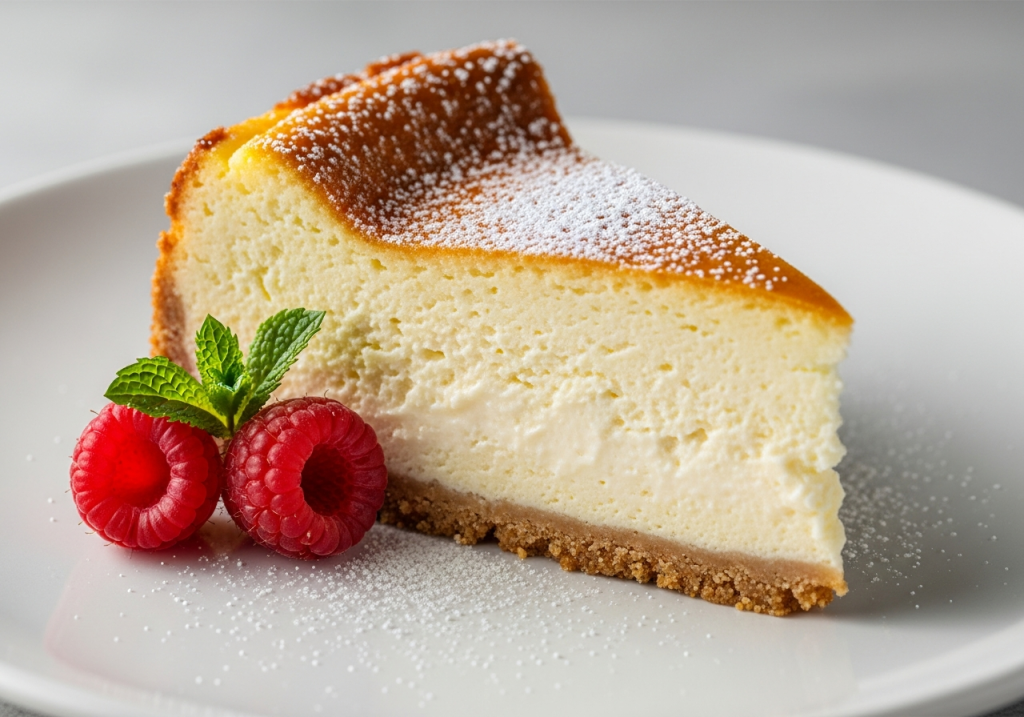

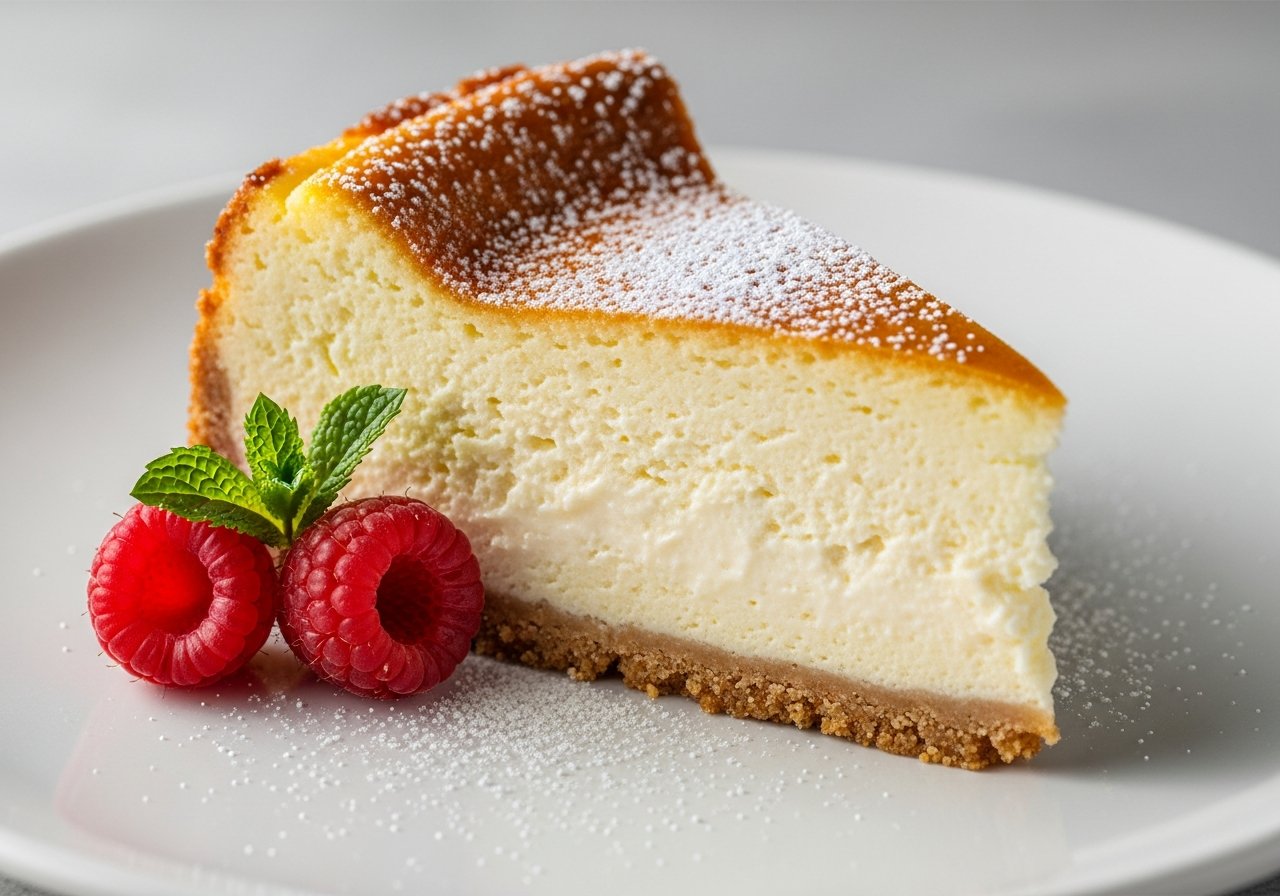
there’s a certain magic in Italian desserts-an artful blend of tradition, flavor, and texture that dazzles the palate and warms the soul. Among these culinary treasures, the ricotta cheesecake stands out as a creamy delight that effortlessly balances richness and lightness. Unlike its dense, American cousin, this Italian classic showcases ricotta cheese’s delicate, slightly tangy profile, creating a dessert that is as elegant as it is comforting. Join us on a flavorful journey to uncover the secrets behind the creamy texture,subtle sweetness,and timeless appeal of Italian ricotta cheesecake-a treat that transforms simple ingredients into a party of authentic Mediterranean flavor.
Discover the creamy delight of Italian ricotta cheesecake by exploring its rich heritage and unique texture that sets it apart from other cheesecakes. This luscious dessert traces its origins back to rustic Italian kitchens, where fresh ricotta cheese was lovingly transformed into a sweet, velvety treat cherished throughout the Mediterranean.
Prep and Cook Time
- Preparation: 20 minutes
- Baking: 60 minutes
- Cooling and Setting: 4 hours (preferably overnight)
Yield
Serves 8 generous slices
Difficulty Level
Medium - ideal for bakers agreeable with delicate textures and slow baking techniques
Selecting the Perfect Ricotta for Creamy Consistency
The secret to achieving the signature silky texture of this dessert lies in choosing the right ricotta. Fresh, whole-milk ricotta with a smooth, creamy body results in a cheesecake that melts effortlessly on the palate. Avoid grainy or dry-packed versions-opt rather for ricotta that feels dense, moist, and slightly springy to the touch.Straining ricotta through cheesecloth for 2 hours can further refine its consistency, eliminating excess whey and enhancing creaminess.
Ingredients
- 2 ½ cups whole-milk ricotta cheese, well-drained
- 1 cup granulated sugar
- 4 large eggs
- 1 cup whole milk
- ½ cup all-purpose flour, sifted
- 2 teaspoons fresh lemon zest
- 1 teaspoon pure vanilla extract
- ¼ teaspoon salt
- Butter, for greasing the pan
- powdered sugar, for dusting (optional)
Step-by-Step Guide to Baking the Ideal Italian Ricotta Cheesecake
- Preheat your oven to 325°F (160°C). Butter a 9-inch springform pan and line the bottom with parchment paper for easy release.
- In a large bowl, combine the ricotta and sugar. Using a hand mixer on medium speed, beat for 3-4 minutes until the mixture is smooth and slightly fluffy.
- Add eggs one at a time, ensuring each egg is fully incorporated before adding the next. This gentle mixing prevents overbeating and keeps the texture creamy.
- Stir in the milk, lemon zest, vanilla extract, and salt. Mix just until combined.
- Gently fold in the sifted flour using a spatula. Avoid overmixing – you wont a batter that flows easily but isn’t heavy.
- Pour the batter into the prepared pan, smoothing the top with a spatula.
- Bake for 55 to 65 minutes. The cheesecake should appear set but slightly wobbly in the center.This ensures a luxuriously creamy interior.
- Turn off the oven, leave the door ajar, and let the cheesecake cool gradually for 30 minutes.This step prevents cracking by easing temperature shock.
- Remove the cheesecake and refrigerate for at least 4 hours, preferably overnight, to develop its full flavor and perfect texture.
Expert Tips for Serving and Pairing Your Ricotta cheesecake
When ready to serve,gently loosen the edges with a butter knife before releasing the springform. Dust with powdered sugar or drizzle with a spoonful of aged balsamic reduction or honey for an elegant finish.
This cheesecake pairs exquisitely with fresh berries-such as blackberries or raspberries-and a light drizzle of lemon-infused syrup to brighten each bite. For beverage pairings, consider a sparkling Moscato d’Asti or a freshly brewed espresso, balancing sweetness and depth.
Chef’s notes
- ricotta Variations: For a lighter version, substitute half the ricotta with mascarpone cream for added silkiness.
- Flavor Twists: Incorporate a tablespoon of orange blossom water or finely chopped candied citrus peel for a unique Mediterranean twist.
- Avoid Graininess: Always strain ricotta to improve texture and reduce moisture that can affect baking.
- Make-Ahead: This cheesecake benefits from resting overnight, so plan ahead for best results.
- Crust Option: Even though traditional ricotta cheesecake is frequently enough crustless, feel free to add a thin almond or biscuit crumb crust for added contrast.
Nutritional Details
| Per Serving | Calories | Protein | Carbs | Fat |
|---|---|---|---|---|
| 1 slice (1/8 total) | 320 | 12g | 28g | 18g |

For further inspiration on Italian desserts, check out our article on Traditional Tiramisu Recipe. To deepen your understanding of ricotta cheese varieties, visit Serious eats: What is Ricotta Cheese?
Q&A
Q&A: Discover the Creamy Delight of Italian Ricotta Cheesecake
Q1: What makes Italian ricotta cheesecake different from the classic New York-style cheesecake?
A: Unlike the dense, tangy New York-style cheesecake made primarily with cream cheese, Italian ricotta cheesecake boasts a lighter, fluffier texture thanks to the use of ricotta cheese. This gives it a delicate creaminess and a mild, subtly sweet flavor that melts gently on the palate. It’s like a tender cloud of sweetness with a rustic Italian charm.
Q2: Where does ricotta cheese come from, and why is it ideal for cheesecake?
A: Ricotta, meaning “recooked” in Italian, is traditionally made from the whey leftover after cheese production. Its fine, grainy texture and moist, creamy nature are perfect for cheesecakes. Ricotta’s freshness adds a lush silkiness without the heavy richness, making the dessert feel light yet indulgent.
Q3: Can you describe the traditional ingredients of an Italian ricotta cheesecake?
A: Absolutely! The foundation includes fresh ricotta cheese, eggs for binding and structure, sugar to add sweetness, and usually a hint of lemon zest or vanilla to brighten the flavors. Some recipes feature a simple biscuit or pastry crust, but many embrace a crustless style to highlight the cheesecake’s creamy heart.
Q4: How is ricotta cheesecake typically served in Italy?
A: In Italy, ricotta cheesecake is ofen enjoyed as a festive dessert, especially during holidays like Easter. It’s served chilled, sometimes dusted with powdered sugar or topped with fresh fruit such as berries or candied citrus peel. A drizzle of honey or a spoonful of fruit preserves can add a lovely contrast to its smooth texture.
Q5: Is Italian ricotta cheesecake tough to make at home?
A: Not at all! With simple ingredients and clear steps, even beginner bakers can craft a creamy masterpiece.The key is to use fresh, high-quality ricotta and to gently fold the ingredients to preserve the lightness. Patience while baking ensures the cheesecake sets perfectly without cracking.
Q6: What flavor variations can be explored with ricotta cheesecake?
A: The beauty of ricotta cheesecake lies in its versatility. You can infuse it with citrus zest (lemon, orange), stir in chocolate chips or dried fruits, or add a swirl of ricotta with espresso for a mocha twist. The subtle profile of ricotta effortlessly complements a wide array of flavors.
Q7: Why should someone try an Italian ricotta cheesecake?
A: If you crave a dessert that’s creamy yet delicate, subtly sweet but utterly satisfying, Italian ricotta cheesecake is a revelation. It’s a harmonious blend of rustic tradition and elegant simplicity-a slice of Italian sunshine that invites you to slow down and savor every luscious bite. Perfect for celebrating life’s sweetest moments.
To Conclude
As you close the chapter on the luscious world of Italian ricotta cheesecake, you carry with you more than just a recipe-you embrace a tradition steeped in creamy elegance and rich heritage. This dessert, with its delicate texture and subtle sweetness, invites you to experience a slice of Italy’s culinary artistry in every bite. Whether you’re savoring it at a festive gathering or indulging in a quiet moment alone, ricotta cheesecake remains a timeless delight that captures the heart and palate alike. So next time you crave something truly special, let this creamy masterpiece be your guide to a taste of la dolce vita.