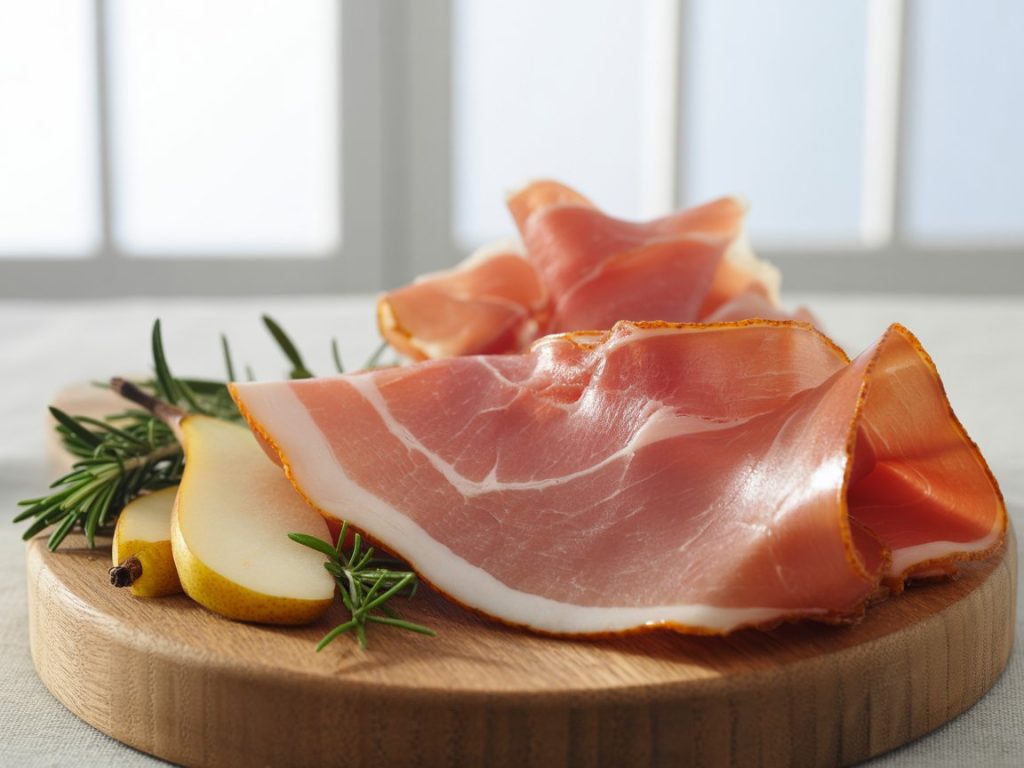

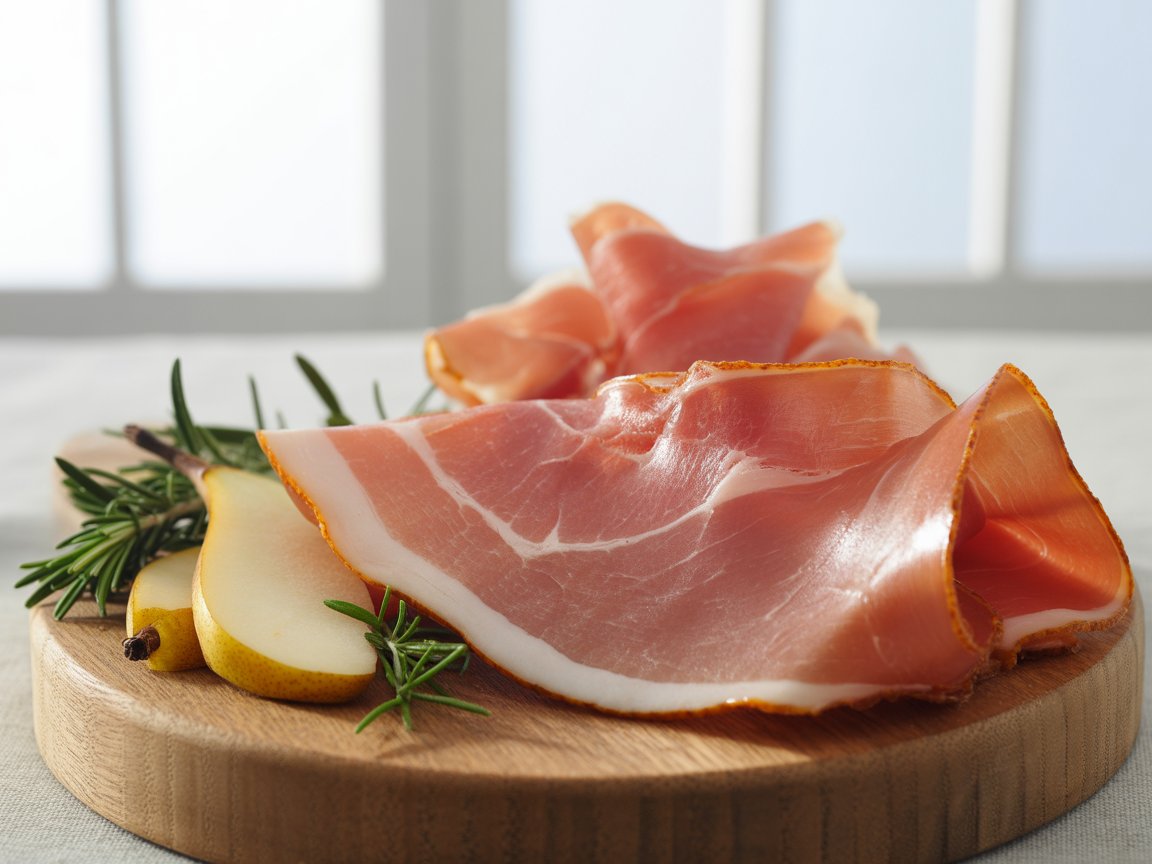
In the heart of Italy’s rich culinary landscape lies a delicacy that whispers tales of tradition, craft, and delicate flavor-Prosciutto Cotto. Often overshadowed by its more famous cousin, Prosciutto Crudo, this tender, cooked ham holds a cherished place on Italian tables from bustling city trattorias to sun-kissed countryside kitchens. Its subtle smokiness, velvety texture, and nuanced aroma make it a beloved ingredient that effortlessly elevates everyday meals into moments of savory delight. Join us as we unwrap the story behind Prosciutto Cotto, uncovering the secrets of its time-honored production and exploring why this Italian treasure continues to charm palates around the world.
Origins and Craftsmanship Behind Italy’s Beloved Prosciutto Cotto
Prosciutto Cotto is a culinary treasure, celebrated across Italy as the tender, aromatic ham that marries tradition with taste. Rooted deeply in italian heritage, its story begins in carefully chosen pork legs, gently cured, seasoned with a delicate bouquet of spices, and meticulously slow-cooked to perfection. Unlike its raw counterpart, Prosciutto Crudo, this cooked ham offers a velvety texture and subtle sweetness that speak to centuries of artisanal craftsmanship. growing up in Emilia-Romagna, the region famed for this treasure, I recall family gatherings where the slow unveiling of the sliced ham was met with eager delight, its fragrant warmth an invitation to savor each bite.
Flavor Profiles and Culinary Pairings to Elevate Your Dishes
Prosciutto Cotto’s flavor profile is a harmonious blend of savory, slightly sweet, and subtly smoky notes. Its juicy, tender texture complements fresh, light ingredients brilliantly, making it a versatile partner in diverse dishes.Pair it with creamy cheeses like burrata, tangy fresh figs, or the peppery bite of arugula for a balanced tasting experience. For a more indulgent touch, wrap thin slices around grilled asparagus or melt it atop a creamy risotto. The gentle, smoky aroma is also a perfect foil to sweet Italian wines like Lambrusco or sparkling Prosecco, enhancing meal moments both casual and refined.
Selecting and Storing Prosciutto Cotto for Maximum Freshness and Taste
When selecting Prosciutto Cotto, look for slices with a soft pink hue, subtle marbling of fat, and a moist, tender feel without excessive wetness. High-quality Prosciutto Cotto will frequently enough carry a DOP (Denominazione di Origine protetta) label, ensuring authentic Italian origin and traditional methods. Store wrapped tightly in parchment paper and then sealed in an airtight container in the coldest part of your refrigerator. Consume it within 3-4 days of opening to enjoy its peak freshness. For longer storage, freezing is possible but wrapped firmly in frost-proof packaging to preserve moisture and flavor.
Creative Recipes That Showcase the Tender magic of Prosciutto Cotto
Prosciutto cotto & Burrata Bruschetta
This easy appetizer highlights the richness of Prosciutto Cotto against creamy burrata and the crunch of toasted bread, crowned with fresh basil and a drizzle of aged balsamic vinegar.
Prep and Cook Time
- Planning: 15 minutes
- Cook Time: N/A (assembly only)
Yield
Serves 4
Difficulty Level
Easy
Ingredients
- 8 slices of crusty Italian bread, toasted
- 150g Prosciutto Cotto, thinly sliced
- 200g fresh burrata cheese
- 1 cup cherry tomatoes, halved
- 2 tbsp extra virgin olive oil
- 1 tbsp aged balsamic vinegar
- A handful fresh basil leaves, torn
- Sea salt and freshly ground black pepper, to taste
Instructions
- Toast the Italian bread slices until golden and crisp, about 3-4 minutes per side.
- Lay a slice of Prosciutto Cotto on each toast, folding gently to add volume.
- Top with torn pieces of burrata cheese,letting its creamy center soften on contact.
- Scatter halved cherry tomatoes over each bruschetta for brightness and texture.
- Drizzle with extra virgin olive oil and aged balsamic vinegar.
- Garnish with fresh basil leaves, then season lightly with sea salt and black pepper.
- Serve immediately for the perfect balance of warm crust and tender Prosciutto Cotto.
Chef’s Notes & Tips for Success
- Substitute burrata with fresh mozzarella for a lighter option without losing creaminess.
- For a smoky crunch, add a few toasted pine nuts or walnuts on top.
- Use day-old bread if you want extra crunch after toasting.
- make ahead by assembling all components except burrata, adding fresh cheese just before serving.
- If burrata isn’t available, cream cheese mixed with a little mascarpone can mimic the silky texture.
Serving Suggestions
This bruschetta pairs beautifully with a chilled glass of dry white wine or sparkling Prosecco. Garnish with microgreens or edible flowers for a stunning visual contrast. serve as an appetizer at gatherings, or as a light dinner alongside a crisp green salad for effortless elegance.
| Nutrient | Per Serving |
|---|---|
| Calories | 280 kcal |
| Protein | 17 g |
| Carbohydrates | 18 g |
| Fat | 14 g |

discover more on italian cured meats and pairings in our extensive guide to Italian cured meats or deepen your understanding of traditional preparation with the Italian Food Forever’s Prosciutto Cotto overview.
Q&A
Q&A: Prosciutto Cotto – Italy’s Tender Secret Unwrapped
Q1: What exactly is Prosciutto Cotto?
A1: Prosciutto Cotto, often crowned as Italy’s tender secret, is a cooked ham that boasts a delicate texture and a subtly sweet flavor. Unlike its dry-cured cousin, prosciutto Crudo, this ham is slow-cooked to perfection, making it soft, moist, and melt-in-your-mouth delightful. It’s a beloved staple on Italian tables, shining in sandwiches, antipasti, and even gourmet dishes.
Q2: How does Prosciutto Cotto differ from Prosciutto Crudo?
A2: The key difference lies in the preparation. Prosciutto Crudo is dry-cured and aged, often for months, resulting in a firm, savory ham with complex, salty notes. Prosciutto Cotto, conversely, is gently cooked after curing and sometimes lightly smoked, yielding a tender, juicy product with sweeter, milder nuances. Think of Crudo as Italy’s aging masterpiece, and Cotto as its comforting, home-cooked hug.
Q3: Where in Italy is Prosciutto Cotto traditionally made?
A3: While Prosciutto Cotto can be found across Italy,it’s especially celebrated in regions like Lombardy,Emilia-Romagna,and Veneto. Each locale offers its twist, influenced by local pigs, spices, and cooking methods. As a notable example, some varieties embrace subtle herb infusions or a gentle smoke, adding another layer to this tender treasure.
Q4: What makes Prosciutto Cotto so tender and flavorful?
A4: The secret lies in the slow-cooking process. After carefully curing the pork leg with a blend of salt and spices, it’s cooked at low temperatures to preserve moisture and enhance tenderness. This gentle treatment ensures the ham stays juicy and imbued with delicate flavors – a tender secret that Italian artisans guard closely.
Q5: How is Prosciutto Cotto commonly enjoyed in Italian cuisine?
A5: Prosciutto Cotto is wonderfully versatile. Italians slice it thinly for panini or layer it on pizza, fold it into pasta dishes, or enjoy it simply with fresh mozzarella and crusty bread. It’s often the star of antipasti platters, paired with olives, cheeses, and sun-ripened tomatoes. Its mild sweetness makes it a perfect companion for everything from rustic to refined fare.
Q6: Can Prosciutto Cotto be used in cooking beyond traditional Italian dishes?
A6: Absolutely! Its tender texture and subtle flavor make it a fantastic ingredient worldwide. Try it folded into a creamy quiche, wrapped around asparagus, or diced into a savory breakfast scramble. Prosciutto Cotto adds an elegant touch without overpowering other ingredients-a deliciously adaptable secret from Italy’s kitchens.
Q7: Is Prosciutto Cotto a healthy choice?
A7: Moderation is key, as with most cured meats. Prosciutto Cotto tends to be lower in salt compared to Prosciutto Crudo, especially when artfully prepared. It offers protein and rich flavor without excessive fat if you choose high-quality versions. Pair it with fresh vegetables and whole grains to enjoy a balanced, flavorful meal.
Q8: Where can one buy authentic Prosciutto Cotto outside Italy?
A8: High-end Italian delis and specialty food stores frequently enough carry authentic Prosciutto Cotto imported from Italy. Online gourmet retailers also offer carefully sourced varieties. When buying,look for hams labeled with PDO (Protected Designation of Origin) or similar certifications to ensure you’re tasting Italy’s tender secret in its true form.
Q9: How should Prosciutto Cotto be stored and served?
A9: Keep it refrigerated and tightly wrapped to maintain its moisture and delicate aroma. For best flavor, slice it thinly before serving, letting it come to room temperature to unlock its full sweetness and complexity. Enjoy it fresh for that irresistible tenderness that has captured Italy’s heart and palate alike.
Discovering Prosciutto Cotto is like peeling back a layer of Italy’s culinary soul-each bite a whisper of tradition, craft, and unassuming elegance. Whether tucked into a roadside panino or featured on a festive spread, this tender secret continuously enchants and inspires both chefs and food lovers around the world. Buon appetito!
In Retrospect
As we peel back the layers of Prosciutto Cotto, Italy’s tender secret reveals itself not just as a flavorful meat but as a timeless tradition steeped in craftsmanship and care. From humble beginnings in local butcher shops to star roles on global tables, this delicate ham carries whispers of Italian heritage in every bite. whether enjoyed thinly sliced atop fresh bread,folded into savory dishes,or simply savored on its own,Prosciutto Cotto invites us to slow down and appreciate the artistry behind its gentle flavor and velvety texture. In unwrapping this culinary treasure, we discover more than a cured meat-we uncover a slice of Italy’s soul, tenderly preserved and patiently perfected. Buon appetito!