
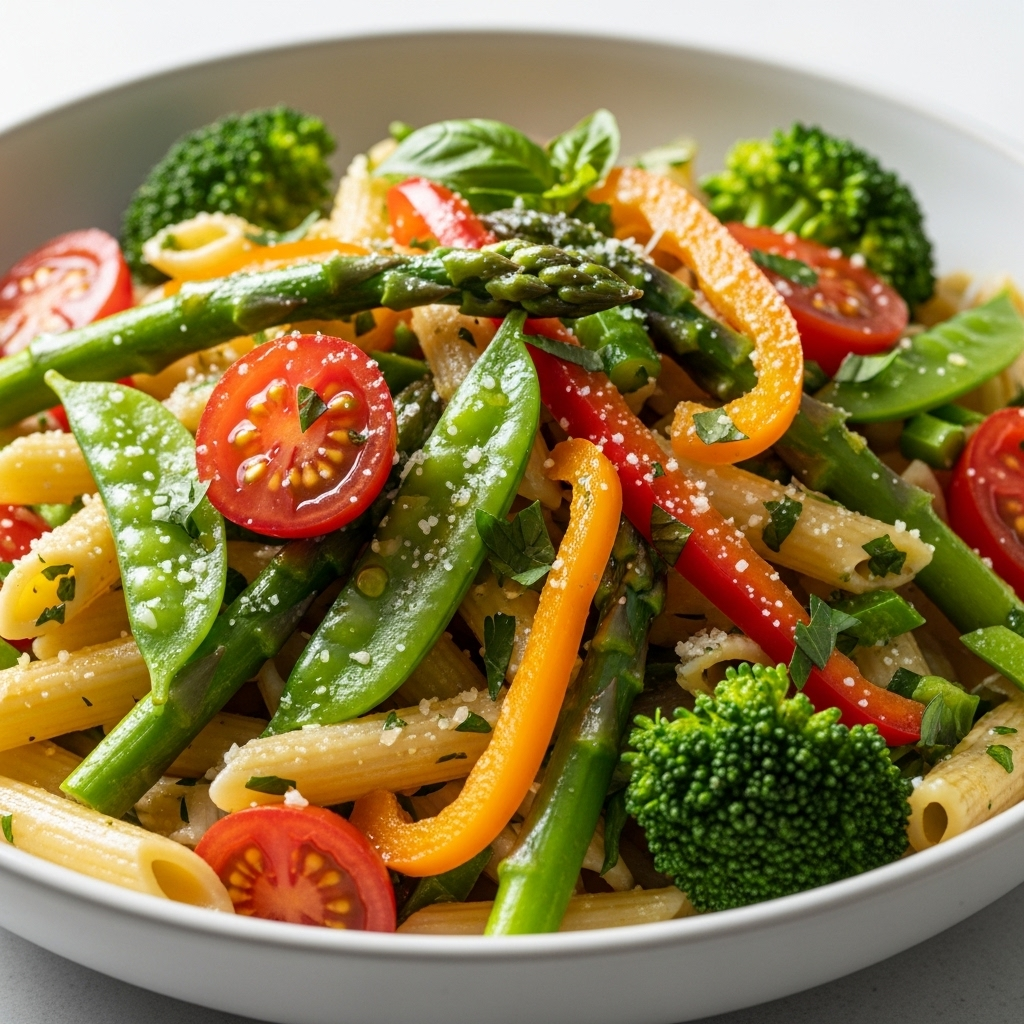
There’s a certain magic in Italian cuisine-a symphony of vibrant flavors, time-honored traditions, and fresh ingredients that dance harmoniously on the palate. among these beloved dishes, pasta holds a special place, celebrated in countless variations across the world.Enter Primavera Pasta: a fresh twist on classic Italian favorites that brings a burst of color, texture, and garden-fresh goodness to every bite. More than just a meal, Primavera Pasta is a party of spring’s bounty, blending crisp vegetables with al dente noodles and fragrant herbs to create a dish as lively and inviting as a sunlit Italian veranda. In this article,we’ll explore how Primavera Pasta reinvents tradition,spotlight its key ingredients,and offer tips to bring this vibrant dish to your table-inviting you to savor the essence of Italy with a refreshing new flair.
Primavera Pasta: A Fresh Twist on Classic italian Favorites
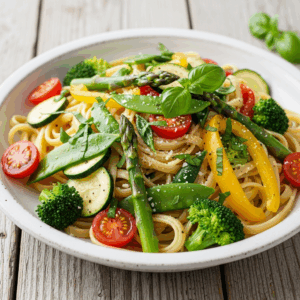
Primavera pasta is a celebration of spring’s bounty, combining fresh, vibrant vegetables with perfectly cooked pasta to create a dish both light and indulgent. Rooted in Italian culinary tradition, this recipe brings the garden to your table in a symphony of colors and textures, embodying the very essence of “primavera” meaning “spring” in Italian. As a long-time culinary content creator and food stylist, I’ve found that mastering the balance between crisp vegetables and complementary sauces is key to elevating this dish, turning it into a memorable experience for every palate.
Prep and Cook Time
- Readiness: 20 minutes
- Cooking: 15 minutes
- Total Time: 35 minutes
Yield
serves 4 generous portions
Difficulty Level
Easy to Medium – approachable for home cooks with basic knife skills
Ingredients
- 12 oz (340g) pasta (fettuccine, penne, or farfalle work beautifully)
- 2 tablespoons extra virgin olive oil
- 3 cloves garlic, minced
- 1 cup cherry tomatoes, halved
- 1 medium zucchini, thinly sliced into half-moons
- 1 cup asparagus tips, trimmed and cut into 1-inch pieces
- 1 yellow bell pepper, julienned
- 1 cup sugar snap peas, trimmed
- 1/2 cup fresh basil leaves, chopped
- 1/4 cup freshly grated Parmesan cheese
- 1/2 cup heavy cream (optional, for creamy sauce)
- Salt and cracked black pepper, to taste
- Red pepper flakes, optional for subtle heat
- Fresh lemon zest, from 1 lemon
Instructions
- Bring a large pot of salted water to a boil. Cook pasta according to package instructions until al dente (~8-10 minutes). Reserve 1 cup of pasta water, then drain and set aside.
- Prepare the vegetables: Heat olive oil in a large skillet over medium heat. Add minced garlic and sauté for 1 minute until fragrant, stirring constantly to avoid burning.
- Add the firmer vegetables first: Toss in asparagus tips, yellow bell pepper, and zucchini. sauté for 4-5 minutes, stirring occasionally until tender but still crisp.
- Incorporate softer vegetables: add cherry tomatoes and sugar snap peas. Cook for 2-3 minutes more, just until tomatoes soften and peas remain bright green.
- Choose your sauce base: For a light olive oil version, add a splash of reserved pasta water and stir gently to create a silky coating. For a creamy sauce,reduce heat,add heavy cream,and simmer gently for 2 minutes until slightly thickened.
- Combine pasta and vegetables: Toss cooked pasta into the skillet with the vegetables and sauce. Add fresh basil, lemon zest, and Parmesan cheese. If the sauce seems dry, gradually add more reserved pasta water until desired consistency is achieved.
- Season to taste: Sprinkle with salt, cracked black pepper, and red pepper flakes if desired. stir thoroughly to integrate flavors.
- Serve promptly: Garnish with additional basil leaves and a light drizzle of extra virgin olive oil for a glossy finish.
tips for Success
- Choose fresh, crisp vegetables: Look for firm zucchinis, vibrant asparagus, and bright bell peppers. Freshness elevates both flavor and texture.
- Cut uniformly: Consistency in size ensures even cooking and a visually stunning plate.
- Don’t overcook: Vegetables should retain their bite – a slight snap and crunch add contrast to the tender pasta.
- Use freshly grated Parmesan: Pre-grated cheese lacks the creamy melting ability that fresh cheese adds.
- Variations: Swap veggies seasonally-summer’s eggplant or fall’s butternut squash can transform the dish.
- Make-ahead: Prepare veggies in advance and sauté when ready to serve to maintain optimal texture.
Serving Suggestions
Serve your primavera pasta on a pristine white plate to showcase the medley of colorful vegetables. garnish with a few torn basil leaves and a light sprinkle of lemon zest to enhance the freshness visually and aromatically. Pair with a crisp Sauvignon Blanc or a light Italian Pinot Grigio to complement the dish’s vibrant notes. Fresh crusty bread or a simple arugula salad dressed in lemon vinaigrette creates a well-rounded meal perfect for spring celebrations or weeknight dinners alike.
| Nutrient | Per Serving |
|---|---|
| Calories | 420 kcal |
| Protein | 15 g |
| Carbohydrates | 58 g |
| Fat | 12 g |

For an in-depth guide on pasta cooking techniques,check out our Perfect Pasta Cooking Guide. To learn more about the nutritional benefits of fresh vegetables, visit the Healthline nutritious eating resource.
Q&A
Q&A: Primavera Pasta – A Fresh Twist on Classic Italian Favorites
Q1: What exactly is Primavera pasta?
A: Primavera Pasta is a vibrant, vegetable-packed Italian dish that combines fresh, crisp seasonal veggies with al dente pasta and a light, flavorful sauce. The word “primavera” means “spring” in Italian,and this dish truly embodies the essence of the season – bright,fresh,and bursting with life.
Q2: How did Primavera Pasta become a beloved classic?
A: While rooted in traditional Italian cooking, primavera Pasta gained popularity in the mid-20th century as chefs began celebrating fresh, local produce. It represents a shift from heavy,meat-centric dishes to lighter fare that highlights the natural flavors and colors of garden-fresh vegetables.
Q3: What vegetables are typically used in Primavera Pasta?
A: The beauty of primavera lies in its adaptability. Common choices include bell peppers, cherry tomatoes, zucchini, asparagus, peas, and broccoli. The key is to use crisp,seasonal vegetables that add both texture and color,creating a feast for the eyes and the palate.
Q4: What kind of pasta pairs best with Primavera?
A: Primavera Pasta works exceptionally well with longer pasta shapes like linguine, fettuccine, or spaghetti, which entwine beautifully with the veggies and sauce. However, short pasta such as penne or farfalle can also be delightful, holding little vegetable morsels in their crevices.
Q5: Is Primavera Pasta always served with a tomato-based sauce?
A: Not necessarily! While some versions include a light marinara or fresh tomato sauce, others feature a simple olive oil and garlic base or a creamy parmesan glaze. The sauce should complement rather than overpower the delicate freshness of the vegetables.
Q6: Can Primavera Pasta be made vegan or gluten-free?
A: Absolutely. By swapping traditional pasta for gluten-free varieties and using plant-based cheese or skipping cheese altogether, primavera can easily suit vegan and gluten-free diets, making this dish wonderfully inclusive.Q7: How can I make Primavera Pasta at home feel special?
A: Use fresh, seasonal veggies and quality olive oil, and don’t overcook your vegetables-they should be crisp-tender to keep that fresh “primavera” spirit. Finish with a sprinkle of fresh herbs like basil or parsley, a squeeze of lemon for brightness, and perhaps a shower of freshly grated parmesan or nutritional yeast.
Q8: Why is Primavera Pasta the perfect dish for spring and summer?
A: Primavera Pasta celebrates the abundance of fresh, colorful produce available in warmer months. It’s light yet satisfying, reflecting the season’s natural bounty and inviting a feeling of renewal and vitality with every bite.
Q9: Can Primavera Pasta be adapted for entertaining or special occasions?
A: definitely! Dress it up with grilled shrimp, roasted chicken, or toasted pine nuts for added texture and protein. Its vibrant presentation and fresh aromas make it an elegant, crowd-pleasing centerpiece for any gathering.
Q10: What makes Primavera Pasta stand out among Italian dishes?
A: Primavera Pasta is a celebration of nature’s freshness and simplicity. Unlike heavier pasta dishes anchored by rich sauces and meats,it shines through in its vibrant colors,crisp textures,and ability to turn humble vegetables into an unforgettable,joyous meal. It’s Italy’s classic favorite with a fresh, modern twist.
The Conclusion
As we savor the vibrant flavors and colorful medley that Primavera Pasta brings to the table, it’s clear that this fresh twist on classic Italian favorites is more than just a dish-it’s a celebration of seasonal bounty and culinary creativity. Whether you’re a seasoned cook or a kitchen novice, embracing Primavera pasta invites you to explore the harmonious dance of crisp vegetables, al dente pasta, and aromatic herbs. So next time you crave the comforting embrace of Italian cuisine,remember that a burst of springtime freshness might just be the secret ingredient that transforms your meal from ordinary to unforgettable. Buon appetito!