
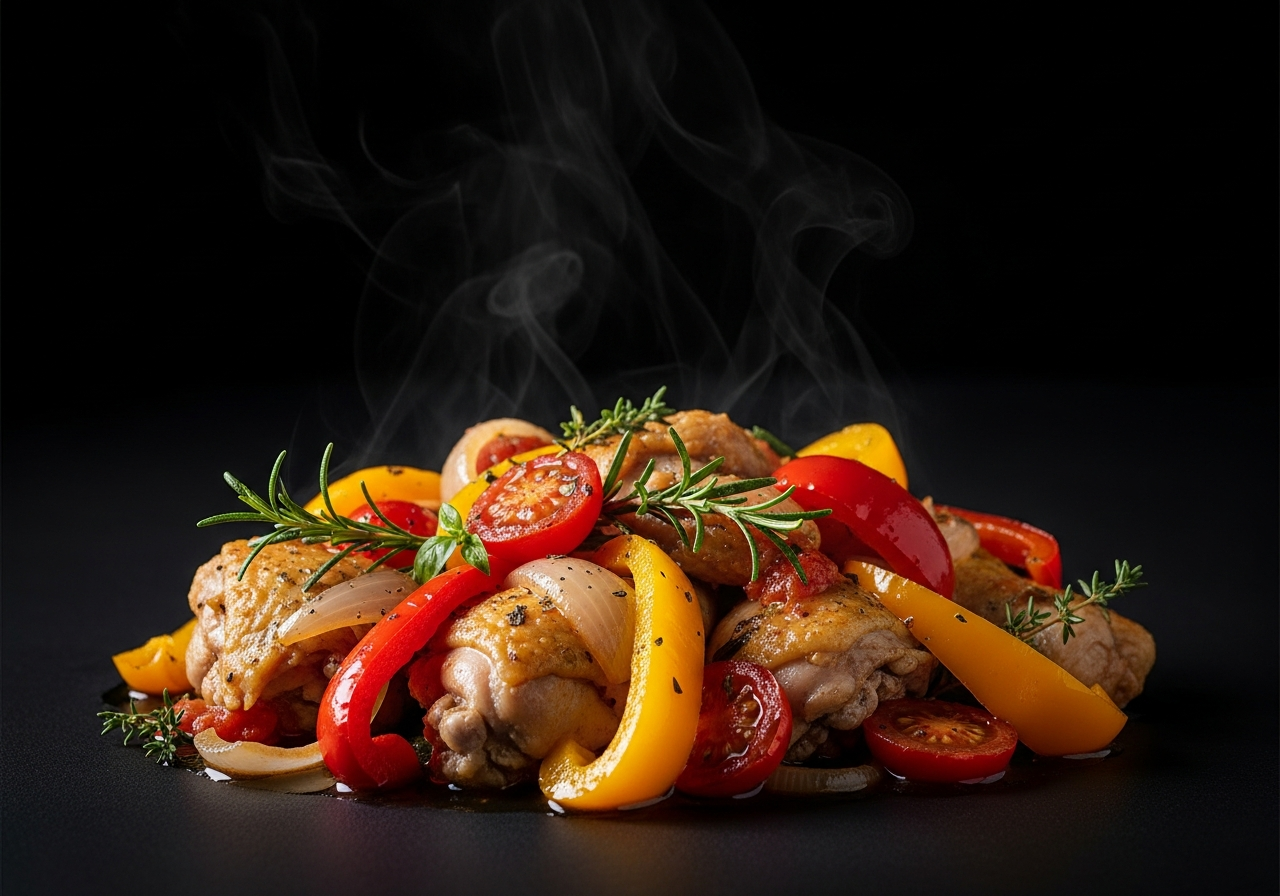
In the heart of Italy’s countryside, where traditions simmer alongside the seasons, Pollo alla Cacciatora emerges as a culinary story told through rustic flavors and time-honored techniques. this beloved hunter’s chicken dish, rich with herbs, tomatoes, and earthy notes, invites us to uncover a chapter of Italian heritage that celebrates simplicity and soul.
“Rustic Flavors Unveiled: The Art of Pollo alla Cacciatora” dives deep into the origins, ingredients, and methods that transform humble staples into a symphony of taste-a true testament to the art of rustic cooking. Join us as we explore the essence behind every tender bite, revealing why this timeless classic continues to capture hearts and tables around the world.
Rustic Flavors Unveiled: The Art of Pollo alla Cacciatora celebrates a timeless Italian classic rooted in the heart of Tuscan countryside traditions. This “hunter’s chicken” dish transforms simple, hearty ingredients into a comforting meal that tells stories of woodlands, family gatherings, and soulful, slow-cooked goodness. Its origins lie in rural Italy,where hunters combined what they caught with fresh herbs,tomatoes,and wine to create a sustaining,robust stew that warms both body and spirit.
Prep and Cook Time
- Readiness: 20 minutes
- Cooking: 60 minutes
- Total Time: 1 hour 20 minutes
Yield
Serves 4 generously
Difficulty Level
Medium – approachable for home cooks comfortable with braising techniques
Key Ingredients That Define Rustic Authenticity
- Chicken thighs (preferably bone-in, skin-on for depth of flavor)
- Extra virgin olive oil - the soul of Italian cooking
- San Marzano tomatoes, whole or crushed for a naturally sweet and vibrant base
- Fresh rosemary and thyme - herbs that evoke the Mediterranean hillsides
- Pitted black olives - adding briny complexity
- garlic cloves, thinly sliced to infuse aroma
- Dry white wine, preferably from Italy (Verdicchio or Pinot Grigio)
- Yellow onion, finely chopped for a mellow sweetness
- Red chili flakes (optional) for gentle warmth
- Capers - an unexpected zing that balances richness
Step-by-Step Technique for Perfecting the Hunter’s Chicken
- Pat dry the chicken thighs to ensure a beautifully crisped skin.Lightly season with salt and pepper.
- Heat extra virgin olive oil in a large heavy-bottomed skillet or Dutch oven over medium-high heat. Add the chicken skin-side down and sauté until golden brown, about 6-8 minutes. Flip and brown the other side for 3-4 minutes. Transfer to a plate and set aside.
- Add chopped onion and garlic to the rendered fat and cook gently until translucent, about 5 minutes, stirring frequently to avoid browning.
- Pour in the dry white wine, scraping bottom to deglaze. Let it reduce by half, intensifying the flavors.
- Stir in the San Marzano tomatoes,breaking them up slightly with a spatula or spoon. Add fresh rosemary, thyme, olives, capers, and red chili flakes if using.
- Return the chicken to the pan, nestling pieces skin-side up. Cover partially and simmer gently on low heat for 45-50 minutes, allowing the flavors to meld and the chicken to become tender.
- Uncover during the last 10 minutes to let the sauce thicken slightly. Check seasoning and add salt and pepper as needed.
- Finish with a drizzle of good-quality extra virgin olive oil and a sprinkle of fresh chopped parsley for brightness.
Tips for success
- Use bone-in chicken thighs for maximum juiciness and depth of flavor; breasts tend to dry out.
- don’t rush browning - a golden crust adds texture and richness to the final dish.
- Simmer gently to avoid drying out; low heat lets flavors penetrate deeply.
- For a twist, add wild mushrooms or bell peppers to the sauce to amplify the rustic feel.
- Make ahead: Pollo alla Cacciatora tastes even better a day later when flavors have melded; reheat gently.
- Pair with rustic bread to soak up the rich sauce or a creamy polenta for a comforting plate.
Serving Suggestions to Elevate the Pollo alla Cacciatora Experience
This dish truly shines when presented with thoughtful accompaniments. Serve atop a bed of creamy polenta, soft risotto, or al dente pappardelle pasta to hug every luscious bite. Garnish with fresh chopped parsley or basil to brighten the rich tomato-herb sauce. A wedge of crusty contry bread is essential for mopping up the bold hunter’s sauce. Complement the meal with a robust Italian red, such as Chianti or Barbera, which cuts through the richness while enhancing the earthy herbs.
| Nutrient | Per Serving |
|---|---|
| Calories | 450 kcal |
| Protein | 35 g |
| Carbohydrates | 10 g |
| Fat | 25 g |

For an in-depth look at conventional Italian recipes emphasizing rustic ingredients,explore our guide on Traditional Italian Countryside Recipes. To dive deeper into the historical background of Italian regional specialties, britannica’s overview on Italian cuisine offers authoritative insights.
Q&A
Q&A: Rustic Flavors Unveiled – The Art of Pollo alla Cacciatora
Q1: What exactly is Pollo alla Cacciatora?
A1: Pollo alla Cacciatora, or “hunter’s chicken,” is a traditional Italian dish that marries tender chicken with a robust, rustic sauce of tomatoes, herbs, and earthy vegetables. Originating from Italy’s countryside, it reflects the hearty meals once favored by hunters returning from the woods – simple, flavorful, and deeply satisfying.
Q2: Why is Pollo alla Cacciatora considered a celebration of rustic flavors?
A2: This dish captures the essence of rural Italian cooking, emphasizing fresh, readily available ingredients like tomatoes, garlic, olives, rosemary, and sometimes mushrooms or bell peppers. The slow simmering melds these elements into a stew that feels both humble and richly indulgent – an ode to the unpretentious,soulful cooking of the countryside.
Q3: What makes the cooking process of Pollo alla Cacciatora an art form?
A3: The magic lies in balance and patience. It’s not just about throwing ingredients together; it’s about layering flavors at the right moments – browning the chicken to seal in juiciness, deglazing the pan to capture caramelized bits, and gently simmering the sauce until it thickens and infuses the meat. Attention to timing and ingredient harmony transforms this dish from a meal into an experience.
Q4: Are there regional variations of Pollo alla Cacciatora?
A4: Absolutely! In Tuscany, you might find it enriched with Chianti wine and mushrooms, while in Southern italy, capers, olives, and spicy chili flakes add a Mediterranean punch. Each region adapts the dish to local produce and traditions, but the core rustic spirit remains unwavering.
Q5: Can home cooks recreate this dish easily?
A5: Yes! While it might seem intricate, Pollo alla Cacciatora is very approachable. With a handful of pantry staples and fresh herbs, any home cook can craft this rustic masterpiece. The key is to respect the slow cooking process and savor each step – the reward is a fragrant, comforting dish that feels like a warm hug from the Italian countryside.
Q6: What would be the perfect accompaniment to Pollo alla Cacciatora?
A6: This dish pairs wonderfully with crusty Italian bread to mop up the luscious sauce, creamy polenta, or rustic roasted potatoes. A simple green salad with a tangy vinaigrette provides a fresh counterpoint, balancing the richness on the plate.
Q7: Why has Pollo alla Cacciatora endured through generations?
A7: Because it’s more than just food – it’s tradition, culture, and a testament to the joy of simple, honest cooking. Its timeless appeal lies in its ability to bring people together around the table, evoking memories of family, warmth, and the unassuming beauty of rustic flavors. In every forkful, you taste a story centuries in the making.
In Conclusion
As the savory aromas of Pollo alla Cacciatora linger in the air, we uncover more than just a recipe-we unveil a culinary tradition woven from centuries of rustic simplicity and robust flavors. This timeless dish, with its tender chicken slow-cooked in a symphony of tomatoes, herbs, and rustic wine, invites us to savor the essence of countryside Italy.Whether enjoyed by a bustling family table or shared among friends, Pollo alla Cacciatora reminds us that true artistry in cooking lies not only in technique but in honoring the soulful stories and time-honored ingredients that bring a dish to life. So next time you carve into this hearty feast, let each bite transport you to rolling hills and sun-drenched vineyards, where rustic flavors of the past continue to inspire the present.