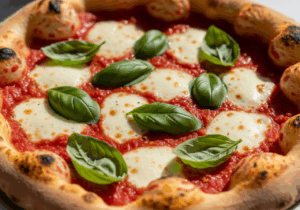

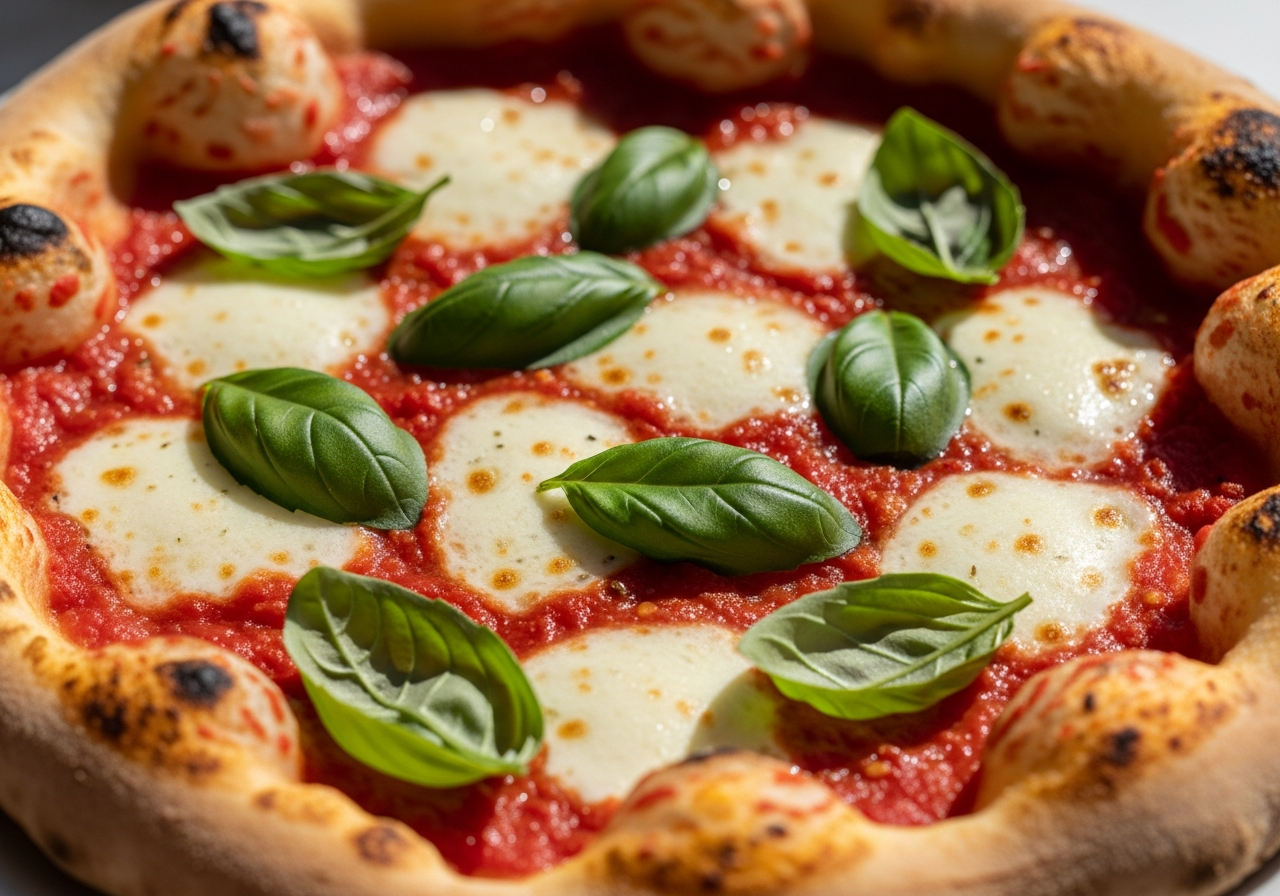
Few dishes capture the essence of a culture as effortlessly as Pizza Margherita captures the heart of Italy. born from humble ingredients-ruby-red tomatoes, creamy mozzarella, vibrant basil, and a golden crust-this iconic pizza is a masterpiece of simplicity and tradition. More than just a beloved comfort food, Pizza Margherita tells a story of history, regional pride, and culinary artistry that has endured for over a century. In this article, we peel back the layers of this timeless classic to explore how it’s straightforward ingredients and rich heritage combine to create a symbol of Italian gastronomy cherished around the world.
Pizza Margherita: A Timeless Classic of Italian simplicity invites you to dive into the heart of Naples with every bite. This iconic dish was born out of simplicity and passion, crafted to celebrate the colors of Italy’s flag through its vibrant tomatoes, fresh mozzarella, and fragrant basil.Whether enjoyed on a sunlit terrace in Italy or in your own kitchen, mastering this recipe connects you to a centuries-old tradition where quality ingredients and technique come first.
Prep and Cook Time
- Prep Time: 30 minutes (plus 1 to 2 hours for dough rising)
- Cook Time: 7-10 minutes
Yield
- Serves 2-3 people
Difficulty Level
- Medium – perfect for adventurous home cooks eager to hone their dough skills
Ingredients
- 2 cups of all-purpose flour, sifted (plus extra for dusting)
- 3/4 cup lukewarm water (around 75°F/24°C)
- 1 tsp fine sea salt
- 1/2 tsp active dry yeast
- 1 tbsp extra virgin olive oil, plus extra for drizzling
- 1 cup San marzano tomatoes, crushed (or the best-quality canned plum tomatoes)
- 6 oz fresh mozzarella di bufala or fior di latte, torn into bite-sized pieces
- Fresh basil leaves (about 10 leaves)
- Sea salt and cracked black pepper, to taste
Instructions
- Prepare the dough: In a small bowl, dissolve the yeast in lukewarm water.Let it bloom for 5 minutes until frothy.
- Mix dry ingredients: In a large mixing bowl, combine flour and sea salt. Make a well in the center and slowly pour in the yeast mixture and olive oil.
- Knead the dough: Using your hands or a stand mixer with a dough hook, knead until a smooth, elastic dough forms-about 8-10 minutes.It should be slightly tacky but not sticky.
- First rise: Shape the dough into a ball, lightly oil the surface, cover with a damp cloth, and let it rise in a warm spot for 1 to 2 hours, or until doubled in size.
- Preheat your oven: Set your oven to 500°F (260°C), ideally with a pizza stone inside to mimic a wood-fired oven’s heat.
- shape the dough: On a floured surface,gently stretch the dough into a thin circle about 10-12 inches in diameter.Avoid using a rolling pin to keep the air bubbles intact for a light crust.
- Build the pizza: Spread the crushed San Marzano tomatoes evenly, leaving a small border for the crust. Tear the fresh mozzarella and scatter it generously over the surface. Season lightly with sea salt and pepper.
- Baking the pizza: Slide the pizza onto the preheated stone or baking tray and bake for 7-10 minutes. Watch for the crust to turn golden and bubbly, and for the cheese to melt perfectly, bubbling and slightly browned in spots.
- Finishing touch: Remove from oven, immediately scatter fresh basil leaves on top, and drizzle with a little extra virgin olive oil.
- Serve hot: Slice with a sharp pizza cutter and enjoy instantly for the full sensory experience.
Tips for Success
- Use the right flour: A high-protein, bread flour creates a crisp yet chewy crust. For extra authenticity, try Italian tipo 00 flour.
- Choosing tomatoes: San Marzano tomatoes are essential; their natural sweetness and vibrant acidity define the foundation of the pizza.
- Mozzarella matters: Buffalo mozzarella adds creaminess and balanced tang but requires draining to avoid sogginess.
- Hydration is key: The water to flour ratio greatly affects the dough’s texture-adjust slightly depending on humidity.
- Oven technique: The higher the heat, the better. Use a pizza stone or steel to replicate the intense heat of a traditional wood-fired oven.
- Make ahead: Dough can be refrigerated overnight to develop deeper flavor complexity. Bring back to room temperature before shaping.
Serving suggestions
- Serve alongside a simple arugula salad with lemon vinaigrette to balance the pizza’s richness.
- A drizzle of aged balsamic glaze can elevate the basil’s freshness and the mozzarella’s creaminess.
- Pair with a crisp Italian white wine like Vermentino or a light-bodied Chianti for authentic delight.
- Garnish extra basil leaves at the table for a fragrant burst with each bite.

| Nutritional Info (per serving) | Calories | Protein | Carbs | Fat |
|---|---|---|---|---|
| Pizza Margherita | 320 kcal | 15 g | 40 g | 10 g |
For an in-depth look at traditional Italian pizza-making techniques, visit Academia Barilla. To explore fresh Italian-flour options for superior dough, check out our article types of Flour for Pizza Dough.
Q&A
Q&A: Pizza Margherita – A Timeless Classic of Italian Simplicity
Q1: What makes Pizza Margherita so iconic in Italian cuisine?
A1: Pizza Margherita embodies the essence of Italian culinary tradition-simple, fresh ingredients harmonizing to create a flawless dish.It’s a celebration of Italy’s colors, tastes, and history, showcasing how minimalism on a dough canvas can deliver maximum flavor.
Q2: Where did Pizza Margherita originate, and why is its story special?
A2: Legend traces Pizza Margherita back to Naples in 1889, where a humble pizza maker crafted this masterpiece to honor Queen Margherita of Savoy.He chose toppings representing the Italian flag-red tomatoes, white mozzarella, and green basil-turning a humble street food into a patriotic symbol.
Q3: What ingredients are essential for an authentic Pizza Margherita?
A3: The magic lies in the simplicity: hand-stretched dough, San Marzano tomatoes, fresh mozzarella di bufala, fragrant basil leaves, a drizzle of extra virgin olive oil, and a pinch of salt. Each element must be of the highest quality to let its natural flavor shine.
Q4: How does Pizza Margherita reflect Italian philosophy beyond food?
A4: This pizza teaches us that beauty and satisfaction don’t require complexity. It mirrors Italian values-thankfulness of craftsmanship, respect for tradition, and an intimate connection to the land’s produce. It’s food that tells a story, nurtures the soul, and honors heritage.
Q5: Can you enjoy Pizza Margherita in different ways, or is it meant to be eaten traditionally?
A5: While the classic readiness sets a gold standard, creative chefs sometimes innovate with nuances like burrata cheese, heirloom tomatoes, or infused olive oils. Yet, the heart of the dish remains the same-a tribute to simplicity and balance that invites enjoyment without distraction.
Q6: Why does Pizza Margherita remain popular worldwide after more than a century?
A6: Its timeless appeal lies in universal flavors that transcend cultures-comforting yet refined.It’s a reminder that sometimes, great food needs no embellishment, just the perfect blend of nature’s gifts and human passion.
Q7: How can one best appreciate Pizza Margherita at home?
A7: Use quality ingredients, honor the dough-making process, and bake in a hot oven to achieve that signature crispy-crackly crust. Share it with friends or family, savoring each bite slowly-it’s not just pizza; it’s a slice of Italian history.
Wrapping Up
as the last bite of a Pizza Margherita melts on your tongue, you’re not just savoring a blend of fresh tomatoes, creamy mozzarella, fragrant basil, and golden crust-you’re tasting a rich slice of italian heritage.This timeless classic, born from simplicity and passion, continues to captivate palates around the world, reminding us that sometimes, the most enduring flavors come from the simplest ingredients. Whether enjoyed in a bustling Neapolitan pizzeria or made lovingly at home, Pizza Margherita remains a delicious testament to the art of uncomplicated perfection. In every bubbling cheese and sun-kissed tomato, the story of Italy’s culinary soul lives on.