
Nestled at the crossroads of rich cultural heritage and culinary innovation, Pittsburgh offers a surprising twist on a beloved coastal classic: cioppino. Traditionally known as a hearty Italian-American seafood stew brimming with flavors from the San Francisco Bay, cioppino has found new life in the Steel citys vibrant kitchens. Here, fresh local ingredients meet time-honored recipes, creating a dish that is both familiar and refreshingly unique. join us as we dive into Pittsburgh’s distinctive interpretation of this iconic seafood delight-where river meets ocean in a bowl, and tradition blends seamlessly with regional flair.
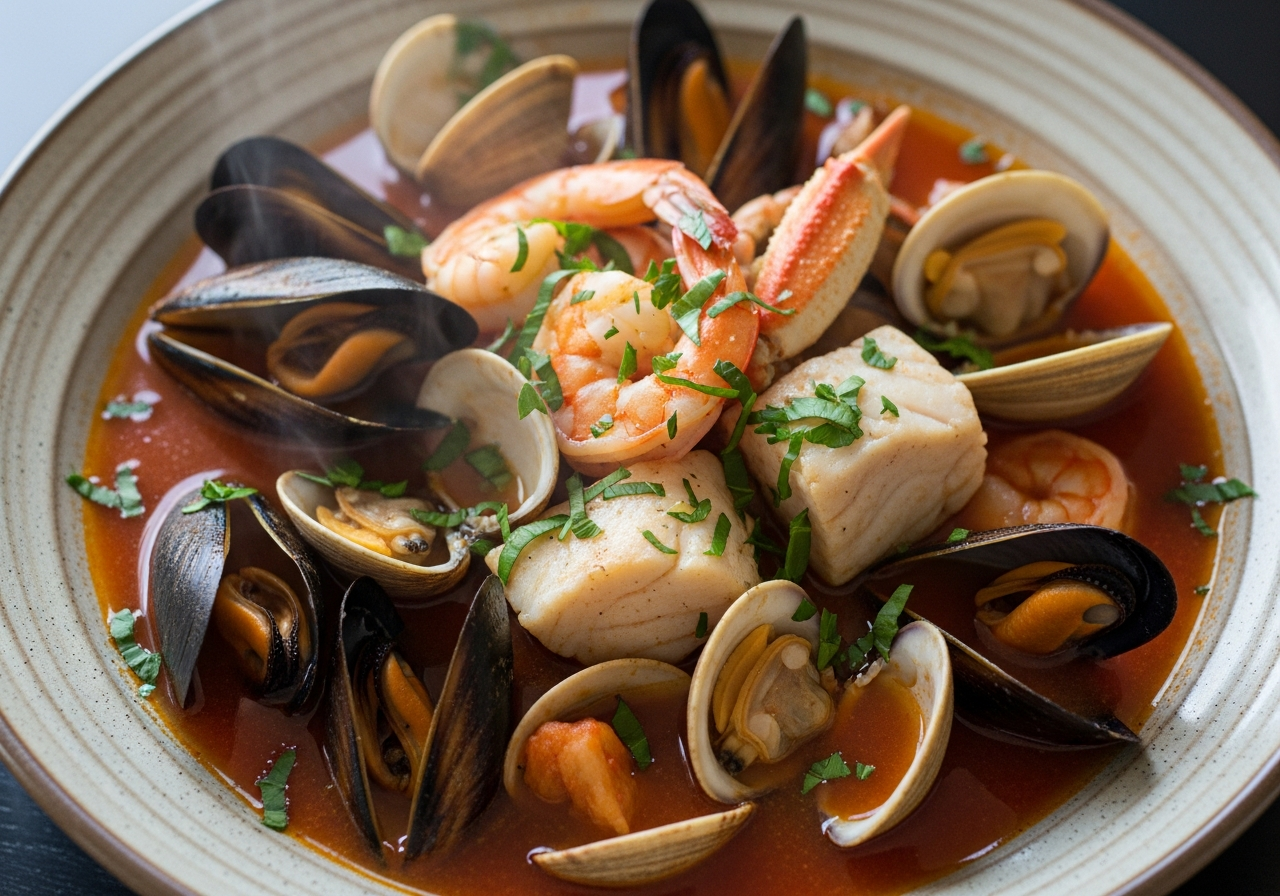
Discover Pittsburgh’s Unique Take on Classic Cioppino Delight brings a rich, vibrant fusion of West Coast Italian seafood stew tradition and Pittsburgh’s beloved local ingredients. This culinary marriage evokes the city’s bold character-robust, hearty, and anchored in fresh, distinctive flavors sourced from nearby rivers and markets. Imagine layers of sweet crab meat, tender Lake Erie perch, and smoky local sausage swimming in a savory tomato broth enriched with Pittsburgh’s own craft beer and a hint of smoked paprika. This is not just any seafood stew; it’s a festivity of Pittsburgh’s vibrant food culture through the lens of classic cioppino.
Prep and Cook Time
- Readiness: 20 minutes
- cooking: 45 minutes
- Total Time: 1 hour 5 minutes
Yield
Serves 6 hearty portions, perfect for family gatherings or a cozy dinner with friends.
Difficulty Level
Medium - ideal for adventurous home cooks familiar with seafood prepping and balancing bold flavors.
Ingredients
- 4 tbsp extra virgin olive oil
- 1 medium yellow onion, finely diced
- 4 cloves garlic, minced
- 2 stalks celery, chopped
- 1 small red bell pepper, diced
- 1 cup craft Pittsburgh amber ale (or preferred local beer)
- 28 oz canned San Marzano tomatoes, crushed by hand
- 2 cups seafood stock (or clam juice)
- 1 tbsp smoked paprika (for that Pittsburgh smoky hint)
- 1/2 tsp crushed red pepper flakes, adjust to taste
- 1 bay leaf
- 1 lb freshwater Lake Erie perch filets, cut into bite-sized pieces
- 1 lb fresh crab meat, preferably from local Pittsburgh waters
- 12 large shrimp, peeled and deveined
- 1/2 lb smoked kielbasa sausage, sliced into rounds
- 1/4 cup fresh parsley, chopped, for garnish
- Salt and freshly ground black pepper to taste
- 1 tbsp fresh lemon juice
Instructions
- Heat the olive oil in a large heavy-bottom pot over medium heat. add the diced onion, celery, and red bell pepper. Sauté until softened and fragrant, about 7 minutes.
- Add the minced garlic, smoked paprika, and crushed red pepper flakes. Stir continuously for 1-2 minutes to toast the spices without burning to release maximum aroma.
- Deglaze the pot with the local Pittsburgh amber ale, scraping the browned bits from the bottom to build deep flavor.
- Pour in the crushed tomatoes, seafood stock, and add the bay leaf. Bring the mixture to a gentle simmer, stirring occasionally. let it cook uncovered for 25 minutes to concentrate flavors and thicken the broth slightly.
- Season the broth with salt, pepper, and a splash of fresh lemon juice to brighten the flavors.
- Add the smoked kielbasa slices first.Simmer for 10 minutes to infuse the stew with smoky richness.
- Gently layer in Lake Erie perch, shrimp, and crab meat. Simmer for 5-7 minutes until the seafood is just cooked through-firm,opaque,and juicy. Avoid overcooking to keep texture pristine.
- Adjust seasoning if needed. Remove the bay leaf. Sprinkle with fresh chopped parsley before serving for a burst of herbal freshness.
Tips for Success: Chef’s Notes
- Seafood Selection: Freshness is key; if Lake Erie perch isn’t available, use locally sourced white fish like trout or walleye. Make sure crab meat is lump and picked clean of shells.
- The Smoked Element: Smoked kielbasa adds that iconic Pittsburgh edge-feel free to substitute with smoked andouille if you prefer a spicier twist.
- Make-Ahead: The broth base can be prepared a day in advance and refrigerated. Add seafood fresh when ready to serve for the best texture.
- Heat Control: Keep the simmer gentle once seafood is added to avoid toughening delicate proteins.
- Alternative broth: If seafood stock is unavailable, a rich chicken broth with a splash of clam juice works beautifully.
Serving suggestions
Serve steaming hot in wide, shallow bowls for an inviting presentation. Accompany with thick slices of grilled sourdough bread or garlic-rubbed ciabatta-perfect for soaking up the luscious broth. Garnish with lemon wedges for guests to squeeze, and a sprinkle of grated Pecorino Romano for a sharp, salty contrast. A crisp Pittsburgh microbrew pairs beautifully, enhancing the stew’s bold layered flavors.

| Nutrient | Per Serving |
|---|---|
| Calories | 365 kcal |
| Protein | 38 g |
| Carbohydrates | 12 g |
| Fat | 14 g |
Where to Experience This Flavored Gem
Seek out neighborhood favorites like Monterey Bay Fish Grotto for luxurious versions, or The Twisted frenchman for innovative twists incorporating Pittsburgh’s local craft beers and smoky sausages. For a classic feel paired with impeccable riverside views, visit the Grand Concourse where robust seafood stews echo the city’s maritime past. Exploring Pittsburgh’s signature ingredients in classic cioppino throughout these venues offers an edible history lesson wrapped in savory warmth.
For further inspiration on blending regional seafood, check out Seafood Nutrition Partnership, an excellent resource about fresh seafood sourcing and health benefits related to cioppino-style dishes.
Hungry for more Pittsburgh culinary inspiration? Explore our article on Local Pittsburgh Seafood Recipes to deepen your journey into the city’s savory depths.
Q&A
Q&A: Discover Pittsburgh’s Unique Take on classic cioppino Delight
Q1: what exactly is cioppino, and where does it originate from?
A1: Cioppino is a hearty, flavorful seafood stew that originated in San Francisco during the late 19th century. It’s a melting pot of Italian-American culinary tradition, featuring a rich tomato and wine broth brimming with fresh seafood like crab, clams, shrimp, and fish. Its name is derived from the Ligurian dialect ”ciuppin,” meaning “small chop,” reflecting the stew’s hearty chopped seafood ingredients.
Q2: How has Pittsburgh put its own unique spin on this classic dish?
A2: Pittsburgh,a city known more for its steel mills than seaside fare,has surprisingly embraced cioppino with a distinctive twist. Local chefs infuse this classic with regional flavors-think adding Ohio River-caught catfish alongside traditional seafood, incorporating a smoky undertone from Pittsburgh’s love of smoked meats, and substituting the usual sourdough bread with city-favorite pierogies for dipping.This fusion pays homage to the city’s industrial roots while celebrating its emerging seafood scene.
Q3: What inspired Pittsburgh chefs to adapt cioppino in such a novel way?
A3: The inspiration springs from Pittsburgh’s cultural crossroads-a blend of Italian immigrant influence and a rich tradition of river fishing. Chefs sought to honour the city’s heritage by melding coastal California roots with local ingredients, creating a dish as robust and dynamic as Pittsburgh itself. This reinvention reflects the city’s broader culinary evolution, championing innovation grounded in community identity.Q4: Are ther any standout ingredients or techniques that set Pittsburgh’s cioppino apart?
A4: Absolutely! Besides introducing freshwater fish like catfish, Pittsburgh’s cioppino frequently enough features a unique broth base brewed with a splash of locally brewed beer to add depth and a subtle maltiness. Some chefs even incorporate smoked paprika or a dash of hot pepper flakes to evoke the city’s bold flavor palate. The technique of slow-simmering the stew allows these complex layers to meld beautifully, resulting in a warm, comforting bowl that’s both familiar and fresh.
Q5: Where can food enthusiasts experience Pittsburgh’s version of cioppino firsthand?
A5: Food lovers can find Pittsburgh-style cioppino in select neighborhood bistros, especially in areas with vibrant Italian-American communities like bloomfield, as well as contemporary eateries downtown that focus on local, seasonal ingredients. Seasonal seafood festivals and riverfront events also spotlight this dish, providing an immersive taste of Pittsburgh’s culinary creativity.
Q6: How does Pittsburgh’s cioppino reflect the city’s broader food culture?
A6: Pittsburgh’s cioppino embodies the city’s spirit of resilience and reinvention. Much like Pittsburgh has transformed from a blue-collar steel town to a hub of innovation and culture, this dish marries tradition with modern flair. It showcases a willingness to blend the old with the new, honoring heritage while pushing boundaries-an ethos that resonates deeply within Pittsburgh’s vibrant and evolving food landscape.
Key Takeaways
As Pittsburgh reimagines the beloved classic cioppino, it invites food lovers to experience a flavorful fusion where tradition meets innovation. This unique take not onyl celebrates the city’s rich culinary heritage but also showcases its vibrant, evolving palate.Whether you’re a seafood enthusiast or a curious diner,Pittsburgh’s cioppino promises a hearty dive into a comforting bowl brimming with local character. So next time you’re craving a taste of the sea with a Steel City twist,be ready to savor a dish that’s as bold and dynamic as Pittsburgh itself-proving once again that great food,like great cities,is always reinventing itself.