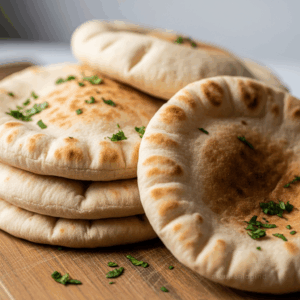

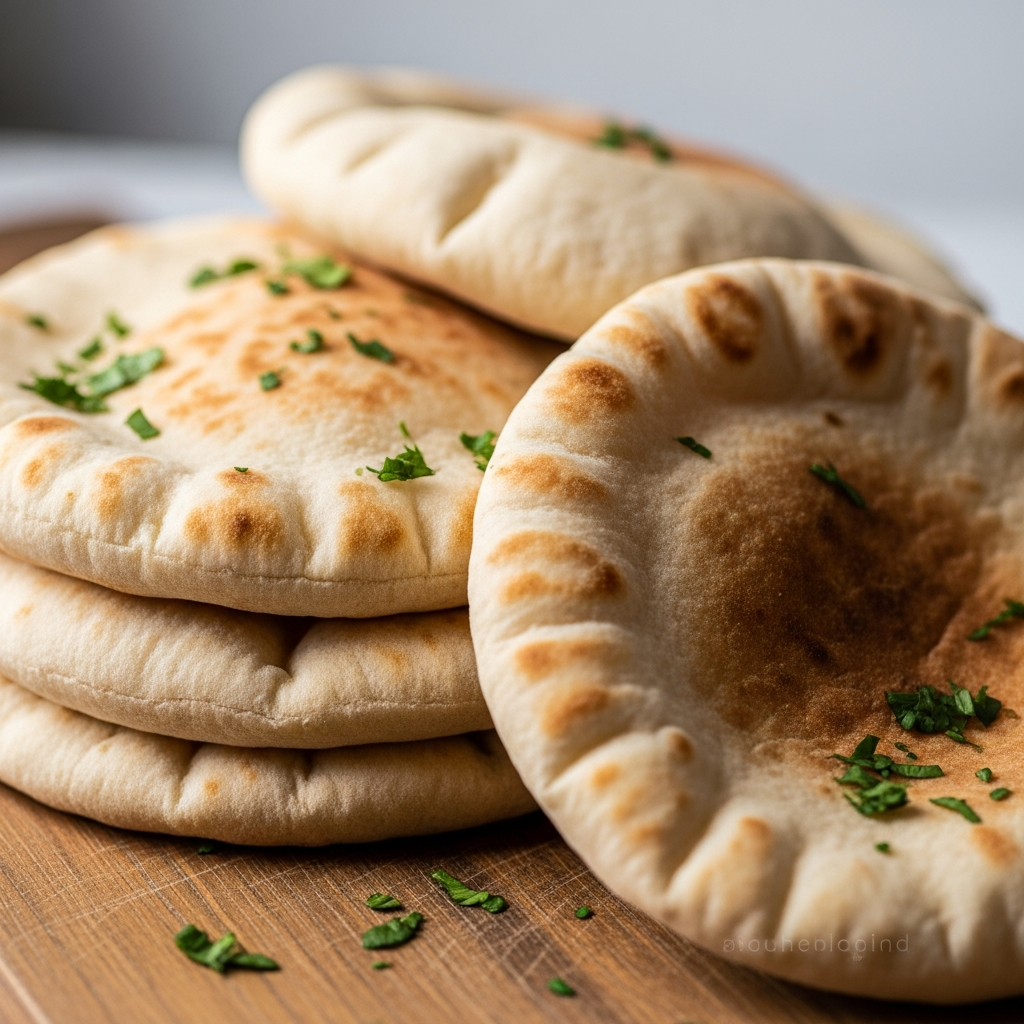
Beneath the golden crust of Mediterranean cuisine lies a humble marvel that has captured hearts adn appetites for centuries: pita bread. More than just a staple, this soft, pocketed bread is a culinary canvas, a vessel carrying vibrant fillings and rich history alike. In “pita Bread Unveiled: The Soft Heart of Mediterranean Cuisine,” we embark on a flavorful journey to discover the origins, artistry, and cultural significance of pita-unwrapping the stories baked into its tender folds and revealing why this unassuming bread continues to be the soft, inviting heart of a region’s diverse and enduring food traditions.
Pita bread unveiled reveals an ancient culinary treasure that has nourished Mediterranean tables for centuries. with its delicate, pillowy pocket and subtly tangy flavor, this soft heart of Mediterranean cuisine holds stories of tradition, communal feasts, and vibrant markets. Whether torn by hand during family dinners or wrapped into hearty sandwiches, pita embodies a timeless simplicity that blends history and flavor in every fold. Crafting pita at home is not only a delightful baking adventure-it’s an invitation to connect with generations of bakers who mastered this art and elevated humble dough into an iconic staple.
Prep and Cook Time
- Preparation: 20 minutes (plus 1 hour rising)
- Cooking: 10 minutes
- Total Time: 1 hour 30 minutes
Yield
Makes 8 medium pita breads (6-inch diameter)
Difficulty Level
Medium: Requires some patience and basic kneading technique, ideal for adventurous home bakers.
Ingredients
- 3 cups all-purpose flour, sifted
- 1¼ cups warm water (about 110°F/43°C)
- 2 tsp active dry yeast
- 1½ tsp salt
- 1 tbsp olive oil, plus extra for brushing
- 1 tsp sugar or honey (optional, to aid yeast activation)
Instructions
- Activate the yeast: In a small bowl, combine warm water, sugar (if using), and active dry yeast. Stir gently and let it sit for 5-7 minutes until frothy and bubbly, confirming yeast is alive.
- Make the dough: In a large mixing bowl, whisk together the flour and salt. Gradually pour in the yeast mixture with olive oil,stirring to incorporate,until a shaggy dough forms.
- Knead the dough: Transfer the dough to a floured surface and knead for 8-10 minutes until smooth and elastic. If too sticky, sprinkle a little more flour but avoid over-drying.
- First rise: Place the dough in a lightly oiled bowl,turning to coat.Cover with a damp kitchen towel or plastic wrap. Let it rise in a warm spot for 1 hour or until doubled in size.
- Divide and shape: Punch down the dough gently, then divide into 8 equal balls. roll each into a smooth round ball, then let rest for 10 minutes covered to relax the gluten.
- Form pita rounds: on a lightly floured surface, roll each ball into a 6-inch round, roughly ¼ inch thick.Keep the rounds covered under a cloth while you finish to prevent drying out.
- Preheat baking surface: Heat a heavy cast-iron skillet or pizza stone over medium-high heat until very hot (about 5 minutes).
- Cook the pita: Place one round on the hot skillet. Cook for 1-2 minutes or until bubbles begin to form on the surface. Flip and cook for another 1-2 minutes; you should see the pita puff up, forming the classic pocket.Adjust heat as needed to avoid burning.
- Cool and store: Transfer cooked pita to a clean kitchen towel and cover to keep soft. Repeat with remaining rounds. Serve warm or store in an airtight container for up to 2 days.
Chef’s Notes: Tips for Success
- Perfect puff: Ensuring the skillet is hot enough is key to creating the pita pocket. If it doesn’t puff up, your dough may be too thick or skillet too cool.
- Flour choice: For a chewier texture, substitute half the all-purpose flour with bread flour.
- make ahead: You can refrigerate the dough overnight after the first rise. Bring to room temperature before shaping.
- Flavor variations: Incorporate fresh herbs like za’atar or finely chopped garlic in the dough for a fragrant twist.
- Freeze extras: Stack pita with parchment paper between layers and freeze. Microwave or reheat in a skillet when ready to enjoy.
Serving Suggestions
Warm your homemade pita and pair it with a vibrant Mediterranean spread for an authentic experience. Fill pockets with creamy hummus and crisp cucumber slices, or serve alongside a fresh Greek salad for a light, refreshing meal. Use pita as a base for za’atar and olive oil dips, or tear it into pieces to scoop up cool tzatziki sauce garnished with mint and lemon zest. It also shines as a crispy-toasted flatbread topped with feta, olives, sun-dried tomatoes, and a drizzle of honey for a delightful appetizer.

Nutritional Facts (per pita)
| Calories | Protein | Carbs | Fat |
|---|---|---|---|
| 165 | 5g | 33g | 2g |
Q&A
Q&A: Pita bread Unveiled – The Soft Heart of Mediterranean Cuisine
Q1: What exactly is pita bread, and why is it called the “soft heart” of Mediterranean cuisine?
A1: Pita bread is a round, pocket-like flatbread known for its soft, pillowy texture and slightly chewy bite. Frequently enough dubbed the “soft heart” of Mediterranean cuisine, it serves as a versatile edible vessel that cradles a myriad of flavors-from smoky kebabs to zesty falafel-making it a comforting and essential companion at the Mediterranean table.
Q2: How did pita bread originate, and what is its cultural significance?
A2: Pita’s roots stretch deep into Middle Eastern and Mediterranean history, dating back thousands of years. Its name comes from the Greek word pitta, meaning “pie” or ”bread.” Historically, pita was a humble staple-simple to make and perfect for scooping up dips like hummus or stuffing with grilled meats and fresh veggies. Over centuries, it has become a symbol of communal eating and culinary tradition across cultures, embodying hospitality and shared meals.
Q3: What gives pita bread its signature pocket?
A3: The magical pocket of pita bread is created during baking at very high temperatures. When the dough hits the hot oven, the water inside quickly turns to steam, puffing the dough and separating it into two layers. once removed and cooled, these layers form a hollow pocket, ready to be split and filled. It’s this delicate alchemy of heat and steam that transforms simple dough into pita’s distinctive pocket.
Q4: How is pita bread traditionally made, and are there modern twists?
A4: Traditionally, pita bread is made with a straightforward mixture of flour, yeast, water, and salt, kneaded into a smooth dough, allowed to rise, then rolled into thin rounds before baking in a blistering hot oven or on a stone surface. Today, creative bakers experiment with whole wheat or spiced doughs, incorporate herbs like za’atar into the mix, or bake pita on home stovetops and grills, expanding its flavors and uses beyond tradition.
Q5: What are some quintessential Mediterranean dishes that highlight pita bread?
A5: Pita bread is a culinary chameleon featured in dishes like shawarma wraps, gyro sandwiches, and falafel pockets. It also stars alongside vibrant mezze platters with tabbouleh, baba ghanoush, and tzatziki, where it acts as a perfect dipper. Whether stuffed, torn, or rolled, pita elevates simple ingredients into memorable meals bursting with Mediterranean sunshine.
Q6: Can pita bread be considered healthy?
A6: Absolutely! Pita bread, especially when made from whole grains, is a good source of complex carbohydrates and dietary fiber.Its moderate portion size makes it a healthier option to heavier bread varieties. Plus, pita’s compatibility with fresh vegetables, lean proteins, and wholesome spreads helps create balanced, nutrient-rich meals that nourish the body and soul.
Q7: How can one enjoy pita bread beyond mediterranean cuisine?
A7: Pita’s mild flavor and flexible texture invite endless culinary creativity! Think of it as a mini pizza canvas, a crunchy chip for dips, or a pocket for breakfast fillings like eggs and avocado. It pairs beautifully with global flavors, from spicy Indian chutneys to tangy Mexican salsas, proving that this humble flatbread transcends borders-inviting everyone to explore the world, one soft pocket at a time.
To Conclude
As we fold up the layers of pita bread’s story, one thing remains clear: this humble round of dough is far more than just a staple on Mediterranean tables. It is indeed a living testament to centuries of tradition, a soft cradle for flavors both bold and delicate, and a connector of cultures across time and geography. Whether pocketed with vibrant fillings or torn by hand to scoop up shared dishes, pita bread continues to nourish not just bodies, but the timeless spirit of community and culinary creativity. Next time you bite into its warm, pillowy heart, remember-you’re savoring a slice of history, wrapped in the soft embrace of Mediterranean heritage.