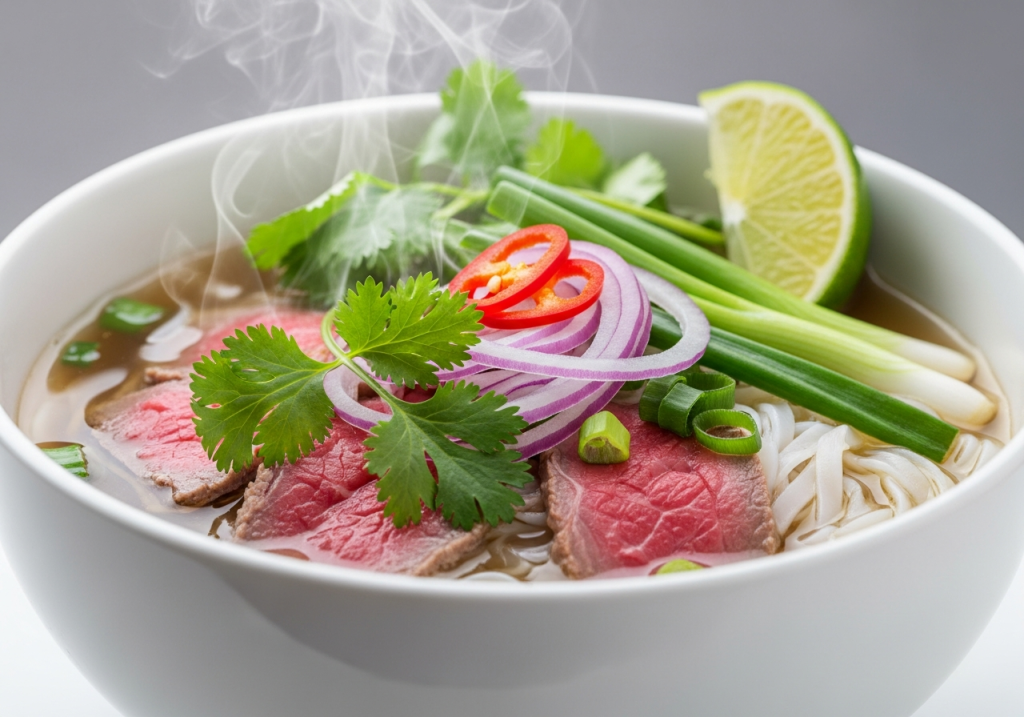

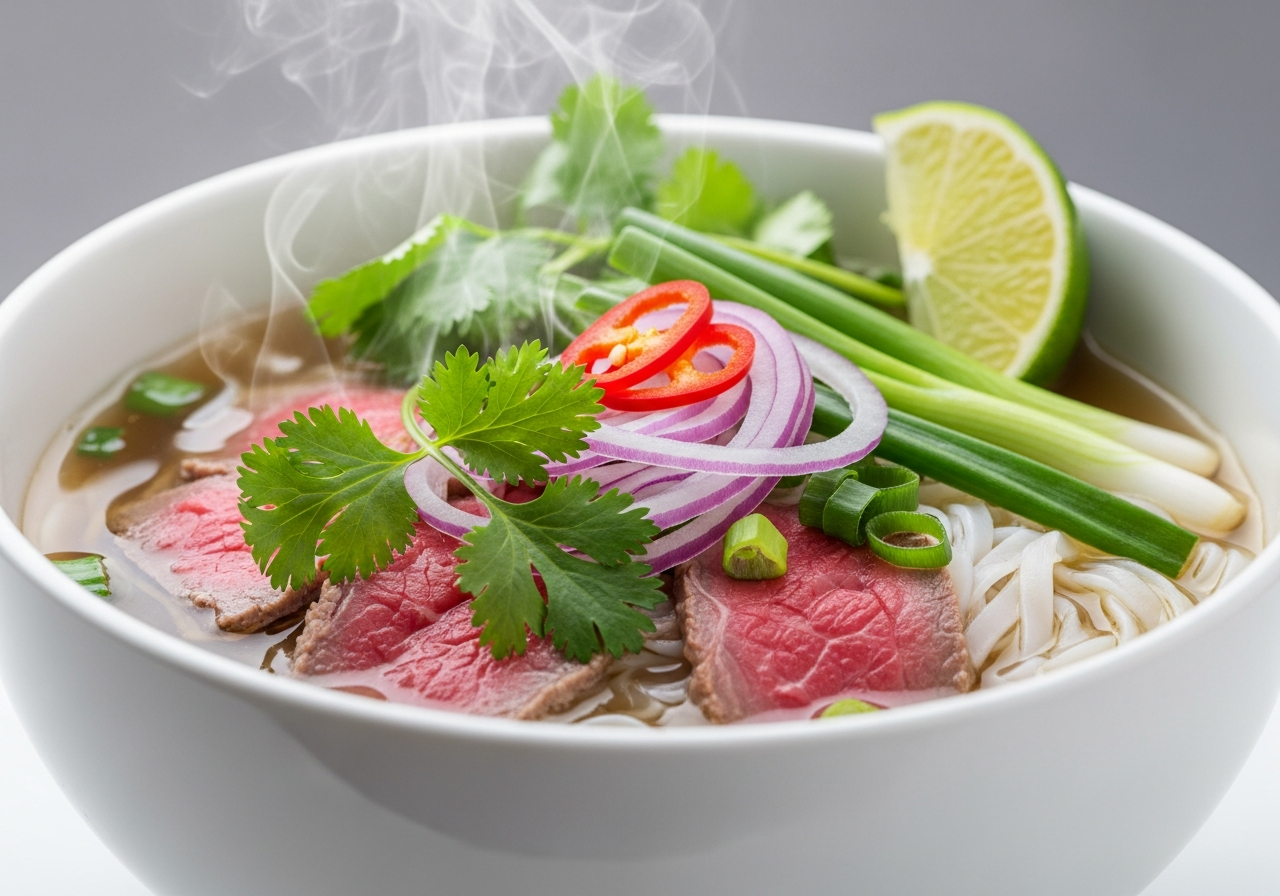
In teh heart of vietnam’s bustling streets,amidst the symphony of sizzling woks and fragrant herbs,lies a dish that transcends mere sustenance – Pho. More than just a soup, Pho is a cultural icon, a liquid tapestry woven from centuries of history, tradition, and local flavors. Join us as we embark on a savory journey into Vietnam’s iconic soup bowl, uncovering the secrets of its aromatic broth, the artistry behind its delicate noodles, and the stories simmering beneath every steaming bowl. Pho unveiled is not just a culinary exploration; it’s an invitation to taste the soul of a nation.
Pho Unveiled: A Journey into Vietnam’s Iconic Soup Bowl
Pho Unveiled offers a culinary adventure into the soul of Vietnam through its iconic soup bowl, a delicate yet intensely flavorful broth that has captured the hearts of food lovers worldwide. Rooted in centuries-old traditions, this legendary dish blends aromatic spices and meticulously simmered bones, creating a harmonious balance that defines Vietnamese cuisine.
Prep and Cook Time
Preparation: 30 minutes
Cook Time: 4 hours
Total Time: 4 hours 30 minutes
Yield
Serves 6-8 hearty bowls
Difficulty Level
Medium – Requires patience and attention to detail, but accessible to motivated home cooks
Ingredients
- 4 lbs beef marrow bones (preferably knuckle and leg bones)
- 1 lb brisket, whole piece
- 1 large onion, halved
- 1 piece ginger (4 inches), halved lengthwise
- 5 star anise pods
- 3 cinnamon sticks
- 4 whole cloves
- 1 cardamom pod
- 1 tablespoon coriander seeds
- 1 tablespoon fennel seeds
- 1 tablespoon rock sugar (or substitute with regular sugar)
- 1/4 cup salt
- 2 tbsp fish sauce
- 14 cups cold water
- 14 oz dried flat rice noodles (banh pho)
- 1/2 lb sirloin or eye round beef, thinly sliced (freeze briefly for easier slicing)
- Fresh herbs: Thai basil, cilantro, mint
- Bean sprouts
- Thinly sliced green onions
- Fresh lime wedges
- Thinly sliced red chili (optional)
- Hoisin sauce and Sriracha for serving
Instructions
- Prepare and blanch bones: Rinse beef bones under cold water. Place them in a large stockpot and cover with cold water.Bring to a boil over high heat and cook for 10 minutes. Skim off impurity foam and drain bones. Rinse bones with warm water to remove residue.
- Char onion and ginger: Using an open flame or broiler, char the halved onion and ginger until slightly blackened (about 5 minutes). This adds a smoky depth to the broth.
- Toast spices: In a dry skillet over medium heat, toast star anise, cinnamon sticks, cloves, cardamom, coriander seeds, and fennel seeds until aromatic (about 2-3 minutes). Place toasted spices in a spice bag or wrap in cheesecloth.
- Simmer broth: In a large stockpot, add blanched bones, brisket, charred onion, ginger, and spice bag. Pour in 14 cups cold water. Slowly bring to a boil, then reduce heat to low and simmer uncovered for 3.5 to 4 hours, occasionally skimming impurities.
- Season broth: about 30 minutes before finishing, add rock sugar, salt, and fish sauce. Adjust seasoning to taste. Remove brisket after 1.5 hours and set aside to cool, then slice thinly.
- Prepare noodles: Soak dried rice noodles in warm water for 30 minutes, then drain. Just before serving, briefly cook noodles in boiling water until tender (about 1 minute), then drain well.
- Assemble pho bowls: Divide noodles into bowls, top with sliced brisket and raw sirloin slices. Ladle piping hot broth over the beef, which will gently cook the raw slices.
- Add garnishes: serve with fresh herbs, bean sprouts, lime wedges, sliced chili, hoisin, and Sriracha on the side for guests to customize.
Chef’s Notes
- Bone Selection: For a richer broth, mix marrow bones with knuckles and tendons, offering both gelatin and flavour.
- Make-Ahead: Broth can be prepared a day in advance; refrigerate to remove hardened fat, resulting in a cleaner soup.
- Spice variation: Some recipes include star anise alone; though, adding cardamom and fennel seeds layers complexity.
- Vegetarian Option: Replace beef bones with kombu and dried shiitake mushrooms, and use soy-based sauce.
- Noodle Tip: Always soak dried noodles before cooking to prevent overcooking and clumping.
Serving Suggestions
Pho is best enjoyed fresh and steaming hot.Present your bowl with vibrant fresh herbs such as Thai basil and cilantro, along with crunchy bean sprouts and wedge of lime to squeeze atop. Serve alongside condiments like hoisin sauce and Sriracha for layering spicy-sweet and fiery notes. A side of Vietnamese iced coffee or jasmine tea enhances the experience beautifully.
Nutritional Information
| Nutrient | Per Serving |
|---|---|
| Calories | 350 kcal |
| Protein | 28 g |
| Carbohydrates | 40 g |
| Fat | 8 g |
| Sodium | 700 mg |
Explore More
Looking to elevate your homemade Vietnamese feast? Check out our Bánh Mì Sandwich Recipe to complement your pho perfectly.
For a deep dive into Vietnamese cuisine history and ingredients,visit the Vietnamese Food Site.

Q&A
Q&A: Pho Unveiled – A Journey into Vietnam’s Iconic Soup Bowl
Q1: What exactly is pho, and why has it become so iconic?
A1: Pho is Vietnam’s beloved noodle soup, a harmonious bowl of fragrant broth, tender rice noodles, fresh herbs, and savory proteins. More than just a dish, it’s a cultural emblem-a culinary love letter that tells the story of vietnam’s history, resilience, and vibrant flavors. Its iconic status arises from its comforting simplicity paired with an aromatic complexity that captivates taste buds worldwide.
Q2: Where did pho originate, and how did it evolve?
A2: Pho’s roots trace back to northern Vietnam in the early 20th century, emerging from the bustling streets of Hanoi. It was a fusion born of French colonial influence meeting local Vietnamese ingredients-think beef broth simmered with spices reminiscent of fragrant bouillons. Over decades,pho journeyed southward,transforming slightly with local tastes and available ingredients,resulting in regional variations still celebrated today.
Q3: What are the key components that define an authentic pho?
A3: Authentic pho is an artful balance. The star is the broth-clear yet deeply flavorful, simmered for hours with beef bones, charred onions, ginger, and spices like star anise, cinnamon, and cloves. The rice noodles must be silky and tender, the proteins fresh (commonly thinly sliced beef or chicken), and the garnishes vibrant-think fresh basil, cilantro, lime wedges, bean sprouts, and fiery slices of chili. each element dances together in perfect harmony.
Q4: How dose pho reflect Vietnamese culture and daily life?
A4: Pho is more than sustenance; it’s a ritual.Often enjoyed for breakfast or lunch in bustling street-side stalls, pho embodies community, simplicity, and nourishment. It reflects Vietnamese values of balance-the yin and yang of ingredients and flavors-and the country’s agrarian roots through fresh herbs and local produce. Sharing a steaming bowl signifies warmth, connection, and the everyday joy found in food.
Q5: Can pho be adapted for modern dietary preferences without losing its essence?
A5: Absolutely! While traditional pho centers on beef or chicken, vegetarian and vegan versions have risen in popularity, using mushrooms, tofu, and vegetable broth infused with similar spices to mimic the classic depth. Pho’s flexible framework welcomes innovation,so long as the soul-the fragrant,comforting broth and thoughtful layering of textures-remains intact.
Q6: What makes pho a global culinary phenomenon today?
A6: pho’s global rise is a testament to its universal appeal-comforting yet fresh, simple yet layered, humble yet iconic. It offers an experience that transcends borders: a bowl that invites everyone to savor Vietnamese culture through its inviting aroma and flavors. Its presence in cities worldwide has transformed it from local staple to international ambassador of Vietnamese cuisine.
Q7: How can someone new to pho best enjoy their first bowl?
A7: Approach pho like an exploration.start by savoring the broth on its own to appreciate its depth. Then add fresh herbs, a squeeze of lime, and chili to customize the flavor. Don’t rush-let the textures unfold,the warmth soothe,and the mingling spices tell their story. eating pho is as much about mindfulness as it is about taste-a comforting invitation to slow down and enjoy the moment.
Pho, in all its fragrant glory, is more than a meal-it’s a vibrant journey into Vietnam’s heart and soul, one spoonful at a time.
To Conclude
As the final spoonful of pho warms the soul and lingers on the palate, our journey into Vietnam’s iconic soup bowl reveals more than just a recipe-it uncovers a cultural tapestry woven with history, tradition, and heartfelt simplicity.Pho is not merely a dish; it is a story simmering in fragrant broth, inviting us to savor the essence of Vietnam’s culinary heritage. Whether enjoyed on bustling street corners or in quiet homes, each bowl tells a tale of connection, comfort, and the timeless art of slow-cooked perfection. So next time you cradle that steaming bowl in your hands, remember you’re partaking in a legacy that transcends borders-inviting you to experience Vietnam’s soul, one sip at a time.