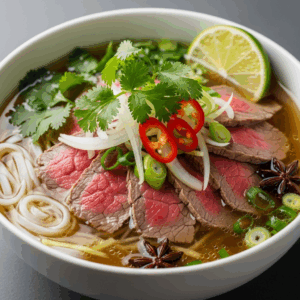

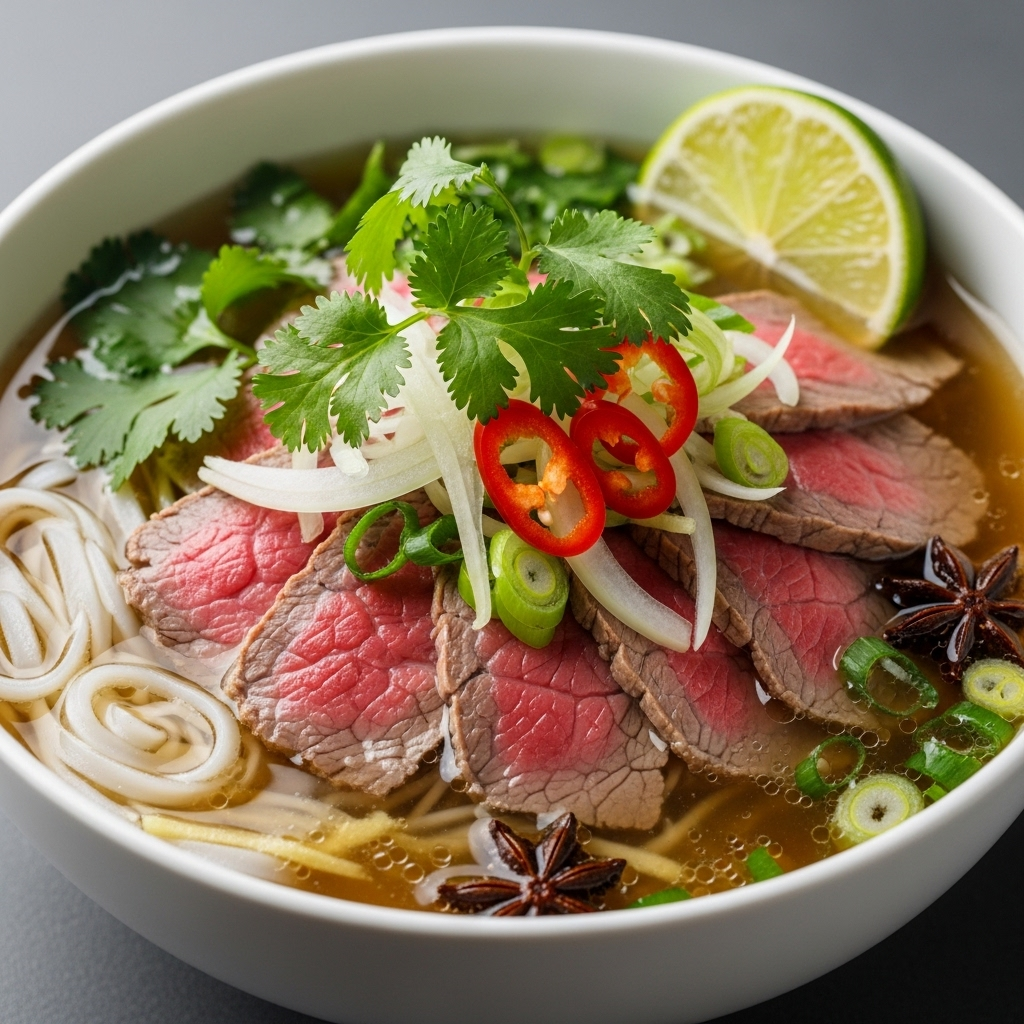
In the bustling streets of Vietnam, where vibrant aromas dance thru the air and every corner tells a story, pho stands as more than just a dish-it is a soulful symphony of flavors, culture, and tradition. this iconic Vietnamese noodle soup, beloved by millions worldwide, is a culinary masterpiece that transcends mere sustenance. From its delicate, fragrant broth to the tender slices of beef or chicken and the fresh herbs that crown each bowl, pho invites you on a sensory journey into the heart of Vietnam. In “Pho Unveiled: The Soulful Vietnamese Noodle Delight,” we peel back the layers of this beloved comfort food, exploring its rich history, intricate preparation, and the enduring spirit that makes pho an unforgettable experience for both the palate and the soul.
Pho is more than just a Vietnamese noodle soup; it is indeed a culinary journey steeped in rich tradition and flavors that have evolved over centuries. Originating in Northern vietnam in the early 20th century, this iconic dish reflects a harmonious blend of indigenous ingredients and subtle influences from French colonial cuisine. Crafting the perfect broth is an art that requires patience and precision, infusing bones, spices, and aromatics into a fragrant, clear elixir that forms the soul of pho.
Prep and Cook Time
Preparation: 30 minutes
Cooking: 4 hours
Total Time: 4 hours 30 minutes
Yield
Serves 6 generously
Difficulty Level
Medium - requires attentive simmering and layering of flavors
Essential Ingredients That Bring Pho to Life
- 4 lbs beef bones (preferably knuckle, marrow, and oxtail), roasted for depth
- 1 large onion, halved and charred
- 1 large piece of ginger (about 4 inches), halved and charred
- 5 star anise pods
- 4 whole cloves
- 2 cinnamon sticks
- 1 tablespoon coriander seeds, toasted
- 1 tablespoon fennel seeds, toasted
- 1 teaspoon cardamom pods, lightly crushed
- 1 tablespoon rock sugar or substitute with granulated sugar
- 1/4 cup fish sauce (adjust to taste)
- 1 pound dried flat rice noodles (bánh phở), soaked and drained
- Thinly sliced beef brisket, eye-round, or sirloin
- Fresh herbs: Thai basil, cilantro, culantro
- Bean sprouts
- lime wedges
- Thinly sliced white onions and scallions
- Chili slices or Sriracha sauce for heat
Step-by-Step Instructions
- Prepare and roast bones: preheat oven to 425°F (220°C). Place beef bones on a baking sheet and roast for 45 minutes until deep golden and caramelized. This step is key to achieving a rich broth base.
- Char aromatics: While bones roast, place onion halves and ginger on a grill pan or directly on an open flame. Char until blackened, then rinse briefly in water to remove excess soot.
- Toast spices: In a dry skillet over medium heat, toast star anise, cloves, cinnamon sticks, coriander seeds, fennel seeds, and cardamom pods until fragrant (about 2-3 minutes), stirring constantly to avoid burning. Transfer to a spice bag or cheesecloth.
- Simmer broth: Transfer roasted bones to a large stockpot and cover with 6 quarts of cold water. Bring to a boil for 10 minutes, then immediately drain and rinse bones to remove impurities.
- Build flavor: Return bones to the pot, add charred onion and ginger, spice bag, rock sugar, and fish sauce. Simmer gently uncovered for 3 to 4 hours. skim any foam or fat inconsistencies every 30 minutes for crystal-clear broth.
- Strain broth: Carefully strain broth through a fine mesh sieve lined with cheesecloth into a clean pot. Discard solids. Maintain broth warm over low heat.
- Prepare noodles and toppings: Soak dried rice noodles in cold water for 30-45 minutes until pliable. Blanch in boiling water just before serving (about 10-15 seconds), then drain well.
- Assemble bowls: Arrange noodles in warm bowls, top with thinly sliced raw beef (the hot broth will cook it gently), garnish with sliced onions and scallions.
- Pour hot broth: Ladle broth boiling hot over the noodles and beef, watching as it cooks the meat to tender perfection.
- Serve with customary accompaniments: Present plate with fresh herbs, bean sprouts, lime wedges, chili slices, and sauces for guests to customize their bowls.
Tips for Success
- clear broth mastery: Roasting bones and skimming impurities ensures a brilliant clear broth that’s rich in flavor without greasiness.
- Char aromatics evenly: Use direct flame or grill pan to build smoky depth that balances the broth’s sweetness.
- Sharp knife skills: Freeze beef slices for 30 minutes before thinly slicing to ease cutting ultra-thin slices that melt in the broth.
- Customize protein: For poultry pho, substitute beef bones with chicken carcasses and adjust simmer time to 2 hours.
- Advance prep: Broth can be made 1-2 days ahead and refrigerated; strain and defat before reheating.
Serving Suggestions
serve pho in deep, warm bowls to retain the heat of the broth. Provide small dishes of contrasting garnishes such as spicy chili, fresh lime, and aromatic herbs to enliven each bite. A side of crispy bánh mì or light vietnamese iced coffee (cà phê sữa đá) complements this soul-warming meal beautifully.
| Nutrient | Per Serving |
|---|---|
| Calories | 350 kcal |
| Protein | 30 g |
| Carbohydrates | 40 g |
| Fat | 8 g |

For those curious about the rich history behind pho,explore our detailed article on Vietnamese noodle soup history.to learn more about the spices that define this iconic broth, the Encyclopaedia Britannica provides excellent insights.
Q&A
Q&A: Pho Unveiled – The Soulful Vietnamese Noodle Delight
Q1: What exactly is pho,and why is it considered Vietnam’s soul food?
A: Pho is a fragrant Vietnamese soup consisting of delicate rice noodles,tender slices of meat,fresh herbs,and a rich,aromatic broth.More than just a meal, pho is a cultural symbol-a comforting hug in a bowl that embodies the spirit of Vietnam. It’s the country’s culinary heartbeat, a dish that connects generations through its deep, soulful flavors and communal dining experience.
Q2: Where did pho originate, and how has it evolved over time?
A: Pho’s roots trace back to northern Vietnam in the early 20th century, influenced by french culinary traditions and regional Chinese flavors. As it traveled south and beyond Vietnam’s borders, pho embraced new ingredients and styles-shifting from a simpler northern broth to a sweeter, more herbaceous southern version. today, pho enjoys global reinvention, inspiring chefs to honor tradition while experimenting with modern twists.
Q3: What makes the broth in pho so special?
A: The broth is pho’s soul-meticulously simmered for hours using beef bones, charred onions, ginger, and a blend of spices like star anise, cinnamon, and cloves. This slow-cooking process extracts deep umami richness and layers of warmth, resulting in a clear yet complex broth that sings with every sip. It requires patience, precision, and love-qualities that turn this humble stock into a comforting elixir.
Q4: What are the essential ingredients that define authentic pho?
A: At its core, authentic pho features flat rice noodles (banh pho), thinly sliced beef or chicken, a broth bursting with aromatic spices, and a vibrant bouquet of fresh herbs-cilantro, Thai basil, and scallions. Accompaniments like lime wedges, bean sprouts, sliced chili peppers, and hoisin or sriracha sauces let each diner customize their bowl, making pho a personal and interactive feast.
Q5: Why is pho more than just a breakfast dish?
A: Traditionally enjoyed in the morning to fuel the day, pho transcends time and occasion in contemporary dining. It’s equally cherished as a comforting lunch, a late-night cure-all, or a communal feast to share with loved ones. Its balance of warmth, freshness, and nourishment makes pho a versatile pleasure, embodying the idea that true comfort knows no clock.
Q6: How can someone new to pho best experience this culinary treasure?
A: approach pho as both a sensory journey and a cultural experience. Take your time to savor each spoonful of broth, appreciate the harmony of textures, and experiment with the fresh garnishes. Don’t be shy to ask about the story behind the chef’s broth or the origin of their recipe-pho is as much about connection as it is indeed about flavor. And remember: each bowl tells a story, inviting you to taste Vietnam’s soulful heritage one noodle at a time.
to sum up
As the steam rises from a bowl of pho,so too does the rich tapestry of Vietnamese culture and history unfold before us. More than just a noodle soup, pho is a soulful experience-a harmonious blend of fragrant herbs, savory broth, and tender meats that tells a story with every slurp. Whether enjoyed on bustling city streets or in the quiet comfort of home, pho invites us to pause, savor, and connect with a tradition that has warmed hearts for generations. So next time you lift that aromatic bowl to your lips, remember: you’re not just tasting a meal-you’re savoring a beloved culinary legacy that continues to inspire and soothe the soul.