
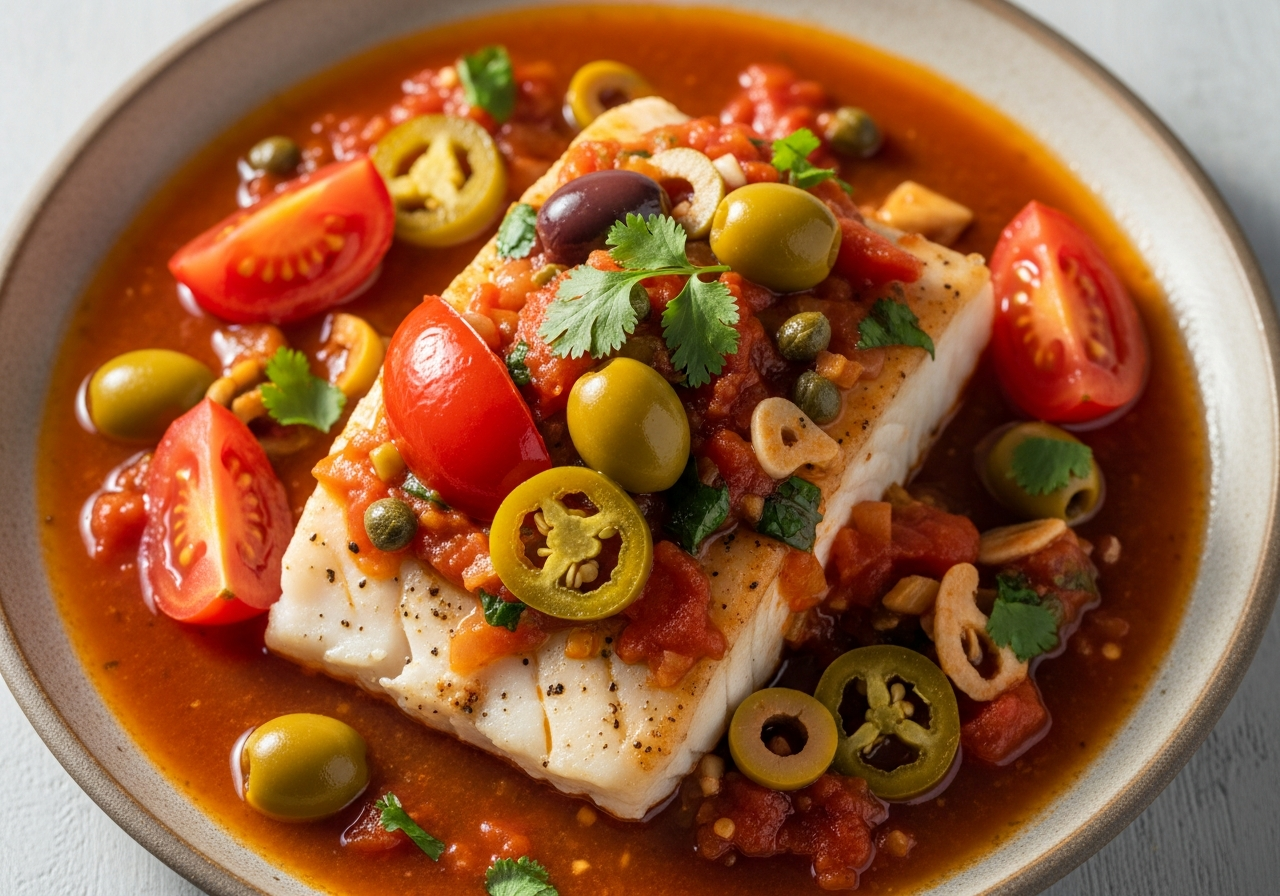
Nestled along Mexico’s sun-drenched Gulf Coast, Veracruz is a vibrant tapestry of culture, history, and culinary delight. Among its many treasured dishes, Pescado a la Veracruzana stands out as a flavorful emblem of the region’s rich heritage. This iconic recipe, with its harmonious blend of fresh fish, tangy tomatoes, briny olives, and aromatic herbs, captures the very essence of Veracruz’s coastal bounty. Whether you’re a seasoned gourmand or a curious home cook,savoring Pescado a la Veracruzana offers not just a meal,but a appetizing journey into the heart of Mexican coastal cuisine. Join us as we explore the origins, ingredients, and step-by-step preparation of this timeless classic.
Savoring Veracruz: The Classic Pescado a la Veracruzana Recipe offers an exquisite journey into the coastal flavors of Mexico’s eastern shores. This iconic dish, born from the fusion of indigenous ingredients and Spanish culinary influence, highlights the vibrant, aromatic, and slightly tangy elements that define Veracruz cuisine. From the lush tomatoes and briny olives to the crisp fish filet infused with savory herbs, every bite captures the essence of this sun-kissed region. Whether you’re recreating a cherished family recipe or discovering it for the first time, this dish promises a delightful, authentic experience highly approachable for any home cook.
Prep and Cook Time
- Preparation: 15 minutes
- Cooking: 30 minutes
- Total Time: 45 minutes
Yield
Serves 4 generously
Difficulty Level
Medium – perfect for cooks looking to elevate their seafood repertoire with conventional Mexican flavors
key Ingredients That Define Authentic Pescado a la Veracruzana
- 4 firm white fish fillets (such as snapper or sea bass),about 6 oz each
- 3 tablespoons extra virgin olive oil
- 1 medium onion,thinly sliced
- 3 cloves garlic,finely minced
- 4 ripe Roma tomatoes,peeled and chopped (or 1 cup canned crushed tomatoes,no salt)
- 1/2 cup green olives,pitted and sliced (preferably Manzanilla)
- 2 tablespoons capers,drained
- 1 jalapeño,deseeded and finely chopped (optional for warmth)
- 1/4 cup white wine (dry)
- 1/2 cup chicken or vegetable broth
- 1 bay leaf
- Fresh cilantro and oregano,about 2 tablespoons each,chopped
- salt and freshly ground black pepper,to taste
- Fresh lime wedges,for serving
Step-by-Step Guide to Perfecting the Traditional Recipe
- Prepare the fish: Pat the fish fillets dry and season both sides lightly with salt and pepper. Set aside while you prepare the sauce.
- Build the base: Heat 2 tablespoons of olive oil in a large skillet over medium heat. Add the sliced onions and sauté until translucent, about 5 minutes.
- Add aromatics: Stir in the garlic and jalapeño (if using), cooking for another minute until fragrant but not browned.
- Create the tomato sauce: Mix in the chopped tomatoes, stirring well to combine. Let the mixture simmer gently for 8-10 minutes, stirring occasionally until the tomatoes break down and the sauce thickens slightly.
- Enhance the flavors: Pour in the white wine and broth, add the bay leaf, olives, capers, and half the fresh herbs. Simmer uncovered for 10 minutes until the sauce is rich and aromatic. Adjust salt and pepper to taste.
- Cook the fish: Wipe the skillet clean and heat the remaining 1 tablespoon olive oil over medium-high heat. Sear the fish, skin side down if applicable, for about 3-4 minutes per side, until just cooked through and golden. Avoid overcooking to keep the flesh tender and flaky.
- Combine and finish: Transfer the fish fillets into the tomato sauce pan, nestling them gently. Spoon some sauce over the fish and let it meld together on low heat for 2-3 minutes.
- Garnish and serve: Remove the bay leaf and sprinkle the remaining fresh cilantro and oregano over the top. Present with lime wedges to squeeze fresh acidity just before eating.
Tips for Pairing and serving to Enhance Your Dining Experience
The robust yet balanced flavors of pescado a la Veracruzana pair beautifully with simple sides that let the sauce shine. Consider serving alongside fluffy Mexican white rice or freshly steamed baby potatoes. A crisp, citrusy salad with jicama or cucumber provides a refreshing contrast. For drinks, a chilled glass of dry white wine such as Sauvignon Blanc or a light Mexican beer elevates the experience.
Chef’s Notes
- Substitutions: If fresh tomatoes aren’t available, use high-quality canned tomatoes but drain excess liquid to avoid thinning the sauce.
- Variation: Add thin strips of roasted poblano peppers for an earthier twist.
- Make-ahead: The tomato sauce can be prepared a day in advance and refrigerated - simply reheat and add the fish just before serving for convenience.
- Texture tips: To achieve a silky sauce, you can briefly blitz it with an immersion blender before folding in the olives and capers.
- Presentation: Serve in a shallow bowl or rustic clay cazuela to evoke authentic Veracruz ambiance and enhance your plating.
Nutritional Data (per serving)
| Calories | Protein | Carbs | Fat |
|---|---|---|---|
| 320 kcal | 35 g | 8 g | 14 g |

Q&A
Savoring Veracruz: The Classic Pescado a la Veracruzana Recipe – Q&A
Q1: What is Pescado a la Veracruzana?
A1: Pescado a la Veracruzana is a celebrated dish from the coastal Mexican state of Veracruz, blending fresh fish with a vibrant tomato-based sauce enriched by olives, capers, and aromatic herbs. It’s a culinary marriage of indigenous flavors and Spanish influences, embodying the region’s rich history and access to the sea.
Q2: Why is this dish considered a Veracruzano classic?
A2: It captures the essence of Veracruz’s geography and culture-fresh seafood culled from the Gulf of Mexico paired with Mediterranean ingredients introduced during colonial times. This fusion created a unique dish that has become a regional signature,symbolizing both tradition and the bounty of the coast.
Q3: What type of fish works best for Pescado a la Veracruzana?
A3: White, firm-fleshed fish varieties such as snapper, grouper, or tilapia are ideal. They hold up well during cooking and absorb the vibrant flavors of the sauce without overpowering them, delivering a delicate yet hearty bite.
Q4: What’s the secret to the signature Veracruzana sauce?
A4: The sauce’s magic lies in its balance-ripe tomatoes simmered gently with garlic and onions, briny olives, tangy capers, and fresh herbs like bay leaves and thyme. The combination creates a tangy, savory, and slightly salty profile that complements the fish perfectly.
Q5: How is Pescado a la Veracruzana traditionally served?
A5: It’s typically plated family-style,with the fish nestled in the luscious sauce and garnished with vibrant green parsley or cilantro.Accompaniments frequently enough include white rice or warm corn tortillas, allowing you to scoop up every last drop of the spectacular sauce.
Q6: Can I prepare this dish for a modern or quick dinner?
A6: Absolutely! While the flavors develop best with a slow simmer, you can streamline the recipe by using fresh, pre-chopped tomatoes or tomato sauce and chopped olives. A quick sauté of the aromatics followed by adding fish and sauce can have dinner on the table in under 30 minutes, without sacrificing authenticity.
Q7: What makes this recipe stand out compared to other fish preparations?
A7: Pescado a la Veracruzana offers a harmonious blend of rustic simplicity and bold flavors. Unlike plain grilled or fried fish, the sauce infuses each bite with layers of complexity-from the subtle sweetness of tomatoes to the savory punch of olives and capers-making it a truly unforgettable dish.Q8: How can I make the dish more vibrant visually?
A8: Garnishing with fresh herbs and adding colorful ingredients like diced red bell peppers or green olives elevates the plate. Serving it alongside a crisp salad or a wedge of lime not only brightens the presentation but also adds refreshing contrasts in flavor.
Q9: Is Pescado a la Veracruzana suitable for special occasions?
A9: Definitely! Its elegant appearance and rich flavors make it a perfect centerpiece for festive gatherings or romantic dinners. Paired with a chilled glass of crisp white wine or a citrusy Mexican beer, it’s sure to impress guests while celebrating the flavors of Veracruz.
Q10: Where can I learn more about Veracruz cuisine?
A10: Exploring local cookbooks, food blogs dedicated to Mexican coastal cooking, and documentaries on Veracruz food culture are great starting points. Visiting Veracruz itself offers the ultimate culinary immersion-fresh markets, seaside eateries, and home kitchens that preserve centuries-old recipes.
By diving into Pescado a la Veracruzana, you’re not just tasting a dish-you’re savoring a vibrant slice of Mexican coastal heritage. Prepare to feast on history, flavor, and tradition in every tender bite.
Final Thoughts
As the vibrant flavors of Veracruz linger on your palate, the classic Pescado a la Veracruzana reminds us that food is more than sustenance-it’s a celebration of history, culture, and coastal bounty. This dish, with its harmonious blend of tomatoes, olives, capers, and fresh fish, not only captures the essence of Mexico’s Gulf coast but also invites you to savor each bite as a story told through ingredients. Whether enjoyed at a seaside table or recreated in your own kitchen, Pescado a la Veracruzana is an enduring taste of tradition, offering a delicious glimpse into the rich culinary heritage of Veracruz. So next time you seek a meal that’s both comforting and captivating, let this classic recipe transport you to the sun-dappled shores where every forkful is a journey.