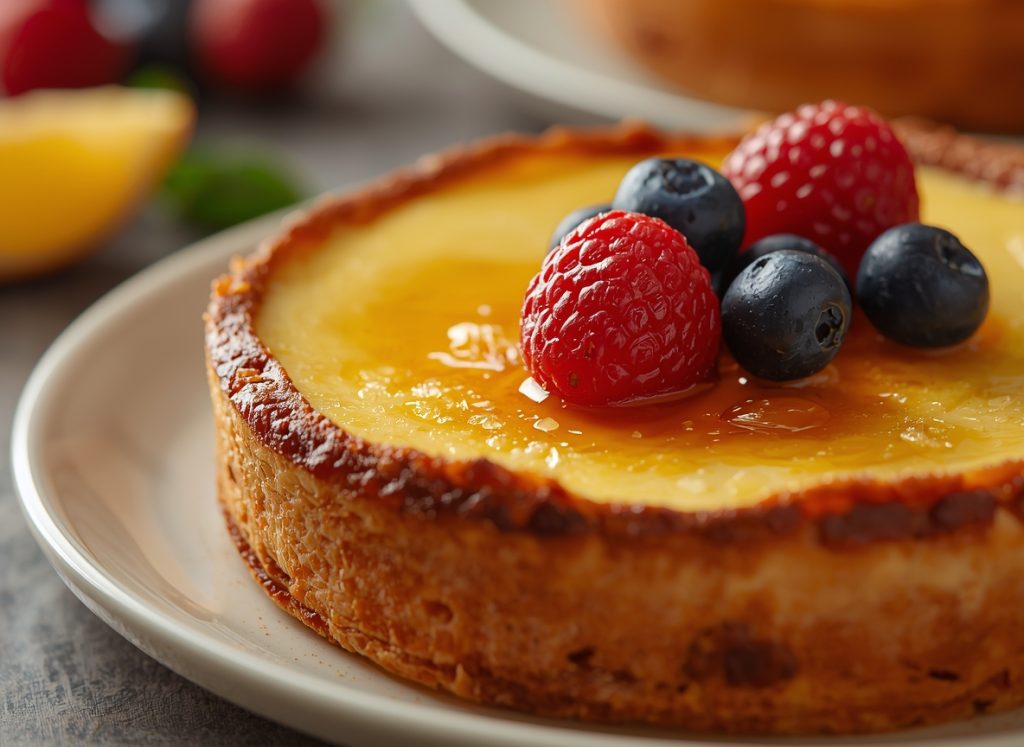

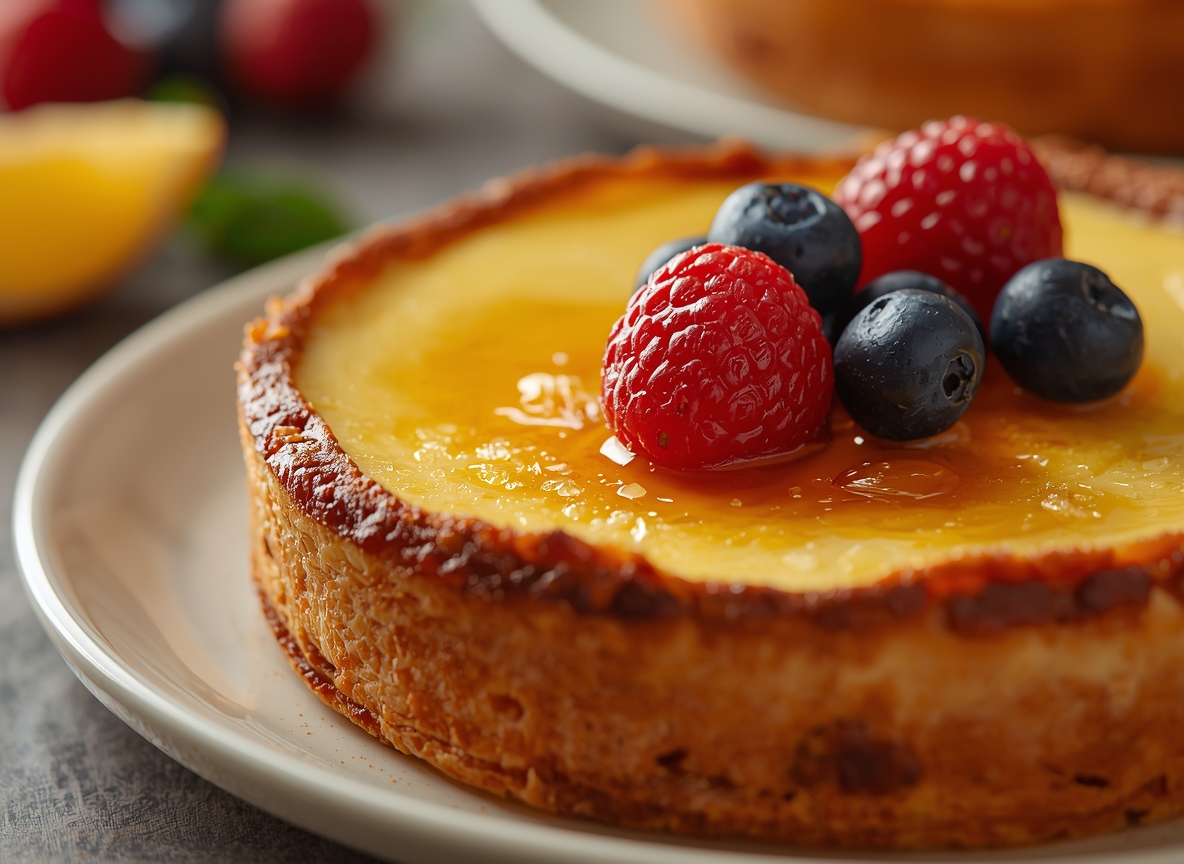
Nestled within teh sun-kissed streets of Lisbon lies a culinary treasure that has delighted taste buds for centuries-the Pastel de Nata. This golden, flaky custard tart is more than just a sweet treat; it’s a tasty journey through portugal’s rich history, culture, and artistry. From it’s humble monastic beginnings to its status as an iconic symbol of Lisbon, the tale of the Pastel de Nata is as layered and enchanting as its perfectly caramelized top. Join us as we uncover the story behind this beloved delicacy,exploring how it became a timeless emblem of Portuguese tradition and an irresistible temptation for food lovers around the world.
Discovering lisbon’s iconic sweet, the Pastel de Nata, reveals a luscious treasure packed with history, flavor, and tradition. This beloved Portuguese custard tart boasts a custard center that’s silky smooth,wrapped in a crisp,buttery puff pastry that shatters delightfully at every bite. Originating in Lisbon’s Jerónimos Monastery in the 18th century, thes tarts were originally crafted by monks who honed the perfect balance of sweetness and texture, preserving a culinary legacy that captivates dessert lovers worldwide. Creating your own pastel de nata at home is not only rewarding but an immersive journey into Portugal’s soul.
Prep and Cook Time
- Preparation: 30 minutes
- Chilling: 1 hour (optional but recommended)
- Cooking: 15-20 minutes
- Total Time: Approximately 1 hour 50 minutes
Yield
- Makes 12 Pastéis de Nata (standard size)
Difficulty Level
- Medium - Requires attention to timing and the puff pastry layering
Ingredients
- For the Puff Pastry: (Store-bought good quality puff pastry can be used for ease)
- 1 sheet of puff pastry (approx. 250g), thawed if frozen
- For the Custard Filling:
- 1 cup whole milk
- ½ cup heavy cream
- ¾ cup granulated sugar
- 2 tablespoons all-purpose flour, sifted
- 6 large egg yolks
- 1 teaspoon pure vanilla extract
- 1 cinnamon stick
- Zest of 1 lemon (avoid the white pith for no bitterness)
Instructions
- Prepare the pastry cups: Roll out the puff pastry sheet on a floured surface to a thin 2-3mm thickness. Cut out 12 circles, about 10cm in diameter. Lightly grease a 12-cup muffin or tart tin and gently press each pastry circle into the cups, ensuring the edges rise slightly to hold filling.
- Chill the pastry: Refrigerate tins with lined pastry for at least 30 minutes. This prevents shrinkage during baking and keeps the edges crisp.
- Create the custard base: In a medium saucepan,combine milk,cream,cinnamon stick,and lemon zest. slowly bring to a gentle simmer over medium heat. Remove from heat and let flavors infuse for 10 minutes,then strain out solids.
- Mix the thickener: In a bowl, whisk together sugar and flour until combined.Gradually add a few tablespoons of the warm milk mixture to the dry mix, whisking constantly to avoid lumps.
- Bring custard to consistency: Return the mixture to the saucepan with the remainder of the milk infusion.Cook over low heat, stirring continuously until the custard thickens and coats the back of a spoon-about 5 minutes. Remove from heat.
- Add eggs and flavor: Temper the egg yolks by whisking a small amount of the hot custard into them, then fold the yolks back into the pan. Stir in vanilla extract. Do not overheat or curdle.
- Fill the tart shells: remove the pastry-cup tin from fridge. Pour the warm custard carefully into each pastry cup, filling nearly to the top but leaving a slight gap for the custard to bubble during baking.
- Bake to perfection: Preheat oven to 250°C (482°F) - a very hot oven is crucial. bake for 15-20 minutes, rotating halfway for even browning. The tops should blister and caramelize with iconic golden spots, and the pastry should be crisp and flaky.
- Cool slightly and serve: Let pastéis cool in the tin for 5 minutes,then carefully transfer to a cooling rack.The custard will settle to a silken finish, contrasting the crunchy crust.
Chef’s notes and Tips for success
- For authentic flavor, never skip infusing the custard with cinnamon and lemon zest-they add subtle warmth and brightness.
- You can substitute fresh lemon zest with orange zest for a citrus twist.
- Using a quality puff pastry or making your own is key; this creates the signature layers that elevate the pastel de nata from ordinary tart.
- Don’t rush the chilling step-it helps the pastry hold its shape and bake evenly.
- Keep an eye on the oven near the end; the custard needs to bubble and caramelize without burning.
- If custard bubbles over, reduce oven temperature slightly next time and try a lower rack position.
Serving suggestions
Pastéis de Nata are best savored fresh and slightly warm. Serve them with a light dusting of powdered cinnamon or a sprinkle of powdered sugar to enhance thier sweet-spicy charm. Pair with a robust Portuguese espresso or a chilled glass of green Vinho Verde to balance the richness.For an elegant presentation, place each tart on a small decorative plate garnished with a thin strip of lemon zest or a sprig of fresh mint.

| Nutrient | Per tart |
|---|---|
| Calories | 220 kcal |
| Protein | 4 g |
| Carbohydrates | 25 g |
| Fat | 12 g |
For a deeper dive into Portugal’s culinary heritage, explore our Portuguese Desserts collection and discover more conventional sweets that tell the story of this beautiful country’s rich culture.
Q&A
Q&A: Discovering Lisbon’s Iconic Sweet – The Pastel de Nata Tale
Q: What exactly is a Pastel de Nata?
A: Imagine a tiny golden tart, bursting with a creamy custard center that’s caramelized to perfection on top, all nestled inside a flaky, delicate pastry shell. That’s the Pastel de Nata-Lisbon’s signature sweet treat and a testament to Portuguese baking artistry.
Q: How did the Pastel de Nata come to be?
A: The story starts in the 18th century, tucked inside the walls of a monastery in Belém, Lisbon. Monks crafted this custard tart using leftover egg yolks (a byproduct of using egg whites to starch clothes). Eventually, the recipe blossomed beyond monastery walls and became a beloved symbol of Lisbon’s culinary heritage.
Q: Why is Belém so important when talking about Pastéis de Nata?
A: Belém is the birthplace of the original Pastéis de Nata, where the famous Pastéis de belém bakery still bakes the tarts according to the secret monastic recipe. visiting Belém is practically a pilgrimage for sweet lovers seeking the most authentic experience.
Q: What makes a Pastel de Nata different from other custard tarts?
A: While custard tarts exist around the world, the Pastel de Nata is distinct for its perfectly blistered custard, a balance of sweetness and cinnamon hints, and that irresistibly crisp, multi-layered puff pastry. It’s the contrast of textures and subtle spices that create magic in every bite.
Q: How should you enjoy a Pastel de Nata?
A: Best enjoyed fresh and warm from the oven, sprinkled lightly with cinnamon and powdered sugar.Pair it with a strong espresso or a sweet port wine for a quintessentially Portuguese moment of indulgence.
Q: Can Pastéis de Nata be found outside Lisbon?
A: Absolutely! These delightful tarts have spread across Portugal and worldwide, from neighborhoods in London to cafes in Tokyo. Yet, many connoisseurs agree – nothing quite matches the aura and flavor of an original Pastel de Nata from Lisbon’s streets.
Q: Is there any special occasion for eating Pastéis de Nata?
A: While there’s no official holiday, these tarts are often part of celebrations, family breakfasts, and everyday treat rituals. They’re an edible reminder that sometimes the simplest pleasures-flaky pastry and creamy custard-are the sweetest joys life offers.
Q: How does discovering the Pastel de nata enhance a trip to Lisbon?
A: Delving into the Pastel de Nata story adds layers of history, culture, and flavor to your Lisbon adventure.It connects you with centuries of tradition and local pride-all wrapped up in a tiny tart that’s much bigger than its size.
Step into a Lisbon bakery, savor your first bite of a Pastel de Nata, and you’re not just tasting pastry-you’re tasting history, passion, and the soul of a city.
In Retrospect
As the golden custard filling of a Pastel de Nata melts on your tongue, you’re not just tasting a pastry-you’re savoring centuries of Portuguese tradition, artistry, and spirit. From humble beginnings in Lisbon’s ancient convents to becoming a beloved global symbol of indulgence, the Pastel de Nata tells a story far richer than its crispy crust suggests. Whether enjoyed at a bustling bakery or a quiet café overlooking the Tagus River, this iconic sweet invites you to experience the heart of Lisbon in every delightful bite. So next time you find yourself wandering the city’s sunlit streets, let the Pastel de Nata guide your journey-where history and flavor intertwine in perfect harmony.