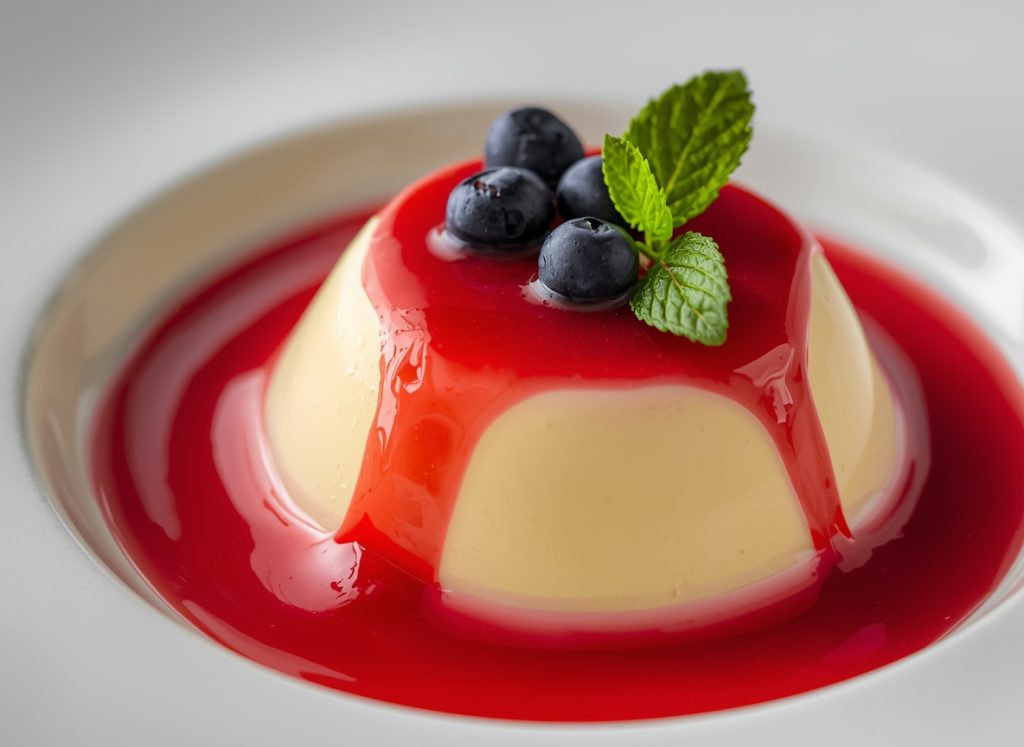

In the realm of desserts, where textures and flavors dance in delicate harmony, few creations embody elegance and simplicity quiet like panna cotta. This luscious, silky delight has captivated palates around the world with its creamy smoothness and subtle sweetness, inviting dessert lovers into a world of refined indulgence. But beyond its velvety surface lies a rich tapestry of history and artistry-a story that traces back to the rolling hills of Italy’s Piedmont region, where humble ingredients transform into a masterpiece of culinary craftsmanship. Join us as we uncover the origins, the technique, and the cultural essence that make panna cotta not just a dessert, but an enduring symbol of Italian gastronomic heritage.
Silky Delight captures the essence of panna cotta-an ethereal, creamy Italian dessert that feels like a delicate whisper on the palate. Originating from the scenic region of Piedmont, this sweet canvas transforms simple, customary ingredients into an elegant finale for any meal.The harmony of fresh cream,fragrant vanilla,and tender gelatin melts into an indulgent silkiness that lingers long after the last bite.
Prep and Cook time
- Preparation: 10 minutes
- Chilling: 4 hours (minimum)
- Total time: Approximately 4 hours 10 minutes
Yield
- Serves 6 individual portions
Difficulty Level
- Easy to Medium – perfect for beginner and intermediate cooks seeking to master dessert finesse
Ingredients
- 2 cups (480 ml) heavy cream,preferably fresh and unwhipped
- ¼ cup (50 g) granulated sugar
- 1 vanilla bean,split lengthwise,seeds scraped out (or 1½ tsp pure vanilla extract)
- 2½ teaspoons powdered gelatin (about 1 packet)
- 3 tablespoons cold water to bloom gelatin
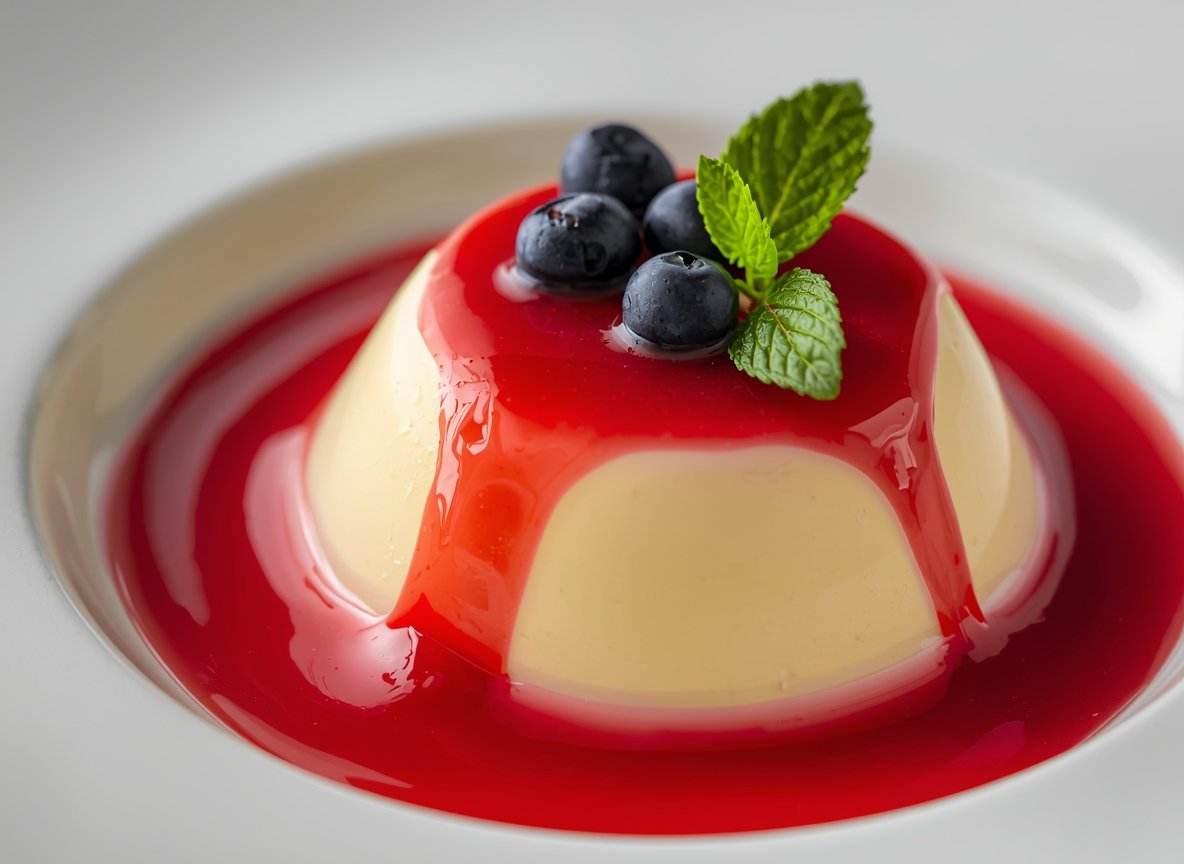
- Optional garnish: fresh berries,mint leaves,or a drizzle of honey or fruit coulis
Instructions
- Bloom the gelatin: Sprinkle the gelatin evenly over the cold water in a small bowl.Let it sit for 5-10 minutes until softened and jelly-like.
- Heat the cream: In a medium saucepan, combine the heavy cream, sugar, and the scraped vanilla seeds along with the pod. Warm slowly over medium heat, stirring occasionally, until sugar dissolves and the mixture is hot but not boiling (about 170°F/77°C).
- Incorporate gelatin: Remove the saucepan from heat. Discard the vanilla pod. Add the softened gelatin to the hot cream and stir gently until completely dissolved, ensuring no lumps remain.
- Flavor infusion: If using vanilla extract instead of the bean, stir it in now, once the mixture has cooled slightly to preserve the flavor’s freshness.
- Pour and chill: Carefully pour the panna cotta mixture into 6 elegant ramekins or molds. Allow to cool slightly before covering with plastic wrap.refrigerate for at least 4 hours, or until fully set with a firm yet delicate wobble.
- Serve with flair: To unmold, dip the ramekins briefly in hot water and invert onto serving plates. otherwise, serve straight from the glass for a rustic charm. Garnish as desired with fresh berries, edible flowers, or a luscious berry coulis for sharp contrast.
Tips for Success
- Perfect texture: Avoid boiling the cream, as overheating weakens the gelatin’s setting ability and impacts the silky mouthfeel.
- Gelatin alternatives: For vegetarian options, use agar-agar powder-but note it sets more firmly and can alter panna cotta’s traditional softness.
- Flavor variations: Infuse the cream with lavender buds, espresso shots, or citrus zest during heating to personalize your panna cotta experience.
- Make ahead: Prepare panna cotta a day in advance-its flavors deepen and texture improves with gentle chilling.
- Unmolding help: Run a thin knife around panna cotta edges if it resists releasing from molds before dipping in warm water.
Serving Suggestions
Silky Delight panna cotta blossoms with simple, elegant accompaniments. Try a vibrant raspberry or strawberry coulis drizzled across the plate for a tart balance. Toasted nuts like almonds or pistachios add a crunchy contrast, while a sprinkle of edible flower petals makes for a visually stunning presentation. For cozy autumnal vibes, top with spiced caramel sauce or poached pears to soak up every creamy bite.
| Nutrient | Per Serving |
|---|---|
| Calories | 320 kcal |
| Protein | 4 g |
| Carbohydrates | 12 g |
| Fat | 28 g |
For a deeper dive into gelatin varieties and their culinary uses, visit FDA’s official gelatin guide. For more luscious Italian desserts, check out our Classic Italian Desserts collection.

Q&A
Q&A: Silky Delight – The Art and Origins of Panna Cotta Dessert
Q1: What is panna cotta,and why is it called “silky Delight”?
A: Panna cotta,literally meaning “cooked cream” in Italian,is a smooth,creamy dessert celebrated for its luscious,melt-in-your-mouth texture. Its silk-like consistency is achieved by gently cooking cream with sugar and gelatin, resulting in a delicate balance of richness and lightness that delights the senses-so the nickname ”Silky Delight.”
Q2: Where did panna cotta originate?
A: Panna cotta hails from the piedmont region in Northern Italy. Though its exact historical origins remain a bit of a culinary mystery, its believed to have emerged in the early 20th century, embodying the Italian tradition of transforming simple, wholesome ingredients into elegant, refined cuisine.
Q3: What makes panna cotta different from other creamy desserts like custard or mousse?
A: Unlike custards, which rely on eggs for thickening, and mousses, which incorporate whipped air for lightness, panna cotta uses gelatin to set the cream into a smooth, tender form without eggs or heavy aeration. This technique yields a uniquely silky texture-solid enough to hold its shape but soft enough to gently wobble on the plate.
Q4: What are the essential ingredients in a classic panna cotta?
A: The classic panna cotta is deceptively simple: heavy cream, sugar, vanilla, and gelatin. This quartet creates a subtly sweet, fragrant canvas primed for endless creative toppings, from fresh berries and caramel to citrus zest and exotic liqueurs.
Q5: How is panna cotta traditionally served?
A: traditionally, panna cotta is chilled and unmolded onto a serving dish where it holds a delicate shape. It is often accompanied by a vibrant sauce-like berry coulis or espresso syrup-that contrasts beautifully with the creamy base, adding both flavor and visual elegance.
Q6: Can panna cotta be customized to suit different diets or flavors?
A: Absolutely! Panna cotta’s flexible recipe invites innovation. Coconut milk or almond milk can substitute dairy for dairy-free versions, while gelatin can be replaced with agar-agar for vegetarians. Flavor infusions-from lavender and rose to coffee and chocolate-expand the dessert’s repertoire exponentially.
Q7: Why has panna cotta gained popularity worldwide?
A: Its rise to international fame stems from its simplicity, sophistication, and versatility. Panna cotta requires minimal ingredients and effort, yet delivers a restaurant-quality dessert experience. Its elegant appearance and customizable nature make it a favorite for chefs and home bakers alike.
Q8: What tips ensure a perfectly silky panna cotta every time?
A: The secret lies in patience and precision: dissolve gelatin gently without boiling, avoid overcooking the cream, chill sufficiently to set properly, and unmold carefully using a warm knife or briefly dipping molds in warm water. This mindful approach unlocks panna cotta’s truly luxurious texture.
Q9: How dose panna cotta embody the spirit of Italian culinary tradition?
A: Panna cotta epitomizes Italy’s “less is more” philosophy-transforming a handful of humble ingredients into a sublime delight through technique and respect for flavor. It reflects the italian ethos of savoring texture, balance, and simplicity, turning everyday cream into an artful final flourish.
Q10: Where can one experience the best panna cotta?
A: The pinnacle of panna cotta awaits in Italy’s northern regions, especially Piedmont, where generations of artisans continue to perfect the craft. Though,thanks to its global embrace,you’ll find silky panna cotta gracing dessert menus worldwide-from cozy trattorias to high-end dining rooms-each rendition a tribute to this timeless Italian treasure.
Insights and Conclusions
as the final spoonful of panna cotta melts gently on the palate, one can’t help but appreciate not only its silky texture but the rich tapestry of history and craftsmanship woven into every bite. From its humble Italian beginnings to its modern reinterpretations around the globe, panna cotta remains a timeless celebration of simplicity and elegance. Whether adorned with fresh berries, a drizzle of honey, or a daring infusion of exotic spices, this dessert continues to enchant with its delicate balance of art and flavor. So next time you savor this creamy delight, remember you’re indulging in a story centuries in the making-a true testament to the enduring beauty of culinary tradition.