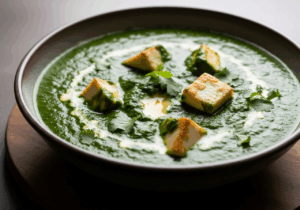

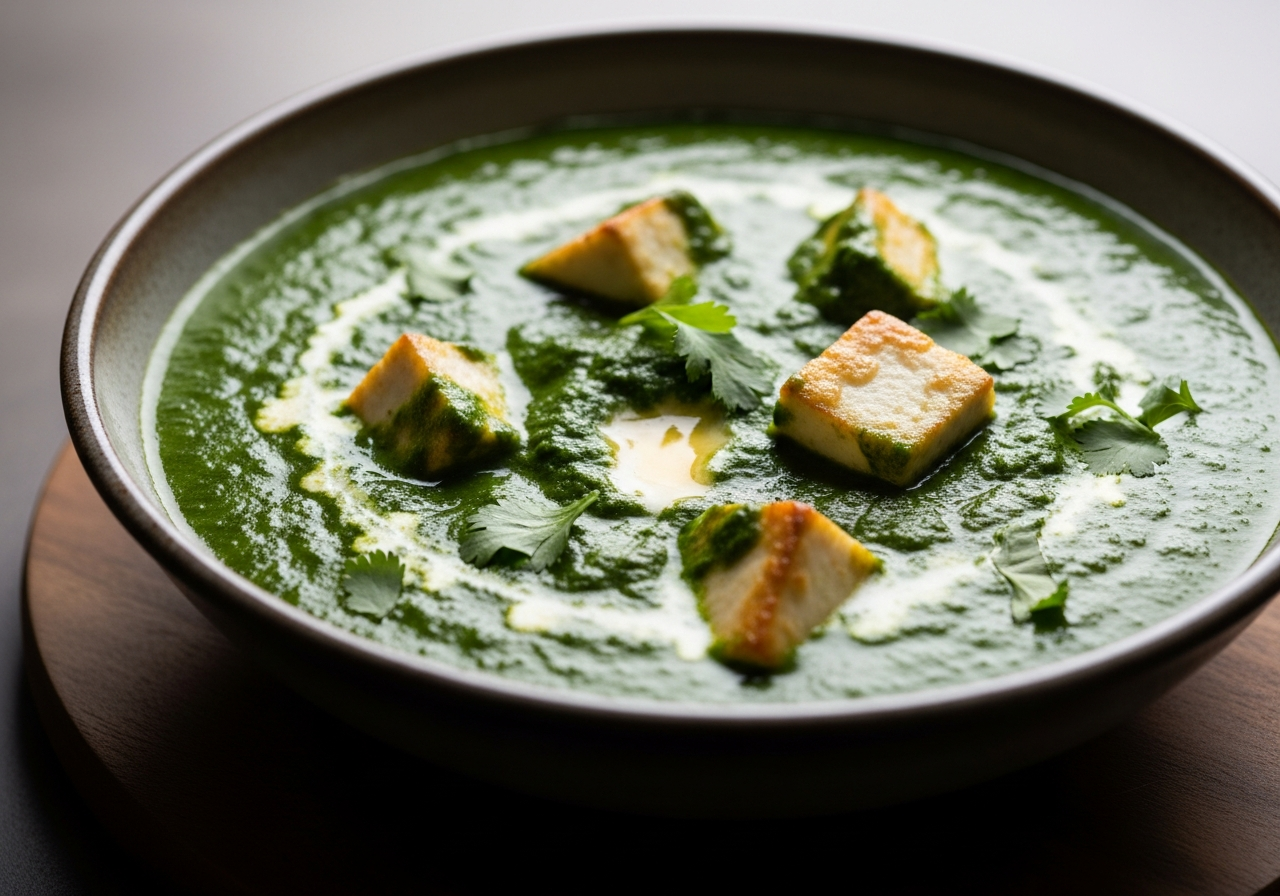
Nestled at the heart of Indian cuisine, Palak Paneer is more than just a dish-it’s a celebration of vibrant flavors and wholesome ingredients coming together in perfect harmony. This beloved classic pairs the earthy richness of fresh spinach with the creamy,delicate texture of paneer cheese,creating a sumptuous medley that delights both the palate and the senses. From humble village kitchens to bustling city restaurants, Palak Paneer invites food lovers on a flavorful journey, weaving tradition and nutrition into every bite. Join us as we explore the origins, culinary magic, and simple secrets behind this iconic spinach and cheese masterpiece.
palak Paneer is much more than a beloved dish-it’s a vibrant reflection of Indian culinary heritage, weaving the nourishing goodness of spinach and the creamy texture of paneer cheese into a harmonious, flavorful experience. Originating from the northern regions of india, this dish carries centuries-old traditions, evolving from rustic home kitchens to celebrated restaurant menus worldwide. My earliest memory of palak paneer involves the warm, comforting aroma filling my grandmother’s kitchen-a fragrant medley of freshly wilted spinach, cumin, and spices balanced by soft cubes of homemade paneer, a dish that always brought family together at the table.
Prep and Cook Time
- Preparation: 15 minutes
- Cooking: 30 minutes
- Total time: 45 minutes
Yield
Serves 4 hearty portions
Difficulty Level
Medium – Perfect for home cooks looking to deepen their skills with Indian flavors
Ingredients
- 500g fresh spinach leaves, washed and roughly chopped
- 200g paneer, cut into 1-inch cubes
- 2 tablespoons ghee or vegetable oil
- 1 medium onion, finely chopped
- 3 cloves garlic, minced
- 1-inch piece ginger, minced
- 2 green chilies, slit (optional, adjust to taste)
- 1 medium tomato, pureed
- 1 teaspoon cumin seeds
- 1 teaspoon garam masala
- 1/2 teaspoon turmeric powder
- 1/2 teaspoon red chili powder (optional)
- 1/4 cup heavy cream or cashew cream for richness
- Salt to taste
- Water as needed
- Fresh coriander leaves, chopped for garnish
Instructions
- Blanch the Spinach: Bring a large pot of water to a boil. Add the spinach leaves and blanch for 2 minutes untill wilted and vibrant green. Immediatly transfer to an ice bath to halt cooking and preserve color.
- Puree the spinach: Drain thoroughly and blend the spinach to a smooth puree using a food processor, adding a tablespoon of water if needed. Set aside.
- Prepare the Paneer: In a skillet, heat 1 tablespoon ghee or oil on medium heat. Lightly sauté the paneer cubes until golden around the edges, about 3-5 minutes. Remove and set aside on paper towels to absorb excess oil.
- Sauté the Aromatics: Add the remaining ghee to the skillet. Toss in cumin seeds; when thay start to crackle, add the chopped onion.Sauté until translucent and golden, roughly 6-8 minutes.
- Add Ginger,Garlic,and Chilies: Stir in the minced garlic,ginger,and slit green chilies,cooking until fragrant,about 1-2 minutes.
- Incorporate Tomatoes and Spices: Pour in the pureed tomato and cook on medium heat until the mixture thickens and oil begins to separate from the masala base. Mix in turmeric, red chili powder, and salt.
- Combine Spinach Puree: Add the spinach puree to the pan, stirring to blend all ingredients. Cook on low heat for 8-10 minutes, allowing flavors to meld. Add water as needed for desired consistency.
- Finish with Paneer and Cream: Gently fold in the sautéed paneer cubes and drizzle heavy cream over the mixture. Simmer for 3-4 minutes more to warm the paneer and enrich the sauce.
- Adjust Seasoning and Garnish: Taste and adjust salt or spice levels. Sprinkle fresh chopped coriander for a pop of color and an herbaceous note.
Tips and Tricks for Elevating Your Palak Paneer Experience
For the creamiest texture, opt for fresh, young spinach with tender leaves. Use homemade paneer if possible for the best melt-in-mouth feel, or look for an Indian grocery store variety that is soft yet holds shape well during cooking. To add depth, roast cumin seeds separately to release more aroma before adding them. When blending spinach, avoid adding too much water to keep its vibrant green hue intact. For a vegan twist, substitute paneer with firm tofu and use coconut cream instead of dairy. Don’t shy away from tempering the dish with a finishing splash of clarified butter (ghee) to boost authenticity and flavor complexity.
Serving Suggestions
Serve palak paneer steaming hot, paired traditionally with fragrant basmati rice or warm butter naan to soak up the luscious sauce.Garnish with a swirl of cream and additional chopped coriander for vibrant presentation. Accompany with cooling cucumber raita or a wedge of lemon to brighten each bite.For a festive touch, sprinkle toasted cashew pieces or a dash of freshly grated nutmeg for unexpected aroma.
| Nutrition per Serving | Amount |
|---|---|
| Calories | 320 kcal |
| Protein | 16g |
| Carbohydrates | 12g |
| Fat | 24g |

Embracing the rich history embedded in every spoonful of this palak paneer invites you to explore Indian culture through its vibrant flavors and soul-warming ingredients. For more inspiring Indian recipes, check out our Ultimate Guide to Essential Indian Spices.
Q&A
Q&A: Palak Paneer – A Flavorful Journey with Spinach & Cheese
Q1: What exactly is Palak Paneer?
A1: Palak Paneer is a classic North Indian dish that beautifully marries tender cubes of paneer (Indian cottage cheese) with a vibrant,creamy spinach gravy. It’s a celebration of textures and flavors-a rich, earthy spinach base balanced by the mild, slightly chewy paneer, creating a comforting and wholesome experience on your plate.Q2: Where did Palak Paneer originate?
A2: While paneer has been a staple in Indian kitchens for centuries, Palak Paneer’s origins trace back to the northern regions of India. It was popularized in Punjabi cuisine,where hearty,vegetable-based curries became part of everyday meals. Over time,this dish has transcended regional boundaries to become a beloved favorite worldwide.
Q3: what makes the spinach in palak Paneer so special?
A3: Spinach, or “palak” in hindi, is not just the star ingredient but the soul of the dish. Its deep green color, nutrient richness, and mild, slightly bitter flavor provide a unique contrast to the creamy paneer.When cooked down and pureed with spices, spinach transforms into a silky, flavorful gravy that carries a slight earthiness and a touch of fresh vibrancy.
Q4: How is paneer made, and why is it preferred in this dish?
A4: paneer is a fresh cheese made by curdling milk with an acidic agent like lemon juice or vinegar. It’s prized for its firm yet soft texture, which holds up well in curries without melting away. In Palak Paneer, paneer’s subtle milky flavor complements and softens the bold taste of spiced spinach, making each bite a perfect harmony.
Q5: What spices typically flavor Palak Paneer?
A5: Palak Paneer is gently spiced,often featuring cumin,garlic,ginger,and green chilies. Garam masala adds warmth, while a pinch of turmeric enhances color and health benefits. these spices are carefully balanced so as not to overpower the delicate spinach and paneer but to elevate their natural flavors into something memorable.Q6: Can Palak Paneer be made healthy without compromising taste?
A6: Absolutely! Palak Paneer is naturally nutrient-dense, thanks to iron-rich spinach and protein-packed paneer. To keep it light, you can use minimal oil, opt for low-fat paneer, and avoid heavy cream-substituting with yogurt or cashew paste for creaminess. the result is a guilt-free indulgence bursting with wholesome goodness.
Q7: What are some popular ways to enjoy Palak Paneer?
A7: Traditionally, Palak Paneer is paired with Indian breads like naan, roti, or paratha, which scoop up the creamy spinach sauce perfectly. It also pairs beautifully with steamed basmati rice or fragrant jeera (cumin) rice. Some innovative twists include serving it over quinoa or stuffing it into wraps for a fusion-friendly meal.
Q8: How has Palak Paneer adapted to global cuisine?
A8: Palak Paneer has found fans far beyond Indian borders, inspiring chefs to reimagine it in diverse ways-think spinach and cheese dips, pasta sauces, or even vegan versions using tofu instead of paneer. Its vibrant flavor profile and comforting texture make it a versatile dish that continues to evolve while staying true to its roots.
Q9: Is Palak Paneer suitable for vegetarians and vegans?
A9: Traditionally, Palak Paneer is vegetarian, making it a favorite among those abstaining from meat. For vegans, swapping paneer with tofu or cashew-based cheese is a popular adaptation, and using coconut cream or cashew cream instead of dairy cream ensures it remains rich and creamy without animal products.
Q10: Why does Palak Paneer remain a beloved dish after all these years?
A10: Palak Paneer’s enduring popularity lies in its perfect balance-nutritious yet indulgent, simple yet nuanced, customary yet adaptable. It’s a dish that tells a story with every spoonful: of cultural heritage, culinary creativity, and the timeless comfort of good food made from simple, wholesome ingredients. Whether enjoyed in a humble home kitchen or a fine dining restaurant, Palak Paneer continues to delight hearts and palates around the world.
To Conclude
As we close this flavorful chapter on Palak Paneer, we’re reminded that this beloved dish is more than just a combination of spinach and cheese-it’s a celebration of tradition, nutrition, and culinary artistry. Each bite tells a story of vibrant greens lovingly blended with creamy paneer, bringing together health and indulgence in perfect harmony.Whether you’re a seasoned cook or a curious food explorer, Palak Paneer invites you to savor a timeless journey packed with bold flavors and rich heritage. So, next time you dip your spoon into this verdant delight, remember you’re partaking in a legacy that continues to inspire kitchens around the world-one delicious bite at a time.