
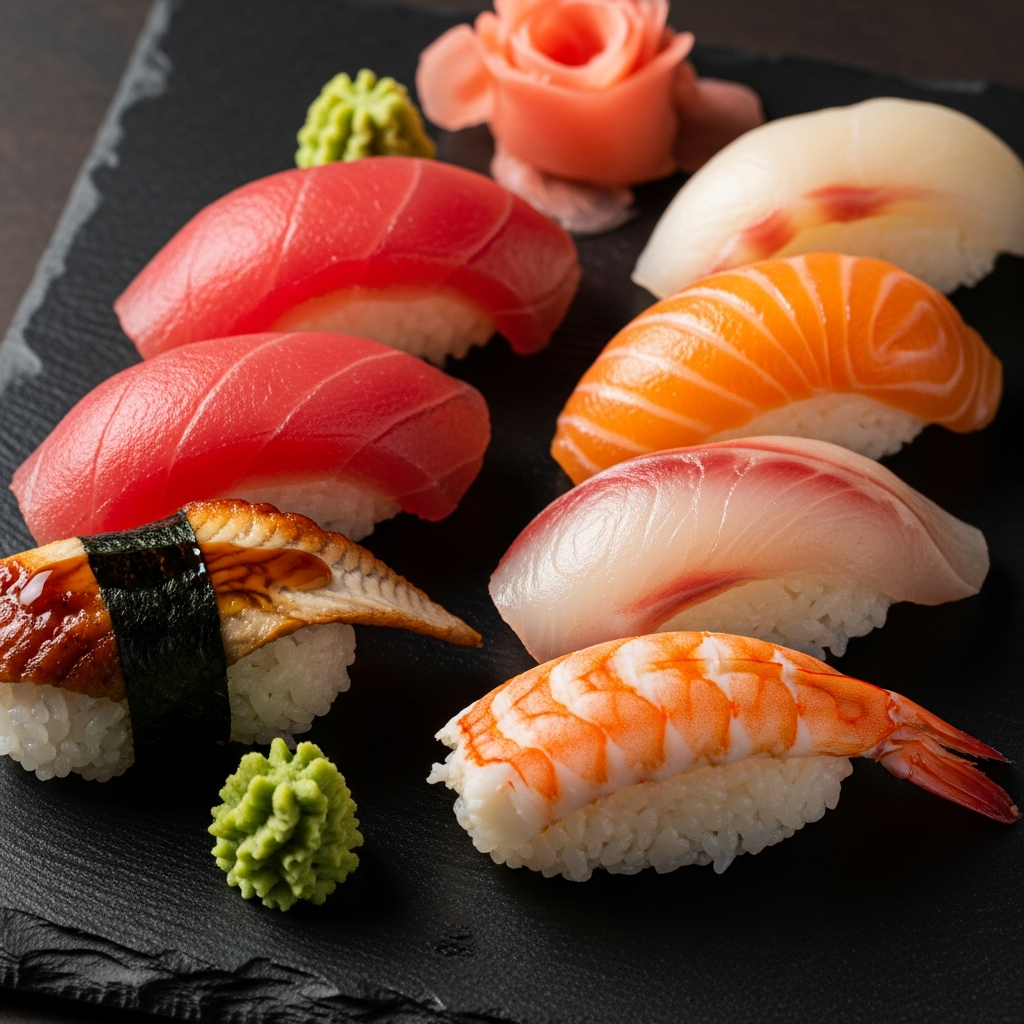
In the realm of Japanese cuisine, few creations embody the delicate harmony of simplicity and artistry quite like nigiri. Often hailed as sushi’s crown jewel, this elegant hand-pressed masterpiece marries vinegared rice with fresh slices of fish, offering a bite-sized experience that captures centuries of tradition and meticulous craftsmanship.But nigiri is more than just food-it is a story wrapped in rice, a cultural emblem that has evolved from humble street fare to global culinary icon. Join us as we unwrap the layers of history, technique, and passion behind nigiri, exploring how this understated delicacy became a symbol of sushi’s enduring allure.
Nigiri Unwrapped: The art and History of Sushi’s Crown Jewel invites food lovers to explore the exquisite origins and meticulous craftsmanship behind nigiri sushi. This humble yet elegant delicacy, originating in Edo-period japan, transforms simple ingredients into a sublime bite bursting with harmony and tradition. As a Culinary Content Creator and Food Stylist, I’ve always been enamored by how each piece tells a story-an interplay of texture, flavor, and history encapsulated in perfectly pressed sushi rice crowned with the freshest fish.
Prep and Cook Time
- Readiness time: 20 minutes
- Cooking Time: 15 minutes (rice preparation)
- Total Time: 35 minutes
Yield
Serves 4 (Approximately 16 nigiri pieces)
Difficulty Level
Medium – Requires basic sushi handling skills and attention to detail
Selecting the Finest Ingredients for Authentic Flavor
The foundation of impeccable nigiri lies in the harmony between the shari (seasoned sushi rice) and the neta (fish or topping). Choose sushi-grade fresh fish like maguro (tuna), hamachi (yellowtail), or ebi (shrimp), sourced from trusted purveyors to ensure pristine texture and taste. For your rice,use a high-quality short-grain variety that becomes sticky yet tender when cooked properly. Equally essential is the sushi-su-a blend of rice vinegar, sugar, and salt-that imparts the signature tang and shine to your rice.
Ingredients
- 2 cups Japanese short-grain sushi rice
- 2 ¼ cups water
- ¼ cup rice vinegar (sushi-su)
- 2 tbsp granulated sugar
- 1 tsp sea salt
- 200g sushi-grade tuna (maguro), thinly sliced
- 200g sushi-grade yellowtail (hamachi), thinly sliced
- 12 cooked shrimp (ebi), peeled and deveined
- Wasabi paste, to taste
- Soy sauce, for serving
- Pickled ginger (gari), for palate cleansing
- Optional: thinly sliced scallions or toasted sesame seeds for garnish
Instructions
- Rinse the Rice: Place the sushi rice in a fine mesh sieve and rinse under cold water until the water runs clear. This removes excess starch for perfect texture.
- Cook the Rice: Combine rinsed rice and water in a rice cooker; cook according to the manufacturer’s instructions. If using a pot,bring to a boil,reduce to simmer,cover tightly,and cook for 15 minutes. Remove from heat and let stand 10 minutes without opening the lid.
- Prepare Sushi-su: In a small saucepan, combine rice vinegar, sugar, and sea salt.Warm gently while stirring until sugar and salt dissolve. Do not boil.
- Season the Rice: Transfer cooked rice to a large shallow wooden or non-metallic bowl. Gently fold the sushi-su into the rice using a wooden spatula, fanning the rice simultaneously to cool and achieve a glossy texture.
- Shape the Nigiri: Wet your hands with a mixture of water and a dash of rice vinegar to prevent sticking. Take a small handful (about 20g) of rice and mold it into a compact,oblong shape using gentle pressure-avoid over-compressing.
- Apply Wasabi and Topping: Dab a small amount of wasabi on one side of a fish slice, then drape it over the rice mound. For shrimp, place directly atop without wasabi unless preferred.
- Final Assembly: Lightly press the fish and rice together, ensuring integrity but keeping a soft bite. Repeat until all pieces are formed.
- Serve Immediately: Arrange the nigiri on a chilled platter, garnished with scallions or sesame seeds if desired.
Tips for Success
- Rice Consistency: Achieving the perfect rice texture is key-sticky but not mushy. Practice rinsing and fanning for that ideal glossy finish.
- Knife Skills: use a sharp, wet knife to slice fish thinly and cleanly, ensuring pieces lay smoothly over rice without tearing.
- Temperature Matters: Keep fish chilled until assembly,but serve nigiri slightly chilled or at room temperature for authentic dining.
- Make-Ahead: Sushi rice is best freshly made; however, cover with damp cloth if preparing early to retain moisture. Avoid refrigerating rice to keep ideal texture.
- Substitutions: If sushi-grade fish is unavailable,try smoked salmon or tamago (Japanese omelet) for a creative twist.
Serving Suggestions
Serve nigiri elegantly on a dark slate or minimalist porcelain plate to highlight the vibrant colors of the neta. Accompany with small dishes of soy sauce and pickled ginger to cleanse the palate between bites.A dab of wasabi can be added atop the fish for spice lovers.Pair with a crisp sake or delicate green tea to elevate the experience.

| nutrient | Per Serving (4 pieces) |
|---|---|
| Calories | 180 kcal |
| Protein | 14 g |
| Carbohydrates | 22 g |
| Fat | 2 g |
Discover more on mastering sushi techniques in our Ultimate Guide to Sushi Rolling. For an in-depth understanding of Japanese culinary tradition and history, explore insights from the japan Guide.
Q&A
Q&A: Nigiri Unwrapped – The Art and History of Sushi’s Crown Jewel
Q1: What exactly is nigiri, and why is it considered the crown jewel of sushi?
A: Nigiri is a delicate hand-pressed mound of vinegared rice crowned with a slice of fresh fish or seafood, often with a dab of wasabi in between. It’s considered the crown jewel because it perfectly balances simplicity and craftsmanship-each piece a miniature masterpiece where texture, flavor, and freshness shine in harmony.Unlike more elaborate sushi rolls, nigiri showcases the purest essence of sushi, allowing the quality of the fish and the skill of the chef to take center stage.
Q2: how did nigiri originate, and what is its place in sushi history?
A: Nigiri’s roots trace back to Edo (now Tokyo) in the early 19th century during the Edo Period. It emerged as a form of fast food for busy city folk, offering a speedy yet refined bite. Originally sold at street stalls, nigiri revolutionized sushi by focusing on fresh, raw fish atop seasoned rice without the fermenting techniques used earlier sushi forms. This innovation laid the foundation for modern sushi culture, elevating nigiri to an iconic status over the centuries.
Q3: What makes the art of nigiri so challenging for sushi chefs?
A: Crafting nigiri demands precision, timing, and an intimate understanding of ingredients. Sushi chefs must master the texture of the rice-soft yet firm enough to hold shape-and slice the fish to the perfect thickness and angle. Even the pressure applied when shaping nigiri is a delicate balance: too firm and it loses fluffiness; too loose and it falls apart. It’s a living art where every detail affects the final flavor and presentation.
Q4: how does the choice of fish or seafood affect the nigiri experience?
A: Each type of fish brings its own personality to nigiri. Tuna offers buttery richness, salmon brings a silky texture, while eel provides a smoky, sweet note when grilled. Seasonal and regional variations introduce unique flavors-like uni (sea urchin) with its creamy umami or ika (squid) with its subtle chew. The best nigiri celebrates the fish’s natural qualities,frequently enough garnished simply to enhance but never overpower.
Q5: Why is vinegared rice so critically important in nigiri?
A: the vinegared rice is nigiri’s foundation, both literally and flavor-wise. It’s seasoned with a delicate blend of rice vinegar, sugar, and salt, giving a subtle tang that complements the fish. The rice’s texture-slightly sticky but airy-balances the seafood’s moisture and richness. Without this careful preparation, nigiri would lose its signature harmony.
Q6: How is nigiri traditionally enjoyed in Japan, and how has that changed globally?
A: traditionally, nigiri is eaten by hand, dipped lightly fish-side down into soy sauce to avoid soaking the rice.It’s often consumed in one bite to savor the blend of flavors simultaneously. Globally, while some rituals persist, nigiri has adapted to new palates and dining styles-sometimes served with diverse toppings or sauces, and frequently enough paired with creative presentations, yet the heart of nigiri remains its respect for simplicity and freshness.
Q7: What should a beginner look for when trying nigiri for the frist time?
A: Look for freshness and balance. The fish should glisten, not appear dull or dry, with a clean, ocean-like aroma. The rice should hold together gently without being mushy. Start with milder fish like salmon or yellowtail, then explore more adventurous types as your palate develops. And remember-savor it slowly to appreciate the subtle dance of textures and flavors.
Through this exploration of nigiri, we unwrap not just a sushi piece, but a centuries-old tradition where culinary artistry and history meld-a true jewel sparkling on the global dining stage.
To Wrap It Up
As the delicate grains of vinegared rice cradle each meticulously sliced fish, nigiri stands as a timeless testament to sushi’s rich heritage and artistry. More than just a dish, it’s a harmonious blend of tradition, technique, and reverence-each piece a story told through texture, flavor, and craftsmanship. By unwrapping the layers of nigiri’s history and technique, we glimpse not only the evolution of a culinary jewel but also the enduring passion that transforms simple ingredients into edible poetry. Whether enjoyed in a bustling Tokyo sushi bar or crafted at home, nigiri invites us to savor not just a meal, but a legacy that continues to inspire and delight palates around the world.