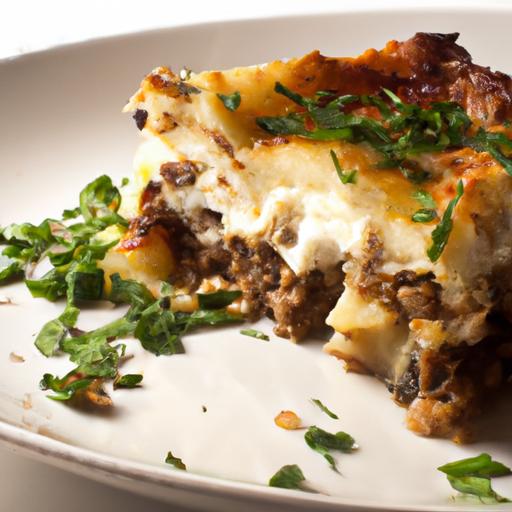

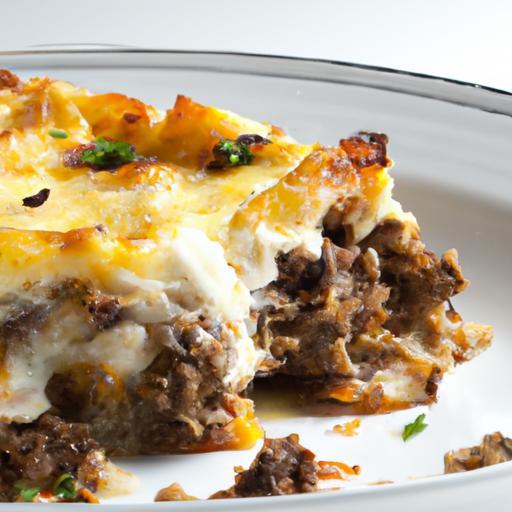
Moussaka, a dish that whispers tales of sun-soaked Mediterranean coasts and ancient culinary traditions, stands as a vibrant tapestry of flavors and history. Beneath it’s golden, baked surface lies more than just a comforting blend of eggplants, spiced meat, and creamy béchamel-it is indeed a testament too centuries of cultural exchange and regional artistry. In “Moussaka Unveiled: A Flavorful Journey Through Tradition,” we embark on an exploration of this iconic dish, uncovering the roots that shaped its evolution and the layers of taste that continue to captivate palates around the world. Prepare to dive into the rich heritage and savory secrets that make moussaka far more than a meal-it’s a flavorful journey through time.
Moussaka Unveiled is your gateway to experiencing the rich, layered heritage of this iconic mediterranean dish. From the sun-drenched lands where eggplants flourish to the kitchens where béchamel and spice-infused sauces simmer to perfection, moussaka is a celebration of tradition and flavor. Whether you’re a seasoned cook or a curious food lover, this guide will inspire you to bring the soul of the Mediterranean to your table with every forkful.
Prep and Cook Time
- planning: 45 minutes
- Cooking: 1 hour 15 minutes
- Total Time: 2 hours
Yield
- Serves 6 hearty portions
Difficulty Level
- Medium: Requires layering technique and timing finesse
Ingredients
- For the Eggplant Layer:
- 3 large eggplants, sliced lengthwise into 1/2-inch thick pieces
- 1/4 cup olive oil, plus extra for brushing
- Salt, to taste
- For the Meat Sauce:
- 500g ground lamb or beef
- 1 large onion, finely chopped
- 3 garlic cloves, minced
- 1 can (400g) crushed tomatoes
- 2 tbsp tomato paste
- 1/2 cup red wine (optional)
- 1 tsp ground cinnamon
- 1/2 tsp allspice
- 1/2 tsp nutmeg
- Salt and freshly ground black pepper, to taste
- 2 tbsp fresh parsley, chopped
- For the Béchamel Sauce:
- 1/2 cup unsalted butter
- 1/2 cup all-purpose flour, sifted
- 4 cups whole milk, warmed
- 2 large eggs, beaten
- 1 cup grated Parmesan or Kefalotyri cheese
- Pinch of freshly grated nutmeg
- Salt and white pepper, to taste
Instructions
- Prepare the eggplant: Sprinkle the sliced eggplants with salt and let them rest on paper towels for 20 minutes to draw out excess moisture and bitterness. rinse and pat dry thoroughly.
- Cook the eggplant: Preheat your oven to 400°F (200°C). brush each slice lightly with olive oil and arrange on a baking sheet lined with parchment. Roast for 20 minutes,flipping halfway,until golden and tender but firm enough to hold their shape.
- Make the meat sauce: In a large pan over medium heat,heat 1/4 cup olive oil. Sauté onions and garlic until translucent, about 4 minutes. Add ground meat; cook until browned, breaking up lumps.
- Stir in crushed tomatoes, tomato paste, red wine (if using), cinnamon, allspice, nutmeg, salt, and pepper. Simmer gently for 25-30 minutes until thickened. Stir in parsley and remove from heat.
- Prepare the béchamel sauce: Melt butter in a saucepan over medium heat. Whisk in flour and cook for 2 minutes without browning, forming a roux.
- Gradually add warmed milk, whisking constantly to prevent lumps. Cook until sauce thickens and coats the back of a spoon, about 8-10 minutes. Remove from heat.
- Temper beaten eggs by adding a small amount of warm sauce into the eggs,then whisk eggs back into the saucepan. Stir in cheese, nutmeg, salt, and white pepper.
- Assemble the moussaka: In a deep baking dish, layer half the eggplant slices to cover the bottom evenly. Spread the entire meat sauce over the eggplant. Top with the remaining eggplant slices, arranging them snugly.
- Pour the béchamel sauce evenly over the final layer,smoothing it gently with a spatula.
- Bake: Place in the preheated oven at 350°F (175°C) for 45-50 minutes until the top is set and golden brown.
- Allow to rest for at least 20 minutes before cutting to let the layers set beautifully for clean serving.
Tips for Success: Mastering Moussaka Unveiled
- For perfectly creamy béchamel, temper your eggs slowly and ensure the sauce isn’t too hot when adding them to avoid scrambling.
- Roasting eggplant rather than frying reduces grease and keeps the layers intact without sogginess.
- Use fresh, high-quality meat and don’t rush the simmering of the meat sauce-it develops the depth and warmth that signature the dish.
- Make moussaka a day ahead; it tastes even better as flavors meld overnight, and slicing becomes easier.
- Experiment with a spiced béchamel by adding smoked paprika or a pinch of cayenne for a bold twist inspired by Eastern Mediterranean variations.
Serving Suggestions and Wine Pairings
Present your moussaka slices with a sprinkle of fresh parsley or a light dusting of grated hard cheese for a shining contrast.Pairing it with a classic Greek salad-crisp cucumbers, tomatoes, Kalamata olives, and creamy feta-provides a refreshing balance to the richness.
For wine, an earthy, medium-bodied red like a Agiorgitiko or a fruity Grenache complements the deep meat and spice notes beautifully. Alternatively, a chilled rosé or a full-bodied white like Assyrtiko offers a vibrant counterpoint, enhancing the layered flavors.

| Nutrient | Per Serving |
|---|---|
| Calories | 480 kcal |
| Protein | 32 g |
| Carbohydrates | 18 g |
| Fat | 30 g |
Unlock the full potential of moussaka Unveiled by exploring our Greek cuisine classics for more sumptuous Mediterranean recipes.For further reading on the historical layers of Mediterranean dishes, visit Britannica’s overview of Moussaka.
Q&A
Q&A: Moussaka Unveiled – A Flavorful Journey Through Tradition
Q1: What is moussaka,and where does it originate from?
A: Moussaka is a beloved layered casserole dish,traditionally made with eggplant,ground meat,and a creamy béchamel sauce. Its roots trace back to the Mediterranean, with Greece often credited for the most iconic version. However, variations appear across the Balkans and Middle East, each adding their own cultural twist to this comforting classic.
Q2: How did moussaka become a symbol of Mediterranean cuisine?
A: Moussaka’s rise to culinary fame lies in its harmonious blend of local ingredients and rich textures-eggplant’s tender bite meets savory meat and silky béchamel. This balance reflects the Mediterranean ethos of simplicity and bold, fresh flavors. Over time, it evolved beyond home kitchens to become a national emblem, notably in Greece, showcasing the vibrancy of regional cooking.
Q3: What are the customary ingredients in a classic Greek moussaka?
A: The foundational pillars include sliced eggplants, spiced ground lamb or beef, onions, tomatoes, garlic, cinnamon, and nutmeg. The crowning touch is the thick, creamy béchamel sauce, baked until golden and bubbling. Each ingredient contributes layered aromatics and textures, culminating in a dish that’s both hearty and complex.
Q4: How does moussaka differ across cultures?
A: While Greek moussaka emphasizes béchamel and lamb,Turkish versions might incorporate potatoes and a tomato-based sauce without béchamel. In Lebanon, eggplants are stuffed and stewed with chickpeas and a fragrant tomato sauce. These regional takes reflect local produce, spices, and culinary customs, proving moussaka’s versatile nature as it adapts across borders.
Q5: What makes the béchamel sauce so essential in moussaka?
A: Béchamel acts as the silken glue that binds the layers, infusing creaminess and creating a luxuriously smooth top crust. Its subtle nutmeg seasoning complements the spiced meat below, providing a perfect contrast to the earthy eggplant. Without it,moussaka loses a key element of textural and flavor harmony.
Q6: Can moussaka be adapted for modern dietary preferences?
A: Absolutely! Vegetarian and vegan versions swap meat for lentils, mushrooms, or hearty vegetables and replace béchamel with cashew cream or coconut-based sauces. Gluten-free flour can thicken the sauce, and baking methods remain largely the same, making moussaka a versatile canvas for contemporary cooks while honoring tradition.
Q7: What’s the best way to enjoy moussaka?
A: Moussaka is at its finest when served warm, allowing the layers to meld and the béchamel’s top to retain its delicate crust. Pair it with a crisp salad or tangy tzatziki to balance the richness. Like many great comfort foods, it tastes even better the next day, making it a perfect dish for gathering and sharing.
Q8: Why does moussaka resonate so deeply with people worldwide?
A: Moussaka embodies the essence of home-cooked comfort fused with centuries of cultural storytelling. Every bite invites you into a narrative of tradition, innovation, and community. Its rich flavors and textures offer more than sustenance-they provide a sensory journey through history and the heart of Mediterranean hospitality.
Future Outlook
As we close the chapter on our flavorful journey through the layers of moussaka, it becomes clear that this dish is much more than a comforting meal-it is a tapestry woven from history, culture, and culinary artistry. Each bite tells a story of Mediterranean sun-soaked landscapes, family kitchens, and timeless traditions passed down through generations.Whether enjoyed in a bustling taverna or prepared lovingly at home, moussaka invites us to savor not just its rich, hearty flavors, but also the vibrant heritage that brings this iconic dish to life. So next time you slice into a golden, aromatic serving, remember: you’re partaking in a legacy that celebrates the soul of tradition, one delicious layer at a time.