
In the heart of Moroccan culture, where vibrant markets hum with life and ancient traditions weave through daily rituals, a simple cup of tea transcends refreshment to become a symbol of hospitality and heritage. The art of Moroccan mint tea is a delicate dance of fragrant green leaves, fresh mint, and sweetened warmth poured with graceful precision.More than just a beverage,it is an invitation – a moment suspended in time that brings people together in conversation and connection. This article uncovers the secrets behind this iconic elixir, exploring its rich history, meticulous preparation, and the cultural meaning that makes Moroccan mint tea a timeless tradition celebrated around the world.
The Historical Roots and Cultural Significance of Moroccan Mint Tea
Moroccan mint tea is far more than a soothing beverage; it embodies centuries of tradition, hospitality, and identity woven into Moroccan culture. Originating from the introduction of green tea by Portuguese traders in the 17th century, this sparkling drink blossomed into a symbol of social connection and ceremonial grace throughout the Maghreb region. Served steaming hot, sweetened perfectly, and infused with fresh spearmint, it is indeed customary to pour it from a height to create a frothy head-a gesture reflecting respect and artistry. In Moroccan homes,the preparation and sharing of mint tea forge bonds,signal welcome,and invite conversation over countless stories,making it a timeless ritual that transcends mere refreshment.
Selecting the Finest Ingredients for an Authentic Brew
Achieving an authentic Moroccan mint tea begins with selecting high-quality components that balance aroma, flavor, and sweetness. The foundation is gunpowder green tea, named for its tightly rolled leaves resembling pellets. This tea delivers a robust yet mellow base that harmonizes beautifully with the crisp, cooling effect of freshly picked spearmint leaves.Opt for vibrant, unblemished mint sprigs to release the fullest fragrance and avoid wilted herbs. Lastly, choose natural cane sugar or honey to sweeten the brew-characteristic of Moroccan tea’s signature smooth sweetness.
Mastering the Pouring Technique to enhance Flavor and Aroma
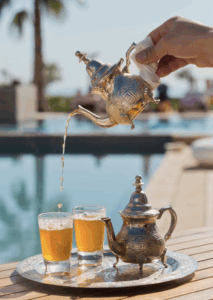
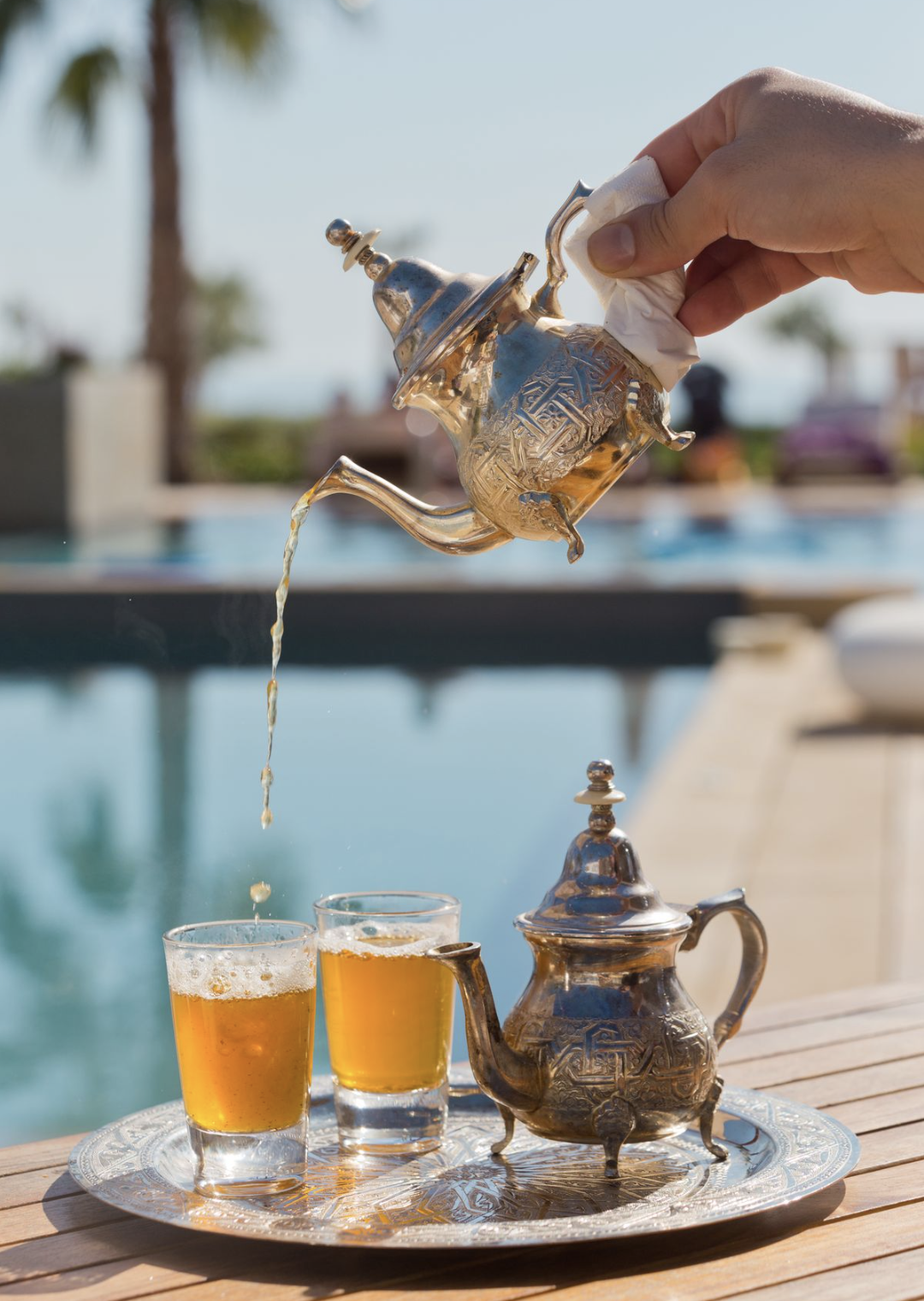
The magic of Moroccan mint tea lies not only in its ingredients but in the elegant, purposeful pouring technique that aerates and melds flavors. Traditionally, tea is poured from a height of six inches or more into small, intricately decorated glasses. This method mixes the tea and mint thoroughly, forming a delicate foam atop the glass, which captures the aromatic oils of the mint and elevates every sip. The rhythm is essential-pour slowly and steadily, allowing the cascading liquid to release the fragrant steam. This mindful pouring invites you to appreciate the tea’s fresh,bright nose and the subtle sweetness that dances on the palate.
Serving Suggestions and Pairings to Elevate Your Tea Experience
Presenting Moroccan mint tea with thoughtful accompaniments enhances its cultural authenticity and enjoyment. Serve the tea in beautifully decorated glasses, nestled on traditional metal trays with ornate teapots, inviting guests to savor each serving. Pair it with light Moroccan pastries such as ghriba (almond cookies), honey-drenched chebakia, or flaky briouats filled with nuts or dates. These sweet treats contrast the tea’s refreshing zest, creating a perfect balance.
For a modern twist,try pairing Moroccan mint tea with spiced nuts,fresh fruit slices,or even savory finger foods like marinated olives or grilled lamb skewers. Not only do these pairings pay homage to the tea’s roots, but they amplify the social experience, transforming a simple drink into a multisensory celebration of flavor and tradition.
Prep and Cook Time
- Preparation: 5 minutes
- Brewing: 10 minutes
- Total Time: 15 minutes
Yield
Serves 4 generous glasses
Difficulty Level
Easy to Medium – Mastery of pouring technique adds elegance
Ingredients
- 2 heaping teaspoons gunpowder green tea leaves
- 1 large handful fresh spearmint leaves, plus extras for garnish
- 4 cups boiling water
- 3-4 tablespoons natural cane sugar (adjust to taste)
Instructions
- warm the teapot: Pour a little boiling water into a traditional Moroccan teapot or heatproof vessel. Swirl and discard to warm the pot and enhance steeping.
- Rinse the tea leaves: Add green tea leaves to the pot, pour half a cup of boiling water, swirl gently, then pour out this first infusion to remove bitterness and impurities.
- Steep the tea: Add the rest of the boiling water to the pot along with fresh spearmint leaves and sugar. Stir gently and cover, letting it steep for 5-7 minutes until fragrant and slightly sweetened.
- Mix flavors: Stir the tea vigorously from a low height to blend sugar and mint evenly. This step ensures balance before serving.
- Pour the tea: Hold the teapot about 6-8 inches above your glass and pour slowly to create a frothy, aromatic foam on top. Repeat in each glass, adding fresh mint sprigs as garnish.
Tips for Success
- use fresh, bright mint leaves for maximum aroma-avoid bruised or yellowed leaves.
- Gunpowder green tea is essential.Avoid other green teas as they lack the distinctive flavor and rolling style crucial to authenticity.
- Adjust sugar gradually; Moroccan mint tea is traditionally quite sweet but always adapt to your taste!
- If you lack a tall teapot,use a regular teapot but pour from the highest point possible to aerate the tea effectively.
- Make ahead: brew the tea base and reheat gently before pouring and serving fresh mint for an inviting aroma.
Serving Suggestions and Pairings
- Serve in clear Moroccan tea glasses to showcase the tea’s deep amber color.
- Accompany with ghriba (Moroccan almond cookies) or chebakia for a sweet finish.
- Garnish with fresh mint sprigs for visual appeal and layered fragrance.
- For tea time gatherings, pair with light nuts, dried fruits, or savory mezze platters.
| Nutritional Details (per serving) | Calories | Protein | Carbs | Fat |
|---|---|---|---|---|
| Moroccan Mint tea | 80 | 0.2g | 21g (mostly from sugar) | 0g |

Discover more about the rich flavors of North African cuisine in our Moroccan Couscous Recipes article. For an in-depth look at tea cultures worldwide, visit the Encyclopaedia Britannica on Tea.
Q&A
Q&A: The Art of Moroccan Mint Tea: A Refreshing Tradition Unveiled
Q1: What makes Moroccan mint tea so special compared to other teas?
A1: Moroccan mint tea is more than just a beverage-it’s a symbol of hospitality, culture, and tradition.Unlike many teas served around the world, it blends green gunpowder tea with fresh spearmint leaves and a generous helping of sugar. The art lies in the brewing process and the delicate balance of flavors, producing a refreshing, aromatic drink that embodies Moroccan warmth and conviviality.
Q2: How is moroccan mint tea traditionally prepared?
A2: The preparation is a graceful ritual.First, green tea leaves are rinsed to remove bitterness. Then, boiling water is poured over them and steeped briefly. Fresh mint leaves and heaps of sugar are added. The tea is poured repeatedly from a height into small glasses, creating a frothy top and mixing the flavors perfectly. This pouring technique not only aerates the tea but also cools it to the ideal sipping temperature.
Q3: Why is the pouring technique so critically important in Moroccan mint tea culture?
A3: The high pouring is both practical and symbolic. It aerates the tea, balancing the bitterness of green tea with the sweetness of sugar and mint’s freshness. Symbolically, the flourish adds a sense of ceremony and respect to the serving process. It’s an art form that expresses generosity and elegance, frequently enough practiced by host and guest alike as a moment of connection.
Q4: What role does Moroccan mint tea play in social and cultural settings?
A4: Mint tea is the heartbeat of Moroccan social life. It welcomes guests,bridges conversations,and marks celebrations. Serving tea is an act of friendship and respect, frequently enough accompanied by sweet or nutty treats. It’s a shared experience that transcends language-offering comfort, warmth, and a moment to savor life’s simple joys.
Q5: Can Moroccan mint tea be enjoyed year-round?
A5: Absolutely! Though it’s cooling and refreshing for hot summer days, Moroccan mint tea is equally cherished in winter. Its soothing combination of mint and warmth offers a comforting solace against the cold. In every season, it invites pause and pleasure, embodying a timeless tradition that refreshes body and soul.
Q6: How can someone recreate the authentic taste of Moroccan mint tea at home?
A6: Start with quality green gunpowder tea and fresh spearmint-preferably Moroccan mint if you can find it. Use plenty of sugar to balance the bitterness, and don’t rush the brewing process. Pour the tea from a height to froth the surface, or at least stir gently to incorporate air. Serve in small, clear glasses to admire the vibrant color. With patience and care, your kitchen can transform into a Moroccan salon, steeped in aromatic magic.
Moroccan mint tea is more than a drink-it’s a dance of flavors and hospitality, waiting to be discovered sip by sip.
Wrapping Up
As the last drops of Moroccan mint tea swirl gently in the glass,the experience lingers-a harmonious blend of history,culture,and craft steeped into every pour. More than just a beverage, this refreshing tradition invites us to slow down, savor connection, and appreciate the artistry behind each cup. Whether shared under the sun-dappled shade of a Marrakechi courtyard or brewed in a bustling modern kitchen, Moroccan mint tea remains a timeless symbol of hospitality and warmth, reminding us that sometimes, the simplest rituals carry the richest stories. So next time you cradle a glass of this emerald elixir, let it transport you to the heart of Morocco’s vibrant heritage-one sip at a time.