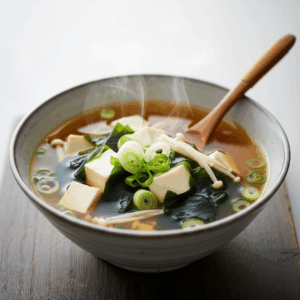

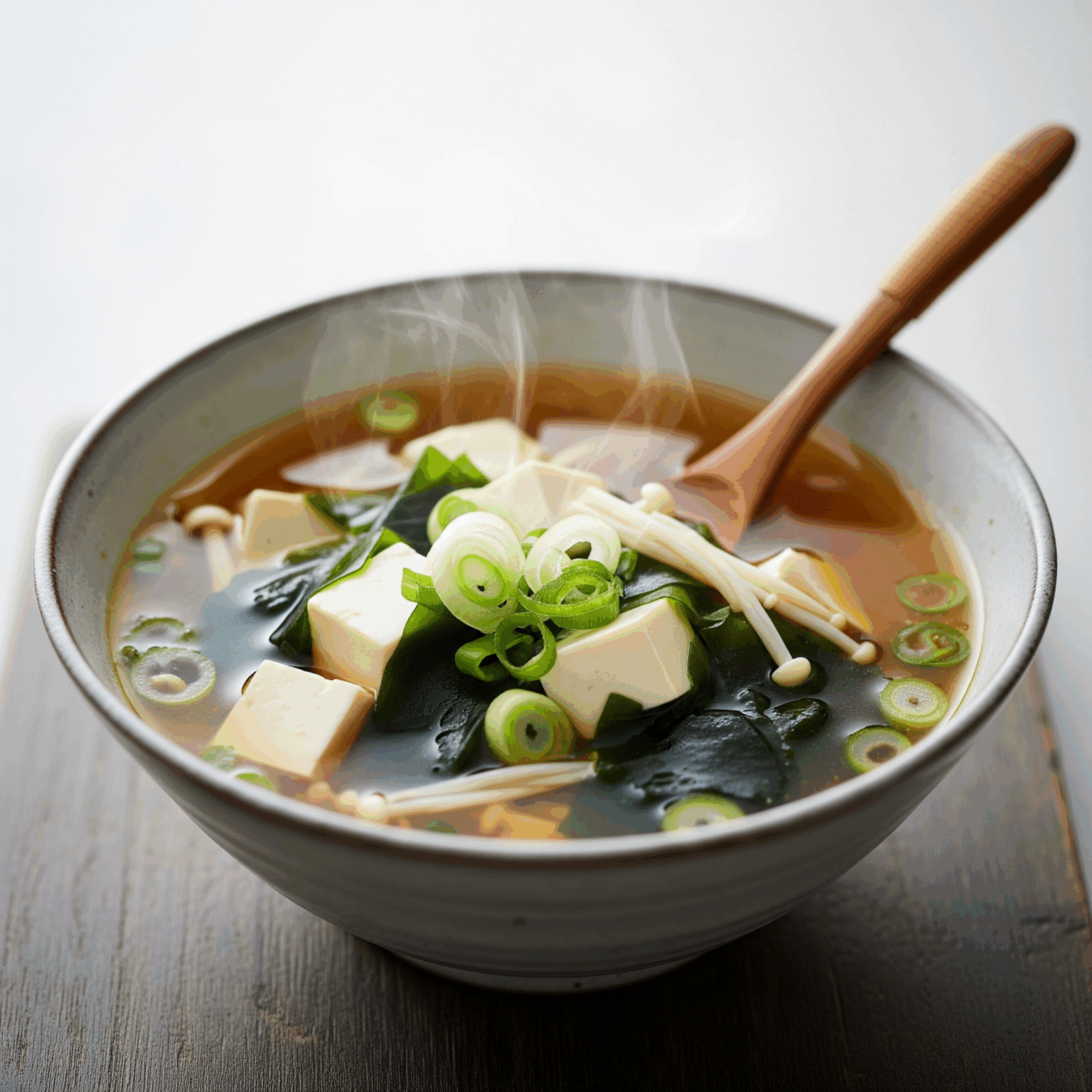
Beneath the humble surface of a steaming bowl of miso soup lies a world rich with history, culture, and intricate flavors waiting to be discovered. Frequently enough enjoyed as a simple starter or comforting companion in japanese meals, miso soup is much more than just a warm broth-it is indeed a culinary tapestry woven from ancient fermentation techniques, umami secrets, and regional variations that echo centuries of tradition. In this exploration, we dive deep into the enigmatic depths of miso soup, unveiling the mysteries behind its layers of taste, the health benefits tucked within, and the stories that make this everyday dish a profound symbol of Japan’s gastronomic heritage. Prepare to journey beyond the familiar sip, and uncover the captivating complexity that simmers beneath the surface.
Unveiling the Mysteries Hidden in Miso Soup’s Depths reveals a culinary journey steeped in centuries of tradition and rich cultural essence. This humble yet profound Japanese elixir has comforted souls and nourished bodies through its unique fermentation, blending simplicity with depth. Each spoonful carries the whispers of ancient rituals, the umami artistry of koji fermentation, and the timeless harmony between nature and nourishment. My first encounter with miso soup came on a chilly winter evening in Kyoto, where its warm, savory embrace instantly connected me to Japan’s storied past and vibrant culinary fabric.
Prep and Cook Time
- Preparation: 10 minutes
- Cooking: 15 minutes
- Total Time: 25 minutes
Yield
- 4 servings
Difficulty Level
- Easy
Ingredients
- 4 cups kombu (dried kelp) infused dashi stock
- 3 tbsp white or yellow miso paste (preferably unpasteurized)
- 1/2 cup sliced shiitake mushrooms
- 1/2 cup diced silken tofu
- 2 tbsp thinly sliced green onions (scallions)
- 1/4 cup wakame seaweed, soaked and drained
- Optional: a pinch of togarashi spice or a dash of yuzu zest for brightness
Instructions
- Prepare the Dashi: Soak a 4-inch strip of kombu in 4 cups of cold water for at least 30 minutes. Slowly bring to a gentle simmer over medium heat, then remove the kombu just before the water boils to avoid bitterness.
- Sauté Mushrooms: In a small pan, lightly sauté the shiitake slices in a teaspoon of sesame oil until fragrant and slightly caramelized-about 3-4 minutes. This adds a deeper layer of umami to yoru soup.
- Combine Ingredients: Pour the warm dashi back into a pot. Add sautéed shiitake, soaked wakame, and tofu gently. Heat on medium-low, ensuring the tofu remains intact and the broth warms carefully.
- Dissolve the Miso: Ladle a half cup of hot broth into a small bowl.Whisk the miso paste until smooth to prevent clumps, then stir the mixture back into the pot. Avoid boiling once miso is added,to preserve its enzymes and flavor.
- Final Touches: Add sliced green onions and stir gently. For extra flair, sprinkle a tiny pinch of togarashi or a few drops of yuzu zest to elevate the sensory experience without overpowering the soup’s subtle charm.
- Serve Promptly: Ladle the soup into traditional bowls and enjoy its steaming, comforting aroma and silky texture.
Tips for Success
- Choose your miso wisely: White miso provides a gentle sweetness and lighter color, while red miso offers a heartier, more intense flavor-try blends to find your signature taste.
- Homemade dashi elevates authenticity: Kombu and dried bonito flakes create the classic base, but vegan-friendly dashi can be made with just kombu and shiitake mushrooms.
- Temperature is critical: Never boil the soup once miso is added to preserve beneficial probiotics and prevent bitterness.
- Make ahead: Prepare dashi broth in advance and store in the fridge for up to 3 days to speed up weekday dinners.
- Ingredient variations: Add enoki mushrooms, daikon radish, or thinly sliced carrots for seasonal adjustments and texture contrasts.
Serving Suggestions
present your miso soup in rustic ceramic bowls that showcase its golden translucence and colorful toppings. Garnish with finely sliced scallions, a sprinkle of toasted sesame seeds, or a few flakes of bonito for extra umami visual appeal. Pair with a side of steamed rice and pickled vegetables for a balanced and authentic Japanese meal experience. Offering warm wooden spoons or lacquered soup spoons enhances the sensory pleasure and honors tradition.

| Nutrient | Per serving |
|---|---|
| Calories | 90 kcal |
| Protein | 6 g |
| Carbohydrates | 7 g |
| Fat | 3 g |
Immerse yourself in the vibrant tradition of miso soup and savor the nourishment and cultural richness hidden in every bowl. For deeper insight into Japanese culinary foundations, explore our history of dashi soup and discover the art behind Japan’s soup mastery.To learn about the science behind fermentation and probiotics in miso,visit this NCBI article on fermented foods.
Q&A
Q&A: Unveiling the Mysteries Hidden in Miso Soup’s depths
Q1: What makes miso soup more than just a simple broth?
A1: At first glance, miso soup appears humble-just broth, tofu, seaweed, and green onions. Yet beneath its surface lies centuries of tradition, fermentation magic, and umami alchemy. Each bowl is a living narrative of Japanese culture, where the depths of flavor mirror the depth of history and craftsmanship involved in creating miso paste.
Q2: How does fermentation influence the character of miso soup?
A2: Fermentation is the soul of miso paste. Through the slow conversion by microbes, soybeans and grains develop complex amino acids and probiotics that give miso its signature umami punch. This process not only deepens flavor but also imbues the soup with healthful benefits, making every sip a blend of taste and wellness.Q3: Are there different “depths” or layers to miso soup’s flavor?
A3: Absolutely. Miso soup is like an ocean of taste where salty, sweet, savory, and even slightly tangy layers dance together. The type of miso-white (shiromiso), red (akamiso), or mixed (awase miso)-and additional ingredients like dashi (broth made from bonito flakes or kelp) build stratified depths that tantalize the palate from the first sip to the last.
Q4: What symbolic meanings does miso soup carry in Japanese culture?
A4: Miso soup is more than nourishment; it’s a symbol of home and comfort. Traditionally served at every meal, it represents balance and harmony, uniting simple ingredients into a cohesive whole. Its presence on the table is a reminder of nature’s bounty, seasonal cycles, and the enduring relationship between food and identity.
Q5: Can you share a lesser-known fact about miso soup’s ingredients?
A5: Seaweed, frequently enough wakame, is a superstar hiding in miso soup. Beyond adding texture and earthiness,it’s a powerhouse of iodine and minerals essential for human health. Moreover, the tiny algal cells release natural glutamates that enhance umami, elevating the broth’s flavor to transcendent depths.
Q6: How can someone experience these mysteries at home?
A6: To truly dive into miso soup’s depths,start by choosing quality miso paste and fresh dashi ingredients.Experiment with varying miso types and add-ins like mushrooms or seasonal vegetables to layer flavors. Savor slowly-there’s a meditative quality in tasting the evolving symphony of complexity that simple ingredients can create when honored patiently.
Q7: Why does miso soup feel comforting beyond taste?
A7: The warmth of miso soup reaches beyond the palate; it soothes the spirit. The familiar aroma, the gentle heat, and the umami richness engage all senses, creating a sensory embrace.This multisensory comfort is a reminder that food can nurture body and soul, making miso soup a timeless culinary sanctuary.—
In every bowl of miso soup lies a story, waiting to unfold beneath its savory surface-an ancient mystery inviting us to savor not just a meal, but a tradition woven in flavor and time.
Final Thoughts
As we draw back the curtain on the subtle complexities and time-honored traditions simmering within a simple bowl of miso soup, it becomes clear that this humble dish is far more than just a comfort food. Each spoonful carries centuries of culture,a symphony of flavors,and a delicate balance of nutrition and artistry. By appreciating the layers hidden beneath its surface-from the fermented miso paste to the delicate dashi broth and the thoughtful garnishes-we not only savor its taste but also connect with a rich heritage that has nourished bodies and souls alike.So next time you sip on this unassuming soup, remember: within its depths lies a world waiting to be discovered, one savory mystery at a time.