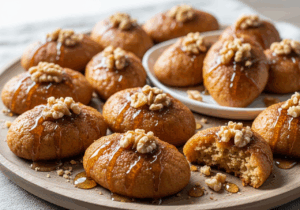

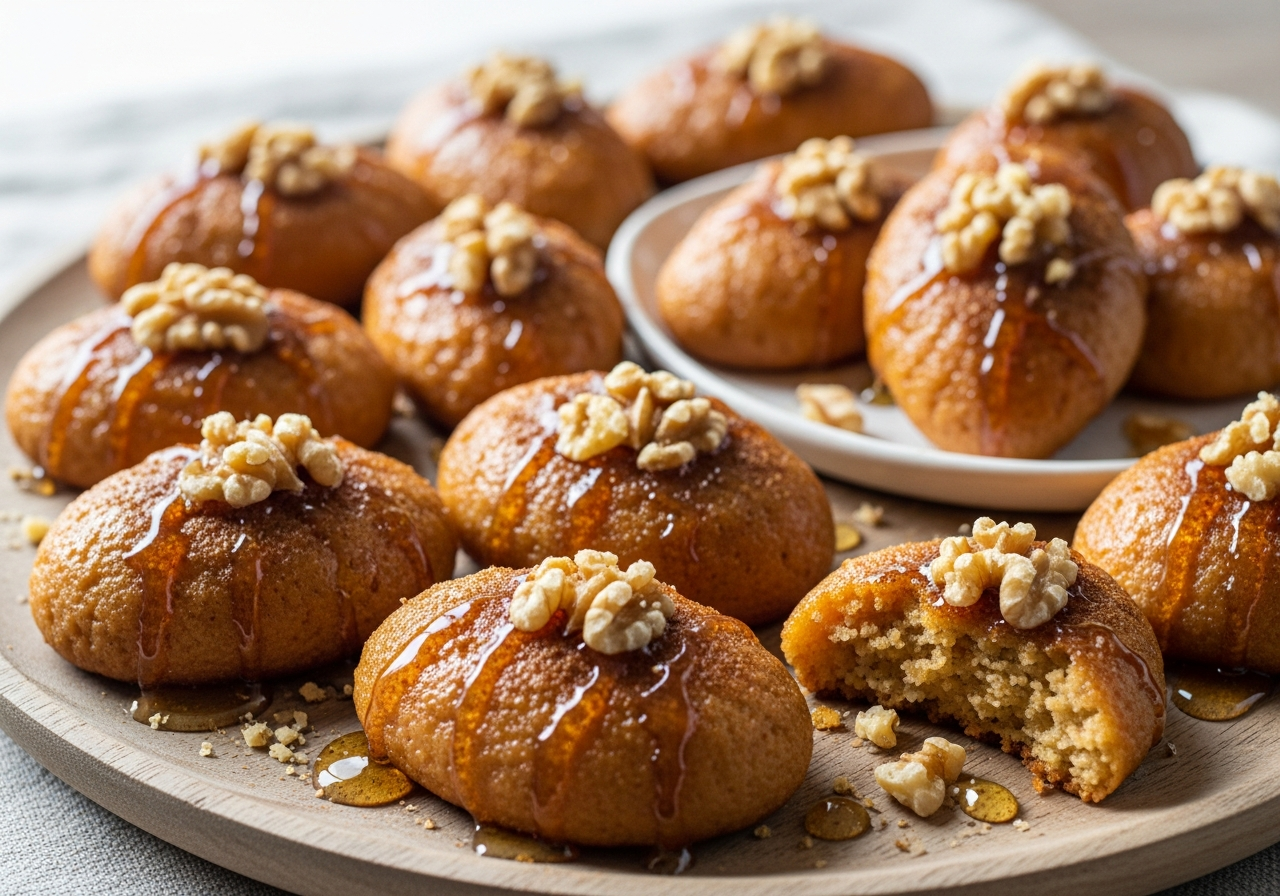
Step into the warm embrace of a greek kitchen during the festive season,where the air is thick with the sweet aroma of spices adn honey-soaked delights. Among these treasured treats, melomakarona stands out-a cookie that is not just a dessert but a tradition woven into the vrey fabric of Greek culture. Crisply baked, delicately drenched in golden honey syrup, and sprinkled with fragrant walnuts, these honey cookies embody centuries of history, festivity, and family gatherings.In this guide, we’ll unlock the secrets behind making authentic melomakarona, inviting you to experience the magic of Greece’s beloved holiday sweet and bring a taste of Mediterranean warmth to your own table.
Discover the Essence of Melomakarona Magic: A Journey Through Its History and Flavors
Melomakarona Magic brings to life an authentic Greek tradition that transcends mere baking to become a soulful celebration of heritage and warmth. These honey cookies, cherished throughout Greece especially during the holiday season, are not just treats-they are edible stories steeped in ancient customs and regional nuances. Originating from Byzantine times, melomakarona have evolved from simple honey and wheat cakes into rich spiced delicacies glazed with syrup and adorned with nuts, embodying the perfect harmony between sweetness and aromatic complexity.
My first encounter with melomakarona was at a festive family gathering in Athens, where the home smelled like orange blossoms, cinnamon, and cloves-all wrapped lovingly inside these golden morsels. Mastering this recipe means unlocking layers of flavor and texture that honor Greek culinary art,inviting you into a world where tradition melts on your tongue with every bite.
Prep and Cook Time
- Planning: 25 minutes
- Cooking: 25 minutes
- Cooling & Soaking: 30 minutes
- Total Time: Approximately 1 hour 20 minutes
Yield
About 30 medium-sized melomakarona cookies (serves 8-10)
Difficulty Level
Medium – Requires attention to texture and timing for syrup absorption
Ingredients
- 2 cups all-purpose flour, sifted
- 1 cup fine semolina
- ½ cup extra virgin olive oil
- ½ cup melted unsalted butter, cooled
- ¾ cup pure honey
- ½ cup freshly squeezed orange juice
- Zest of 1 orange
- 1 tsp baking soda
- 2 tbsp cognac or brandy (optional)
- 1 tbsp ground cinnamon
- 1 tsp ground cloves
- ½ cup finely chopped walnuts (plus extra for garnish)
- For the syrup:
- 1 cup water
- 1½ cups sugar
- 1 cup honey
- 1 cinnamon stick
- 1 strip of lemon peel
Instructions
- Begin by preparing the syrup: In a saucepan, combine water, sugar, honey, cinnamon stick, and lemon peel. Bring to a boil, then simmer gently for 10 minutes until slightly thickened. Remove from heat and let cool to room temperature, discarding the cinnamon and lemon.
- Mix dry ingredients: In a large bowl, sift flour, semolina, baking soda, cinnamon, and cloves. Stir in the orange zest and chopped walnuts, ensuring an even distribution of flavors.
- Combine wet ingredients: In a separate bowl, whisk olive oil, melted butter, honey, orange juice, and cognac until smooth and homogenous.
- Integrate dough: Gradually pour the wet mixture into the dry, stirring gently with a wooden spoon until a soft, pliable dough forms. Avoid overmixing to keep the crumb tender.
- Shape the cookies: Lightly flour your hands and form walnut-sized ovals, gently pressing each cookie’s surface with a fork in a crisscross pattern for texture and classic appearance. Place on a parchment-lined baking sheet, spaced comfortably apart.
- Bake the cookies: Preheat your oven to 350°F (175°C). Bake for 20-25 minutes, or until the bottoms turn golden and the tops are firm but not browned.
- Soak in syrup: Remove from oven and while still warm, carefully dip each cookie into the cooled syrup for 1-2 seconds.Place on a wire rack allowing excess syrup to drip back into the pan.The warm cookie will absorb the syrup and develop that signature sticky sweetness.
- Garnish and finish: Quickly sprinkle freshly chopped walnuts on each melomakarono while the syrup is still tacky, ensuring good adhesion and an inviting crunch.
- Cool completely: Allow the cookies to rest on the wire racks until the glaze sets and the melomakarona reach room temperature. this resting stage is vital for optimal syrup absorption and flavor melding.
Chef’s Notes: Tips and Tricks for Melomakarona Magic
- Honey selection: Use a high-quality, floral Greek honey if you can. It immensely enhances authenticity and depth of flavor.
- Dough texture: The dough should feel slightly sticky but manageable. If too wet, add a pinch more flour; if too dry, a splash of orange juice will help.
- Spices adjustment: Experiment with cardamom or nutmeg for a personalized spice profile without losing the conventional warmth.
- Syrup care: Always cool the syrup completely before dipping the hot cookies-warm syrup can make them too soggy.
- Make-ahead: You can bake the cookies in advance and soak them just before serving to maintain fresh syrup absorption.
Serving Suggestions
Serve your melomakarona on a rustic wooden board or a festive platter lined with orange leaves for a truly inviting presentation. A dusting of powdered cinnamon or a drizzle of extra honey on the side adds visual appeal and additional flavor layers. Pair these cookies with strong Greek coffee or a cup of black tea to balance sweetness and complement the spice. For an elevated touch, place a dollop of mascarpone or clotted cream beside the cookies as a luscious contrast to the sticky honey glaze.

Nutritional Information per Cookie
| Calories | Protein | Carbs | Fat |
|---|---|---|---|
| 150 kcal | 2 g | 24 g | 6 g |
For a deeper dive into traditional Greek desserts, check out our Greek Dessert Recipes Collection. You might also enjoy learning about the captivating history of honey in mediterranean cuisine via this National Geographic article.
Q&A
Q&A: Melomakarona magic – Your Authentic Greek Honey Cookie Recipe Guide
Q1: What exactly are Melomakarona?
A1: melomakarona are traditional Greek Christmas cookies renowned for their moist texture and intoxicating aroma. Made from a fragrant blend of olive oil, orange zest, warm spices, and topped generously with fragrant honey and crunchy walnuts, these honey-soaked delights are a festive staple steeped in history and flavor.
Q2: Why are Melomakarona so special compared to other cookies?
A2: Unlike your typical cookie, Melomakarona strike a perfect balance between crispy and tender, soaked in a luscious honey syrup that imparts a delicate sweetness without overwhelming. Their fragrant hints of cinnamon and clove, combined with the rustic beauty of olive oil and nuts, create a sensory journey deeply rooted in Greek tradition and hospitality.
Q3: What ingredients give melomakarona their signature flavor?
A3: The magic lies in a harmonious blend of:
- Extra virgin olive oil (for richness and moisture)
- Freshly grated orange zest (for vibrant citrus notes)
- Ground cinnamon and cloves (for warm spice)
- Semolina or fine flour (for that crumbly yet soft bite)
- A luxuriant honey syrup infusion (sweet and sticky glaze)
- Chopped walnuts on top (offering a satisfying crunch)
Q4: Can I make Melomakarona if I’m new to baking?
A4: Absolutely! Despite sounding intricate, Melomakarona are surprisingly straightforward. The key is mixing the dough carefully to achieve a soft,pliable consistency and ensuring they’re perfectly baked to a golden brown before the honey bath. Follow the steps patiently, and you’ll be rewarded with a batch of delightful cookies that feel like a warm Greek hug.
Q5: How do I know when my Melomakarona are perfectly baked?
A5: when baked, Melomakarona should be golden brown but not dark. Their surface cracks slightly, revealing a soft, tender crumb inside. Overbaking can dry them out, so keep a close eye during the final moments. Once dipped in honey syrup, they should soak just enough to be juicy but hold their shape.
Q6: What’s the best way to enjoy melomakarona?
A6: Traditionally, Melomakarona are best served fresh but can be stored for several days, allowing flavors to deepen. Pair them with a cup of strong Greek coffee or spiced tea to complement their honey-sweet richness. sharing them during festive gatherings multiplies the joy, as these cookies are as much about community and celebration as they are about taste.
Q7: Can Melomakarona be adapted for dietary restrictions?
A7: With thoughtful substitutions, yes! Olive oil keeps them naturally dairy-free, and you can experiment with gluten-free flour blends for wheat sensitivities. For those avoiding nuts, you might sprinkle toasted sesame seeds instead of walnuts. Just remember, each tweak subtly changes the traditional texture and flavor, so embrace the journey of customizing your own version of this beloved classic.
Q8: What is the past or cultural significance of Melomakarona?
A8: Melomakarona have been part of Greek Christmas festivities for centuries, symbolizing sweetness and warmth during the cold winter months. The honey glaze is not only delicious but also a nod to ancient Greek reverence for honey as a gift from the gods. Serving Melomakarona is both a culinary delight and a celebration of Greek identity,hospitality,and the joy of the holiday season.
Ready to unlock the Melomakarona magic in your kitchen? Gather your ingredients, roll up your sleeves, and dive into this enchanting Greek honey cookie tradition that’s sure to sweeten your festive moments!
In Summary
As the scent of cinnamon and orange zest lingers in your kitchen, and the golden syrup soaks into each melomakarono, you’ve not only crafted a delicious treat-you’ve connected with centuries of Greek tradition. These honey-soaked delights are more than just cookies; they’re little bites of history, hospitality, and holiday magic. By following this authentic recipe guide, you’ve unlocked the secret to making melomakarona that will warm hearts and spark smiles at any table. So, whether it’s Christmas morning or a cozy afternoon, let the melomakarona magic remind you that sometimes, the sweetest moments are the ones shared over a simple, lovingly made treat. Kali orexi-and may your kitchen always smell like a Greek festive celebration!