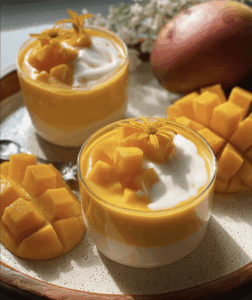

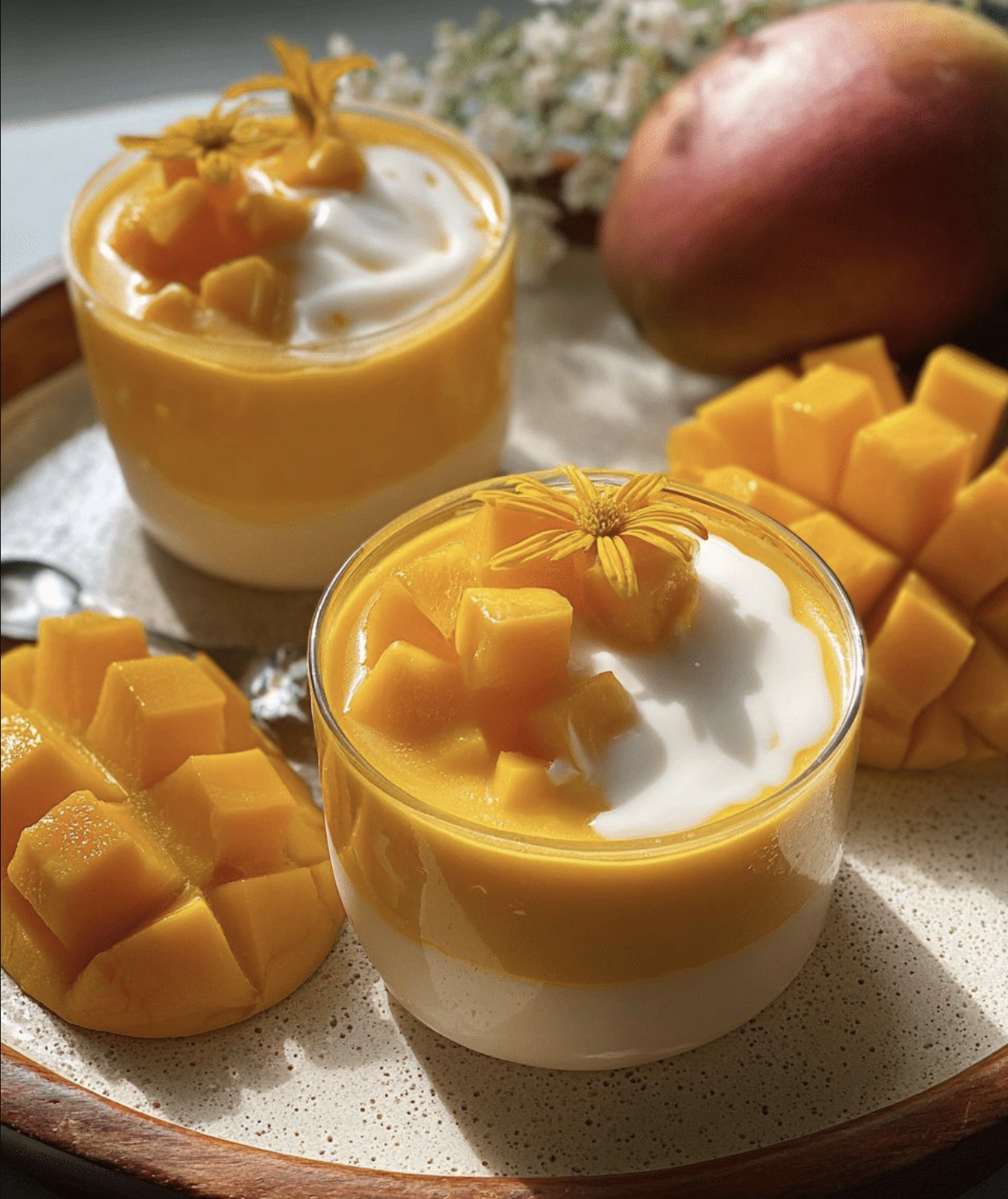
Nestled within the vibrant tapestry of Hong Kong’s bustling culinary scene lies a dessert that captures the city’s sweet spirit and tropical charm – Silky Mango Pudding. This beloved treat, with its luscious, velvety texture and sun-kissed mango flavor, offers more than just a refreshing finale to a meal; it’s a cultural icon that tells a story of tradition meeting innovation. In this article, we’ll dive into the origins, ingredients, and irresistible appeal of Silky Mango Pudding, exploring how this simple yet elegant dessert has won the hearts of locals and visitors alike, becoming an enduring symbol of Hong Kong’s dessert artistry.
Origins and Cultural Significance of Silky Mango Pudding in Hong Kong
Silky mango pudding is a quintessential dessert that perfectly encapsulates the vibrant culinary spirit of Hong Kong. Rooted in Cantonese tea culture, this velvety treat gained immense popularity throughout the 20th century, especially in tea houses and dessert parlors where locals gather for relaxation and socializing after a long day. With its smooth texture and naturally sweet mango flavor, the pudding celebrates the tropical bounty and reflects Hong Kong’s blend of Eastern traditions with Western influences.Growing up near bustling markets, I fondly recall the joyous anticipation of savoring this luscious pudding as a refreshing finale to dim sum feasts.
Crafting the Perfect Silky Texture: Unlocking the Secrets Behind the creaminess
Achieving the iconic silky texture of mango pudding requires more than just ripe fruit; it’s a delicate balance of ingredients and techniques. The smoothness comes primarily from the use of gelatin or agar-agar, combined with fresh mango puree and a creamy base such as evaporated milk or fresh cream. Whisking the mixture gently to avoid air bubbles and chilling it long enough to set ensures that each spoonful melts effortlessly on the palate. For home cooks, the trick is to strain the mango puree through a fine mesh to remove fibers and pulp-this refinement prevents graininess and helps unlock that luxurious mouthfeel.
Choosing the Best Mango Varieties for Unmatched Sweetness and Aroma
The heart of silky mango pudding lies in the mangoes themselves. Hong Kong prides itself on sourcing mangoes from Hainan and Taiwan, where the Irwin and Nam Dok Mai varieties reign supreme. These mangoes boast intense sweetness paired with a floral aroma, which elevates the pudding’s complexity. When selecting mangoes, look for fruit that is fragrant, yields slightly to pressure, and is deep golden-orange in hue. For an ultra-rich pudding, some chefs even blend mango varieties to marry sweetness and acidity for a perfectly balanced dessert.
top Places to Savor Authentic Silky Mango Pudding in Hong Kong
While homemade versions are delightful, experiencing silky mango pudding in its native habitat is a must. Classic tea restaurants such as Lung King Heen offer elevated renditions featuring seasonal mangoes and artisanal touches. For a nostalgic taste, dessert chains like hui Lau Shan have perfected consistent, crowd-pleasing mango puddings that remain firm favorites among locals and visitors alike. Don’t miss hidden gems in Mong Kok or Sham Shui Po where neighborhood vendors craft fresh batches daily, providing authentic textures and flavors that honor tradition.
Prep and Cook Time
- Preparation: 15 minutes
- Chilling/Setting: 2 hours
- Total Time: 2 hours 15 minutes
Yield
Serves 4-6 elegantly sized portions
Difficulty Level
Easy – perfect for beginner and intermediate cooks alike
Ingredients
- 2 cups ripe mango puree (about 3-4 medium mangoes, peeled and diced)
- 1/2 cup whole milk
- 1/2 cup heavy cream or evaporated milk
- 1/3 cup granulated sugar (adjust to taste)
- 2 teaspoons gelatin powder (or 7 grams agar-agar for vegetarian option)
- 1/4 cup hot water
- 1 tablespoon fresh lemon juice (optional, to brighten flavor)
Instructions
- Prepare the mango puree: Peel and dice ripe mangoes, then blend them in a food processor or blender until fully smooth. Pass the puree through a fine sieve to remove any fibers and achieve maximum silkiness.
- Bloom gelatin: Sprinkle gelatin powder over the hot water and let it sit for 5 minutes until fully dissolved. For agar-agar, dissolve it in hot water and gently simmer until melted (follow package instructions).
- Combine dairy and sugar: In a medium bowl, whisk together the milk, cream, and sugar until sugar dissolves completely. Add the lemon juice for a subtle tang.
- Incorporate gelatin: Slowly whisk the dissolved gelatin mixture into the dairy mixture, ensuring it’s thoroughly combined and smooth.
- Mix mango puree: Gently fold in the sieved mango puree until homogenous. Avoid overmixing to keep the mixture silky.
- Pour into molds: divide the mixture evenly into individual serving cups or a large mold.Tap gently to release any air bubbles.
- Chill and set: Refrigerate for at least 2 hours or until fully set with a silky, gelatinous consistency.
- Serve with garnish: Once set, adorn with fresh mango cubes, a sprig of mint, or a drizzle of coconut cream for extra indulgence.
Chef’s Notes: Tips for Success
- Adjust sweetness: Depending on mango ripeness, you may want to reduce sugar. Always taste the puree before combining with dairy.
- Texture alternatives: Use coconut milk instead of cream for a tropical twist with a creamier mouthfeel.
- Gelatin caution: Overheating gelatin can reduce its setting ability; dissolve it gently and avoid boiling.
- Make-ahead tip: Prepare mango pudding up to 2 days in advance and keep refrigerated, covered tightly to prevent absorption of fridge odors.
- Serving style: For elegant presentation, unmold the pudding onto chilled dessert plates or serve directly in transparent glasses to showcase the vibrant color.
Serving Suggestions
Serve silky mango pudding chilled on delicate porcelain dessert dishes, garnished with bright mango cubes, a sprig of fresh mint, and a small drizzle of coconut cream or passion fruit pulp. For added texture, a crunchy cookie crumble or toasted coconut flakes on top creates a pleasing contrast. Pair your dessert with a fragrant jasmine tea or a cold Hong Kong-style milk tea to complete the authentic experience.

| Nutrient | Per Serving (approx.) |
|---|---|
| Calories | 180 kcal |
| Protein | 3 g |
| Carbohydrates | 28 g |
| Fat | 6 g |
Discover more about classic Hong Kong desserts to complement your mango pudding feast.
For detailed nutritional guidance on tropical fruits and gelatin desserts, visit the Nutrition Society.
Q&A
Q&A: Silky mango Pudding – Hong Kong’s Beloved sweet Delight
Q1: What makes Silky Mango Pudding so special in Hong Kong?
A1: Silky Mango Pudding isn’t just a dessert; it’s a nostalgic treasure that captures the vibrant spirit of Hong Kong’s bustling food scene. Its velvety texture paired with the tropical sweetness of ripe mangoes creates a harmony of flavors that tickle the palate and warm the heart. This pudding embodies the city’s love for fresh, simple ingredients turned into comforting treats.
Q2: How is Silky Mango Pudding traditionally made?
A2: At its core, Silky Mango Pudding combines fresh mango puree, cream or evaporated milk, sugar, and gelatin to achieve that signature wobble and silk-like smoothness. The magic lies in balancing the sweetness of mangoes with the creamy base-frequently enough chilled to perfection-offering a refreshing escape from Hong Kong’s humid days.Some recipes incorporate a hint of lime or passionfruit for an extra zing.
Q3: why is mango the star fruit in this dessert?
A3: Mangoes are the quintessential tropical fruit adored throughout asia, and in Hong Kong, they symbolize sunshine and summer indulgence. Their naturally rich sweetness and fragrant aroma make them perfect for a dish that thrives on expressing pure, straightforward flavors. Silky Mango Pudding celebrates mango’s lusciousness without drowning it under heavy frosting or artificial additives-it’s mango, pure and simple.
Q4: Where can you find the best Silky Mango Pudding in Hong Kong?
A4: From bustling dai pai dongs (street food stalls) to upscale dim sum restaurants, Silky Mango Pudding is a staple on many menus. Iconic eateries like Kam’s Roast Goose and Tai Cheong Bakery often feature delectable versions,each adding their unique twist-some with fresh mango chunks on top,others swirling coconut cream for a tropical hug. For an authentic experience, try it in local cha chaan tengs, where tradition meets daily life.
Q5: Is Silky Mango Pudding enjoyed year-round?
A5: While mangoes are naturally seasonal, Hong Kong’s knack for preserving and importing fresh fruit means that Silky Mango Pudding can delight dessert lovers all year long. Summer, however, remains the prime time when mangoes are at their juiciest and most vibrant, making this pudding a chilled, refreshing lifesaver against the city’s sweltering heat.
Q6: Can silky Mango Pudding be made vegan or dairy-free?
A6: Absolutely! For those embracing plant-based lifestyles, replacing dairy with coconut milk or almond milk works wonderfully. Agar-agar, a seaweed-based gelatin substitute, can create that same silky texture without animal products. The key is to preserve the mango’s bright flavor and silky feel-even without traditional ingredients, the pudding remains irresistibly inviting.
Q7: What cultural significance does Silky Mango Pudding hold in Hong Kong?
A7: Beyond being a dessert, Silky Mango Pudding is a cultural icon representing hong Kong’s culinary fusion: Eastern ingredients meeting western dessert techniques. It’s a sweet reminder of the city’s colonial past and its dynamic present-a delight that bridges generations. Sharing a bowl often sparks fond memories of family gatherings, summer days, and the simple pleasure of savoring something silky and sweet.
Whether enjoyed in a chic café or a humble street stall, Silky Mango Pudding continues to charm locals and visitors alike, embodying the delicious soul of Hong Kong in every creamy spoonful.
In Conclusion
As the final spoonful of silky mango pudding melts on your tongue, it’s clear why this humble dessert has captured the hearts of Hong Kong’s dessert lovers for generations.More than just a sweet treat, it embodies the city’s vibrant fusion of East and West-simple ingredients transformed into a luxurious experience. Whether enjoyed at a bustling dai pai dong or nestled in the chic corners of a modern café, silky mango pudding remains a timeless reminder that sometimes, the most delightful pleasures come in the smoothest, fruitiest forms. So next time you find yourself craving a taste of Hong Kong’s culinary charm, let this golden-hued pudding be your sweet escape.