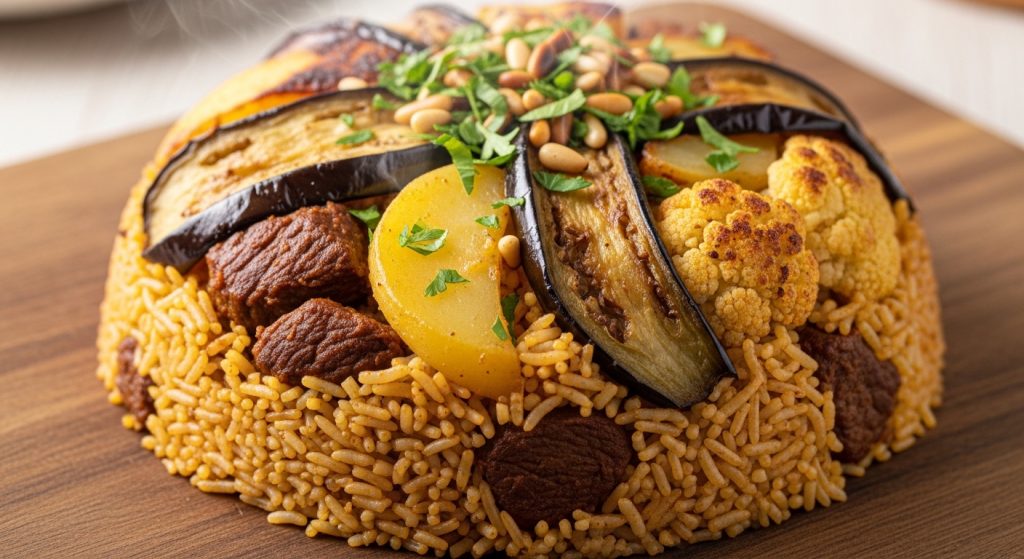

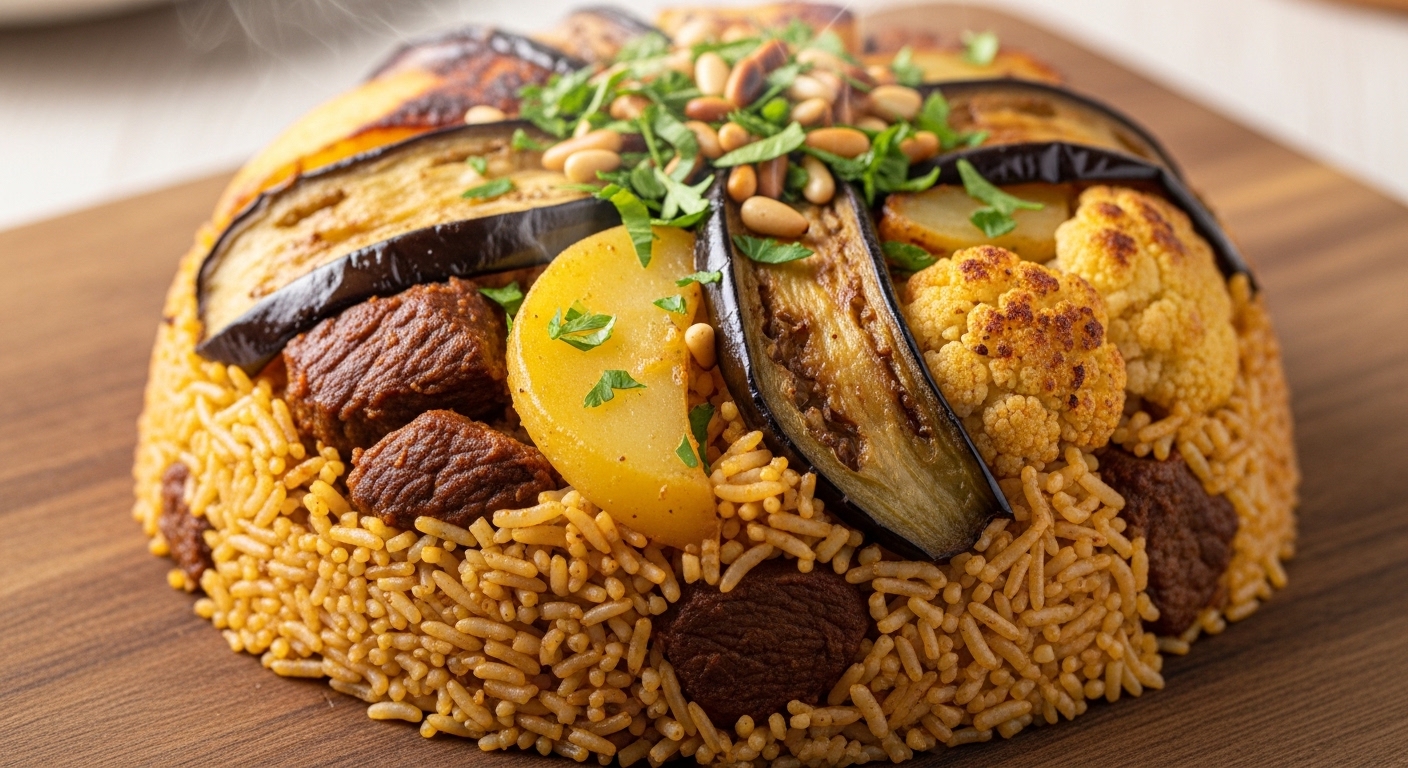
In the heart of Middle Eastern kitchens adn bustling marketplaces lies a culinary masterpiece that turns tradition-and your expectations-upside down. Makluba, literally meaning “upside-down” in Arabic, is more than just a dish; it’s a vibrant tapestry woven from fragrant spices, tender meats, and colorful layers of rice and vegetables. With its dramatic presentation and rich history, Makluba invites food lovers on a sensory journey where the final reveal is as thrilling as the flavors themselves.Join us as we delve into the origins, planning, and cultural importance of this iconic feast, uncovering the secrets behind the Middle East’s unforgettable upside-down sensation.
Makluba, the iconic upside-down feast of the Middle East, is more than just a dish-it’s a rich tapestry of history, culture, and communal celebration. This enchanting recipe has been savored across Levantine households for centuries, symbolizing hospitality and family unity.My first experience with makluba was at a warm, bustling family gathering in Amman, where the aroma of spiced lamb and roasted vegetables crowned a festive night. Today, I’ll guide you through preparing this extraordinary dish that transforms humble ingredients into an impressive centerpiece with every flip.
Prep and Cook Time
- Preparation: 20 minutes
- Cooking: 45 minutes
- Total: 1 hour 5 minutes
Yield
Serves 6 hearty portions
Difficulty Level
Medium – perfect for keen home chefs ready to wow their guests
Ingredients
- 2 cups basmati rice, rinsed and soaked for 30 minutes
- 1 lb lamb shoulder, cut into bite-sized chunks
- 2 medium eggplants, sliced into ½-inch rounds
- 2 medium potatoes, peeled and thinly sliced
- 1 large onion, finely chopped
- 3 cloves garlic, minced
- 1 large tomato, sliced
- 1 tsp ground allspice
- 1 tsp ground cinnamon
- ½ tsp ground cumin
- ½ tsp turmeric powder
- Salt and freshly ground black pepper, to taste
- 3 tbsp olive oil (plus extra for frying)
- 3 cups chicken or vegetable broth
- Fresh parsley, chopped (for garnish)
- Toasted pine nuts or almonds (optional garnish)
Step-by-Step Guide to Preparing the Perfect Makluba at Home
- Prepare the vegetables: Heat a generous drizzle of olive oil in a large skillet over medium heat. Fry the eggplant slices in batches until golden brown, about 3 minutes per side.Remove and drain on paper towels. Repeat with potato slices, frying until golden and tender. Set aside.
- Cook the lamb: In the same skillet, add 2 tablespoons olive oil and sauté the onion and garlic until translucent and fragrant, about 4 minutes. Add the lamb pieces and brown on all sides, about 6-8 minutes. Season with allspice, cinnamon, cumin, turmeric, salt, and pepper. Stir to coat evenly.
- Assemble the layers: In a heavy-bottomed pot (10 to 12-inch diameter), begin by arranging the tomato slices evenly at the base. Next, layer the fried potatoes and eggplants neatly on top. add the cooked lamb and onions, spreading them evenly. Drain the rice and sprinkle it over the meat and vegetables, ensuring a level surface.
- Add broth and cook: Gently pour the hot broth over the rice mixture. Cover the pot with a tight-fitting lid and bring to a gentle simmer over medium heat. Reduce heat to low and cook for 40 minutes, or until the rice is tender and liquid absorbed. Avoid lifting the lid during cooking to keep steam intact.
- The grand reveal: Remove the pot from heat and allow it to rest, covered, for 10 minutes. To serve,place a large serving plate upside down over the pot. Carefully and confidently flip the pot and plate together, then lift the pot to unveil the mesmerizing layered masterpiece of vibrant vegetables, tender meat, and fragrant rice.
Tips for Success
- Rice care: Soaking the basmati rice reduces cooking time and enhances fluffiness; be sure to drain it well before layering.
- Veggie tweaks: For a lighter version, roast the eggplants and potatoes instead of frying to reduce oil absorption.
- Meat alternatives: Chicken thighs or lamb shanks work beautifully if you prefer a different protein profile.
- Lay it evenly: Build your layers carefully to ensure every serving fully showcases the dish’s stunning composition.
- Make ahead: Prepare the fried vegetables and lamb a day in advance to reduce active cooking time when assembling makluba.
Serving Suggestions and Pairings to Complement the Upside-Down Feast
Present makluba hot from the pot with vibrant chopped fresh parsley sprinkled generously on top and a scattering of golden toasted pine nuts for delightful crunch. Pair it alongside a refreshing tangy tahini sauce or cooling cucumber yogurt salad (such as tzatziki) to balance the warm, spiced flavors.
accompany the meal with crisp, warm pita bread for scooping and a bright lemon wedge for a spritz of acidity that elevates every bite. For drinks, a glass of chilled Arabic coffee with cardamom creates an authentic finish.
For a family-style feast, add a side of roasted nuts and olives or roasted cauliflower with sumac for a touch of Middle Eastern flair. The vibrant colors and layers of makluba effortlessly become the heart of any gathering.
Nutritional Data (per serving)
| Calories | Protein | carbs | Fat |
|---|---|---|---|
| 520 kcal | 32g | 45g | 18g |

Q&A
Q&A: Makluba Unveiled – The upside-Down Feast of the Middle East
Q1: What exactly is Makluba?
A1: Makluba, literally meaning “upside-down” in Arabic, is a traditional Middle Eastern dish known for its dramatic presentation. It’s a layered pot of rice, meat (usually lamb or chicken), and vegetables cooked together, then flipped upside down when serving, revealing a stunning mosaic of colors and textures. Imagine a culinary cake that you turn over to impress your guests-Makluba is exactly that.
Q2: Where does Makluba originate from?
A2: Makluba hails from the rich culinary traditions of the Levant,including countries like Palestine,Jordan,Syria,and Lebanon. While its exact origins are often debated,it remains a beloved staple across the Middle east,cherished for its communal spirit and heartwarming flavors.
Q3: What ingredients make Makluba special?
A3: The magic of Makluba lies in its layers: fragrant rice infused with spices such as turmeric and cinnamon, tender meat slow-cooked to perfection, and vibrant vegetables like eggplant, cauliflower, and potatoes. Each layer is carefully stacked in the cooking pot, creating a harmonious blend of taste, aroma, and visual appeal.
Q4: How is the “upside-down” effect achieved?
A4: After all ingredients are meticulously layered and cooked, the pot is placed on a large serving platter. The cook then flips the entire pot in one swift but careful motion, revealing the patterned, colorful layers on top.this theatrical flip is both a feast for the eyes and an exciting moment that marks the start of the meal.
Q5: What cultural significance does Makluba hold?
A5: more than just a dish, Makluba embodies hospitality, community, and celebration. It’s often served during family gatherings, festive occasions, and holiday feasts, symbolizing abundance and the joy of sharing food with loved ones. Its upside-down reveal is a culinary metaphor for turning ordinary moments into extraordinary memories.
Q6: Can Makluba be adapted for modern tastes or dietary needs?
A6: absolutely! While traditional Makluba features meat and specific vegetables, creative cooks experiment with vegetarian versions using mushrooms, chickpeas, or tofu. the spices and layering technique remain essential, allowing flexibility while preserving the dish’s heart and soul.
Q7: Why should food lovers try making Makluba at home?
A7: Preparing Makluba is as rewarding as eating it. The process invites patience, creativity, and a sense of ritual, transforming cooking into a joyous event. Plus, the big reveal at the dinner table is sure to delight guests and family members alike-turning any meal into a memorable feast.
Q8: Any tips for first-timers attempting Makluba?
A8: Start with simple vegetable layers like cauliflower and potatoes to get pleasant with the layering and flipping technique. Use a heavy-bottomed pot to ensure even cooking, and don’t rush the cooking time-slow simmering brings out the best flavors and textures. Most importantly, embrace the fun of the “upside-down” surprise!
To Wrap It Up
As the final grains of rice settle and the last tender morsels of meat are savored, Makluba reveals itself not just as a dish, but as a story turned upside down-one steeped in tradition, community, and the art of sharing. More than a meal,Makluba invites us to appreciate the layers of history and culture that have shaped the Middle Eastern table. So next time you lift the lid on this inverted feast, remember: beneath its flipped surface lies a celebration of togetherness, flavor, and heritage waiting to be uncovered bite by bite.