
In the world of culinary wonders, few dishes captivate the senses quite like Makluba-a symphony of flavors that reveals its true beauty only when turned upside down. Known as the “upside-down feast,” Makluba is more than a meal; it’s a storytelling tradition that weaves together fragrant spices, tender meats, and vibrant vegetables into a towering mosaic of taste and culture.
This article peels back the layers of Makluba’s rich history, explores the artistry behind its dramatic presentation, and invites you to discover how this iconic dish transforms the simple act of serving food into a mesmerizing ritual. Join us as we unveil the secrets of Makluba and celebrate the timeless celebration hidden beneath its beautifully flipped surface.
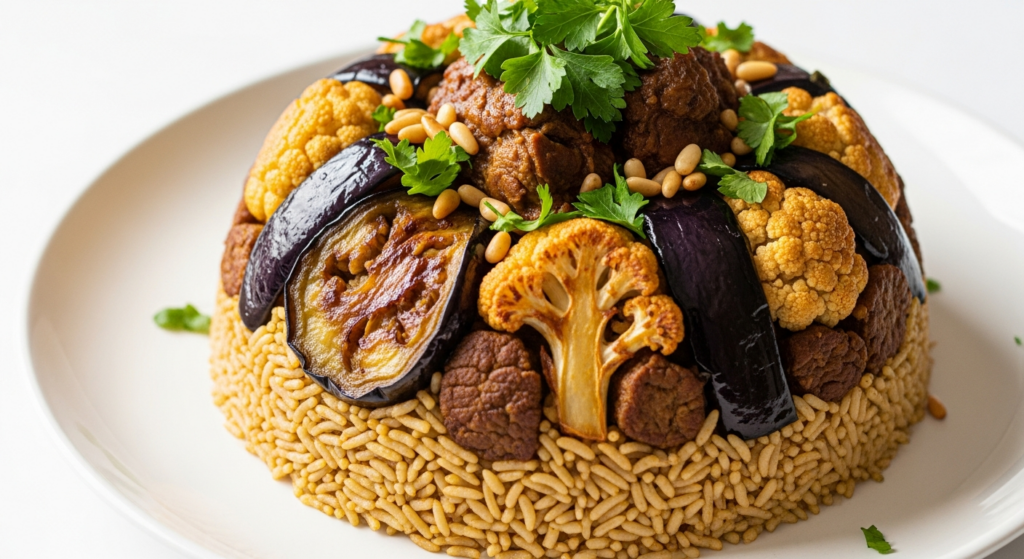
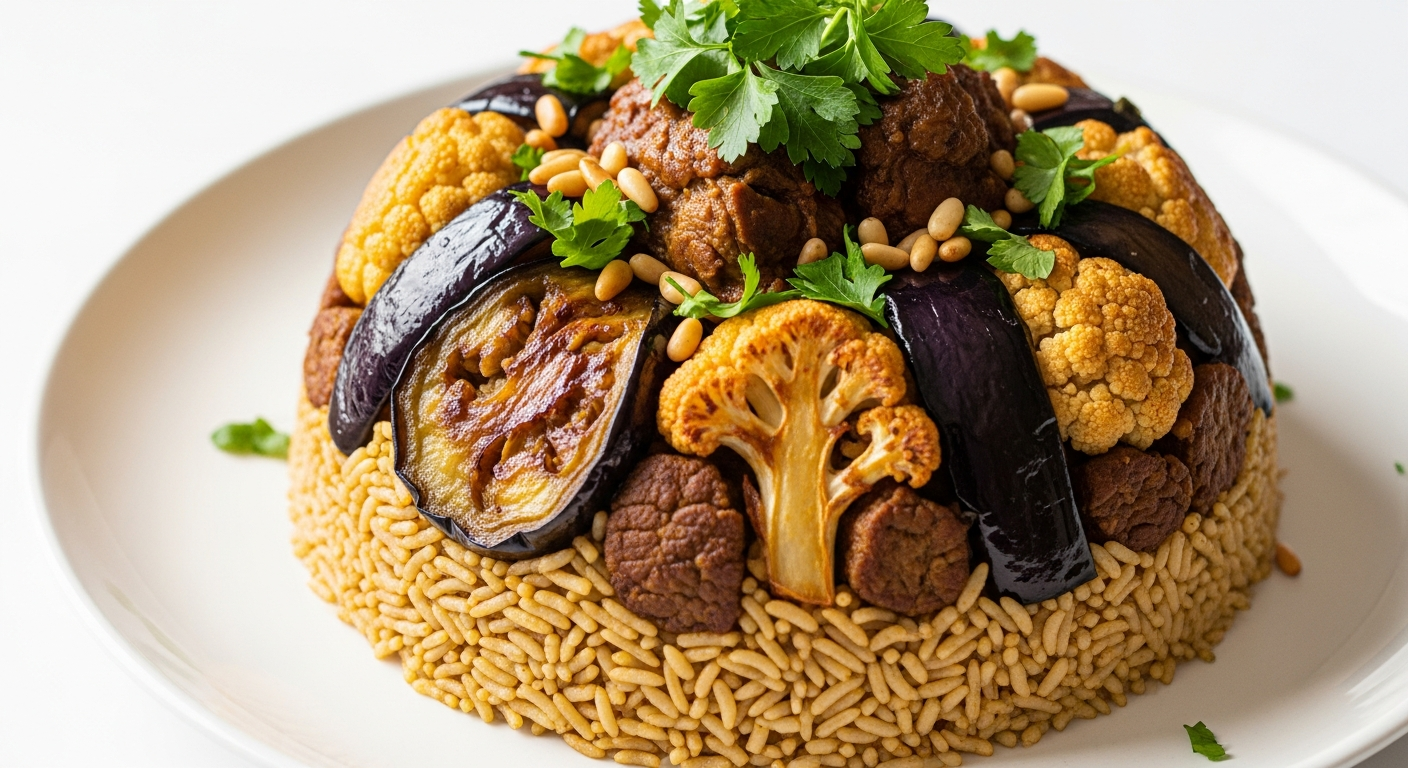
Makluba Unveiled: The Art of the Upside-Down Feast is more than just a recipe-it’s a culinary journey that brings to life centuries of rich Middle Eastern heritage with every layered bite. originating from Levantine households, this iconic dish tells a vibrant story of community, celebration, and ingenuity. Its name translates directly to “upside-down,” inspired by the dramatic process of flipping the pot to reveal an intricate mosaic of rice, tender meat, and caramelized vegetables.
This dish has always held a special place at festive tables and family gatherings. I remember the first time I witnessed a makluba unveiling at my friend’s family home in Jordan-the reverence and excitement around the table elevated this humble meal into a stunning feast. The beauty lies not only in its presentation but also in mastering the layers and achieving a perfect harmony of flavors and textures that make makluba unforgettable.
Prep and Cook Time
- Planning: 30 minutes
- Cooking Time: 1 hour 15 minutes
- Total Time: 1 hour 45 minutes
Yield
Serves 6 generous portions, ideal for sharing at family dinners or special occasions.
Difficulty Level
Medium: Requires attention to layering and timing,but rewarding for cooks eager to deepen their culinary repertoire with authentic Middle Eastern flavors.
Essential ingredients and Tools for an Authentic Makluba
- 1 ½ cups basmati rice, rinsed and soaked for 30 minutes
- 500g bone-in chicken thighs or lamb pieces
- 1 large onion, thinly sliced
- 2 medium eggplants, sliced into ½-inch rounds
- 2 medium tomatoes, thinly sliced
- 1 large potato, peeled and sliced
- 3 cups chicken broth or water
- 4 garlic cloves, crushed
- 1 teaspoon ground cinnamon
- 1 teaspoon allspice
- 1 teaspoon turmeric
- ½ teaspoon ground black pepper
- Salt to taste
- ¼ cup olive oil, plus more for frying
- Fresh parsley or toasted pine nuts for garnish
Tools: A heavy-bottomed, high-sided pot with a tight-fitting lid (preferably a Dutch oven), a large frying pan, and a large platter for flipping and serving.
Mastering the Perfect Layers and Flavour Balance
- Prepare your rice: Drain the soaked rice thoroughly and set aside. This soaking step ensures fluffy, separate grains after cooking.
- Fry the vegetables: In a hot pan, fry the eggplant slices until golden and tender, approximately 3-4 minutes per side. Drain excess oil on paper towels. Repeat with potato slices and set all apart.
- Sear the meat: Heat olive oil in your pot and brown the chicken or lamb pieces until golden on all sides, roughly 7-8 minutes. Then remove and set aside.
- Sauté the onions and garlic: Using the same pot, cook onions and crushed garlic until translucent and aromatic, about 5 minutes.
- Spice infusion: Stir in cinnamon, allspice, turmeric, black pepper, and salt into the onion mixture, allowing the spices to bloom for 1 minute.
- Layer the pot: Begin by placing the seared meat at the bottom. Follow with layers of fried potato, eggplant, and tomato slices. Then, add the sautéed onions and garlic with spices.
- Add rice and broth: Evenly distribute the soaked rice atop the layered ingredients and gently pour chicken broth until it just covers the rice by about an inch.
- Cook gently: Bring the pot to a boil, then reduce heat to low, cover tightly, and simmer for 45 minutes without lifting the lid.
- Rest: Turn off the heat and allow the makluba to rest, covered, for an additional 15 minutes to firm up the layers.
- the grand flip: Place a large serving platter inverted over the pot,then,holding both firmly,flip the pot quickly but carefully to reveal the “upside-down” feast arranged in stunning layers.
Chef’s Notes and Tips for Success
- For a vegetarian twist, replace meat with a medley of mushrooms and hearty root vegetables.
- If the rice appears dry or undercooked, add a few tablespoons of warm broth, cover, and cook an additional 5-10 minutes.
- Use a non-stick or well-seasoned heavy pot to make flipping easier and prevent sticking.
- Allow the dish to rest before flipping; impatience can cause the layers to crumble.
- Make ahead: Cook the components separately and assemble just before serving to streamline your preparations.
Serving Suggestions and Tips for an Extraordinary Presentation
Present your makluba directly on the serving platter, garnishing with freshly chopped parsley, toasted pine nuts, or even fragrant sumac for a burst of citrusy brightness. A side of creamy tzatziki sauce or cooling yogurt complements the spices beautifully. Accompany this feast with warm pita bread and a crisp arabic salad for contrast.
Encourage guests to scoop from the platter, sharing the blend of textures-soft rice, tender meat, and caramelized veggies-wrapped with a squeeze of fresh lemon juice to elevate the layers of flavor. Capture the dramatic moment of unveiling-an experience as rewarding visually as it is on the palate.

| Nutrient | per Serving |
|---|---|
| Calories | 480 kcal |
| Protein | 28 g |
| Carbohydrates | 54 g |
| Fat | 12 g |
For more Middle Eastern recipes celebrating classic shared dishes, explore our Middle Eastern Feast Ideas. To understand the cultural history behind makluba, visit Britannica’s Makluba entry for an authoritative overview.
Q&A
Q&A: Makluba Unveiled – the Art of the Upside-Down Feast
Q1: What exactly is Makluba?
A1: Makluba, which means “upside-down” in Arabic, is a traditional Middle Eastern dish that turns mealtime into a theatrical feast. It’s a layered casserole of rice, vegetables, and meat-usually lamb or chicken-cooked together, then flipped upside down before serving, revealing a stunning mosaic of colors and flavors.
Q2: How did Makluba get its name?
A2: The name “Makluba” comes directly from the dish’s dramatic presentation. After cooking, the pot is carefully inverted onto a serving platter, so what was the bottom becomes the top. This flip transforms a simple stew into an artistic layered spectacle, delighting both the eyes and the palate.
Q3: What makes Makluba a special dish culturally?
A3: Beyond its unique presentation, Makluba holds cultural significance as a communal centerpiece in Middle Eastern households and celebrations. It’s a dish that brings people together-whether family gathered around the table or guests at a festive gathering-embodying generosity, hospitality, and shared tradition.
Q4: What are the key ingredients in Makluba?
A4: The heart of makluba lies in its harmony of ingredients. Typically, fragrant basmati or long-grain rice, spiced with turmeric and cinnamon, is layered with hearty vegetables like eggplants, cauliflower, and potatoes, and tender meat-often marinated chicken or lamb. The slow cooking melds the flavors beautifully.
Q5: How is Makluba prepared?
A5: Patience is part of the art. First, meat is seared and set aside. Then, vegetables are fried or sautéed to golden perfection. The pot is then built in layers-vegetables first, followed by meat, then rice on top. Water or broth is poured in, and the whole assembly simmers gently until cooked through.The grand finale? Inverting the pot onto a large platter with a flourish.
Q6: Are there variations of Makluba?
A6: Absolutely! Makluba evolves regionally and seasonally. Some variations swap meats-using beef, or going vegetarian. Diffrent veggies like carrots, green beans, or tomatoes might be incorporated, depending on what’s fresh.Spices fluctuate slightly, giving each Makluba its own signature aroma and taste.
Q7: Can Makluba be made in a modern kitchen?
A7: Definitely! While Makluba retains its traditional charm, modern cooks can embrace conveniences like oven baking or using a heavy-bottomed pot for even cooking. The key is maintaining the layering and the final flip, which remains the pièce de résistance.
Q8: What should a first-timer know before attempting Makluba?
A8: Embrace the process and don’t rush the flip! A steady hand and a hot mitt are your best friends. Also, layer with care-since the visual impact depends on the order and thickness of each layer. Remember, Makluba is as much about the experience and storytelling as it is about eating.
Q9: Why has Makluba captured the hearts of food lovers worldwide?
A9: Makluba transcends food; it’s a celebration of culture, community, and the unexpected beauty in everyday meals. Its stunning upside-down reveal is a reminder that sometimes, turning things on their head can create magic-both at the table and in life.
Q10: Where can one experience authentic Makluba?
A10: Authentic Makluba can be found across the Levant-in family kitchens,quaint eateries,and festive gatherings in countries like Palestine,Jordan,and Syria. Yet, with simple ingredients and a spirit of adventure, anyone can bring this upside-down feast into their home, wherever they are in the world.
In Retrospect
As the layers of tender meat, fragrant rice, and vibrant vegetables come together in Makluba, we uncover not just a dish, but a celebration of culture, history, and culinary ingenuity. This upside-down feast invites us to look beyond appearances-to savor the stories simmered within every bite and to appreciate the artistry involved in its creation.
Whether shared around a bustling family table or served as a centerpiece at a festive gathering,Makluba remains a delicious reminder that sometimes,turning tradition on its head reveals the richest flavors and deepest connections. So the next time you lift the lid and watch the magic unfold, remember: Makluba is more than a meal-it’s an experience waiting to be discovered.