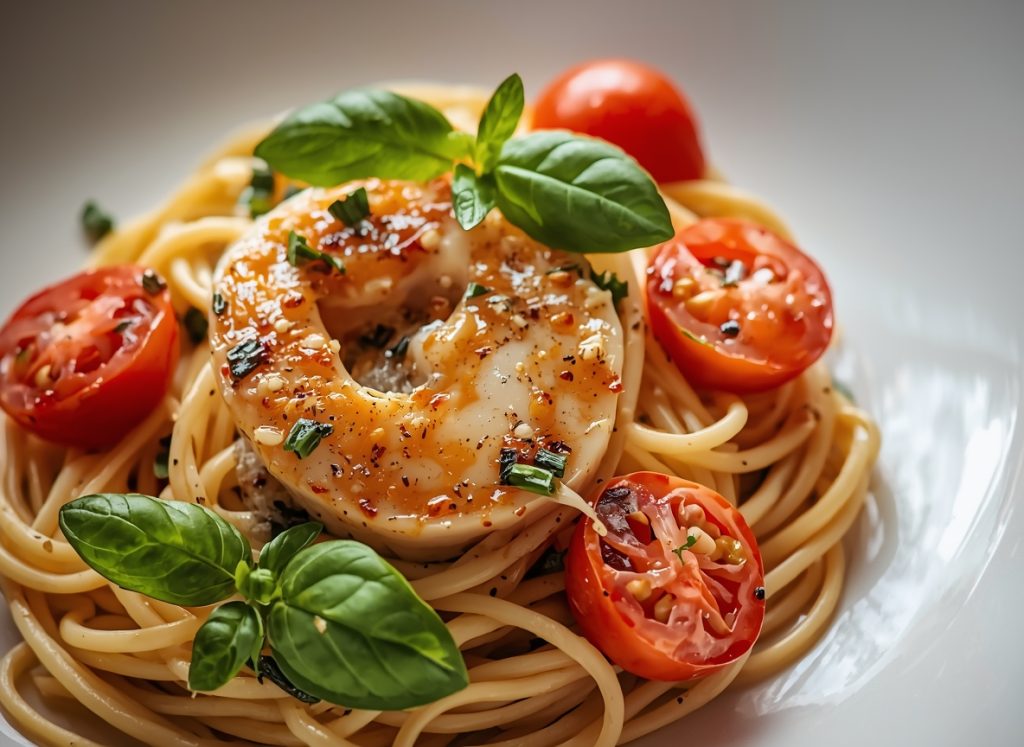

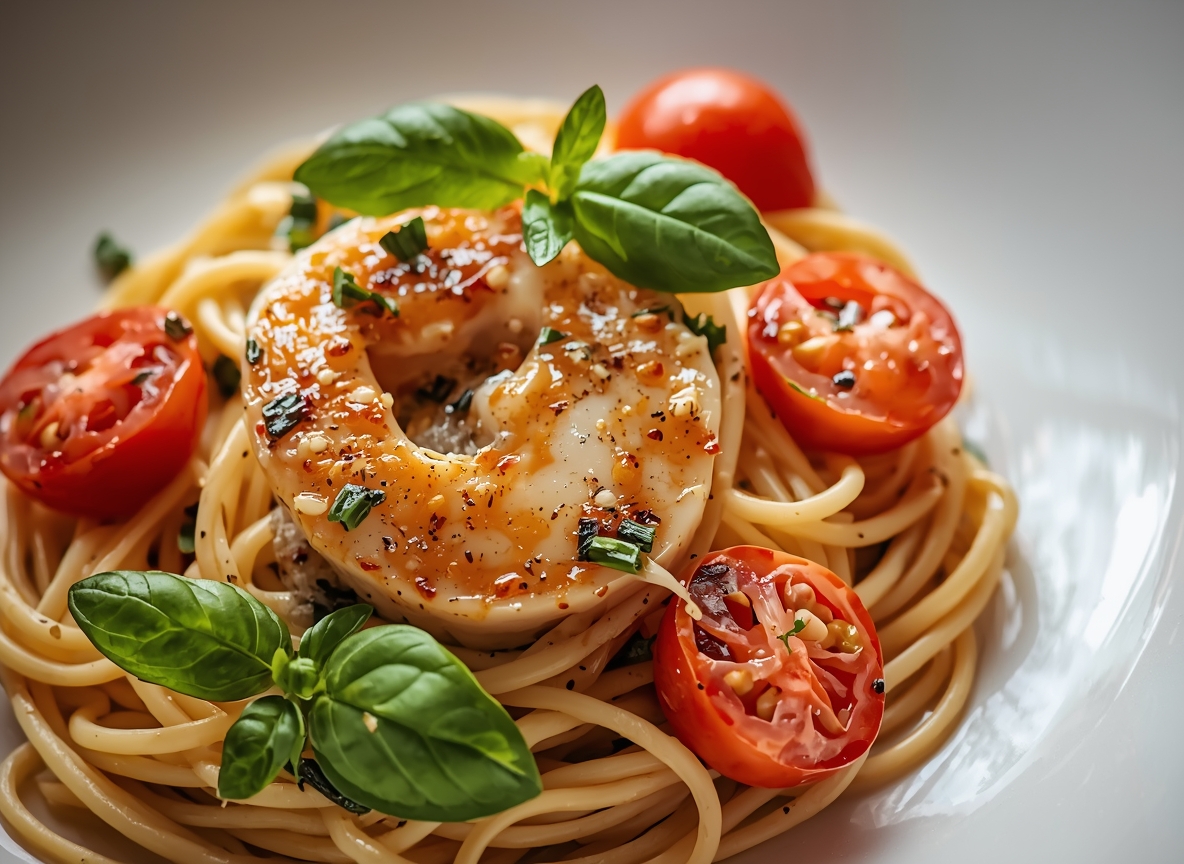
There’s something undeniably magical about a plate of pasta-the way the strands glisten with just the right amount of sauce, the comforting aroma that fills the air, and the satisfying twirl that transports you straight to Italy. Enter Linguine Primavera, a vibrant festivity of spring’s freshest harvest, seamlessly woven into the timeless allure of classic Italian cuisine. This dish reimagines traditional pasta with a colorful medley of crisp vegetables, fragrant herbs, and bright, zesty flavors, offering both a feast for the eyes and a delight for the palate. Join us as we explore the origins, ingredients, and secrets behind Linguine Primavera-a fresh twist that breathes new life into beloved Italian staples.
Linguine Primavera bursts with the vibrant colors and fresh flavors of springtime vegetables, making it a celebration of nature’s bounty on every plate. Originating from the Italian tradition of “primavera,” meaning spring, this dish gracefully combines crisp, garden-fresh vegetables with tender pasta and a delicate sauce that elevates each bite. The beauty lies in its simplicity – effortless to prepare yet visually stunning and immensely satisfying.
Prep and Cook Time
- Readiness: 20 minutes
- Cook: 15 minutes
- Total Time: 35 minutes
Yield
Serves 4 generous portions
Difficulty Level
Easy-Medium. Perfect for cooks who enjoy fresh, colorful dishes without intricate steps.
Ingredients
- 12 ounces linguine pasta
- 2 tablespoons extra virgin olive oil
- 3 cloves garlic, thinly sliced
- 1 medium zucchini, julienned
- 1 yellow bell pepper, thinly sliced
- 1 cup cherry tomatoes, halved
- 1 cup fresh asparagus, cut into 2-inch pieces
- 1/2 cup frozen peas, thawed
- 1/4 cup white wine (optional)
- 1/3 cup vegetable broth
- 1 teaspoon lemon zest
- Juice of 1 lemon
- 1/4 cup freshly grated Parmesan cheese, plus extra for garnish
- Salt and freshly ground black pepper, to taste
- 1/4 cup chopped fresh basil
- 2 tablespoons chopped fresh parsley
- 1 tablespoon chopped fresh mint (optional)
Instructions
- Cook the linguine: Bring a large pot of salted water to a boil. Add the linguine and cook according to package instructions until al dente. Reserve 1 cup of pasta water, then drain the pasta and set aside.
- Prepare the vegetables: While the pasta cooks, heat olive oil in a large skillet over medium heat. Add the garlic and sauté gently until fragrant, about 1 minute-avoid browning to keep the flavor delicate.
- Add the zucchini, yellow bell pepper, and asparagus: Sauté for about 5 minutes until tender-crisp, stirring often to ensure even cooking without softening too much.
- Add cherry tomatoes and peas: Cook for an additional 2-3 minutes until the tomatoes soften slightly and peas are warmed through.
- Deglaze the pan: Pour in white wine and vegetable broth, scraping up any bits from the pan. Let the liquid reduce by half, about 3-4 minutes, concentrating the flavors.
- combine pasta and sauce: Add the cooked linguine to the skillet along with lemon zest, lemon juice, and a splash of reserved pasta water to loosen the sauce. Toss everything gently over medium heat until well combined, about 2 minutes.
- Finish with herbs and cheese: Remove from heat and stir in Parmesan, basil, parsley, and mint (if using). Adjust seasoning with salt and freshly cracked pepper.
- Serve immediately: Plate the linguine primavera, garnishing with extra Parmesan and a few basil leaves for a fresh, aromatic finish.
Tips for Success
- Vegetable variations: Feel free to swap in asparagus for green beans, use snap peas instead of frozen peas, or add thinly sliced carrots for extra crunch.
- Pasta choice: Linguine holds the sauce beautifully,but if unavailable,fettuccine or spaghetti work just as well.
- Sauce tips: Use reserved pasta water sparingly to create a silky, cohesive sauce without making it watery.
- Make-ahead: Prepare the vegetables and sauce components earlier; combine with freshly cooked linguine just before serving for best results.
- Cheese alternatives: For a vegan version, swap Parmesan with nutritional yeast or vegan cheese options.
Serving Suggestions
Present this plate bursting with springtime hues on a crisp white dish to enhance the colors.
- Sprinkle fresh cracked black pepper over the top to add visual depth and a slight kick.
- Garnish with thin lemon slices or curls of lemon zest for added brightness and elegance.
- offer warm crusty bread or garlic focaccia on the side to soak up the flavorful sauce.
- Pair with a chilled glass of dry, crisp white wine such as Pinot Grigio or Sauvignon Blanc.
- For an extra touch of indulgence, drizzle with a little extra virgin olive oil just before serving.
| Nutrient | per Serving |
|---|---|
| Calories | 380 kcal |
| protein | 14 g |
| Carbohydrates | 56 g |
| Fat | 9 g |
Internal Link: Discover more fresh pasta inspiration with our Fresh Homemade Pasta Recipes collection.
External Resource: For tips on selecting the freshest vegetables, explore the USDA’s guidelines at USDA Food Safety and Inspection Service.

Q&A
Q&A: Linguine Primavera – A Fresh Twist on Classic Italian Pasta
Q: What exactly is Linguine Primavera?
A: Linguine primavera is a vibrant, vegetable-forward pasta dish that marries the tender, ribbon-like linguine noodles with a medley of fresh, seasonal vegetables. Think of it as a celebration of spring’s bounty tossed in a light, flavorful sauce-refreshing, colorful, and utterly satisfying.
Q: How did the “Primavera” concept come about in Italian cuisine?
A: “Primavera” means ”spring” in Italian, reflecting the dish’s origins as a tribute to the season’s freshest produce. Traditionally, chefs would highlight early spring vegetables like peas, asparagus, and artichokes, crafting a pasta that’s both simple and elegantly bright.
Q: What vegetables typically star in Linguine Primavera?
A: The vegetable lineup is flexible but usually includes crisp asparagus, sweet cherry tomatoes, tender peas, zucchini ribbons, and sometimes bell peppers or fresh herbs like basil and parsley. The goal is a colorful palette and a balance of textures.
Q: Is Linguine Primavera a heavy or light dish?
A: It’s decidedly light-far from the creamy, rich pastas often associated with Italian-American cooking. Primavera celebrates natural flavors with a light olive oil or lemon-infused sauce, sometimes finished with a sprinkle of Parmesan for depth without heaviness.
Q: Can Linguine Primavera be made vegan or gluten-free?
A: Absolutely! Swap traditional linguine for gluten-free pasta and omit the cheese or use a plant-based alternative. The freshness and vibrancy of the veggies shine through no matter your dietary preferences.
Q: What makes linguine the ideal pasta shape for Primavera?
A: Linguine’s narrow, flat strands wrap delicately around the veggies without overwhelming them. It strikes a perfect balance between spaghetti’s thinness and fettuccine’s width, offering a silky texture that carries just enough sauce.
Q: How do you achieve the perfect sauce for Linguine Primavera?
A: The sauce is all about simplicity. Lightly sautéed garlic and shallots in olive oil, a splash of white wine or fresh lemon juice for brightness, finished with fresh herbs. The idea is to enhance-not mask-the vegetables’ natural flavors.
Q: Is Linguine Primavera best served hot or cold?
A: While traditionally served warm, Linguine Primavera also makes a fantastic chilled or room-temperature dish, especially as a pasta salad in warmer months. The fresh veggies and bright sauce keep it delightful either way.
Q: How can home cooks elevate their Linguine Primavera?
A: Use the freshest, highest-quality ingredients possible-ripe tomatoes, tender vegetables just blanched to maintain crunch, and freshly grated cheese. A finishing drizzle of good extra virgin olive oil or a sprinkle of toasted pine nuts can add an extra layer of sophistication.
Q: Why has Linguine Primavera become a beloved staple beyond Italy?
A: Its combination of healthful veggies, easy preparation, and vibrant flavors appeals globally to those seeking a lighter twist on traditional pasta. Perfect for both weeknight dinners and elegant entertaining, it’s a versatile dish that embodies the spirit of fresh, seasonal cooking.
Key Takeaways
As the vibrant strands of linguine intertwine with garden-fresh vegetables and fragrant herbs, Linguine Primavera offers more than just a meal-it’s a celebration of spring’s bounty captured in every bite. This fresh twist on classic Italian pasta not only honors tradition but also invites creativity and wellness to the table. Weather you’re a seasoned chef or a curious newcomer,embracing Linguine Primavera is an invitation to savor simplicity with a splash of color,flavor,and heart. So next time you crave a dish that’s both comforting and refreshing, let Linguine Primavera lead you on a flavorful journey straight to the heart of Italy’s sun-kissed gardens.