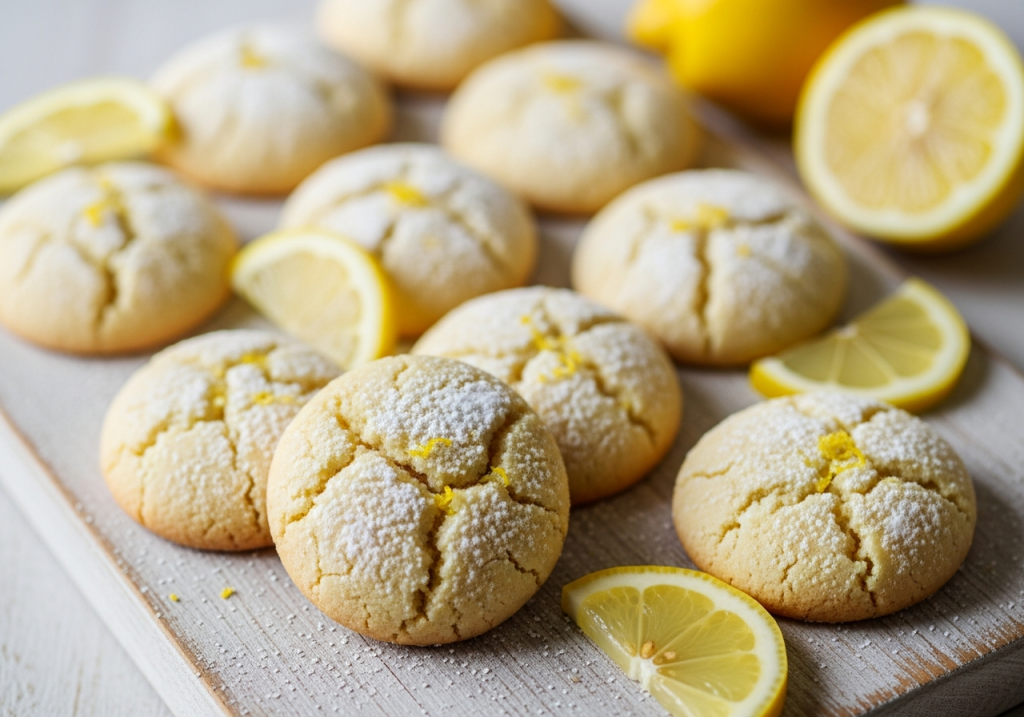

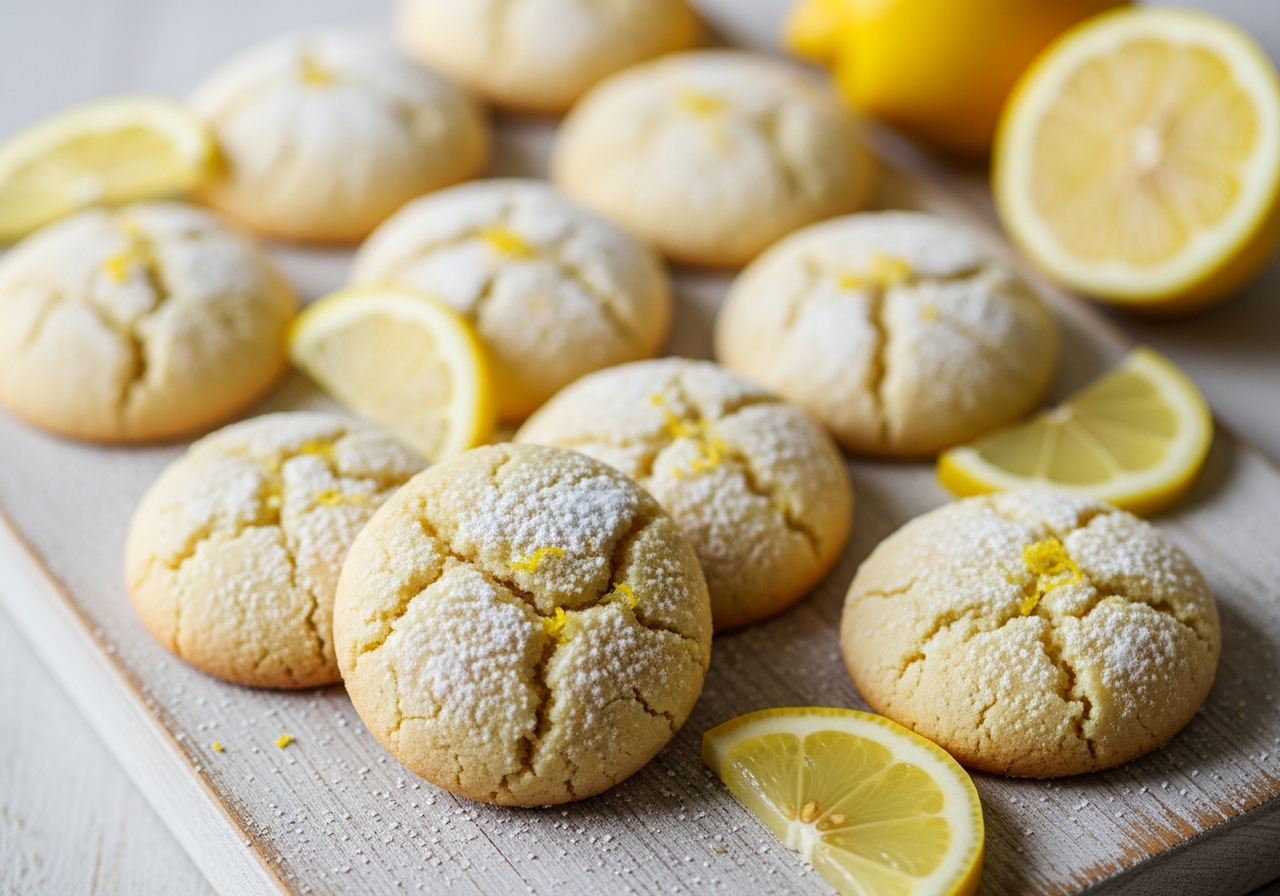
There’s a certain magic that happens when teh bright, tangy burst of lemon meets the rich, creamy allure of butter in a cookie. Welcome to the world of lemon butter cookies-a zesty delight that dances on your taste buds and invites you to explore the sweet science behind every bite. From the careful balance of citrus zest to the precise creaming of butter and sugar, crafting these cookies is both an art and a culinary experiment. In this article, we’ll peel back the layers of flavor and technique to reveal how this humble cookie transforms into a melt-in-your-mouth masterpiece, proving that in baking, a little zest can lead to a lot of joy.
The Chemistry of Citrus Flavor Infusion in Lemon Butter Cookies
Zesty Delight begins with the magical interplay of citrus oils and buttery richness that transforms simple ingredients into a vibrant, aromatic treat. The secret lies in the delicate balance between lemon zest and butter’s creamy texture, which together release essential oils that awaken your senses with every bite. When you freshly zest lemons, you’re tapping into a reservoir of limonene and citral compounds-nature’s very own flavor powerhouses-which infuse the dough with bright, uplifting notes far superior to store-bought extracts.
To optimize this citrus infusion, temper the butter to just below room temperature so it can embrace the zest evenly without melting and causing bitterness.The fine granularity of sugar also acts as an aroma carrier, helping retain and gradually release the lemon fragrance as the cookies bake. Understanding this science allows you to appreciate why every step counts, from zesting fresh lemons to the finishing touch of a light dusting of powdered sugar for contrast.
Mastering Texture Balance for the Perfect Tender Bite
Achieving the ultimate tender bite requires mastering the ratio between fat, flour, and moisture. In Zesty Delight lemon butter cookies, unsalted butter provides luscious softness, while just the right amount of flour ensures structure without toughness. avoid overmixing once you add the flour to keep gluten development minimal, which preserves that melt-in-your-mouth texture.
Adding a small splash of fresh lemon juice introduces subtle acidity that tenderizes the dough and elevates the lemon flavor, creating contrast with the sweet, buttery base. Incorporating cornstarch-even a tablespoon-will lend a delicate crumb and prevent dryness. Baking on parchment-lined trays spaced appropriately allows heat to distribute evenly,preventing spread and producing perfectly uniform cookies with crisp edges and soft centers.
Choosing Quality Ingredients to Elevate Your Cookie Experience
Every ingredient in these lemon butter cookies contributes to the overall sensory journey. Start with fresh, organic lemons-the zest of conventionally grown citrus can sometimes taste bitter or waxy due to pesticides. Use premium unsalted European-style butter for its higher fat content, richness, and creamy texture that’s essential to tender bites.
Opt for fine-grain sugar to dissolve quickly and avoid gritty crumbs, while high-quality all-purpose flour ensures consistent structure. If possible, choose free-range eggs for a more vibrant yellow hue and superior flavor. This attention to ingredient quality transforms everyday lemon butter cookies into a refined, memorable indulgence.
Expert Tips for Achieving Bright Zest Without Bitterness
Bright, zesty flavor without bitterness hinges on the way you handle and prepare your lemons. Use a microplane grater to remove only the yellow outer skin of the lemon-avoid the white pith underneath, as it contains bitter compounds that can overpower your cookies. Zest gently and in thin shavings to maximize oil release.
Incorporating zest early during creaming helps disperse oils evenly through the butter. If a subtle tang is preferred, add fresh lemon juice gradually, tasting as you go to prevent overt acidity from dulling the cookie’s sweetness.
quickly bake the cookies just until golden at the edges and soft in the centre; overbaking intensifies bitterness and dries out the tender crumb. For a finishing flourish, lightly brush cookies with a little simple lemon glaze made from zest, juice, and powdered sugar for an irresistible, bright finish.
Prep and Cook Time
- Prep Time: 20 minutes
- Chill Time: 30 minutes
- Cook Time: 12-14 minutes
Yield
Makes 24 tender,zesty cookies
Difficulty Level
Easy – perfect for bakers of all skill levels
Ingredients
- 1 cup unsalted European-style butter,softened
- 1 cup fine granulated sugar
- 1 large free-range egg,room temperature
- 2 tbsp fresh lemon juice
- 1 tbsp lemon zest (from 2 organic lemons),finely grated
- 2 1/2 cups all-purpose flour,sifted
- 1 tbsp cornstarch
- 1/2 tsp baking powder
- 1/4 tsp fine sea salt
- Powdered sugar for dusting
Instructions
- cream the butter and sugar: In a large mixing bowl,beat softened butter and sugar together until pale,fluffy,and lightened in color,about 3-4 minutes. Incorporate the lemon zest halfway through creaming for even distribution.
- Add egg and lemon juice: Beat in the egg until fully combined. Slowly add fresh lemon juice and mix gently to blend without curdling.
- Combine dry ingredients: In a separate bowl, whisk together sifted flour, cornstarch, baking powder, and salt.
- Mix dry into wet: Gradually fold dry ingredients into the butter mixture using a spatula.Stir until just combined-avoid overmixing to preserve tenderness.
- Chill the dough: Shape dough into a disc, wrap in plastic, and chill for 30 minutes to firm up, which helps control spreading.
- Preheat oven & prep tray: heat oven to 350°F (175°C).line baking sheets with parchment paper.
- shape and bake: Roll dough into 1-inch balls and place 2 inches apart on the tray. Lightly flatten each ball with the palm or bottom of a glass.
- Bake: Bake for 12-14 minutes until edges turn a delicate golden color but centers remain soft.
- Cool and finish: Transfer cookies to a cooling rack. When cool, dust with powdered sugar or brush with a simple lemon glaze (optional).
Tips for Success
- Use fresh and fragrant lemons-store-bought zest paste or dried lemon powder won’t deliver the same vibrant flavor.
- If your dough feels too sticky, chill longer or add a tablespoon more flour-too dry? Add a teaspoon of lemon juice or milk.
- For a vegan version, substitute butter with a high-quality non-dairy spread and egg with flaxseed meal (1 tbsp flaxseed + 3 tbsp water).
- Freeze shaped dough balls to bake fresh cookies on demand; simply add an extra 2 minutes to baking time.
- Try folding in finely chopped crystallized ginger or a handful of poppy seeds for an unexpected flavor twist.
Serving Suggestions
Present these cookies on a vintage china platter for afternoon tea or pack them in colorful tins for heartfelt gifts. Garnish with delicate lemon slices,candied zest twists,or a sprig of fresh mint to complement the citrus notes beautifully. For a decadent twist, pair warm lemon cookies with vanilla bean ice cream or a drizzle of white chocolate ganache.
| Nutrient | Per Cookie |
|---|---|
| Calories | 115 kcal |
| Protein | 1.2 g |
| Carbohydrates | 15 g |
| Fat | 6 g |

For more bright citrus baking inspiration, check out our Lemon poppy Seed Muffins. Dive deeper into the science of citrus with this detailed guide on lemon zest and juice from ScienceDaily.
Q&A
Q&A: Zesty Delight – The Sweet Science of Lemon Butter Cookies
Q1: What makes lemon butter cookies so uniquely delicious compared to other butter cookies?
A1: Lemon butter cookies strike a perfect balance between rich, creamy butter and bright, tangy citrus.The zest and juice of fresh lemons add a refreshing zing that cuts through the cookie’s buttery sweetness, creating a multi-layered flavor experience that feels both indulgent and invigorating.
Q2: How does lemon zest contribute differently to the cookies compared to lemon juice?
A2: Lemon zest contains essential oils packed with intense, aromatic citrus flavor without the acidity of the juice. it adds a fragrant, bright note that elevates the cookie’s aroma and taste. Meanwhile, lemon juice brings acidity and moisture, lightly tenderizing the dough and adding a subtle tartness that complements the buttery base.
Q3: Why is butter such a crucial ingredient in these cookies?
A3: Butter is the heart and soul of lemon butter cookies-its fat content gives the cookies their tender, melt-in-your-mouth texture. It also carries flavors beautifully, allowing the lemon’s citrus notes to shine while providing a rich, smooth backbone that makes each bite deeply satisfying.
Q4: Can the sugar type affect the final outcome of lemon butter cookies?
A4: Absolutely! Granulated sugar gives a classic, crisp texture, but using superfine sugar can create a more delicate crumb. Some bakers add a bit of powdered sugar for extra tenderness, while others mix in a touch of brown sugar for subtle caramel undertones that contrast charmingly with the tart lemon.
Q5: What’s the secret to achieving that perfect balance of crisp edges and soft centers?
A5: Temperature and timing are key. chilling the dough helps prevent spreading, so the cookies keep their buttery structure. Baking at the right temperature ensures the edges golden crisply while the center stays soft and tender. Also, a touch of cornstarch or flour with lower protein can add to that tender crumb.
Q6: Is there a scientific reason why resting the dough improves flavor?
A6: Yes! Resting allows the flour to fully hydrate and the flavors-especially the lemon oils and butter-to meld together. This time also lets the citrus zest infuse its aroma throughout the dough, resulting in richer, more harmonious flavor that’s well worth the wait.
Q7: How can one creatively enhance lemon butter cookies beyond the classic recipe?
A7: The possibilities are delightful! Try folding in finely chopped candied ginger for a spicy kick, dipping the cookies in white chocolate for extra sweetness, or sprinkling coarse sugar or sea salt on top to add texture and contrast. Fresh herbs like rosemary can also add an unexpected, elegant twist.
Q8: Can lemon butter cookies be made gluten-free without losing their signature texture?
A8: Definitely! using a blend of gluten-free flours-such as rice flour, tapioca starch, and almond flour-can mimic the tenderness and structure of traditional flour. Adding a bit more xanthan gum or a similar binder helps maintain that perfect crumb without sacrificing the cookie’s buttery, citrus essence.
Q9: What’s the best way to store lemon butter cookies to keep their freshness?
A9: Store them in an airtight container at room temperature for up to a week to keep the tender texture intact.For longer storage, freeze the cookies in a single layer, then transfer to a sealed bag. Thaw at room temperature to revive their delightful softness and zesty aroma.
Q10: Why do lemon butter cookies evoke such a sense of comfort and joy?
A10: It’s the interplay of familiar buttery sweetness with a lively burst of citrus that awakens the senses and lifts the spirit. The cookie’s tender texture and bright flavor create a sensory harmony that feels like sunshine in bite form-a simple delight that’s both nostalgic and refreshingly modern.
Final Thoughts
As the final crumb melts away, it’s clear that lemon butter cookies are more than just a simple treat-they are a delicate dance of science and flavor, where acidity meets creaminess in perfect harmony. From the precise balance of ingredients to the chemistry of baking, each cookie tells a zesty story of conversion. So next time you bite into that golden, citrus-kissed morsel, remember the sweet science behind the delight, and savor not just the taste, but the craft that makes lemon butter cookies irresistibly enchanting.