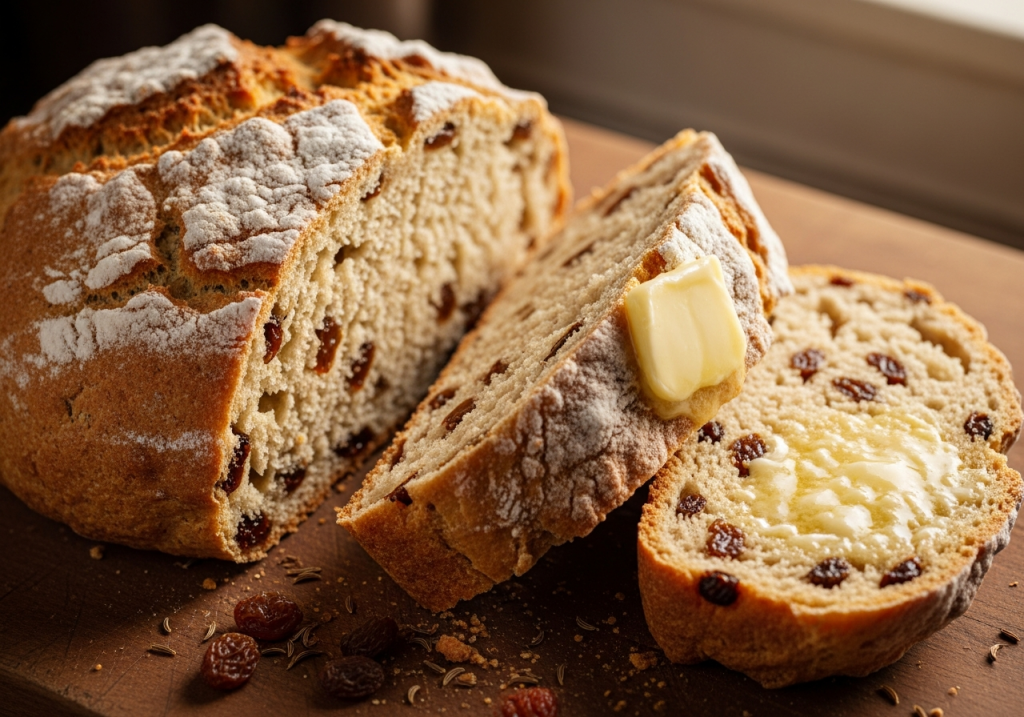

In the heart of Ireland’s rolling green landscapes and cozy hearths, one humble loaf has long stood as a symbol of simplicity, sustenance, and home-customary Irish soda bread. Born from necessity and shaped by centuries of culinary tradition, this rustic bread tells a story of resourcefulness in a land where yeast was once scarce and time was precious. Unlike its kneaded, proofed cousins, Irish soda bread rises with the magic of baking soda, creating a quick, hearty loaf that has become a beloved staple on tables across the world. Join us as we explore the fascinating rise of this iconic bread and unveil the timeless recipe that has nourished generations, turning everyday ingredients into a warm, golden slice of Ireland’s heritage.
The Rise and Recipe of Traditional Irish Soda Bread is rooted deep within Ireland’s rural heritage, a timeless staple that has warmed countless kitchens and hearts. This humble bread, made famous by its simple yet hearty ingredients, tells the story of resilience and tradition, crafted without yeast but with the magic of baking soda. Its quick preparation and unmistakably rustic crust make it a beloved favourite not only in Ireland but across the world. I remember the first time I baked it-with just a few pantry basics-being amazed at how such a modest combination births a loaf so rich in character and soul.
Prep and Cook Time
- Preparation: 10 minutes
- Cooking: 35 minutes
- Total Time: 45 minutes
Yield
1 medium loaf (serves 6-8 people)
Difficulty level
Easy – perfect for beginners and seasoned bakers alike
Ingredients
- 4 cups all-purpose flour, sifted
- 1 teaspoon baking soda
- 1 teaspoon fine sea salt
- 1 3/4 cups buttermilk, cold
- Optional: 1 tablespoon sugar (for a slightly sweet touch)
- Optional: 2 tablespoons melted butter (for brushing)
Instructions
- Preheat your oven to 425°F (220°C).Lightly grease a baking sheet or line it with parchment paper for an easy release.
- Combine dry ingredients: In a large bowl, whisk together the flour, baking soda, and salt until evenly blended. The baking soda serves as your natural leavening agent, activating instantly when you add the buttermilk.
- Create a well: Make a deep well in the centre of the dry mix. Pour the cold buttermilk into this well bit by bit, gently stirring with a wooden spoon or your hand to bring the dough together. Aim for a soft, slightly sticky dough-don’t overmix, or the bread might become tough.
- Shape the dough: Turn out the dough onto a floured surface and lightly knead it just until it forms a round loaf, about 6-7 turns. Keep the kneading minimal to maintain a tender crumb.
- Score the loaf: Place the shaped dough onto your prepared baking sheet. Using a sharp knife, gently cut a deep cross (about 1/2 inch) across the top of the loaf. This traditional mark helps the bread cook evenly and is said to ward off evil spirits.
- bake: Bake for 15 minutes at 425°F, then reduce the oven temperature to 350°F (175°C) and bake for an additional 20 minutes. The bread should have a golden-brown crust and sound hollow when tapped on the bottom.
- Cool: Remove the bread from the oven and brush it with melted butter if desired, for a soft, shiny crust. Let the loaf cool on a wire rack before slicing.
Tips for Success
- buttermilk substitute: if you don’t have buttermilk, mix 1 3/4 cups milk with 1 tablespoon lemon juice or white vinegar and let sit for 5 minutes to curdle.
- Flour variations: For a nuttier flavor, substitute up to half of the all-purpose flour with whole wheat or rye flour. Adjust liquid accordingly for hydration.
- Moisture balance: Dough will be sticky; resist adding to much flour or the texture will become dry.
- Storage: Consume within 1-2 days for best freshness. Wrap the loaf in a linen towel or store in a paper bag at room temperature.
- Freeze ahead: Slice and freeze toasting portions for quick breakfasts or snacks.
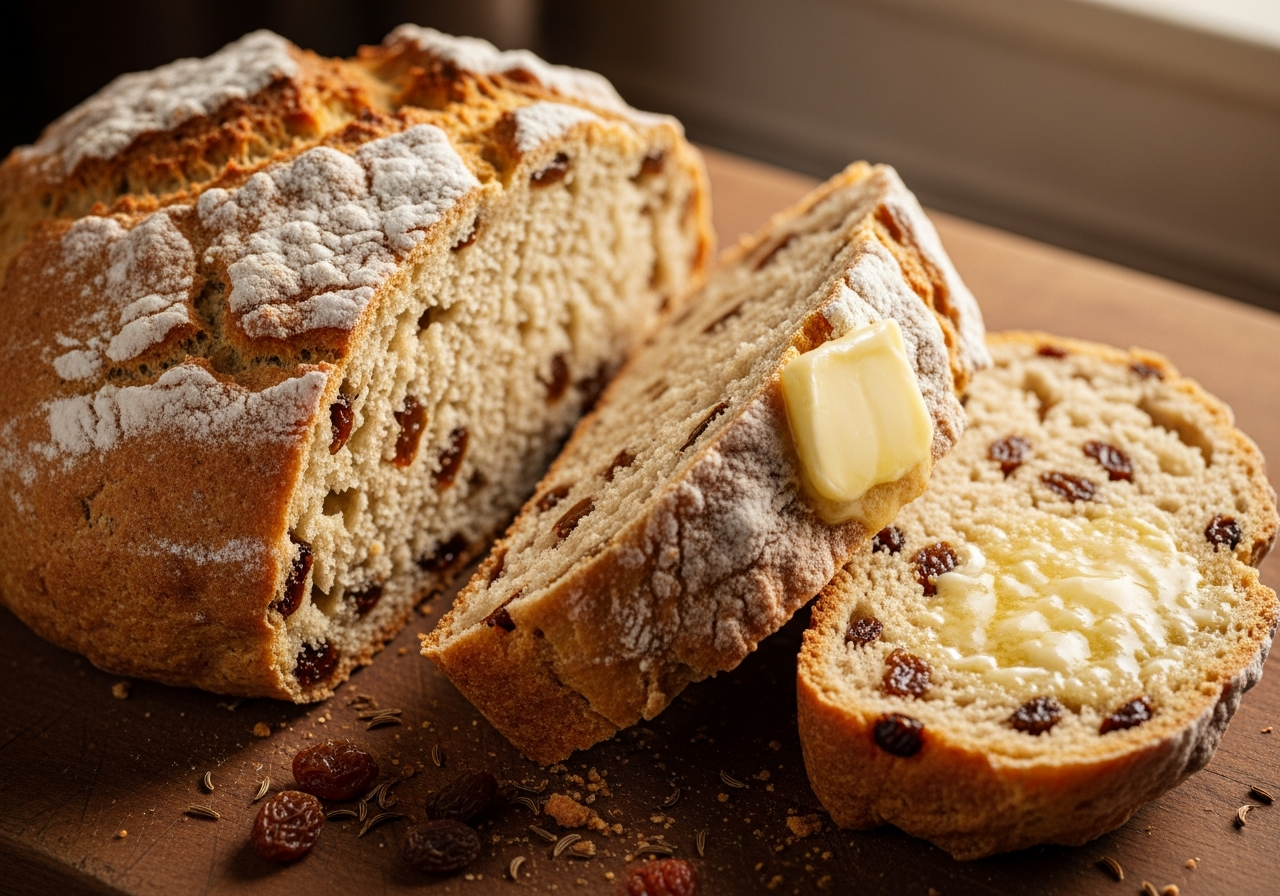
- Classic or sweet: Stir in raisins or currants for a sweet soda bread variation beloved in many Irish households.
Serving Suggestions
Traditional Irish soda bread is best served warm with a pat of rich Irish butter and a drizzle of local honey or jam. For a hearty meal,pair it alongside creamy Irish stew,smoked salmon,or a sharp cheddar cheese board.Garnish with fresh parsley or chives to brighten the presentation, and consider a side of homemade Irish butter for an authentic experience.

| Nutrient | Per Serving (1 slice) |
|---|---|
| Calories | 150 |
| Protein | 4g |
| Carbohydrates | 28g |
| Fat | 1g |
For further reading about Ireland’s culinary traditions, visit IrishCentral Food & Drink.
Explore more on baking fundamentals and classic bread recipes in our Bread Baking Basics article.
Q&A
Q&A: The Rise and Recipe of Traditional Irish Soda Bread
Q1: What makes Irish soda bread different from other breads?
A1: Unlike yeast-leavened breads, traditional Irish soda bread relies on baking soda and buttermilk for its rise. This chemical reaction creates a quick, hearty loaf without the need for hours of proofing. Its dense, crumbly texture and slightly tangy flavor set it apart from fluffier, airier breads.
Q2: How did Irish soda bread come to be such a staple in Ireland?
A2: In 19th-century Ireland, baking soda became a popular leavening agent because it was affordable and reliable, especially in rural households lacking yeast. Paired with buttermilk-a common byproduct of butter-making-this combination offered a quick, nourishing bread that suited the practical needs of working families.
Q3: What are the essential ingredients of traditional Irish soda bread?
A3: The classic recipe calls for just four staples: flour, baking soda, buttermilk, and salt. Some regional varieties add a pinch of sugar or a handful of raisins, but the soul of soda bread remains delightfully simple and unpretentious.
Q4: Why is buttermilk so crucial to soda bread’s texture and flavor?
A4: Buttermilk’s acidity reacts with the alkaline baking soda, producing carbon dioxide bubbles that cause the dough to rise. Beyond its chemical role, buttermilk imparts a subtle tang, tender crumb, and moistness that define traditional soda bread.
Q5: How is traditional Irish soda bread typically baked?
A5: Traditionally,soda bread is shaped into a round loaf and scored with a cross on top-a gesture said to bless the bread and ward off bad luck. It’s then baked in a hot oven until the crust turns golden and crackly, with a soft, crumbly interior.
Q6: Can soda bread be made with whole wheat or other flours?
A6: Absolutely! While white flour is common, many Irish households use whole wheat or a mix of flours, contributing a nuttier flavor and denser texture. This adaptability speaks to soda bread’s rustic origins and enduring appeal.
Q7: How is soda bread traditionally enjoyed in Ireland?
A7: Freshly baked soda bread often accompanies hearty stews, soups, or a simple spread of butter and jam. It’s a daily staple, offering comfort and sustenance whether at a family meal or a festive gathering.
Q8: What is the cultural significance of soda bread in contemporary Ireland?
A8: Soda bread remains a symbol of Irish heritage and hospitality. Baking it at home connects people to their past and celebrates a timeless tradition that continues to nourish both body and soul across generations.
This Q&A offers a window into the fascinating history and humble beauty of traditional Irish soda bread-a bread born from necessity, embracing simplicity, and bursting with cultural flavor.
In Retrospect
From its humble origins as a hearty staple in Irish households to its rise as a beloved symbol of comfort and tradition around the world, traditional Irish soda bread tells a story as rich as its rustic crust. With just a handful of simple ingredients-flour, baking soda, buttermilk, and salt-this bread embodies the resourcefulness and warmth of irish culture. Whether enjoyed fresh from the oven or paired with butter and jam, Irish soda bread remains a timeless recipe that connects generations, inviting us all to savor a slice of history with every bite.So next time you see that iconic cross scored atop a golden loaf, remember: you’re holding more than bread-you’re holding a slice of Ireland’s enduring culinary legacy.