
There’s a comforting charm in teh humble loaf of Irish soda bread-a recipe passed down through generations, whispering stories of warmth, home, and heritage with every slice. Unlike the kneaded, yeast-risen breads that dominate tables worldwide, Irish soda bread relies on the simple magic of baking soda and buttermilk, transforming basic pantry staples into a golden, tender crumb that carries the heart of Ireland in its aroma. In this article, we’ll journey through the history, tradition, and timeless appeal of Irish soda bread, uncovering how this unassuming bread continues to knead together community and culture, one hearty slice at a time.
Irish soda bread carries more than just flavor; it embodies a rich tapestry of cultural history and homely warmth that spans centuries. Originating in rural Ireland, this humble bread was born from necessity, leveraging simple pantry staples like baking soda and buttermilk to create a swift, satisfying loaf. The magic of Irish soda bread lies not only in its ease but also in its role as a staple food celebrating community, harvests, and family gatherings.
Prep and Cook Time
- preparation: 15 minutes
- Cooking: 35-40 minutes
- Total Time: 50-55 minutes
Yield
Serves 8 generously sliced portions
Difficulty Level
Easy – Perfect for beginner to intermediate bakers
Ingredients
- 4 cups all-purpose flour, sifted
- 1 teaspoon baking soda
- 1 teaspoon fine sea salt
- 1 ¾ cups buttermilk, chilled
- 1 tablespoon granulated sugar (optional, for a subtle sweetness)
- 2 tablespoons unsalted butter, melted (for brushing)
Instructions
- Preheat your oven to 425°F (220°C). Line a baking sheet with parchment paper or lightly dust with flour to prevent sticking.
- In a large bowl, whisk together the sifted flour, baking soda, salt, and sugar. This ensures even distribution of leavening and flavor.
- Create a well in the center of the dry ingredients and slowly pour in the chilled buttermilk, combining gently with a wooden spoon or your hands.The dough should be soft but not sticky; add a tablespoon more flour if too wet.
- turn out the dough</> onto a lightly floured surface. Knead gently just until the dough holds together-avoid over-kneading to keep the crumb tender and light.
- Shape into a round loaf about 7 inches in diameter. Place it on your prepared baking sheet.
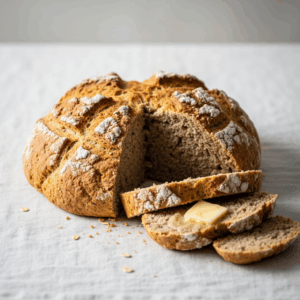
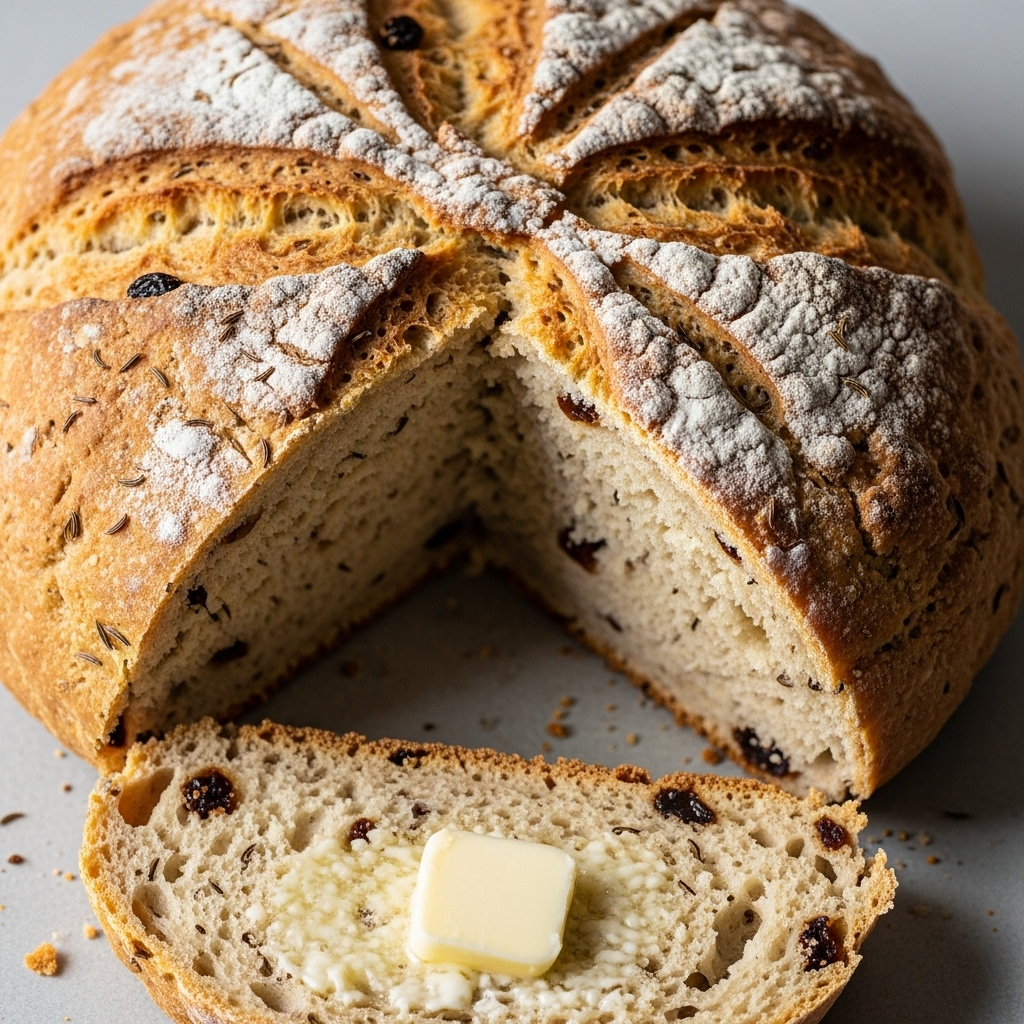
- Use a sharp knife to cut a deep cross on top of the dough-this traditional mark allows heat to penetrate and is thought to bless the bread.
- Brush the top lightly with melted butter to encourage a golden crust.
- Bake for 35-40 minutes until the crust is a warm golden brown and the loaf sounds hollow when tapped underneath.
- Cool on a wire rack for at least 20 minutes before slicing to preserve the perfect crumb structure.
Tips for Success
- Use cold buttermilk to activate baking soda properly and achieve optimal rise.
- Don’t skip the cross-not just for tradition, it guides the loaf to bake evenly while creating that iconic rustic look.
- Sift your flour for a lighter texture and to catch any lumps.
- For a slightly richer bread, substitute half the all-purpose flour with whole wheat flour, but reduce baking soda to ¾ teaspoon.
- Make ahead: The bread is best enjoyed fresh but keeps well for 2 days at room temperature wrapped in a tea towel to maintain moisture.
- Troubleshooting: If your bread is dense or heavy, check your baking soda’s freshness-old soda loses potency and won’t leaven properly.
Serving suggestions
Serve this Irish treasure sliced thick with a generous spread of butter or traditional Irish salted butter. it pairs beautifully with hearty Irish stews, like beef stew, where the bread’s dense crumb soaks up rich, savory gravies. For a breakfast treat, toast slices and top with smoked salmon, a squeeze of lemon, and fresh dill. Don’t forget a classic accompaniment of creamy Irish cheddar or a dollop of homemade jam.
Pair your slice with a warming cup of Irish breakfast tea or a pint of classic Irish stout for the quintessential experience.

| Nutrient | Per Serving |
|---|---|
| Calories | 180 kcal |
| Protein | 4 g |
| Carbohydrates | 36 g |
| Fat | 2 g |
Discover the beauty of baking irish soda bread and savor the toast of Ireland’s heritage in every slice. For a deeper dive into traditional Irish food, visit heritage Ireland and embrace the flavors that time has treasured.
Q&A
Q&A: The Magic of Irish Soda Bread – Tradition in Every Slice
Q1: What makes Irish soda bread so magical?
A1: The magic of Irish soda bread lies in its simplicity and soul. Unlike yeast breads, it relies on baking soda and buttermilk to create a tender, golden loaf in a fraction of the time. Each slice carries whispers of Irish hearths and hearty family gatherings,making every crumb a taste of tradition.Q2: How did Irish soda bread originate?
A2: Irish soda bread emerged in the 19th century, born from necessity and ingenuity. With limited access to yeast and harsh rural conditions, Irish families used baking soda as a leavening agent combined with acidic buttermilk. This quick bread became a staple, sustaining generations through humble ingredients and timeless comfort.
Q3: What are the essential ingredients in traditional Irish soda bread?
A3: At its heart, Irish soda bread is a minimalist masterpiece: flour, baking soda, salt, and buttermilk. The buttermilk’s acidity reacts with the baking soda to create lift, while the salt enhances flavor. Some variations include sugar,butter,or raisins,but the true magic shines brightest in simplicity.
Q4: Why is the distinctive cross scored on the bread’s top significant?
A4: That iconic cross isn’t just decorative – it’s steeped in folklore. Traditionally, the cross was scored to bless the bread and ward off evil spirits. Symbolizing protection and good fortune, it also helps the bread bake evenly, sealing the loaf’s mystical charm within every slice.
Q5: How has Irish soda bread influenced modern baking?
A5: Irish soda bread’s influence is profound in how it celebrates quick breads and rustic flavors. Its no-fuss approach paved the way for countless variations worldwide, inspiring bakers to embrace wholesome ingredients and the beauty of imperfect, hand-formed loaves.It’s a testament to how tradition can thrive in contemporary kitchens.
Q6: Can Irish soda bread be part of everyday life beyond St. Patrick’s Day?
A6: Absolutely! While often spotlighted during St. Patrick’s Day festivities, Irish soda bread is a year-round treasure. Its comforting texture and adaptability make it perfect for breakfasts, soups, or as a companion to stews. Each slice invites you to savor a little piece of Ireland any day of the year.
Q7: What’s the secret to making the perfect Irish soda bread at home?
A7: The secret is respect for the ingredients and the process – don’t overmix, let the dough rest briefly, and bake until the crust is a deep golden hue. Use fresh baking soda and tangy buttermilk for that signature lift. Most importantly, enjoy the ritual and connection to a rich heritage with every knead and slice.
Q8: How does Irish soda bread reflect Irish culture?
A8: Irish soda bread embodies resilience, community, and warmth-values intrinsic to Irish culture.It’s more than food; it’s a narrative baked into daily life, where the hearth is the heart of the home, and sharing bread is sharing stories, history, and love.
Through these questions and answers, the enduring enchantment of Irish soda bread reveals itself-a simple loaf woven with centuries of tradition, history, and heart. Every slice invites you to taste not just bread,but the spirit of Ireland itself.
In Summary
As the warm aroma of freshly baked Irish soda bread fills your kitchen, it’s easy to see why this humble loaf has captured hearts across generations. More than just a quick bread, it carries the spirit of Ireland-its resilience, its simplicity, and its deep-rooted tradition-in every tender slice. whether enjoyed with a pat of butter, a drizzle of honey, or simply on its own, Irish soda bread invites you to savor not only its rich flavor but the stories baked into its crumb. So next time you break bread with family or friends, remember: you’re partaking in a timeless ritual, a delicious bridge between past and present, where every bite whispers the magic of Ireland’s heritage.