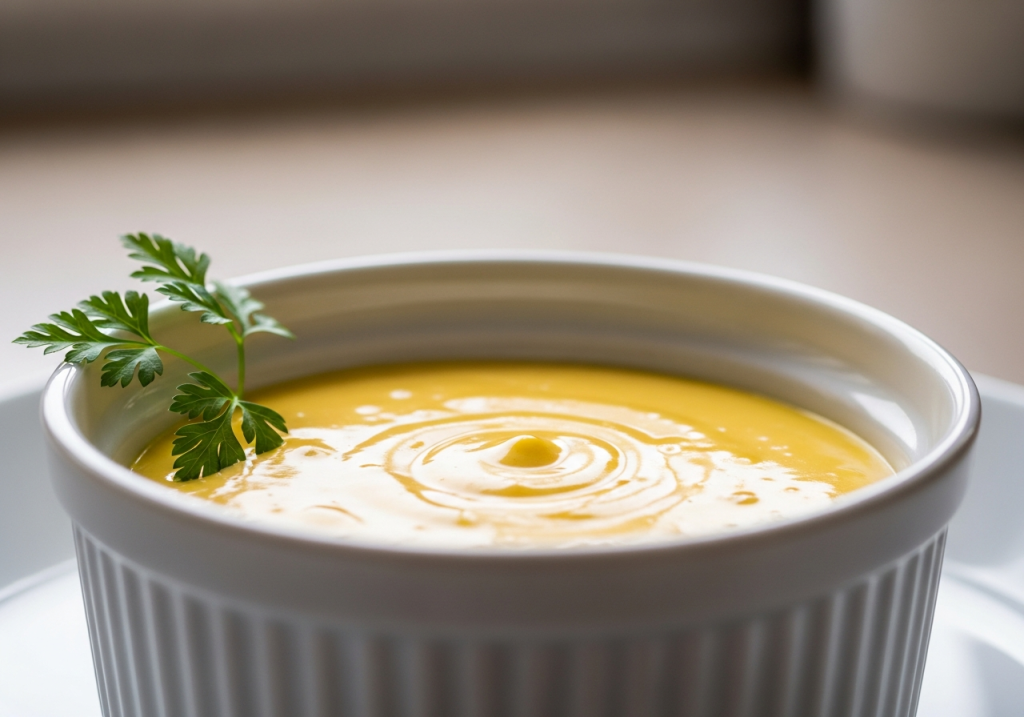

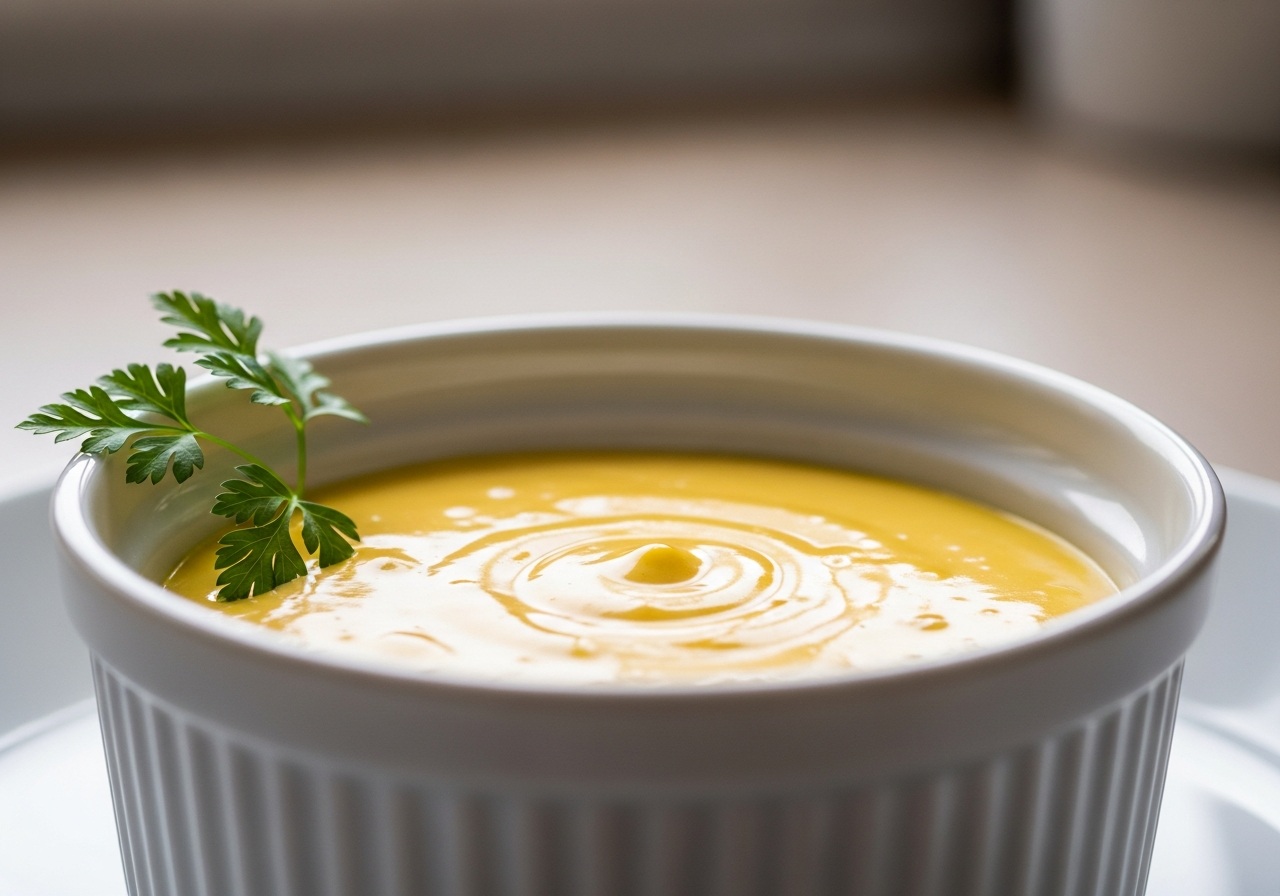
There’s a sauce that has quietly stolen the spotlight from simple butter and ketchup-a silky, golden emulsion that transforms dishes from mundane to splendid with just a drizzle. Hollandaise sauce, the creamy classic of French cuisine, carries centuries of culinary artistry in every luscious spoonful. But what exactly is this velvety marvel, and how does it achieve its perfectly balanced richness without ever tipping into heaviness? In this article, we’ll unravel the secrets behind Hollandaise sauce-exploring its origins, ingredients, and the delicate dance of technique that turns humble components into a timeless culinary treasure.Whether you’re a seasoned chef or a curious kitchen novice, get ready to dive into the creamy magic that is Hollandaise.
Hollandaise sauce is a timeless culinary treasure whose decadent creaminess originates from the delicate dance of emulsification between rich egg yolks and melted butter. Mastering this classic sauce unlocks a world of possibilities, elevating everything from eggs Benedict to fresh asparagus with its velvety texture and buttery tang. Whether you’re a seasoned cook or an keen home chef, understanding the nuances of emulsification empowers you to craft hollandaise sauce that’s perfectly balanced, luxuriously smooth, and memorably flavorful every single time.
Prep and Cook Time
- Planning: 10 minutes
- Cooking: 10 minutes
- Total Time: 20 minutes
Yield
Serves 4 generously
difficulty Level
Medium – Requires attention and gentle heat control for perfect emulsification
Ingredients
- 3 large egg yolks, at room temperature
- 1 tablespoon fresh lemon juice (about half a lemon)
- 1/2 cup unsalted butter (1 stick), melted and kept warm
- Pinch of salt
- Pinch of freshly ground white pepper or cayenne pepper (optional)
Step by Step Guide to Achieving the ideal Texture Every Time
- Set up a gentle double boiler. Fill a saucepan with an inch or two of water and bring it to a low simmer (not boiling). Use a heatproof bowl that fits snugly atop without touching the water.
- Whisk the egg yolks and lemon juice. In the bowl, vigorously whisk together the egg yolks and fresh lemon juice until the mixture thickens and becomes pale in color – roughly 2 to 3 minutes. This brightens the sauce’s flavor and kickstarts emulsification.
- Slowly incorporate melted butter. Remove the bowl from the heat briefly, then very gradually drizzle the warm melted butter into the egg mixture while whisking continuously. Adding the butter too quickly causes curdling, so patience here is key. The sauce should become smooth, glossy, and thick.
- Season delicately. Add a pinch of salt and white or cayenne pepper to enhance richness without overpowering. Taste and adjust the lemon juice if needed for balance.
- Keep warm but serve promptly. Hollandaise sauce is best served fresh. Keep it warm over a very low heat or in a thermos, whisking occasionally to preserve emulsification and silky texture.
Understanding the Art of Emulsification in Hollandaise Sauce
Emulsification is the magical process where tiny droplets of butter suspend within the egg yolks, creating a luscious, unified sauce. Achieving this requires the right temperature and constant whisking – too hot, and the eggs will scramble; too cold, and the butter won’t incorporate fully. Remember, a steady hand and patience transform these simple ingredients into a creamy marvel.
Selecting the Perfect Ingredients for a Rich and Balanced Flavor
Quality matters greatly. Use fresh, free-range eggs for their vibrant yolks and superior emulsifying power. Choose unsalted butter to control seasoning precisely. Freshly squeezed lemon juice offers a radiant acidity that balances the butter’s richness, while delicate white pepper prevents unwanted black specks. These thoughtful choices create a hollandaise sauce that sings with harmony and depth.
Tips and Variations to Elevate Your Hollandaise Experience
- Fixing a broken sauce: If your sauce starts to separate, whisk a teaspoon of warm water into a fresh egg yolk, then slowly incorporate the broken sauce to rescue the emulsion.
- Adding herbs: For a fresh twist, fold in chopped tarragon, chives, or dill just before serving.
- infused variations: Simmer a sprig of rosemary or a strip of lemon zest in the melting butter for subtle aromatic notes.
- Make-ahead tip: Prepare components separately and gently rewarm while whisking before serving. Avoid overheating to maintain texture.
- Substituting lemon: Use white wine vinegar or a splash of champagne vinegar for nuanced acidity without citrus.
Serving Suggestions
Hollandaise sauce shines atop soft-poached eggs on toasted English muffins, crowned as the heart of eggs Benedict. Pour it over steamed asparagus or blanched green beans for an elegant side at any dinner table. Drizzle generously on grilled salmon or delicate halibut fillets for a restaurant-quality presentation. Garnish with a sprinkle of fresh herbs or a wedge of lemon for a pop of color and vibrancy.

| Nutrient | per Serving |
|---|---|
| Calories | 210 kcal |
| Protein | 3 g |
| carbohydrates | 1 g |
| Fat | 22 g |
For related inspiration, explore our Classic Egg Recipes to discover more culinary delights.For deeper scientific insights on emulsification and sauce techniques, see this authoritative article on emulsification.
Q&A
Q&A: Hollandaise Sauce – the Creamy Classic Sauce Explained
Q1: What exactly is Hollandaise sauce?
A1: Hollandaise sauce is one of the five mother sauces in French cuisine, celebrated for its rich, buttery texture and tangy, luscious flavor. it’s an emulsion made from egg yolks, melted butter, and lemon juice, often seasoned with a touch of salt and a dash of cayenne or white pepper. This golden, silky sauce is famously paired with dishes like eggs Benedict, steamed asparagus, and poached fish.
Q2: Where does the name “hollandaise” come from?
A2: The name “Hollandaise” translates to “Dutch sauce” in French. While its exact origins are somewhat murky, the name likely refers to the use of Dutch butter, prized in Europe for its quality and creaminess. The French put their spin on it, transforming it into the velvety classic we adore today.
Q3: What makes Hollandaise sauce unique compared to other creamy sauces?
A3: Hollandaise’s magic lies in its delicate yet stable emulsion of egg yolks and butter.Unlike cream-based sauces, it’s egg yolks that give it structure and thickness, while butter lends richness and smoothness. the touch of lemon juice cuts through the richness, adding brightness and balance. Mastering the temperature and whisking technique is key – it’s a dance of heat and motion that turns simple ingredients into a decadent masterpiece.
Q4: How do you make Hollandaise sauce at home without it breaking?
A4: Patience and precision are your best friends. start by whisking egg yolks with lemon juice over a gentle double boiler, warming slowly until they thicken into a pale custard. Then-very slowly!-whisk in warm melted butter in a steady stream, creating a creamy emulsion. Keep the sauce warm but never hot, to avoid scrambling the eggs. If it starts to separate, a teaspoon of cold water whisked in can bring it back to silky harmony.
Q5: Can Hollandaise sauce be made ahead or stored?
A5: Hollandaise is best served fresh,as it can separate or thicken too much when cooled. If you must prepare it ahead,keep it warm in a thermos or over very gentle heat and whisk occasionally. Refrigeration will cause it to solidify; reheating can be tricky and risks curdling. For a speedy fix, some cooks use powdered or store-bought mixes, but nothing compares to the fresh homemade version.
Q6: Are there popular variations of Hollandaise sauce?
A6: Absolutely! The classic Hollandaise serves as a canvas for creativity. Sauce Béarnaise adds tarragon and shallots for an herby twist, perfect with steak. Mousseline incorporates whipped cream for an airy-light texture. some chefs infuse flavors like smoked paprika or curry powder for adventurous palettes. Each variation respects the original’s delicate balance while exploring new taste territories.
Q7: What dishes pair best with Hollandaise sauce?
A7: Hollandaise shines brightest on simply prepared ingredients that benefit from its richness and bright acidity. Think of poached eggs floating atop English muffins in eggs Benedict, tender asparagus spears drizzled generously, flaky steamed fish, roasted artichokes, or steamed vegetables begging for a velvety finishing touch. It’s the ultimate sauce to elevate humble dishes into restaurant-worthy fare.
Q8: Is Hollandaise sauce gluten-free and suitable for special diets?
A8: Yes! Hollandaise sauce is naturally gluten-free since it contains no flour or gluten-containing thickeners. It’s also free of dairy solids beyond butter, making it suitable for many dairy-tolerant diets. however, it is rich in fat and eggs, so those with cholesterol concerns or egg allergies should exercise caution.
Hollandaise sauce is truly a classic for a reason: its simple ingredients come together in an elegant symphony of flavor and texture, turning everyday meals into unforgettable culinary experiences. Now that you’re armed with the secrets behind this creamy Dutch delight, it’s time to don your whisk and create sauce magic in your kitchen!
The Way Forward
From its rich, buttery origins to its bright, lemony tang, hollandaise sauce stands as a testament to the art of emulsification and culinary finesse. Whether draped over perfectly poached eggs, vibrant asparagus, or tender fish, this creamy classic elevates any dish with its luxurious texture and nuanced flavor. Mastering hollandaise may seem daunting at first, but with a little patience and practice, this timeless sauce can become a staple in your kitchen repertoire-bringing a touch of elegance and warmth to both everyday meals and special occasions alike. So next time you whisk together egg yolks and melted butter, remember: you’re not just making a sauce; you’re continuing a delicious tradition.