
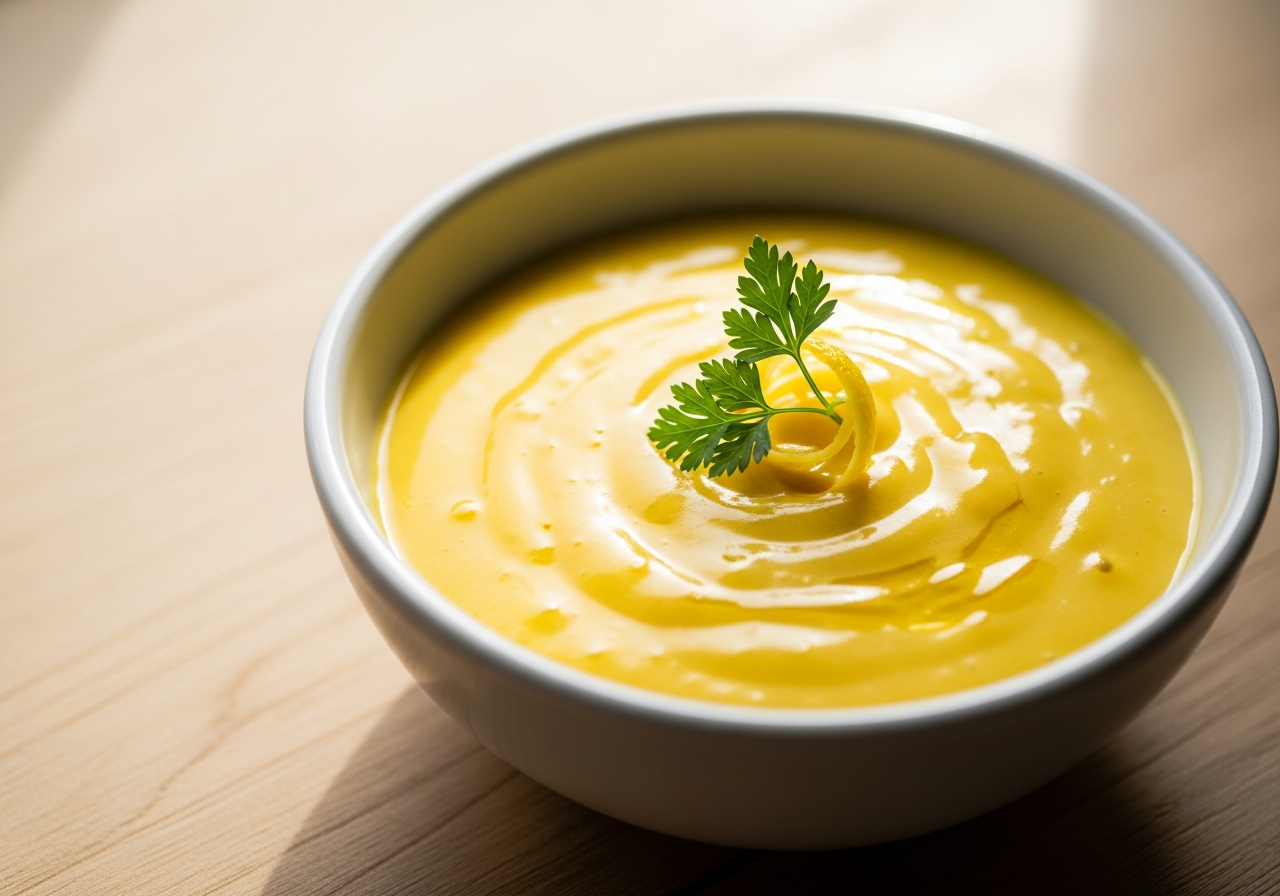
In the realm of culinary artistry, few sauces boast the elegant mystique and timeless allure of hollandaise. This velvety, golden emulsion-rich, buttery, and laced with a hint of lemon-has graced classic dishes from delicate eggs Benedict to tender asparagus for centuries. Yet behind its creamy texture lies a delicate balance of technique and ingredient harmony that continues to captivate chefs and food lovers alike. Join us as we unveil the story, science, and secrets of hollandaise sauce, exploring how this creamy culinary classic earned its revered place at the table and how to master its luscious simplicity in your own kitchen.
Hollandaise sauce is an emblem of french culinary artistry, revered for its luscious, silky texture and its bright, buttery tang. Originating from the classic French tradition yet often linked to Dutch influences through its name, this sauce has evolved into a versatile masterpiece that elevates eggs Benedict, asparagus, salmon, and myriad dishes. My first encounter with Hollandaise sauce was at a rustic brunch spot where the vibrant, velvety creaminess paired with perfectly poached eggs forever changed my breakfast experience. Mastering this sauce opens a gateway to culinary elegance, and its timeless charm continues to inspire chefs and home cooks alike.
Prep and Cook Time
- Preparation: 10 minutes
- Cooking: 10 minutes
- Total Time: 20 minutes
Yield
Serves 4 generously
Difficulty Level
Medium – requires attention to temperature and careful whisking to perfect the emulsion
Ingredients
- 3 large egg yolks, at room temperature
- 1 tablespoon fresh lemon juice
- 1/2 cup unsalted butter (1 stick), melted and kept warm
- 1/4 teaspoon salt
- Pinch of cayenne pepper or white pepper (optional)
Instructions
- Prepare a double boiler: Fill a saucepan with about 2 inches of water and bring to a gentle simmer over medium heat. Ensure the bowl you use sits snugly on top without touching the water.
- Whisk the egg yolks and lemon juice: In a heatproof bowl, vigorously whisk the egg yolks and lemon juice until the mixture is pale and slightly thickened, about 1-2 minutes.
- Emulsify over heat: Place the bowl over the simmering water and continue whisking constantly. Ensure the water is hot but not boiling, as direct heat can scramble the eggs. Heat for about 3-4 minutes until the mixture thickens and ribbons form when you lift the whisk.
- Slowly add warm butter: Begin drizzling the melted butter in a thin, steady stream while whisking continuously. This gradual addition is key to forming the perfect silky emulsion. If the sauce thickens too much, add a teaspoon of warm water to loosen it.
- Season the sauce: Remove from heat and whisk in salt and cayenne pepper for a subtle kick. Taste and adjust lemon or seasoning as needed.
- Serve immediately: hollandaise sauce is best served warm. Keep slightly warm by placing the bowl in a warm spot or over very gentle heat but avoid overheating.
Tips for Success
- Maintain steady heat: Use low simmering water.too hot and eggs scramble; too cool and the sauce won’t thicken properly.
- Use clarified butter: For extra smoothness and clarity, clarify your butter by melting and skimming off milk solids before use.
- Troubleshooting broken sauce: If the sauce separates, whisk in a teaspoon of cold water vigorously or start with a fresh egg yolk and gradually whisk in the broken sauce.
- Make-ahead tip: Hollandaise does not store well; for best results prepare fresh. Reheat gently over warm water while whisking.
- Variations: Add a teaspoon of Dijon mustard for a tangy twist, or infuse vinegar with shallots for classic Béarnaise style.
Creative Variations and Flavour Pairings
Elevate your culinary repertoire by experimenting beyond classic lemon. Try tarragon and shallots for a Béarnaise sensation or infuse with smoked paprika and garlic for a deeper, smoky profile. Hollandaise sauce pairs beautifully with tender asparagus, vibrant sautéed greens, and flaky fish like salmon or halibut. Drizzle over poached eggs or even roasted baby potatoes to add a luxurious finish.
Serving Suggestions
- Garnish with fresh chopped chives or microgreens for a bright visual and fresh bite.
- Pair with soft poached eggs on English muffins for classic eggs Benedict.
- Drizzle over grilled asparagus or steamed artichokes for a spring-inspired appetizer.
- Try spooning over chilled lobster or crab for an elegant seafood presentation.
| Nutrient | Per Serving |
|---|---|
| Calories | 250 kcal |
| Protein | 3 g |
| Carbohydrates | 1 g |
| Fat | 26 g |

For a deeper dive into classic French sauces, check out our French Classic Sauces Guide. to explore the fascinating history of emulsions and culinary chemistry, visit CooksInfo hollandaise Sauce.
Q&A
Q&A: Hollandaise Sauce Unveiled – The Creamy Culinary Classic
Q1: What exactly is Hollandaise sauce?
A: hollandaise is a rich, velvety sauce made primarily from egg yolks, clarified butter, and a splash of lemon juice. it’s one of the five classic “mother sauces” of French cuisine,renowned for its silky texture and tangy,buttery flavor that elevates everything from eggs benedict to steamed asparagus.Q2: Why is Hollandaise considered a culinary classic?
A: its status comes from both tradition and technique. Hollandaise embodies the art of emulsification – blending hot butter and egg yolks into a smooth, stable sauce without scrambling the eggs. This delicate balance, perfected by French chefs over centuries, makes it a timeless symbol of culinary finesse and flavor sophistication.
Q3: What’s the secret to making a perfect Hollandaise?
A: Patience and gentle heat are key. The egg yolks must be gently whisked over a bain-marie (double boiler) to slowly thicken without curdling. Then, warm clarified butter is drizzle-whisked in slowly to create that luscious, creamy texture. A squeeze of fresh lemon juice brightens the sauce, while a pinch of salt enhances its depth.
Q4: Can Hollandaise sauce be customized or flavored differently?
A: Absolutely! While the classic recipe sticks to lemon, adventurous cooks often add herbs like tarragon or chervil, a dash of Dijon mustard, or even a hint of cayenne pepper for extra kick.This versatility keeps Hollandaise both timeless and fresh, adapting to various dishes and palates.
Q5: Is Hollandaise sauce difficult to make for home cooks?
A: It has a reputation for being tricky due to its temperature sensitivity. But with a little practice and care, it’s quite achievable. Using a double boiler and whisking consistently can definitely help prevent it from curdling. Plus, modern kitchen gadgets and blender techniques offer cheat-codes without sacrificing flavor!
Q6: What dishes pair best with Hollandaise?
A: The sauce shines brightest alongside poached eggs, like in eggs Benedict, but it brilliantly complements steamed vegetables (think asparagus or artichokes), grilled fish, and even roasted potatoes.Its rich, tangy qualities enhance simple ingredients, turning everyday meals into elegant experiences.
Q7: How should Hollandaise be stored and served?
A: Hollandaise is best served immediately, while warm and glossy. If necessary, keep it warm gently (not hot!) in a thermos or over a very low heat to avoid breaking. As it contains egg yolks, it’s not recommended to refrigerate leftovers for long – fresh is always best.
Q8: What’s the history behind Hollandaise sauce?
A: Despite its name suggesting Dutch origins, Hollandaise is believed to have been perfected in France during the 17th and 18th centuries. Its name possibly honored the Dutch style of butter preparation or was a nod from French chefs to this rich butter-forward sauce.Today, it remains a beloved staple in kitchens worldwide.
Hollandaise sauce is more than just a condiment-it’s a creamy testament to technique, tradition, and taste. Mastery of this classic elevates any dish, turning simple ingredients into culinary masterpieces.
In Retrospect
As the final spoonful of Hollandaise lingers on the palate, we find ourselves appreciating more than just its buttery richness and velvety texture. This classic sauce, steeped in culinary history and brimming with technique, is a testament to the art of balance-where egg yolks, butter, and lemon unite in perfect harmony. Whether draped over tender asparagus, crowning eggs Benedict, or adding a luxurious touch to fish and steak, Hollandaise remains a timeless companion in the kitchen. So next time you whisk up this creamy marvel,remember: you’re not just making a sauce-you’re crafting a legacy of flavor that has delighted taste buds for centuries.