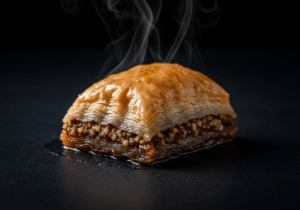

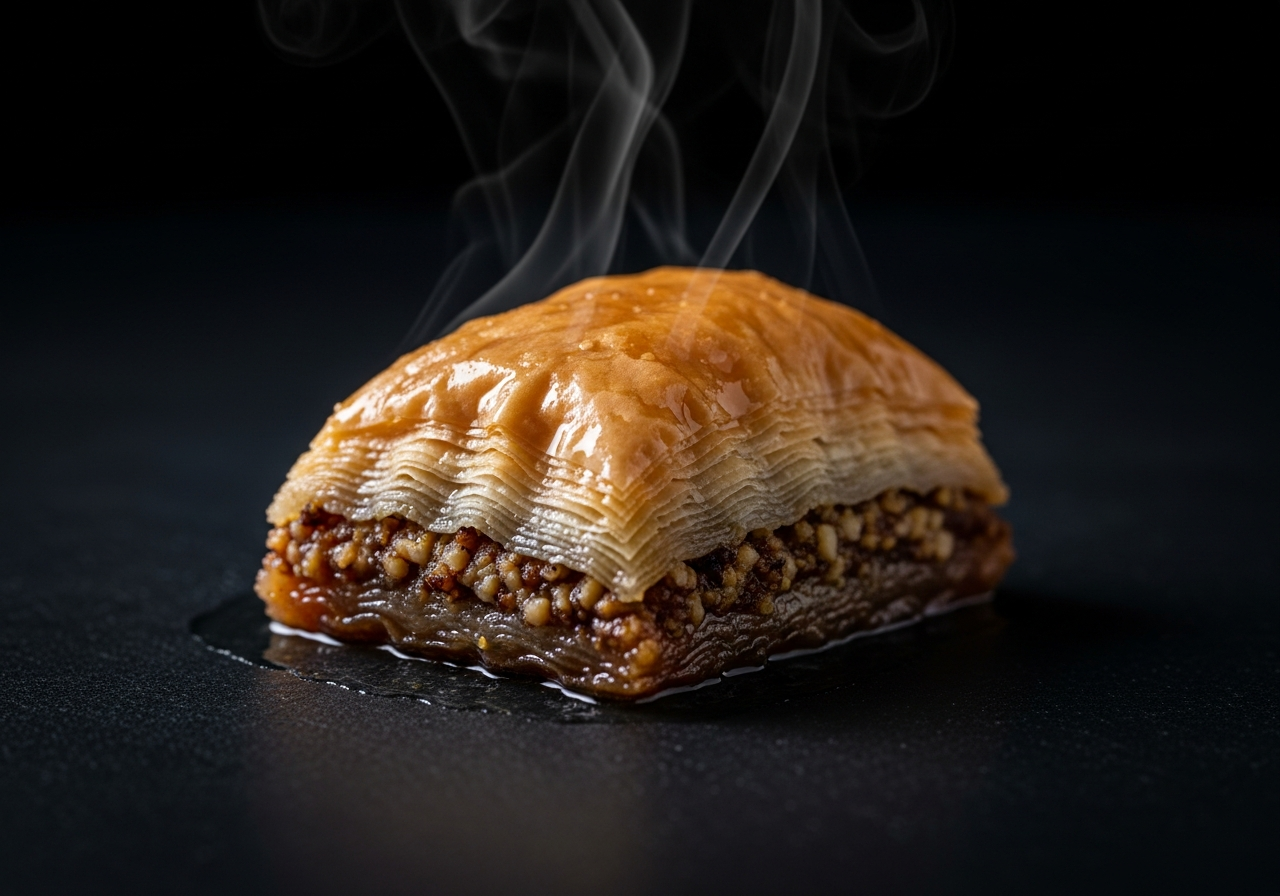
Beneath its shimmering, honeyed surface lies a story woven from centuries of tradition, culture, and culinary mastery. Greek baklava, with its golden layers of flaky phyllo dough, fragrant nuts, and luscious syrup, is more than just a dessert-it is an edible tapestry that captures the essence of a heritage steeped in flavor and finesse.
In this article, we peel back the delicate layers of this iconic pastry to reveal the artistry and passion that transform simple ingredients into a symphony of taste. journey with us as we unveil the secrets behind the golden layers of delight that make Greek baklava a timeless masterpiece in the world of sweets.
Golden Layers of Delight: the art of Greek baklava unveils a timeless culinary treasure rich in history and unmatched in flavor. This iconic dessert, with its flaky phyllo sheets, aromatic nut filling, and luscious honey glaze, has been a symbol of hospitality and celebration across generations in Greece and the broader Mediterranean. from bustling village festivals to elegant family gatherings, baklava signifies warmth, tradition, and the joyous sweetness of shared moments.
Prep and Cook Time
- Planning: 45 minutes
- Cooking: 50 minutes
- Cooling and glazing: 1 hour
Yield
Serves 12 generous portions
Difficulty Level
Medium – requires patience with phyllo layering but rewarding for all skill levels
Ingredients
- 1 package (16 oz) phyllo dough, thawed according to package directions
- 2 cups walnuts, finely chopped
- 1 cup pistachios, finely chopped
- 1 cup almonds, finely chopped
- 1 teaspoon ground cinnamon
- 1/2 teaspoon ground cloves
- 1 cup unsalted butter, melted and cooled
- 1 cup granulated sugar
- 1 cup water
- 3/4 cup honey
- 1 teaspoon vanilla extract
- 1 strip of lemon peel (for syrup)
Instructions
- Preheat your oven to 350°F (175°C). Lightly butter a 9×13 inch baking pan.
- Prepare the nut filling: In a large bowl,combine the finely chopped walnuts,pistachios,almonds,cinnamon,and cloves. Stir to blend the spices evenly for a fragrant and authentic flavor.
- Unroll the phyllo dough and cover it with a slightly damp towel to prevent drying. This is key to maintaining pliability and achieving those golden layers.
- Layer the phyllo: Place one sheet of phyllo in the baking pan and brush generously with melted butter. Repeat this process for 8 layers, ensuring each gets its buttery sheen for ultimate crispness.
- Spread half the nut mixture evenly over the layered phyllo.Continue layering another 5 sheets of phyllo, each brushed with butter.
- Add the remaining nut filling, then finish with a final 8 layers of phyllo, brushing each with butter as before.
- using a sharp knife, carefully cut the baklava into diamond or square shapes before baking. Cutting beforehand allows the syrup to fully penetrate later.
- Bake for 50 minutes or until the top is a deep golden brown and crisp. Keep an eye on the edges-they should not burn but crisp beautifully.
- While baking, prepare the syrup: In a saucepan, combine sugar, water, honey, vanilla extract, and lemon peel. Bring to a boil,then simmer for 10 minutes until slightly thickened. Remove from heat and discard the peel.
- when baklava is done, instantly pour the warm syrup evenly over the hot pastry. The sizzle and absorption create that irresistible honey glaze finish.
- Allow to cool entirely at room temperature for at least one hour. This resting time lets the syrup soak through all the golden layers, uniting crispness with luscious sweetness.
Tips for Success
- Phyllo dough handling: Always keep your phyllo covered and work quickly to prevent drying, which causes breakage.
- Nut variety: For a more customary profile, use freshly toasted nuts.Swap walnuts for pecans or hazelnuts for creative flair.
- Syrup precision: pour syrup hot over warm baklava to maximize absorption without sogginess.
- Make ahead: Baklava improves in flavor after a day,allowing layers to marry fully. Store airtight at room temperature.
- Cutting technique: Use a serrated knife with a gentle serration stroke to avoid crumbling.
Serving Suggestions
present your baklava on an elegant platter, garnished with crushed pistachios or a light dusting of ground cinnamon. Pair it with a cup of strong greek coffee or a fragrant herbal tea to balance its sweet richness beautifully. For gatherings, serve small, bite-sized portions for easier sharing and an exquisite display of golden layers and nutty textures.
| Nutrient | Per Serving |
|---|---|
| Calories | 320 kcal |
| Protein | 5 g |
| Carbohydrates | 35 g |
| Fat | 18 g |

Discover more Mediterranean classics to pair with your baklava in our Greek Desserts Collection. For a deeper dive into the rich history of baklava, visit Encyclopædia Britannica.
Q&A
Q&A: Golden Layers of Delight – The Art of Greek Baklava Unveiled
Q1: What makes greek baklava so special compared to other versions?
Greek baklava is a harmonious symphony of ultra-thin, crisp phyllo dough layered with a fragrant blend of chopped walnuts, almonds, and cinnamon, all drenched in a delicate honey-lemon syrup. Unlike some variants that rely heavily on sugar syrups, Greek baklava’s syrup strikes a perfect balance, adding brightness and depth without overpowering the nuts or pastry. Its texture is an artful dance between flaky crunch and sticky sweetness, making each bite a golden delight.
Q2: Where did baklava originate, and how did it become a greek culinary treasure?
Baklava’s roots weave through the rich tapestry of the Ottoman Empire and the Middle East, with contributions from many cultures. The Greek iteration, though, refined the dish-introducing local nuts and a signature honey-lemon syrup-that elevated it into a national treasure. Over centuries,Greek baklava evolved into a festive staple,symbolizing celebration,hospitality,and the warmth of tradition.
Q3: what are the essential ingredients that define Greek baklava?
At its core, Greek baklava requires:
- Phyllo dough: paper-thin layers that bake into crisp golden sheets.
- Nuts: predominantly walnuts and almonds, sometimes enhanced with pistachios.
- Butter: generously brushed between layers to create richness and flakiness.
- Spices: ground cinnamon and occasionally clove or nutmeg to add aromatic warmth.
- Syrup: a fragrant blend of honey, sugar, water, lemon juice, and sometimes a hint of cinnamon or orange zest, poured warm over freshly baked pastry.
Q4: What is the secret behind achieving the perfect flakiness and syrup absorption?
Mastery lies in patience and precision. The phyllo dough must be brushed generously and uniformly with melted butter to coax out that signature golden crispness. Baking at a moderate temperature ensures even browning without drying out the layers. Immediately after baking, pouring warm syrup gently seeps into every crevice without sogginess, marrying crisp texture with luscious sweetness. Timing and temperature control are the silent artisans behind every perfect slice.
Q5: How is Greek baklava traditionally served and enjoyed?
Baklava is traditionally cut into diamond or square shapes,often garnished with a sprinkle of finely chopped nuts or a dash of cinnamon powder. it graces festive tables during holidays,weddings,and family gatherings,paired beautifully with strong Greek coffee or a glass of sweet dessert wine. Eating baklava is not just tasting a dessert; it is savoring a piece of Greek cultural heritage that brings people together in golden-layered delight.
Q6: Can baklava be customized or adapted for modern tastes?
Absolutely! While tradition provides the canvas,baklava invites creativity. Modern twists include using different nuts like pistachios or hazelnuts, infusing syrups with rosewater or orange blossom, adding hints of cardamom or even dark chocolate layers. Vegan versions substitute butter with plant oils and honey with agave syrup. Yet, even with innovation, the heart of baklava remains its crisp, nutty, syrup-soaked soul.
Q7: Why is baklava more than just a dessert in Greek culture?
Baklava is a golden thread woven into the fabric of Greek hospitality and celebration. It represents generosity, craftsmanship, and the joy of sharing. Each piece tells a story-of family recipes passed down, of communal baking sessions filled with laughter, and of moments where sweetness bridges generations. To eat baklava is to partake in a centuries-old tradition of delight and connection.
In unwrapping the layers of Greek baklava, we discover not just a dessert, but a timeless art form-where golden pastry, fragrant spices, and sweet syrup converge to evoke passion, history, and the universal language of flavor.
The Way Forward
As we close the delicate pages of the golden layers that compose Greek baklava, we’re reminded that this dessert is more than just a sweet treat-it’s a tapestry woven from history, culture, and meticulous craft. Each crisp, flaky fold tells a story of centuries-old traditions, aromatic spices, and the patient hands that transform humble ingredients into a masterpiece of flavor and texture. Whether enjoyed in a bustling Athenian café or crafted lovingly at home, baklava invites us to savor not only its delightful taste but also the rich heritage it carries. Embracing the art of Greek baklava is, in essence, embracing a timeless celebration of culinary delight-one golden layer at a time.