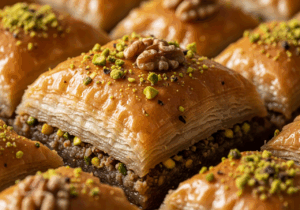

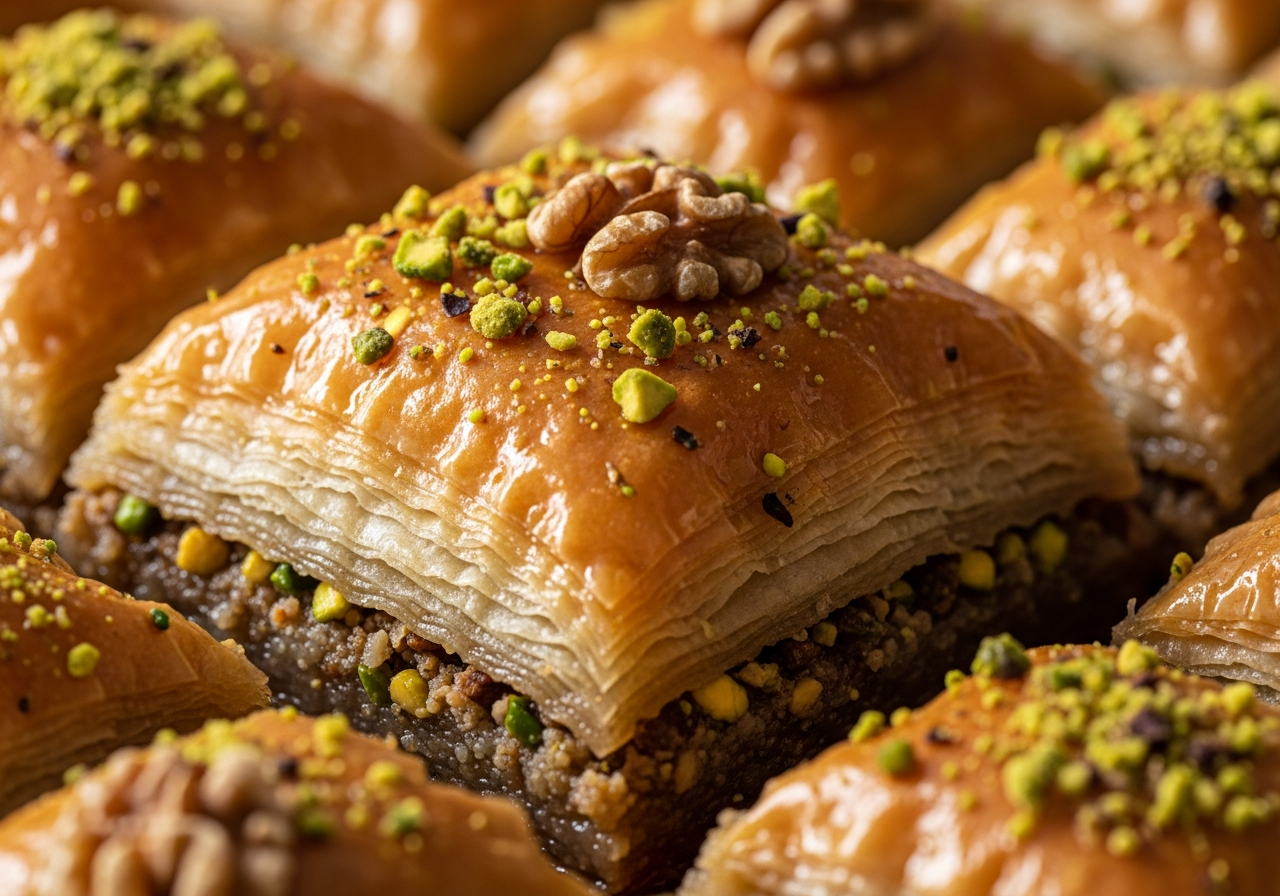
There’s a timeless magic woven into teh layers of golden, flaky pastry drenched in fragrant honey-welcome to the world of classic Greek baklava. This beloved dessert, with its rich history rooted in ancient traditions and Mediterranean flavors, is more than just a sweet treat; it’s a sensory journey through culture, craftsmanship, and culinary artistry. In this article, we’ll uncover the sweet secrets behind the perfect baklava recipe, exploring the delicate balance of textures and the harmonious blend of nuts, spices, and syrup that make it an irresistible indulgence. Whether you’re a seasoned baker or a curious food lover,prepare to dive into the essence of Greek heritage,one buttery,syrup-soaked bite at a time.
Classic Greek baklava enthralls with its delicate layers and intoxicating blend of nuts and spices, a symphony of textures and aromas perfected through artful technique. Crafting this iconic dessert is a rewarding journey, where every fold of phyllo dough promises flaky, buttery bliss beneath a crown of fragrant nuts, soaked in luscious honey syrup that seals the magic. Whether you’re revisiting a cherished tradition or discovering the sweet secrets of classic Greek baklava recipe for the first time, mastering its layers and syrup is key to achieving that irresistible finish.
Prep and Cook Time
Planning: 40 minutes | cooking: 50 minutes | Total: 1 hour 30 minutes
Yield
Makes approximately 16 generous servings
Difficulty Level
Medium – requires patience and attention to layering but rewarding and approachable
Ingredients
- 1 package (16 oz) phyllo dough, thawed according to package instructions
- 2 cups walnuts, finely chopped
- 1 cup pistachios, finely chopped
- 1/2 cup almonds, finely chopped
- 1 tsp ground cinnamon
- 1/2 tsp ground cloves
- 1 cup (2 sticks) unsalted butter, melted
- 1 cup water
- 1 cup granulated sugar
- 3/4 cup honey
- 1 tbsp fresh lemon juice
- 1 tsp vanilla extract
Instructions
- Preheat the oven to 350°F (175°C).Lightly butter a 9×13-inch baking dish.
- Prepare the nut mixture: In a bowl, combine finely chopped walnuts, pistachios, almonds, ground cinnamon, and ground cloves. Mix evenly to infuse aromatic warmth into the filling.
- Lay the phyllo base: Unroll the phyllo and cover with a damp towel to prevent drying. Place one sheet on the baking dish and gently brush with melted butter. Repeat layering and buttering 8 sheets, ensuring even coverage but delicate handling to avoid tearing.
- Add the nut layer: Evenly spread about one-third of the nut mixture over the layered phyllo, gently pressing to distribute without crushing the nuts.
- Repeat layering: Continue layering 6 phyllo sheets brushed with butter, followed by another third of the nut mixture. Repeat for final nut layer and top with remaining phyllo sheets, buttering each thoroughly.
- Score the baklava: Using a sharp knife, carefully cut the layered pastry into diamond shapes or squares, marking down to the bottom to allow even syrup absorption later.
- Bake: Place the baklava in the oven and bake 50 minutes or until golden and crisp.The layers shoudl puff slightly, signaling perfect flakiness.
- Prepare honey syrup: While baking, combine water, sugar, honey, and lemon juice in a saucepan. Bring to boil, then simmer for 10 minutes until syrup thickens slightly. Remove from heat and stir in vanilla extract.
- Finish with syrup: As soon as the baklava comes out of the oven, pour the hot syrup evenly over the entire dish, letting it slowly soak into the layers to create that signature sticky sweetness.
- Cool and serve: Allow baklava to rest for at least 6 hours or overnight to absorb syrup fully. Serve at room temperature, garnished with a sprinkle of crushed pistachios or edible rose petals if desired.
Tips for Success
- Phyllo handling: Keep sheets covered with a damp cloth while working to prevent drying and brittleness.
- Butter is essential: Use real unsalted butter for layers-it imparts richness and helps create flaky, golden crusts.
- Nut selection: For authentic flavor, use a mixture of freshly chopped walnuts, pistachios, and almonds, avoiding pre-ground nuts to preserve texture.
- Syrup timing: pour the syrup while baklava is hot to maximize absorption and maintain crisp layers.
- Make ahead: Baklava improves in flavor overnight and can be stored covered at room temperature for up to 5 days.
Serving Suggestions
this dessert shines when served alongside a strong cup of Greek coffee or cardamom-spiced black tea. Present on a rustic wooden platter, accentuated with a dusting of powdered cinnamon and a handful of crushed pistachios for bursts of color and crunch. For an elegant touch, add a small dollop of lightly whipped cream or a scoop of vanilla bean ice cream to each plate.
| Nutrient | Per Serving |
|---|---|
| Calories | 320 kcal |
| Protein | 5 g |
| Carbohydrates | 30 g |
| Fat | 20 g |

For a deeper dive into Mediterranean desserts, explore our detailed Mediterranean Desserts Guide. To expand your spice knowledge, visit the Spices Inc Cinnamon Guide for expert advice.
Q&A
Q&A: Discover the Sweet Secrets of Classic Greek Baklava Recipe
Q1: What makes Greek baklava different from other versions of baklava?
A1: Greek baklava stands out due to its unique blend of ingredients and preparation method. While many regions use variations of nuts and syrups, Greek baklava traditionally layers paper-thin phyllo dough with a fragrant mix of walnuts, almonds, and cinnamon, then drenches it in a honey-lemon syrup. This combination creates a perfect balance of crispy,sweet,and aromatic flavors that define its classic character.
Q2: Why is phyllo dough essential in making authentic Greek baklava?
A2: Phyllo dough is the heart of baklava’s signature flaky texture. In Greek baklava, the dozens of delicate, paper-thin sheets become golden and crisp when baked, providing a light, buttery crunch that complements the rich nutty filling. Without phyllo’s ethereal texture, baklava would lose its distinctive layered appeal.
Q3: Can I use other nuts if I don’t have walnuts?
A3: Absolutely! While walnuts are traditional in Greek baklava, almonds and pistachios are also common and delicious alternatives. Some recipes even mix all three to create complexity in texture and taste. Just be mindful of your nut-to-dough ratio to maintain the perfect balance.
Q4: What is the secret behind the syrup that makes Greek baklava so addictively sweet?
A4: The syrup is ofen a simple blend of honey, sugar, water, and a hint of lemon juice or cinnamon, cooked until syrupy and poured warm over the freshly baked baklava. the key secret is timing-the syrup must be poured hot over warm baklava to soak evenly without making the pastry soggy, sealing in sweetness while preserving that irresistible crunch.
Q5: How long does it take to prepare and bake classic Greek baklava?
A5: Preparing baklava is a labor of love. Assembling the layers carefully can take about 45 minutes to an hour, depending on your speed with phyllo. baking usually requires 45 to 60 minutes to achieve that perfect golden finish. After baking, the syrup and resting time is another few hours or overnight, allowing the flavors to meld into the signature luscious texture.
Q6: Is Greek baklava gluten-free or suitable for special diets?
A6: Traditional Greek baklava is not gluten-free since phyllo dough is made from wheat flour. However, creative bakers have crafted gluten-free phyllo alternatives or layer nut-based crusts to adapt this dessert for special diets. It’s always best to check ingredient labels or recipes if you have dietary restrictions.
Q7: What is the best way to serve and enjoy greek baklava?
A7: Greek baklava is best served at room temperature, allowing the syrup to settle perfectly. It pairs wonderfully with a strong cup of Greek coffee or a scoop of vanilla ice cream for a contrast of warm, sweet, and creamy sensations. Slice it into diamond shapes to honor tradition and impress your guests with an authentic presentation.
Q8: Can I store baklava, and how long does it keep?
A8: Yes! Baklava stores well and even tastes better the next day as the flavors deepen. Keep it in an airtight container at room temperature for up to five days. For longer storage, refrigeration is possible but may slightly soften the crisp layers – just bring it back to room temperature before serving to regain some crunch.
Q9: What cultural significance does baklava hold in Greek tradition?
A9: Baklava isn’t just a dessert-it’s a symbol of hospitality, celebration, and craftsmanship in Greek culture. Often enjoyed during festivals, holidays, and family gatherings, it represents the richness of Greek culinary heritage passed down through generations with pride and love.
Q10: Where can a beginner find reliable recipes to start making Greek baklava at home?
A10: Beginners should look for recipes that emphasize step-by-step instructions with clear photos or videos. Many Greek cookbooks and reputable food blogs offer approachable, authentic baklava recipes. Look for ones that highlight sourcing quality phyllo and nuts, and explain syrup timing to set yourself up for sweet success.
Key Takeaways
As you unwrap the layered magic of classic Greek baklava, you’re not just savoring a dessert-you’re tasting centuries of tradition, passion, and artistry. Each flaky sheet and golden drizzle of honey tells a story passed down through generations, inviting you to take part in a timeless ritual of sweetness. Whether enjoyed at a festive gathering or a quiet moment of indulgence, this beloved pastry offers more than flavor-it offers a connection to Greece’s rich cultural tapestry.So next time you dive into a piece of baklava, remember: you’re not just biting into a treat, but into history itself, one delicious, nutty layer at a time.