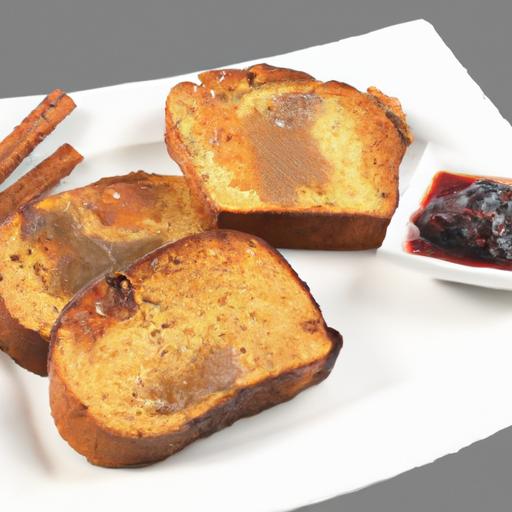

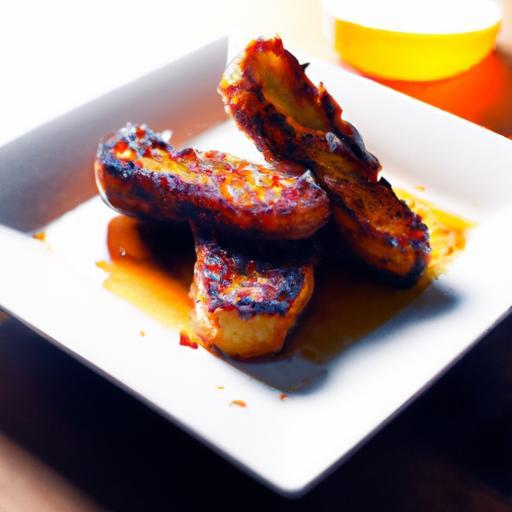
There’s something almost magical about the first bite of French toast-a warm, golden slice that melts on the tongue, carrying whispers of cinnamon, vanilla, and a subtle hint of caramelized sugar. Known by many names around the world, French toast has long held a cherished place at breakfast tables, embodying both comfort and culinary artistry. But beyond its delightful taste lies a rich tapestry of history and cultural evolution, weaving together ancient traditions and modern twists.In this article, we embark on a journey through time and taste, uncovering the art and origins of French toast-exploring how this humble dish transformed into a beloved morning ritual that continues to captivate food lovers across the globe.
golden Mornings: The Art and Origins of French Toast traces one of the world’s most beloved breakfast dishes to its humble beginnings across time and continents.This culinary classic, known variously as “pain perdu” in France and “eggy bread” in the UK, has been savored by cultures from ancient Rome to Persia, each adding unique twists that showcase the worldwide love for rich, comforting flavors. Beyond its rich history, this recipe is a party of the perfect harmony between a crisp, golden crust and a luxuriously silky center-an experiance every home cook can master with a few simple techniques.
Prep and Cook Time
- Planning: 10 minutes
- Cooking: 15 minutes
- Total Time: 25 minutes
Yield
Serves 4 generous portions
Difficulty Level
easy to Medium - perfect for beginner to intermediate cooks aiming to impress!
Ingredients
- 4 large eggs, free-range for best flavor
- 1 cup whole milk (or half-and-half for extra creaminess)
- 2 tbsp granulated sugar (adjust for sweetness preference)
- 1 tsp pure vanilla extract
- 1/2 tsp ground cinnamon (optional but adds warmth)
- Salt, a pinch to balance flavors
- 8 slices of thick-cut brioche or challah bread, day-old for optimal soaking without sogginess
- 3 tbsp unsalted butter, for pan-frying
Instructions
- Whisk the egg custard: In a wide, shallow bowl, vigorously whisk together eggs, milk, sugar, vanilla extract, cinnamon, and a pinch of salt untill smooth and frothy. This custard will coat your bread evenly for that golden crust and custardy center.
- Prepare the bread slices: Lay out the bread slices on a tray. Ideally,use stale or slightly dried bread for better absorption without collapse. Gently dip each slice into the egg mixture, soaking for 20-30 seconds per side, making sure the custard penetrates but does not saturate to the point of breaking.
- Heat your skillet: Warm a large nonstick or cast-iron pan over medium heat. add 1 tbsp butter, allowing it to foam but not burn-brown butter adds a nutty note enhancing the crust.
- Cook the French toast: Place soaked slices into the pan without overcrowding. Cook each side for 3-4 minutes until a deep, even golden-brown crust forms. Press lightly with a spatula for even contact. Adjust heat as needed to avoid burning while ensuring thorough cooking.
- Repeat & keep warm: Add more butter as necessary for subsequent batches. Keep finished French toast warm in a low oven (200°F / 95°C) on a wire rack to stay crisp before serving.
Chef’s Notes and Tips for Success
- Choose bread wisely: Brioche, challah, or thick-cut country loaf provide ideal texture and sweetness.Avoid thin sandwich bread-it often becomes too soggy.
- For a vegan spin: Substitute eggs with ½ cup blended silken tofu or aquafaba, and use almond or oat milk.
- Don’t rush the soaking: allow the bread to absorb the custard gently but don’t oversoak to maintain structure and a crisp crust.
- Keep your pan moderate in heat: High temperatures will char the outside and leave uncooked centers.
- Make-ahead: You can assemble soaked bread slices on a baking sheet, cover tightly, and refrigerate up to 2 hours before cooking.
Serving Suggestions to Elevate Your Breakfast
Present this impeccable French toast with a cascade of fresh berries-blueberries, raspberries, and sliced strawberries add bright color and natural sweetness. For a decadent finish, drizzle with real maple syrup or warm honey. A dusting of powdered sugar offers a delicate snow-kissed appeal. For texture contrast, sprinkle toasted pecans or slivered almonds. To add a savory note, pair with crispy bacon or a dollop of whipped cream infused with lemon zest.

| Nutrient | Per Serving |
|---|---|
| Calories | 320 kcal |
| Protein | 10 g |
| Carbohydrates | 35 g |
| Fat | 14 g |
For more breakfast inspiration, explore our Classic Pancakes with Berry Compote recipe. To delve deeper into the cultural journey of similar dishes, visit Encyclopedia Britannica’s French Toast Entry.
Q&A
Q&A: Golden Mornings – The art and Origins of French Toast
Q1: What is French toast, really? Is it French?
A1: At its core, French toast is a simple masterpiece-bread soaked in a luscious egg and milk mixture, then fried to golden perfection. Despite its name, the dish isn’t strictly French in origin. Variations of soaking bread in egg date back to ancient Rome and medieval Europe. The term “French toast” likely emerged in 17th-century England and America, where the technique was refined and popularized. So, it’s more of a global comfort with a French flair in its name than a purely French invention.
Q2: How did French toast earn its place on breakfast tables worldwide?
A2: The beauty of French toast lies in its humble beginnings-a way to rescue stale bread from going to waste.Early cooks soaked day-old bread in eggs and milk to soften it and add richness,then pan-fried it until crisp and golden. This thrifty,delicious approach soon crossed borders,embraced in countless kitchens. Over time, it evolved from a practical recipe to a beloved brunch star, topped with everything from powdered sugar and syrup to fresh fruit and whipped cream.
Q3: Are there unique cultural twists on French toast?
A3: Absolutely! the recipe’s versatility invites delightful global adaptations. In Hong Kong,”Eggy Bread” is a savory street food variant. The French enjoy “pain perdu,” often flavored with vanilla and cinnamon. In Spain,”torrijas” soak bread in milk,eggs,and wine or honey,then fry it for a sweet treat traditionally eaten during Lent. Each culture adds its own seasoning to this age-old formula, turning a simple dish into a culinary storyteller.
Q4: What makes the perfect French toast batter?
A4: The secret to a perfect French toast lies in balance. The ideal batter blends eggs, milk (or cream for richness), a touch of sugar, and often a dash of vanilla extract or cinnamon for warmth. The bread-ideally slightly stale or thick-cut-should soak just long enough to absorb the custard without becoming mushy. then, fried on butter until golden-brown, the result is a tender, crisp-edged canvas primed for toppings.Q5: Can French toast be made healthy without losing its magic?
A5: Yes! Swapping white bread for whole-grain or sprouted varieties boosts fiber and nutrients. Using plant-based milk and egg substitutes can accommodate vegans or those with allergies. Lightly pan-frying with a minimal amount of heart-healthy oils rather than butter reduces saturated fats. Pairing French toast with fresh fruit and a drizzle of natural honey keeps the morning sweet and wholesome-reminding us that indulgence and wellness can share the same plate.
Q6: Why does French toast continue to charm breakfast lovers?
A6: Beyond its comforting taste and golden hue, French toast evokes nostalgia-a celebration of slow mornings, shared moments, and simple pleasures. Its flexible nature invites creativity, turning breakfast into an art form.In every bite,there’s a story,a tradition,and the universal joy of taking something ordinary and making it extraordinary. That’s the timeless magic of golden mornings.
To conclude
As the final crumbs of golden-brown perfection fade from the plate, we’re reminded that French toast is more than just a humble breakfast treat-it’s a timeless tapestry woven from centuries of culinary tradition and cultural exchange. From its ancient roots in frugal kitchens to its elevated status on modern brunch menus, this simple dish invites us to savor not only its rich flavors but also the stories and artistry poured into every slice. So next time you hear the sizzle of bread meeting butter, take a moment to appreciate the golden morning magic-where history and hospitality come together, one delicious bite at a time.