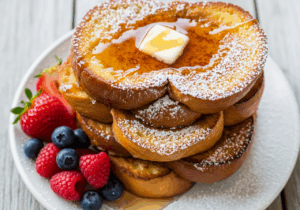

There’s something undeniably magical about the humble slice of bread transformed into a golden, custardy delight-welcome to the world of French toast, a breakfast classic that has captured hearts and palates across the globe.Beyond its simple appearance lies a rich tapestry of history, technique, and flavour, where every bite tells a story of tradition and creativity. In this article, we’ll unravel the art of French toast, revealing the secrets behind its perfect texture, the irresistible aroma that fills the kitchen, and the endless possibilities that elevate this beloved morning treat from basic to breathtaking. Whether you crave a nostalgic start to your day or seek inspiration to reinvent a breakfast favorite, prepare to discover why French toast continues to reign supreme as a tasty symbol of comfort and culinary artistry.
French toast has long been cherished as a comforting morning classic that unites simple ingredients into a sublime symphony of flavor and texture. Choosing the perfect bread is the very foundation of this culinary delight, transforming ordinary slices into a luscious canvas for the rich custard and golden crust that define an unforgettable breakfast. Whether you prefer a bread with a sturdy crumb or a delicate softness, understanding your options will elevate your French toast to true artistry.
Choosing the Perfect Bread for the Ultimate French Toast Experience
Utilizing the right bread is essential when crafting a perfectly luscious French toast. Thick-sliced brioche, challah, or sourdough reign supreme because their airy yet sturdy structure soaks up the custard without falling apart. Brioche’s rich, buttery flavor lends decadent sweetness, while challah’s slight egginess amplifies the custard’s creaminess. Day-old bread is ideal as it absorbs the custard mix more evenly, preventing sogginess and ensuring a crisp exterior.
Mastering the Custard Mix for Rich and Creamy Texture
At the heart of French toast lies the custard-a harmonious blend of eggs, milk, and flavor enhancers that transform bread into a rich, creamy delight. A ratio of roughly one large egg to 1/4 cup of whole milk creates the perfect custard base, but adding heavy cream or half-and-half can instantly enrich texture. Vanilla extract and a hint of warm spices like cinnamon and nutmeg awaken the senses and amplify flavor without overpowering the dish.
Cooking Techniques to Achieve Golden Crispiness every Time
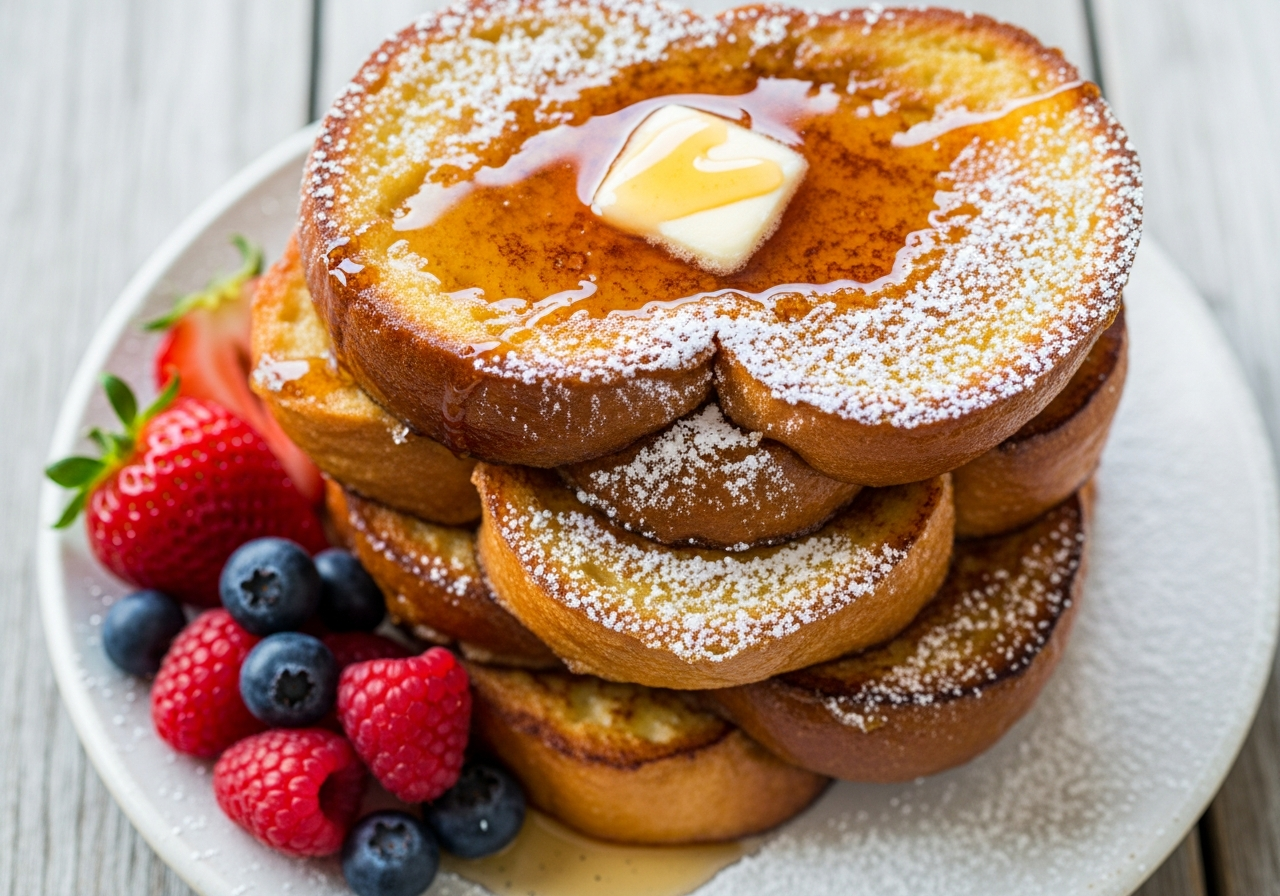
To achieve that coveted golden crust with a soft interior, a moderate heat setting is crucial. Preheat a non-stick skillet or griddle and generously butter the surface to encourage caramelization. Cook each slice until both sides develop a caramelized, golden-brown coat-usually about 3-4 minutes per side. Resist the urge to flip too soon; patience ensures an evenly cooked interior and crunchy exterior. For larger batches, keep cooked slices warm in a low oven (200°F/95°C) while finishing the remainder.
Creative Toppings and Flavor Combinations to Elevate Your Breakfast
The true joy of French toast lies in its endless topping possibilities. Fresh berries paired with a dollop of mascarpone create a refreshing balance, while a drizzle of warm maple syrup or honey adds classic sweetness. For a decadent twist, try a sprinkle of toasted nuts, a dusting of powdered sugar, or a spread of Nutella and sliced bananas. Savory enthusiasts may enjoy crispy bacon or smoked salmon alongside creamy avocado slices for an inventive brunch experience.
Prep and Cook Time
- Prep Time: 15 minutes
- Cook Time: 15-20 minutes
- Total Time: 30-35 minutes
Yield
Serves 4 generous portions
Difficulty Level
easy – Perfect for beginners and seasoned cooks alike
Ingredients
- 6 thick slices brioche or challah bread, preferably day-old
- 3 large eggs
- 3/4 cup whole milk
- 1/4 cup heavy cream (optional for extra richness)
- 1 tsp vanilla extract
- 1/2 tsp ground cinnamon
- 1/4 tsp freshly grated nutmeg
- Pinch of salt
- Butter, for cooking (about 2 tbsp)
Instructions
- Prepare the custard: In a wide, shallow dish, whisk together eggs, whole milk, heavy cream, vanilla extract, cinnamon, nutmeg, and salt until fully blended.
- Dip the bread: Submerge each slice of bread into the custard mixture. Allow it to soak for about 20 seconds per side, ensuring it absorbs enough liquid but doesn’t become oversaturated and soggy.
- Preheat the pan: Heat a large non-stick skillet or griddle over medium heat and add 1 tablespoon of butter, letting it melt and coat the surface.
- Cook the slices: Place soaked bread slices onto the hot skillet. Cook for 3-4 minutes on the first side until golden brown and firm, then flip carefully to cook the other side to the same golden hue.
- Repeat and keep warm: Add more butter as needed for subsequent batches. Transfer cooked slices to a baking sheet and keep warm in a 200°F (95°C) oven until all slices are ready.
- Serve instantly: Top with your choice of creative garnishes such as fresh fruit, nuts, syrups, or spreads for a personalized breakfast masterpiece.
Tips for Success
- Use stale bread: Bread that’s a day or two old soaks up the custard better without breaking apart.
- Don’t rush the soak: Allow bread enough time to absorb custard but avoid letting it get too soggy.
- Control your heat: Medium heat is key for a golden crust without burning or undercooking.
- Experiment with spices: Cardamom, allspice, or even orange zest can add exciting flavor layers.
- Make ahead: The custard can be prepared a day in advance and refrigerated for convenience.
Serving Suggestions
French toast pairs beautifully with a vibrant array of toppings and sides that add texture and flavor contrast:
- A dusting of powdered sugar and a drizzle of warm maple syrup
- Fresh berries like strawberries, blueberries, or raspberries for brightness
- Whipped cream or mascarpone cheese for richness
- Toasted pecans, almonds, or walnuts for a satisfying crunch
- banana slices with a spread of almond butter or Nutella for indulgence
- A side of crispy bacon or sausage links for savory balance
| Nutrition per Serving | Calories | Protein | Carbs | Fat |
|---|---|---|---|---|
| Classic French Toast | 320 kcal | 10 g | 35 g | 15 g |

For a deeper dive into variations of this beloved dish, explore our Ultimate Brunch Recipes collection. To understand more about the chemistry behind egg custards, visit the Serious Eats custard guide.
Q&A
Q&A: The Art of French Toast – A Delicious Breakfast Classic Revealed
Q1: What makes French toast such a beloved breakfast dish around the world?
A1: French toast captivates with its perfect balance of crispy edges and soft, custardy center. It’s a dish that transforms simple bread into a luxurious treat, marrying sweetness, warmth, and nostalgia in every bite. its versatility allows for endless flavor combinations, making it a universal comfort food that transcends cultures and breakfast tables.
Q2: Where did French toast originate, and why is it named “French”?
A2: Despite its name, French toast likely predates France, with similar recipes dating back to the Roman Empire. The “French” in French toast may refer more to the style of bread or the richness of the egg mixture than its literal French origin. In France, it’s called “pain perdu,” meaning “lost bread,” referring to the use of stale bread revived through soaking and frying.
Q3: What kind of bread works best for making French toast?
A3: The best bread for French toast is thick, slightly stale, and sturdy enough to soak up the egg custard without falling apart. Brioche, challah, and Texas toast are popular choices due to their rich texture and slight sweetness. Stale bread is ideal because it absorbs the custard better without becoming mushy.
Q4: What’s the secret to achieving that perfect golden crust with a fluffy interior?
A4: The secret lies in the custard’s balance and the cooking technique. Use a mixture of eggs, milk (or cream for extra richness), a touch of vanilla, and a pinch of cinnamon or nutmeg. Soak the bread just long enough to absorb the custard but not so long it becomes soggy. Cook on medium heat in butter or a combination of butter and oil to develop a golden, slightly crisp exterior while keeping the inside tender and moist.
Q5: Can French toast be made savory rather of sweet?
A5: Absolutely! French toast adapts beautifully to savory palates. Swap the vanilla and cinnamon for herbs like thyme or rosemary, add grated cheese to the custard, and top with ingredients like smoked salmon, avocado, or sautéed mushrooms. Savory French toast offers a sophisticated twist while honoring the classic technique.
Q6: How can one elevate a simple French toast breakfast into a memorable meal?
A6: Elevate by exploring toppings and accompaniments: fresh berries, maple syrup, whipped cream, or a dollop of mascarpone create layers of flavor. Consider caramelized bananas, toasted nuts, or a drizzle of honey. For a brunch-worthy presentation, pair with crispy bacon, a sprinkle of powdered sugar, and a dusting of cinnamon.
Q7: What are some common mistakes to avoid when making French toast?
A7: Avoid soaking the bread too long,which results in soggy slices. Don’t rush the cooking by using high heat; this burns the outside while leaving the inside undercooked. Also, avoid skipping seasoning the custard-vanilla, spices, and even a pinch of salt bring depth to the flavor. Lastly, use fresh butter or oil for frying to prevent sticking and add richness.
Q8: Can French toast be prepared ahead of time?
A8: Yes! You can soak the bread in the custard the night before and refrigerate it, allowing for deeper flavor absorption and a quicker morning cook. Alternatively,cook the French toast and keep it warm in a low oven for a short while. Leftovers reheat well in a toaster or oven, making French toast a flexible choice for busy mornings.
Q9: how does French toast differ from similar dishes like pancakes or waffles?
A9: French toast uses bread as its base, which is soaked in an egg-milk custard and then fried, offering chewy, custardy texture with a crispy crust.Pancakes and waffles are batter-based, leavened with baking powder or soda, resulting in a fluffier, cake-like texture. Each provides a unique mouthfeel and flavor experience despite their shared place as breakfast favorites.
Q10: Why is French toast considered an art, and how can home cooks master it?
A10: French toast is an art as it blends technique, timing, and creativity. Mastery comes from understanding your bread, crafting the perfect custard, and cooking with patience to achieve harmonious textures and flavors. Beyond the basics lies a world of possibilities in toppings, spices, and presentation, inviting cooks to personalize this beloved classic with passion and flair.
To Wrap It Up
as the final drizzle of syrup settles and the aroma of warm cinnamon lingers in the air, it’s clear that French toast is more than just a morning meal-it’s a timeless tradition, a canvas for creativity, and a comforting embrace at the start of the day. Whether you prefer it dusted with powdered sugar,crowned with fresh berries,or kissed by caramelized edges,mastering the art of French toast opens a delicious chapter in your breakfast repertoire. So next time dawn breaks,remember: with the right technique and a touch of creativity,you’re not just making French toast-you’re crafting a breakfast classic that delights the senses and celebrates the simple joys of food.