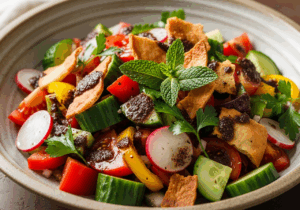

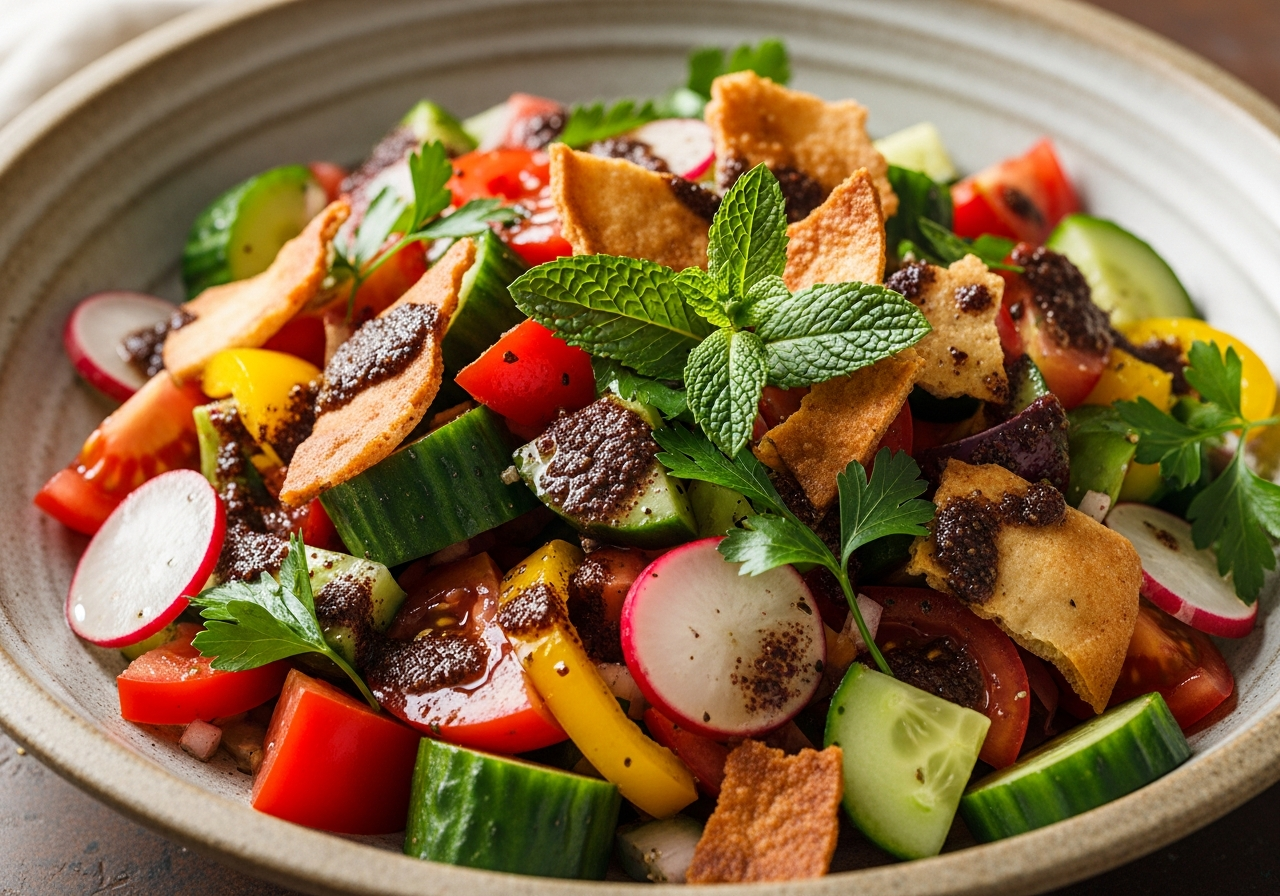
Step into the sun-drenched landscapes of the Mediterranean, where vibrant colors and bold flavors tell stories of tradition and festivity. At the heart of Lebanese cuisine lies Fattoush-a lively bread salad that transforms simple ingredients into a festive feast for the senses. Crisp toasted pita mingles with fresh, garden-picked vegetables, all kissed by a tangy sumac dressing that zings with every bite. More than just a salad, fattoush is a culinary canvas that unveils Lebanon’s rich heritage, inviting food lovers to experience a dish that’s as joyful and dynamic as the culture it springs from. Join us as we explore the vibrant world of fattoush, uncovering its origins, ingredients, and the irresistible charm that has made it a beloved staple across tables worldwide.
Fattoush, a cornerstone of Lebanese cuisine, is much more than just a refreshing bread salad – it’s a vibrant celebration of textures, flavors, and tradition. This dish brings together crisp, toasted pita bread and a medley of fresh vegetables, all dressed in a citrusy, herbaceous vinaigrette. rooted in Levantine households, fattoush embodies the resourcefulness of using leftover bread and garden-fresh produce, transforming humble ingredients into a feast for the senses. Every bite bursts with the tangy zing of sumac, the earthy crunch of radish, and the bright freshness of mint, making fattoush an icon of Lebanese hospitality and everyday joy.
Prep and cook Time
- Preparation: 20 minutes
- Cooking: 10 minutes (toasting pita)
- Total Time: 30 minutes
yield
Serves 4 as a side dish or light lunch.
Difficulty Level
Easy – perfect for beginners and seasoned cooks alike.
Key Ingredients and Their Roles in creating Signature Flavors
- Pita Bread (2 large rounds): Toasted until golden and crisp, it adds essential crunch and a pleasantly nutty undertone.
- Ripe Tomatoes (2 medium, diced): provide juicy sweetness that contrasts the tangy dressing.
- Cucumber (1 large, chopped): Offers cooling, crisp texture to balance the salad’s acidity.
- Radishes (4, thinly sliced): Add peppery bite and vibrant color.
- Green Bell Pepper (1 medium, diced): Brings mild sweetness and crunch.
- Fresh Herbs (1/2 cup each parsley and mint,chopped): Impart aromatic freshness and distinct Lebanese flair.
- Sumac (2 tsp): This tangy, lemony spice is signature to fattoush’s bright profile.
- Olive Oil (1/4 cup): Creates a luscious base that binds the salad.
- Lemon Juice (from 1 large lemon): Injects the essential citrus lift.
- Garlic (1 small clove, minced): Adds subtle pungency.
- Salt and Pepper: Essential seasoning to balance and enhance flavors.
Step by Step Guide to Preparing the Perfect Fattoush Salad
- Prepare the pita bread: Preheat your oven to 375°F (190°C). Cut each pita round into bite-sized triangles. Spread on a baking sheet and drizzle lightly with olive oil, then sprinkle a pinch of salt. Toast until golden and crisp, about 8-10 minutes. Let cool.
- Chop the vegetables: While the pita is toasting, chop tomatoes, cucumber, green bell pepper, and slice radishes thinly.Combine all in a large bowl.
- Add fresh herbs: Fold in finely chopped parsley and mint, which will elevate the flavor with aromatic brightness.
- Mix the dressing: In a small bowl,whisk together fresh lemon juice,olive oil,minced garlic,sumac,salt,and freshly ground black pepper.Adjust seasoning to taste – the dressing should be boldly tangy yet balanced.
- Toss the salad: Pour the dressing over the vegetables and toss gently to combine,ensuring every bite is bursting with flavor.
- Incorporate the pita chips: Add the toasted pita triangles just before serving to retain crunch, tossing lightly once more.
- Final garnish: Optional but recommended – a sprinkle of extra sumac or a few fresh mint leaves for a visual pop and extra zest.
Tips for Pairing Fattoush with Complementary Middle Eastern Dishes
Fattoush shines as a vibrant side or the centerpiece for a larger mezze spread. Pair it with:
- Grilled meats: Juicy lamb kebabs, chicken shawarma, or spiced beef koftas complement fattoush’s bright tang.
- hummus and Baba Ganoush: These creamy dips contrast deliciously with its crisp freshness.
- Stuffed grape leaves (Warak Enab): Their earthy, vinegary notes balance fattoush’s crisp acidity.
- Tabbouleh: Another freshness-packed salad,offers a different herbaceous profile for variety.
- Labneh: Creamy, tangy strained yogurt is perfect for mellowing the bold flavors.
Enjoy fattoush alongside warm pita bread and a glass of mint tea for an authentically Lebanese feast.
Chef’s Notes: Tips for Success
- Use day-old pita bread: It toasts better and yields a perfect crunch.
- Sumac substitution: If sumac is unavailable, a pinch of lemon zest and smoked paprika can mimic its tangy earthiness.
- make ahead: Prepare the chopped vegetables and dressing up to 4 hours ahead but add the toasted pita just before serving to avoid sogginess.
- Customize textures: For extra crunch, add chopped bell peppers or thinly sliced celery.
- Play with acidity: Balance lemon juice and sumac for your preferred tanginess; start conservatively and adjust.
Serving Suggestions
Serve fattoush in a large, colorful bowl to showcase its vivid hues. Garnish with extra mint leaves, sumac sprinkle, or thin veggie ribbons for a festive touch.Pair with rustic flatbreads and tzatziki or labneh dips on the side. For an Instagram-worthy presentation, arrange fresh herbs and slices of lemon around the plate edge. This salad elevates any table with its joyful colors and lively flavors.

| Nutrition per Serving | Amount |
|---|---|
| Calories | 180 kcal |
| Protein | 4 g |
| Carbohydrates | 22 g |
| Fat | 8 g |
For readers eager to explore more Middle Eastern flavors, check out our Lebanese Mezze Recipes. To deepen your understanding of authentic spices like sumac, visit Britannica’s entry on Sumac.
Q&A
Fattoush unveiled: The vibrant Lebanese Bread salad Feast – Q&A
Q1: What exactly is Fattoush?
A1: Fattoush is a colorful, crunchy Lebanese salad that brings together fresh vegetables, toasted pieces of pita bread, and a tangy, zesty dressing. It’s much more than your average salad-it’s a celebration of textures and flavors rooted deeply in Lebanese culinary tradition, often enjoyed as a refreshing starter or a light meal.
Q2: Where does Fattoush originate from?
A2: Fattoush hails from Lebanon, a country known for its rich and diverse culinary landscape. The dish reflects the resourceful spirit of Lebanese home cooks, who transformed simple, everyday ingredients-and especially leftover bread-into a vibrant feast of freshness and crunch.
Q3: What ingredients make Fattoush so special?
A3: The magic of Fattoush lies in its simplicity and balance. Key ingredients include crispy pita chips, juicy cucumbers, ripe tomatoes, radishes, fresh mint and parsley, crisp lettuce, and sometimes green peppers or scallions. What truly sets it apart is the sumac-an aromatic, tangy red spice sprinkled generously on top-and a dressing made of lemon juice, olive oil, garlic, and often a hint of pomegranate molasses.
Q4: How is the pita bread prepared for Fattoush?
A4: Pita bread, the unsung hero of Fattoush, is cut into bite-sized pieces and then toasted or fried until golden and crunchy. This toasty element provides a satisfying crunch that contrasts beautifully with the crisp raw veggies, making each bite an exciting combination.
Q5: can Fattoush be customized?
A5: Absolutely! Fattoush is wonderfully flexible. You can add or omit veggies based on seasonality and preference-think radishes for peppery bite, or cucumbers for refreshing coolness. Some variations incorporate a sprinkle of zataar or swap in different herbs. It’s a salad that invites creativity while honoring its customary roots.
Q6: Is Fattoush healthy?
A6: Definitely. Packed with fresh vegetables and herbs, and dressed in heart-healthy olive oil and lemon juice, Fattoush is low in calories but high in flavor and nutrients. The use of fresh ingredients provides a vitamin-rich punch, making it both a appetizing and wholesome choice.
Q7: When is Fattoush typically served?
A7: Fattoush is a beloved staple at Lebanese tables year-round but especially popular in the warmer months thanks to its light, refreshing nature. It often accompanies grilled meats or mezze platters, offering a palate-cleansing contrast to richer dishes.Q8: how does Fattoush reflect lebanese culture?
A8: Beyond the ingredients, Fattoush embodies the Lebanese philosophy of making the most of what you have-turning stale bread into a culinary treasure and blending simple elements into something spectacular.It’s a dish that fosters community, shared meals, and celebrating freshness, much like Lebanon’s vibrant culture itself.
Q9: Can Fattoush be made vegan or gluten-free?
A9: Yes! Fattoush is inherently vegan as it contains no animal products. For gluten-free variations, you can replace pita bread with gluten-free crackers or toasted gluten-free flatbreads, maintaining that crunch without compromising flavor.
Q10: Any tips for making the perfect Fattoush at home?
A10: Use the freshest veggies possible, toast your pita bread just before serving to keep it crisp, and don’t skimp on the sumac-it’s the soul of the salad. Also, dress it lightly and toss gently right before eating to preserve texture and vibrancy. Fresh herbs like mint and parsley bring a fragrant lift that truly makes the salad sing.
With its bold flavors, crunchy textures, and vibrant colors, Fattoush is more than a salad-it’s a jubilant feast on your plate, telling the story of Lebanese hospitality and culinary heritage in every bite.
Concluding Remarks
as we close the chapter on Fattoush, this vibrant Lebanese bread salad, it’s clear that beneath its colorful medley lies a story of tradition, community, and culinary artistry. Each crisp bite tells of sun-ripened vegetables, tangy sumac, and the satisfying crunch of toasted pita-a harmonious blend that transcends mere ingredients. More than just a salad, Fattoush invites us to experience a feast that celebrates freshness, heritage, and the joy of sharing food. So next time you crave a dish that dances with flavor and culture, remember the humble yet unforgettable Fattoush-a true emblem of Lebanese hospitality on your plate.