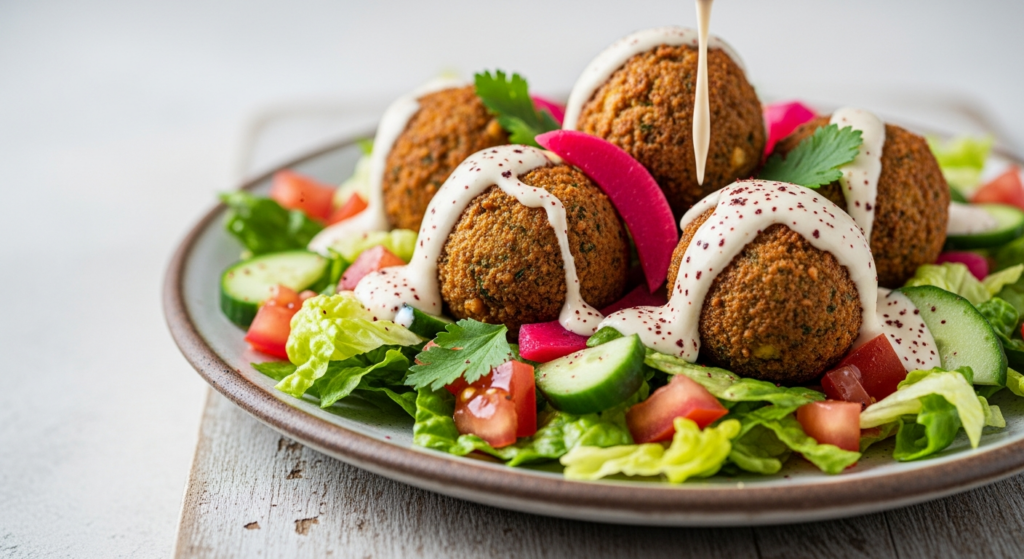

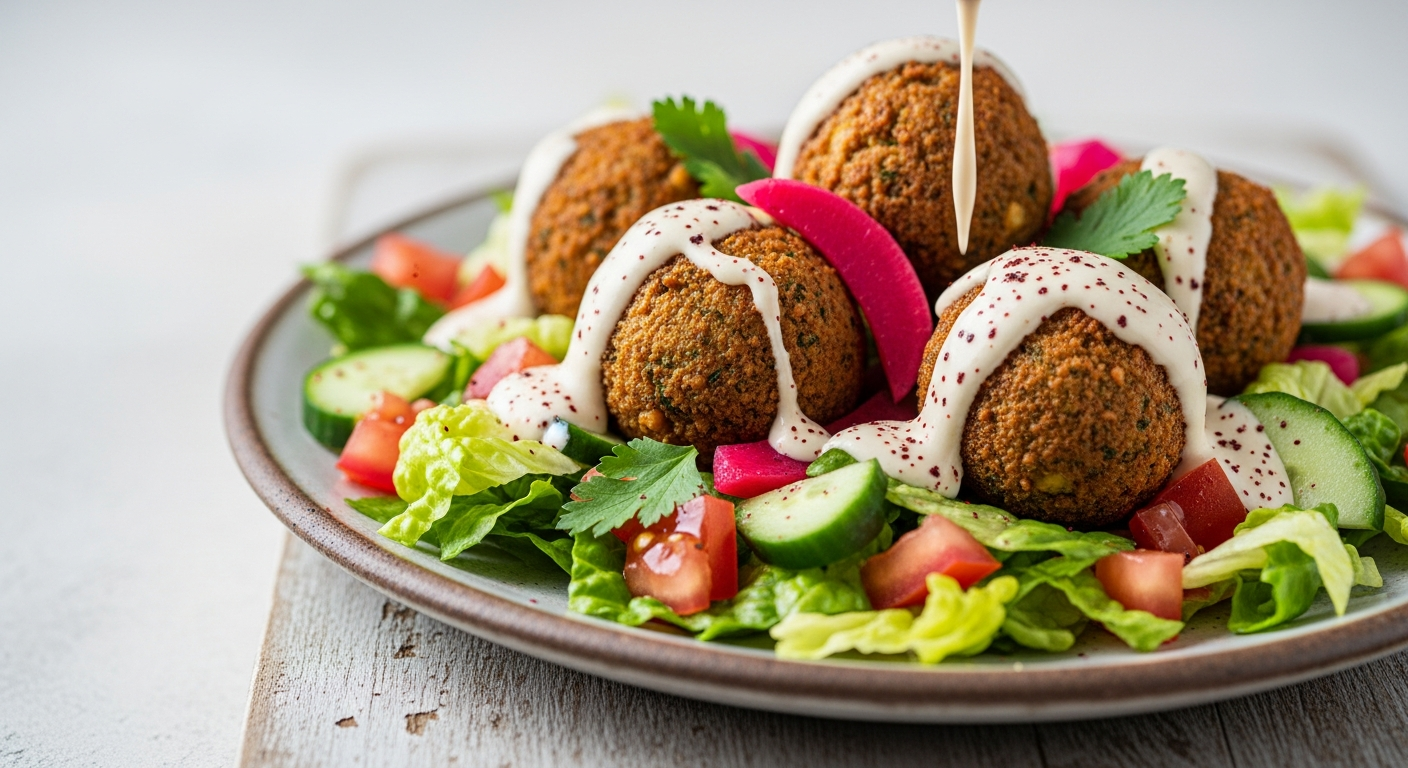
Crispy, golden, and bursting with a symphony of spices-falafel has long held its place as a beloved street food and a staple in Middle Eastern cuisine.But beneath its humble exterior lies a world of culinary possibilities just waiting to be explored in your own kitchen. Whether you’re a seasoned falafel fan or a curious newcomer, this ultimate guide to homemade falafel recipes will take you on a flavorful journey, revealing the secrets to achieving that perfect crunch and rich, aromatic taste. Get ready to roll up your sleeves and transform simple ingredients into mouthwatering bites that are as satisfying as they are savory.
Crispy & Flavorful: Mastering Homemade Falafel Recipes
When it comes to making the perfect falafel, starting with premium chickpeas sets the foundation for creating crispy, golden bites bursting with deep, complex flavors. originating from Middle Eastern street food traditions, falafel is a dish that combines humble ingredients with bold seasoning and precise technique, resulting in a culinary experience that is both satisfying and versatile. Coming from years of experimenting in my kitchen, I’ve come to understand the magic behind every crispy falafel-starting from selecting the right chickpeas to achieving that irresistible crunch that leaves you craving more.
Prep and Cook Time
- Planning: 20 minutes (plus soaking time)
- cook Time: 15 minutes
- Total Time: 8 hours 35 minutes (including chickpeas soaking)
Yield
Makes approximately 24 falafel balls, serving 4 generously.
Difficulty level
Medium: Requires some preparation time and frying technique, but approachable for home cooks with basic kitchen skills.
Ingredients
- 1 ½ cups dried chickpeas, soaked overnight and drained
- 1 small onion, roughly chopped
- 4 cloves garlic, minced
- 1 cup fresh parsley leaves, packed
- ½ cup fresh cilantro leaves, packed
- 1 tsp ground cumin
- 1 tsp ground coriander
- ½ tsp cayenne pepper (adjust to taste)
- 1 tsp kosher salt
- ½ tsp baking powder
- 3 tbsp all-purpose flour (for binding)
- Vegetable oil for frying (about 3 cups)
Instructions
- Prepare the chickpeas: after soaking your dried chickpeas overnight, drain them thoroughly. Avoid canned chickpeas, as they are too soft to yield crispy falafel.
- Pulse the mixture: In a food processor, combine chickpeas, onion, garlic, parsley, and cilantro. Pulse in short bursts until the mixture resembles coarse breadcrumbs with some small pea-sized bits remaining-which helps create texture.
- spice it up: Transfer the mixture to a bowl and mix in cumin, coriander, cayenne pepper, salt, baking powder, and flour. Refrigerate for at least 30 minutes. This chilling firm ups the mixture, making it easier to form into balls.
- Form your falafel: Using your hands or a falafel scoop, shape the mixture into firm balls or slightly flattened patties, about 1 ½ inches in diameter.
- Heat your oil: In a deep pan or pot, heat vegetable oil to 350°F (175°C). Using a thermometer ensures the oil stays at the perfect temperature for frying without absorbing excess oil.
- Fry until golden: Fry falafel in batches, not overcrowding the pan. Cook 3-4 minutes per batch, turning occasionally to ensure an even, crispy exterior.
- Drain and serve: Use a slotted spoon to transfer falafel to a paper-towel-lined plate. This helps absorb any remaining oil, keeping your falafel nicely crisp.
Tips for Success
- Choosing the perfect chickpeas: Always opt for dried chickpeas soaked overnight. This prevents mushiness, which compromises the falafel’s crunch.
- Flavor layering: Fresh herbs transform the spice blend, providing a vibrant green colour and fresh bite. Feel free to experiment with adding mint or dill for personalized twists.
- Binding without egg: traditional falafel skips eggs; baking powder and flour are your trusty binding agents.
- Achieving ultimate crispiness: Maintain oil temperature consistently; if too low, falafel absorbs oil and gets greasy; if too hot, they burn on the outside but remain raw inside.
- Make-ahead pleasant: The mixture can be refrigerated for up to 24 hours pre-frying or frozen in shaped balls for easy cooking later.
Creative Serving Ideas to Elevate Your Falafel Experience
Once your falafel come out perfectly crispy and bursting with flavor, elevate the dish with thoughtful accompaniments to showcase its versatility.
- Classic pita pockets: Stuff warm pita breads with falafel, fresh tomato slices, cucumber ribbons, and a dollop of creamy tzatziki or tahini sauce.
- Falafel bowls: Create a nourishing grain bowl with quinoa or fluffy couscous, roasted vegetables, pickled red onions, and a drizzle of lemony herb dressing.
- Salad topper: Scatter falafel over vibrant green salads with chopped kale, radishes, and toasted pine nuts for texture contrast.
- Flatbread tapas: Serve mini falafel balls with a variety of dips like baba ganoush,harissa yogurt,and chopped herbs sprinkled on top.
- Garnishing flair: Fresh herbs such as parsley and cilantro add a pop of color; finishing with pomegranate arils adds a jewel-like burst of sweetness and contrast.
| Nutrient | Per Serving (6 falafel balls) |
|---|---|
| Calories | 310 kcal |
| Protein | 12 g |
| Carbohydrates | 38 g |
| Fat | 10 g |

For further inspiration on middle Eastern flavors, check out our detailed guide on Middle Eastern spice blends. To deepen your knowledge on chickpeas’ nutritional benefits and preparation, this Healthline article is an excellent resource.
Q&A
Q&A: Crispy & flavorful – Ultimate Guide to Homemade Falafel Recipes
Q1: what makes homemade falafel different from store-bought versions?
A1: Homemade falafel bursts with freshness and customizable flavors that store-bought versions often lack. When you make falafel at home, you control every ingredient-from the spices to the texture-resulting in irresistibly crispy, golden patties packed with vibrant, authentic taste.
Q2: What’s the secret to achieving that perfect, crispy exterior?
A2: The magic lies in the chickpeas! Use dried chickpeas soaked overnight rather than canned ones, as they hold together better and fry up crispier. Also, avoid over-blending the mixture for a perfect crumbly texture. frying in hot oil (about 350°F/175°C) instantly after shaping helps lock in that crunch without absorbing excess oil.
Q3: can I bake falafel instead of frying?
A3: Absolutely! Baking is a lighter,less greasy option. To keep them crispy, brush the falafel lightly with olive oil and bake at a high temperature (around 400°F/200°C). You may want to flip them halfway through cooking for even browning. While not quite as crispy as frying, baked falafel still deliver robust flavor and a satisfying texture.
Q4: Which herbs and spices best elevate falafel’s flavor profile?
A4: fresh herbs like parsley and cilantro are staples-brightening and balancing the earthiness of chickpeas. For spices, cumin, coriander, and a touch of garlic powder create that warm, aromatic core. Don’t shy away from a pinch of cayenne or smoked paprika for subtle heat and depth.
Q5: Is it essential to use chickpeas, or are there alternatives?
A5: Chickpeas are classic, but you can experiment with fava beans, lentils, or a mix of legumes for a unique twist.Each offers different textures and flavors,so try what suits your palate or dietary needs. Remember, textures vary-adjust your binders and cooking method accordingly.
Q6: How do I keep falafel moist on the inside and crunchy outside?
A6: Balance is key! Soak your chickpeas just right-fully hydrated but not mushy. Mix in moisture-rich ingredients like finely chopped onions and fresh herbs. Avoid adding too much water or flour; rather, use a small pinch of baking soda or flour to bind without weighing down the mixture.Fry on medium-high heat for a perfect crispy shell that locks in tender insides.
Q7: What are some creative serving suggestions for homemade falafel?
A7: The world’s your falafel oyster! Classic pita pockets with tahini sauce, fresh veggies, and pickles are always winners. Try falafel grain bowls with quinoa, roasted veggies, and a zingy yogurt drizzle. You can also get adventurous-falafel tacos,wraps,or even falafel sliders with tangy sauces make incredible bites bursting with flavor.
Q8: Can falafel be made ahead or frozen?
A8: Yes! You can shape the falafel balls or patties and freeze them raw on a tray, then transfer to a bag. When ready, fry straight from frozen-adding a minute or two to your cooking time. Cooked falafel also freeze well; just reheat in the oven to revive that crispy texture.
Q9: What common mistakes should I avoid when making falafel?
A9: Avoid using canned chickpeas-they’re too soft and often result in mushy falafel. Don’t over-process the mixture; you want some texture.Also, be sure your oil is hot enough before frying-too cold and falafel will absorb oil and become greasy, too hot and they’ll burn outside while staying raw inside. Lastly, don’t overcrowd the pan to maintain even heat distribution.
Q10: How can I customize falafel to fit different dietary preferences?
A10: Falafel is naturally vegan and gluten-free if you skip or substitute flour. For gluten-free options, use chickpea flour or oat flour as binders. If you want to add extra protein, try mixing in finely chopped nuts or seeds. Play with spices and herbs to tweak flavor intensity. This humble legume patty is a fantastic blank canvas for all tastes!
key Takeaways
Whether you’re a seasoned falafel fanatic or a curious kitchen adventurer, mastering the art of crispy, flavorful falafel is a rewarding journey that brings the vibrant spirit of Middle Eastern cuisine right to your table. With the tips and recipes shared in this ultimate guide, you’re now equipped to create golden, crunchy pockets of herb-infused bliss that rival any restaurant favorite. so grab your blender, dust off that skillet, and let your homemade falafel become the star of gatherings, snacks, and meals alike-each bite a festivity of culture, crunch, and undeniable flavor. Happy cooking!