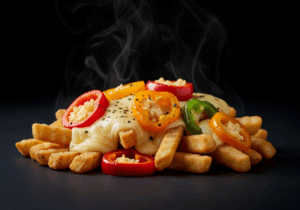

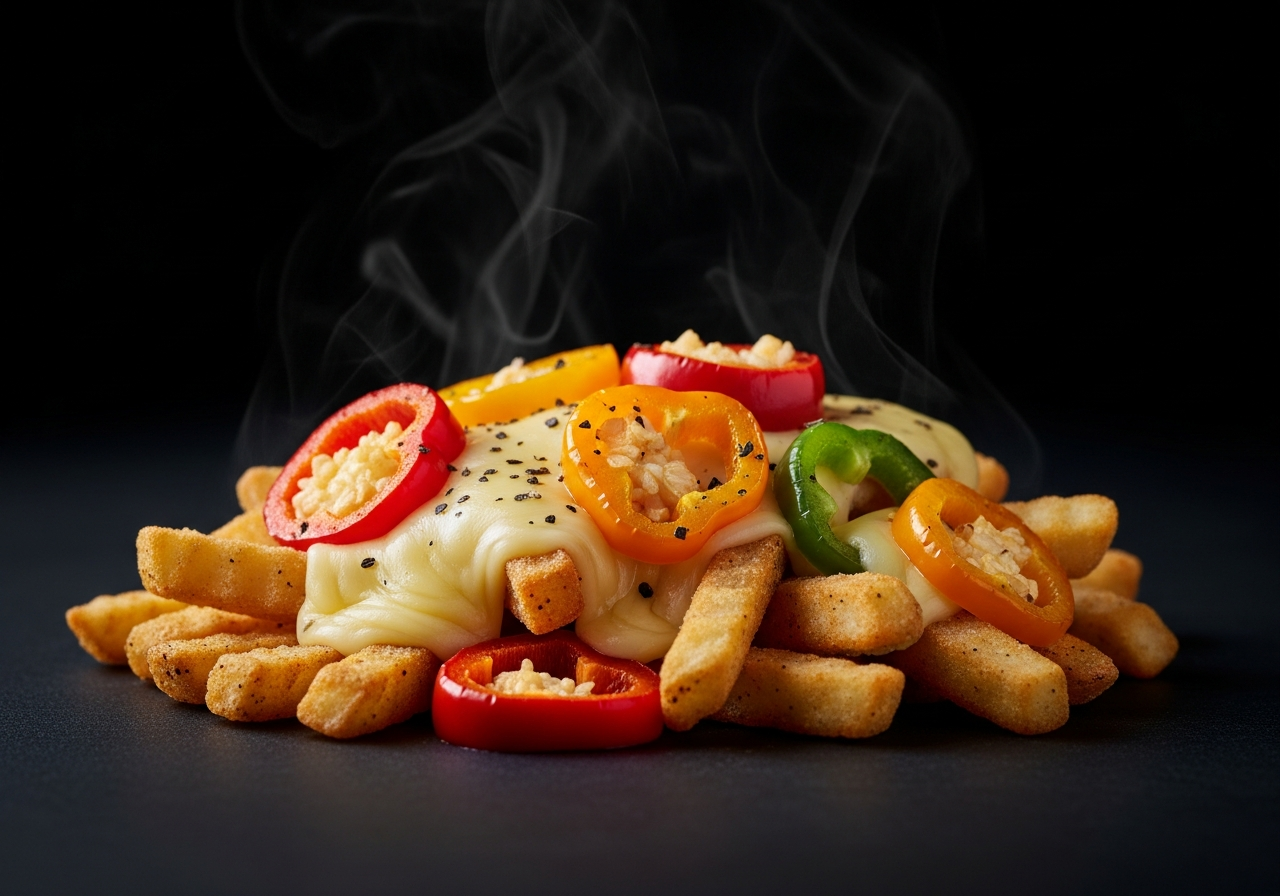
There’s something undeniably satisfying about biting into a golden, crackling fry-each crisp exterior giving way to a fluffy, tender center. Yet, achieving that coveted extra crispy texture with frozen fries can feel like an elusive culinary quest. Whether you’re craving a quick snack or the perfect side to elevate your meal,mastering the art of crispy perfection transforms ordinary frozen fries into a crunchy delight. In this article, we’ll unravel the secrets to turning those humble freezer staples into irresistibly crispy masterpieces, combining science, technique, and a few pro tips to ensure your fries come out crackling every single time.
Choosing the Right Frozen Fries for Ultimate Crispiness
Crispy Perfection starts with selecting the ideal frozen fries-as not all fries are created equal when chasing that coveted crunch. Opt for fries that are thicker cut and coated lightly with a thin layer of oil. Varieties such as steak fries or shoestrings with a slightly rough surface tend to absorb seasoning better and crisp more evenly. Avoid overly processed or pre-seasoned fries, as these can burn or dry out in the oven before reaching peak crispiness.
Preheating Secrets and Oven Techniques for Even Crunch
The foundation of crispy perfection lies in a properly preheated oven. Set your oven between 425°F and 450°F and allow it to fully heat before sliding in your fries. An underheated oven steams rather than crisps.For best results, use a heavy-duty baking sheet or a perforated pizza pan to optimize air circulation around the fries. Spread the fries in a single, even layer, avoiding overcrowding to ensure every fry bakes evenly and crisps on all sides.
Midway through cooking, perform a quick toss or flip to promote uniform browning. For that extra sparkle of crispiness, finish with 2-3 minutes under the broiler-but watch carefully to prevent burning.
The Role of Oil and Seasoning in Elevating Texture and Flavor
A light drizzle of high-smoke point oil such as avocado or grapeseed oil enhances crispiness tremendously. Toss frozen fries with just enough oil to coat-about 1 tablespoon per 1 pound-before baking. this helps develop that golden, crunchy exterior while locking in moisture inside. For seasoning, start simple with kosher salt and a pinch of freshly ground black pepper instantly after baking while fries are still hot.
For a flavor boost, incorporate smoked paprika, garlic powder, or a sprinkle of Parmesan cheese. Remember, seasoning on frozen fries differs from fresh: you wont to avoid sogginess, so layering flavors after crisping works best. A light dusting of seasoning powders right after baking maximizes flavor and texture harmony.
Troubleshooting Common Issues to Achieve Consistent Results
Even the best frozen fries can falter if not handled thoughtfully. If fries turn out soggy, the most common culprit is overcrowding the pan. Airflow is essential; give each fry room to breathe. If fries are pale or limp, your oven might not be hot enough or the fries too cold entering the oven-allow frozen fries to rest a few minutes on the counter rather than placing them straight from freezer to oven.
Greasy fries? Cut back slightly on oil and use a lined baking sheet to absorb excess fat.for uneven baking, rotate your pan halfway through the cooking time. Lastly, keep an eye on your fries during the final broil stage-they go from perfectly crisp to burnt in under a minute.
Prep and Cook Time
- Readiness: 5 minutes
- Cooking: 20-25 minutes
- Total: 30 minutes
Yield
Serves 4 generously as a side or snack.
Difficulty Level
Easy
Ingredients
- 1 lb frozen fries (preferably thick-cut or shoestring)
- 1 tbsp high-smoke point oil (avocado, grapeseed, or light olive oil)
- 1 tsp kosher salt
- ½ tsp freshly ground black pepper
- Optional seasoning: ½ tsp smoked paprika, ½ tsp garlic powder, 2 tbsp grated Parmesan cheese
Instructions
- preheat your oven to 435°F (225°C). Ensure it reaches full temperature for even cooking.
- Line a heavy-duty baking sheet with parchment paper or a silicone baking mat for easy cleanup and optimal crisp.
- Toss frozen fries in a large bowl with the oil until lightly but evenly coated.
- Arrange fries evenly in a single layer on the prepared sheet, avoiding overlap to prevent steaming.
- Bake for 12 minutes, than use a spatula to gently flip each fry for even browning.
- Return to oven and bake an additional 10-13 minutes, until fries are golden and crispy.
- Optional: For a final crisp, switch to broil for 2 minutes-watch closely to prevent burning.
- Remove from oven and immediatly season with salt, pepper, and any desired spices or cheese for maximum adherence.
- Serve hot and enjoy the crispy glory!
Tips for Success
- For crunchy consistency, avoid defrosting frozen fries beforehand. Baking them straight frozen locks moisture inside.
- If your oven has hot spots, rotate the pan midway for even cooking.
- Experiment with different oils-avocado oil creates an especially crisp crust due to its higher smoke point.
- Add seasoning after baking to maintain crispness, especially powders and cheese.
- Store leftovers uncovered on a wire rack in the fridge and re-crisp in a hot oven rather than the microwave.
Serving Suggestions
Present your fries in a rustic basket or on a warm platter, garnished with fresh chopped parsley or chives. Pair with homemade aioli, spicy ketchup, or a tangy vinegar dip to contrast the crunchy texture. For a hearty meal, serve alongside gourmet burgers, crispy chicken tenders, or tossed into a loaded poutine with cheese curds and gravy.

Nutritional Data
| Per Serving | Calories | Protein | Carbs | Fat |
|---|---|---|---|---|
| 1 cup fries | 180 | 3g | 25g | 7g |
For more crispy, crowd-pleasing ideas, check out our article on Ultimate Crispy Chicken Tips. For the science behind frying oils and smoke points, visit Healthline’s guide to healthy cooking oils.
Q&A
Q&A: Crispy Perfection – Mastering Extra Crispy Frozen Fries
Q1: Why do some frozen fries come out soggy instead of crispy?
A1: The sogginess culprit is often excess moisture. Frozen fries have ice crystals that melt into water during cooking, and if the fries aren’t cooked at the right temperature or for the right amount of time, that moisture doesn’t evaporate fully-resulting in limp, sad fries. Insufficient oil circulation or overcrowding the cooking surface can also trap steam, making fries lose their crunch.
Q2: What’s the ideal cooking temperature for achieving that coveted extra crisp?
A2: Aim high-around 400°F (200°C) is the golden zone. This temperature is hot enough to quickly evaporate surface moisture, crisp up the fries’ exterior, and give you that satisfying crunch without burning the outside or leaving the inside undercooked.Whether using an oven, air fryer, or deep fryer, keeping consistent heat is key.
Q3: Can I improve crispiness without deep frying?
A3: Absolutely! The magic lies in dry heat and good airflow. Air fryers excel here, circulating hot air evenly, mimicking deep frying without the oil bath. For oven baking, spreading fries in a single layer on a perforated tray or wire rack allows hot air to reach all sides, yielding crispy edges all around. Just toss fries lightly in oil beforehand to encourage browning.
Q4: Does preheating the cooking appliance make a difference?
A4: Yes! Preheating ensures the fries hit the hot surface immediately, jumping straight into the crisping action. Throwing frozen fries into a cold oven or fryer will slow down moisture evaporation, increasing sogginess risk. Preheating creates that instant sizzle, locking in texture and flavor from the get-go.
Q5: Is there a trick to reheating leftover frozen fries to restore crispiness?
A5: When reheating fries, avoid microwaves-they steam fries into mush. Instead, pop them into a hot skillet, oven, or air fryer for a few minutes.Adding a tiny drizzle of oil and keeping fries spread out helps rejuvenate crispness. A quick toss in a hot pan can revive that fresh-from-the-fryer crunch.
Q6: Should I season my fries before or after cooking for the best results?
A6: For extra crispy fries, salt after cooking. Salt draws out moisture, so seasoning too early can lead to soggier fries. Once fries are piping hot and crispy, sprinkle seasoning on top-this keeps them crunchy while delivering that savory punch.
Q7: Are certain brands or types of frozen fries better for extra crispiness?
A7: yes, size and preparation matter. Shoestring fries crisp faster but burn quicker; thicker steak fries take longer but stay fluffy inside. Fries coated with a thin layer of batter or starch often crisp up better, as the coating creates an additional crunch barrier. Experiment with brands until you find your perfect match for ultra-crisp results.
Q8: Any pro tips for taking frozen fries from freezer to crispy bliss?
A8: Here’s the secret sauce: don’t overcrowd the pan or basket. Give each fry some breathing room to crisp on all sides. Lightly toss fries with oil or use a spray for an even, thin coat. flip or shake fries halfway through cooking to promote uniform golden goodness. Patience and attention turn frozen fries into bite-sized masterpieces.
Ready to conquer your freezer stash? With these insights, your fries will go from ordinary to crispy perfection-one golden bite at a time!
Closing Remarks
Achieving that elusive extra crispy texture with frozen fries isn’t just a kitchen quest-it’s an art form that transforms humble potatoes into golden, crunchy delights. With the right techniques, a dash of patience, and a sprinkle of know-how, you can elevate your frozen fries from ordinary to extraordinary every single time. So the next time you crave that perfect crunch, remember: mastering extra crispy frozen fries is less about luck and more about method. Ready to bite into crispy perfection? Your fries – and your taste buds – will thank you.