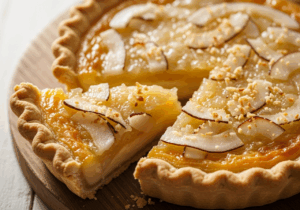

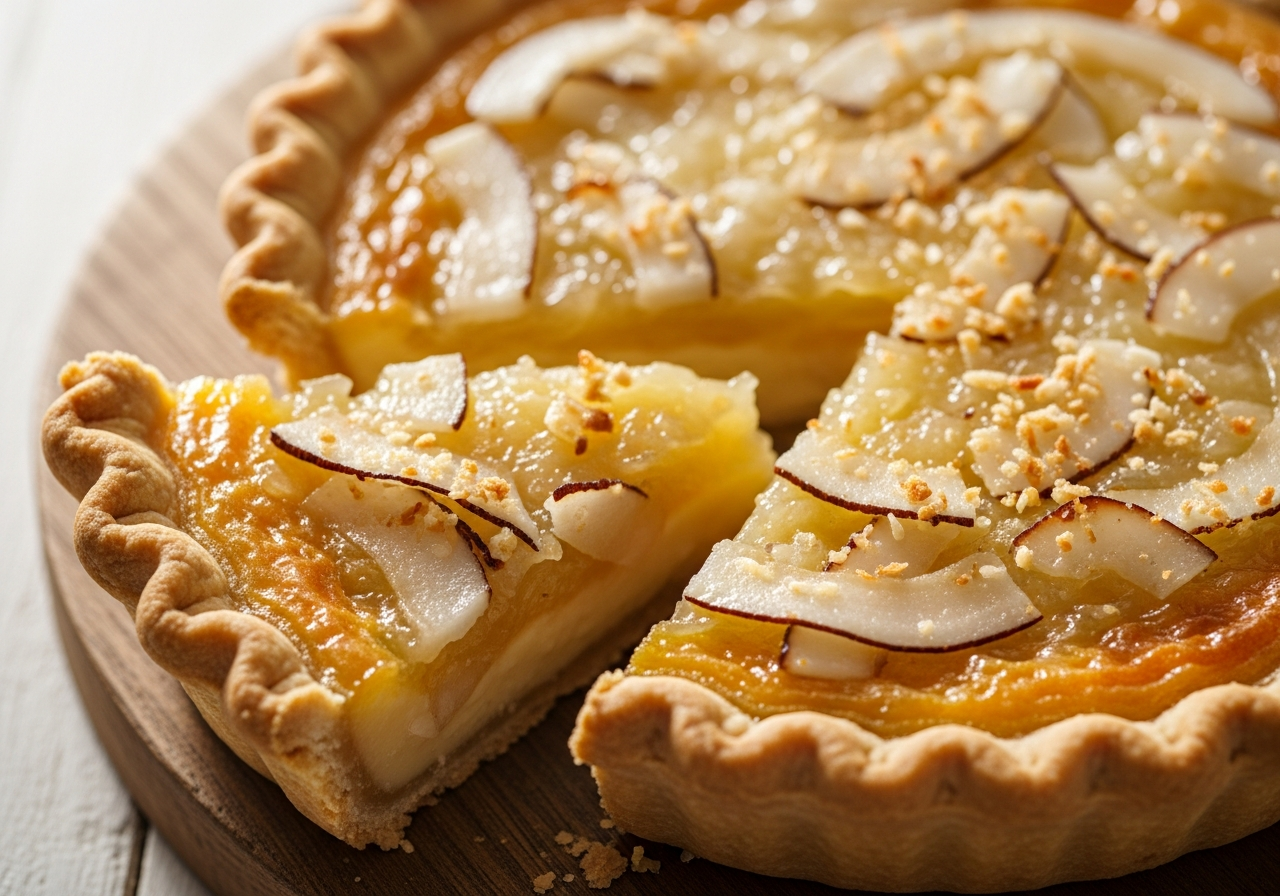
There’s something undeniably magical about the rich, velvety texture and tropical sweetness of a perfectly made buko pie. This Filipino classic dessert, brimming with fresh young coconut meat and creamy filling nestled in a flaky golden crust, is more than just a treat-it’s a comforting slice of paradise in every bite. Whether you’re a seasoned baker or a curious kitchen explorer, learning how to make deliciously creamy buko pie is a rewarding journey that brings the essence of island flavors right to your table. In this step-by-step guide, we’ll unlock the secrets to crafting this iconic delicacy from scratch, transforming simple ingredients into a luscious masterpiece that’s bound to impress family and friends alike. get ready to roll up your sleeves and dive into a baking adventure that celebrates the vibrant spirit of Filipino cuisine!
How to Make Deliciously Creamy Buko Pie starts with selecting the freshest young coconut – the star ingredient that delivers that signature silky creaminess infused in every luscious bite. Known as a beloved Filipino dessert, Buko Pie balances flaky, buttery crust with a rich, velvety coconut custard filling, making it a true comfort food. Whether you’re savoring it fresh from the oven or sharing it at family gatherings, this pie celebrates tropical goodness wrapped in a golden crust.
prep and Cook time
- Readiness: 30 minutes
- Cooking: 45 minutes
- Total time: 1 hour 15 minutes
Yield
Serves 8 generous slices
Difficulty Level
Medium – Perfect for home bakers ready to elevate their pie skills
Ingredients
- For the crust:
- 2 ½ cups all-purpose flour, sifted
- 1 cup cold unsalted butter, cubed
- ½ teaspoon salt
- 5-6 tablespoons ice water
- For the filling:
- 2 cups young coconut meat, shredded or finely chopped
- 1 ½ cups young coconut water
- 1 can (14 oz) sweetened condensed milk
- 1 cup evaporated milk
- ¾ cup granulated sugar
- 6 large egg yolks, lightly beaten
- 2 tablespoons cornstarch
- 1 teaspoon vanilla extract
Instructions
- Selecting the young coconut: Choose coconuts that feel heavy for their size with a fresh, nutty aroma. The shell shoudl be smooth and intact without cracks. When tapped, a consistent liquid sound confirms freshness, essential for ultimate creaminess.
- Crafting the crust: In a large bowl, combine the sifted flour and salt. Using a pastry cutter or your fingertips, cut in the cold butter until the mixture resembles coarse crumbs. Gradually add ice water, one tablespoon at a time, until the dough just comes together. Avoid overworking to maintain flakiness.
- Divide the dough into two discs, wrap in plastic wrap, and chill for 30 minutes to relax the gluten.
- Preparing the custard filling: In a medium saucepan, whisk together the condensend milk, evaporated milk, granulated sugar, and cornstarch until smooth. Slowly add the young coconut water while whisking over medium heat.
- Cook, stirring constantly, until the mixture thickens slightly and coats the back of a spoon-about 8-10 minutes.
- Remove from heat and quickly whisk in the egg yolks to enrich the custard without scrambling. Return to low heat, stirring gently for 2 more minutes.
- Fold in the shredded coconut meat and vanilla extract. Set aside to cool.
- Assembling the pie: Preheat your oven to 375°F (190°C). Roll out one dough disc on a floured surface into a 12-inch circle and gently fit into a 9-inch pie pan.
- Pour the cooled custard filling evenly into the chilled crust.
- Roll out the second disc, cut into strips or shapes for a lattice or full top crust. Seal edges thoroughly by pinching or crimping for a stunning, sturdy finish.
- Brush the crust with a light egg wash (1 beaten egg + 1 tablespoon water) for a shiny, golden brown appearance.
- baking: Bake in the preheated oven for 40-45 minutes or until the crust is deep golden brown and the filling is set but still slightly jiggly in the center.
- Cool completely on a wire rack to allow the custard to firm up before slicing.
Tips for Success
- for the flakiest crust, keep all ingredients chilled and work quickly. Warm butter will yield a tough texture.
- If fresh young coconuts aren’t available, frozen young coconut meat and natural coconut water can be substituted, but fresh always yields the best creaminess.
- To prevent a soggy bottom, blind bake the crust for 10 minutes before adding filling if desired.
- For an extra aromatic touch, toast shredded coconut lightly before folding into custard.
- Make-ahead: the pie can be stored chilled for up to 3 days; gently reheat in a low oven (300°F/150°C) before serving.
Serving Suggestions
Serve warm or at room temperature with a dollop of whipped cream or a scoop of vanilla ice cream to complement the creamy texture. Garnish with toasted coconut flakes and a sprinkle of nutmeg or cinnamon for added aroma. Pair the pie with a fresh tropical fruit platter or a tall glass of chilled calamansi juice to brighten the palate.

| Nutrient | Per slice (1/8 pie) |
|---|---|
| Calories | 320 kcal |
| Protein | 5 g |
| Carbohydrates | 40 g |
| Fat | 15 g |
For those interested in exploring more Filipino desserts, check out our related article on Pan de Sal: The Soft Filipino Bread Roll. Also, for detailed insights into coconut nutrition and its health benefits, visit Healthline’s Coconut Water benefits.
Q&A
Q&A: How to Make Deliciously Creamy Buko Pie – A Step-by-Step Guide
Q1: What exactly is Buko Pie?
A1: Buko Pie is a classic Filipino dessert that’s essentially a luscious young coconut custard pie. Imagine flaky, buttery crust enveloping a creamy, sweetened filling made from tender strips of fresh buko (young coconut meat). It’s the tropical hug your taste buds didn’t know they needed!
Q2: What makes Buko Pie creamy and flavorful?
A2: The secret lies in the filling’s balance of freshness and richness.Using young coconut meat for texture, combined with a velvety custard base made from evaporated milk, condensed milk, eggs, and just the right amount of sugar brings that divine creaminess. Baking gently ensures the custard sets perfectly without drying out.
Q3: Can I use canned coconut meat, or does it have to be fresh?
A3: while fresh young coconut meat is ideal for that delicate texture and natural flavor, canned or frozen young coconut strips can work in a pinch. Just be sure to drain any excess liquid well to avoid soggy filling.
Q4: What kind of pie crust works best for Buko pie?
A4: A flaky, buttery pastry crust is conventional and perfect. You want something sturdy enough to hold the custard yet tender and crisp on the bite. Homemade pie dough made with chilled butter will elevate your pie, but store-bought can work for convenience.
Q5: How do I prevent the custard from curdling or cracking during baking?
A5: Bake the pie at moderate temperatures (around 350°F or 175°C) and avoid overbaking. The filling should still be slightly jiggly in the center when you take it out-the residual heat will finish the setting. Also, gentle mixing of the custard is key to prevent air bubbles that cause cracks.
Q6: Are there any variations or flavor twists you recommend?
A6: Absolutely! Adding a hint of vanilla or a splash of coconut cream enhances depth. Some like to sprinkle toasted coconut flakes on top for crunch. For a tropical fusion, try adding a few slices of ripe mango or a dash of calamansi juice for zing.
Q7: How should I serve and store Buko Pie?
A7: Buko Pie is best enjoyed slightly warm or at room temperature, allowing the creamy filling to shine. Store any leftovers in the refrigerator, covered tightly-consume within 3 days for optimal freshness. Warm gently before serving to revive the luscious texture.
Q8: What’s the best way to slice Buko Pie without it falling apart?
A8: Use a sharp, thin-bladed knife and wipe it clean between slices. For neat slices, chill the pie for a bit before cutting to let the custard firm up, making slicing cleaner and serving easier.
Q9: I’m new to pie-making-any final tips?
A9: Don’t rush the crust-chill your dough and handle it as little as possible for maximum flakiness. Treat your filling gently and keep an eye on your baking time. Most importantly, enjoy the process; the love you put into your Buko pie will be tasted in every creamy bite!
Ready to bring a slice of the tropics to your table? Follow this guide and unleash the magic of creamy, dreamy Buko Pie!
The Conclusion
With each luscious slice of your homemade buko pie, you’re not just savoring a dessert-you’re embracing a rich tradition wrapped in creamy, coconutty perfection.Now that you’ve mastered the step-by-step process, the next time you bake this Filipino favorite, you’ll do so with confidence and a dash of culinary pride. So go ahead, gather your ingredients, preheat that oven, and let the sweet aroma of buko pie fill your kitchen, turning simple moments into unforgettable memories. Happy baking!