
In the vast tapestry of wild game cuisine, few flavors evoke as much curiosity and tradition as that of the coyote. Often misunderstood and overlooked, the coyote offers a unique culinary experience-one that connects us to the untamed spirit of the wilderness and the rich heritage of those who have long relied on nature’s offerings.”Wild Flavors: Exploring Authentic Coyote Recipes and Cooking Tips” invites you on a journey beyond the familiar, delving into time-honored methods and innovative techniques that transform this elusive carnivore into a savory delight. Whether you’re a seasoned forager, an adventurous cook, or simply someone eager to expand your palate, discover how to honor wild ingredients with respect, skill, and a dash of creativity.
wild Flavors: Exploring Authentic Coyote Recipes and Cooking Tips
Wild flavors offer a captivating journey, especially when it comes to coyote meat. Known for its rich, gamey character with subtle hints of earthiness and a lean texture, coyote brings a unique profile to the wild game table. Embracing this ingredient connects us deeply to nature and ancient hunting traditions,turning every bite into an adventure. Whether you’re a seasoned hunter or a curious cook, preparing coyote meat can transform your culinary skills and palate in the most rewarding way.
Prep and Cook Time
- Readiness Time: 30 minutes
- Marinating Time: 4-6 hours (optional but recommended)
- Cook Time: 1 to 2 hours depending on method
- Total Time: Approximately 3 hours including marinating
Yield
Serves 4 hearty portions
Difficulty Level
Medium – Requires patience with cleaning and marinating, but rewarding for adventurous cooks
Ingredients
- 3 lbs coyote meat (preferably trimmed shoulder or leg, cut into 2-inch cubes)
- 1 cup apple cider vinegar
- 1/2 cup olive oil
- 4 cloves garlic, finely minced
- 2 tbsp smoked paprika
- 1 tbsp ground cumin
- 1 tbsp dried oregano
- 1 tbsp brown sugar
- 1 tsp crushed red pepper flakes
- Salt and freshly ground black pepper, to taste
- Fresh rosemary sprigs, 2 for infusing and garnish
- Juice of 1 lemon
- Optional: 1 cup beef broth for braising
Instructions
- Cleaning and prepping: Start by rinsing the coyote meat under cold water. Pat dry and trim away any excess fat or sinew to ensure tenderness.
- Marinade: In a large bowl, whisk together apple cider vinegar, olive oil, garlic, smoked paprika, cumin, oregano, brown sugar, red pepper flakes, salt, pepper, and lemon juice. Add the fresh rosemary sprigs for depth.
- Marinate: Submerge the meat cubes in the marinade. Cover and refrigerate for at least 4 hours, preferably overnight. This tenderizes the lean meat and infuses rich, aromatic layers of flavor.
- Choose your cooking method:
- Grilling: Preheat grill to medium-high heat. Remove meat from marinade,letting excess drip off. Thread onto skewers, leaving some space between chunks. Grill 10-12 minutes, turning every 3 minutes untill evenly charred and cooked to medium (internal temp ~145°F).Let rest 5 minutes.
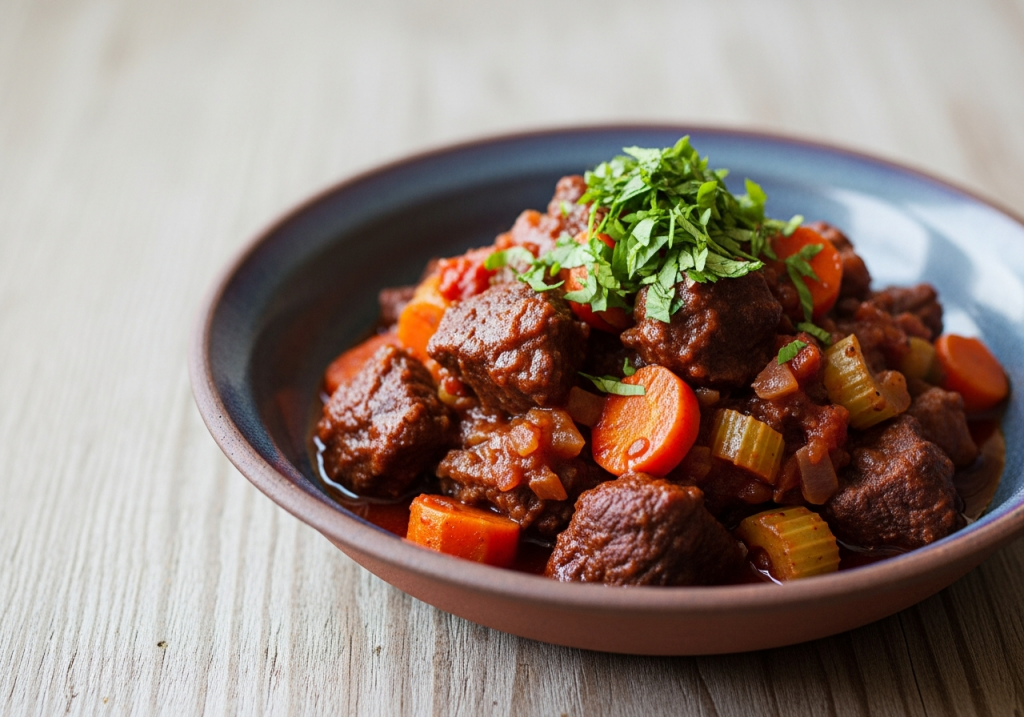
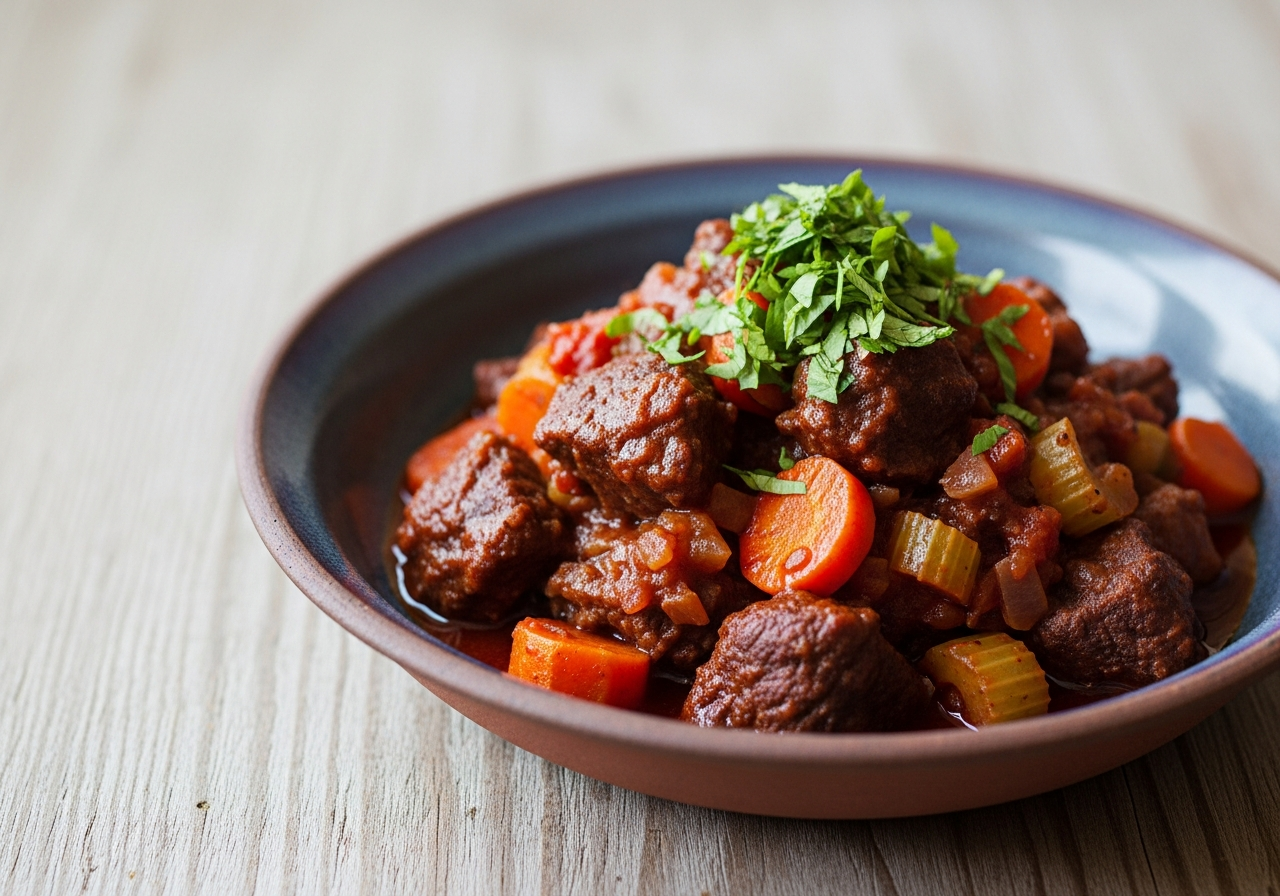
- Braising: Heat a large heavy pot over medium heat. Remove meat from marinade (reserve it), sear meat until browned on all sides, about 6-8 minutes. Add beef broth and remaining marinade,bring to a low simmer. Cover and braise for 1.5 to 2 hours or until tender and falling apart.
- Smoking: Preheat smoker to 225°F. Remove meat from marinade and season with extra salt and pepper. Smoke for 2-3 hours, until internal temp reaches 160-170°F, with a tender but firm bite.
- Rest and serve: Let the cooked meat rest for 5-10 minutes to retain juices before serving. Garnish with fresh rosemary and a squeeze of lemon.
Tips for Success
- Cleaning: Properly cleaning is essential. Removing residual blood and scent reduces gaminess, making the flavor more approachable.
- Marination: Don’t skip marinating. It’s the key to tenderizing and balancing the intensity of wild flavors.
- Cooking temperature: Use a meat thermometer to avoid overcooking-the meat can become dry quickly due to low fat content.
- Flavor variations: Experiment with adding juniper berries or black garlic for a more complex wild game profile.
- Make ahead: Braised coyote can be made a day ahead, as flavors deepen overnight.
Serving Suggestions
Serve your luscious coyote beautifully plated atop creamy polenta or roasted root vegetables. A side of caramelized onions and a drizzle of tangy chimichurri enhance the dish’s wild earthiness. Finish with a sprinkle of freshly chopped parsley or cilantro and a wedge of lemon to brighten the palate. pair with a bold red wine like a Syrah or Malbec to complement the smoky,gamey notes.

| Nutrient | Per Serving |
|---|---|
| Calories | 280 kcal |
| Protein | 38 g |
| Carbohydrates | 3 g |
| Fat | 8 g |
For a deeper dive into wild game cooking techniques, visit our comprehensive wild game preparation guide. To learn more about the nutritional benefits of lean wild meats like coyote,check out this trusted nutrition database.
Q&A
Q&A: Wild Flavors - Exploring Authentic Coyote Recipes and Cooking Tips
Q1: Why cook with coyote meat? Isn’t it uncommon?
A1: True, coyote meat isn’t your everyday ingredient, but its rich, gamey flavor offers a unique culinary adventure. For adventurous cooks and foragers alike, it’s a way to connect with wilderness traditions and embrace lasting, local sources of protein. Plus, coyote populations are thriving in many areas, making them a natural choice for mindful harvesting.
Q2: What does coyote meat taste like?
A2: Expect a robust, earthy flavor with a lean and slightly chewy texture. It shares similarities with other wild game such as venison or rabbit but has its own distinctive wildness-a perfect canvas for bold spices and slow cooking to tenderize and elevate its taste.
Q3: How do you safely prepare and cook coyote meat?
A3: Safety first! Always ensure the meat is sourced from a reputable hunter or supplier educated about local regulations and health risks. Thorough cleaning and proper butchering are essential. Cooking low and slow, like braising or stewing, is ideal to break down tough fibers. Marinating overnight in acidic or flavorful blends helps tenderize and adds moisture.
Q4: What are some authentic coyote recipes to try?
A4: Conventional dishes vary by region but here are a few ideas:
- Coyote Stew: Slow-cooked with root vegetables, wild herbs like sage, and a splash of red wine or juniper berry marinade.
- Smoked Coyote Ribs: Rubbed with a spicy chile blend,smoked low for hours,and served with smoky barbecue sauce.
- Wild Coyote Chili: Ground or diced meat simmered with beans, tomatoes, and chipotle peppers for a hearty, fiery meal.
Q5: Any special cooking tips for first-timers?
A5: Absolutely. always trim away excess fat and connective tissue to avoid bitterness.Don’t rush-patience maximizes tenderness and flavor. Use acidic marinades (lemon juice, vinegar, or wine) for at least 6-8 hours, and complement the meaty flavor with aromatic herbs like thyme, rosemary, or juniper. And remember-wild game pairs wonderfully with rustic sides like roasted root vegetables or corn bread.
Q6: Is eating coyote meat ethical or sustainable?
A6: It can be, when done responsibly. hunting coyotes can definitely help control their populations in areas where they pose ecological or livestock threats. Utilizing the whole animal respects nature’s balance and reduces waste. Always follow local wildlife regulations and consider the environmental impact of your sourcing.
Q7: Where can adventurous cooks find coyote meat?
A7: Depending on your region, specialty game meat suppliers or trusted hunters are the best places to start. Farmer’s markets or wild game festivals sometimes feature exotic meats as well. Online communities focused on foraging or wild game cooking can provide valuable leads and advice.
Embracing coyote meat opens the door to an untamed palette of flavors and traditions, inviting you to taste the wild in every bite. Ready to dig in? Your culinary adventure awaits!
final Thoughts
As we close the chapter on this culinary journey into the wild,one thing is clear: cooking with coyote meat offers more than just a meal-it’s a taste of tradition,resourcefulness,and untamed flavors. Whether you’re a seasoned forager or a curious cook eager to expand your palate, embracing authentic coyote recipes invites you to connect with the land in a uniquely flavorful way. so next time you venture into the wilderness or browse your local game market,consider the rich possibilities waiting in this often-overlooked ingredient. With patience, respect, and a dash of creativity, the wild flavors of coyote can transform your kitchen into an adventurous frontier of taste. Happy cooking, and may your culinary explorations run wild!