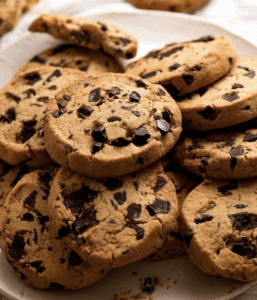

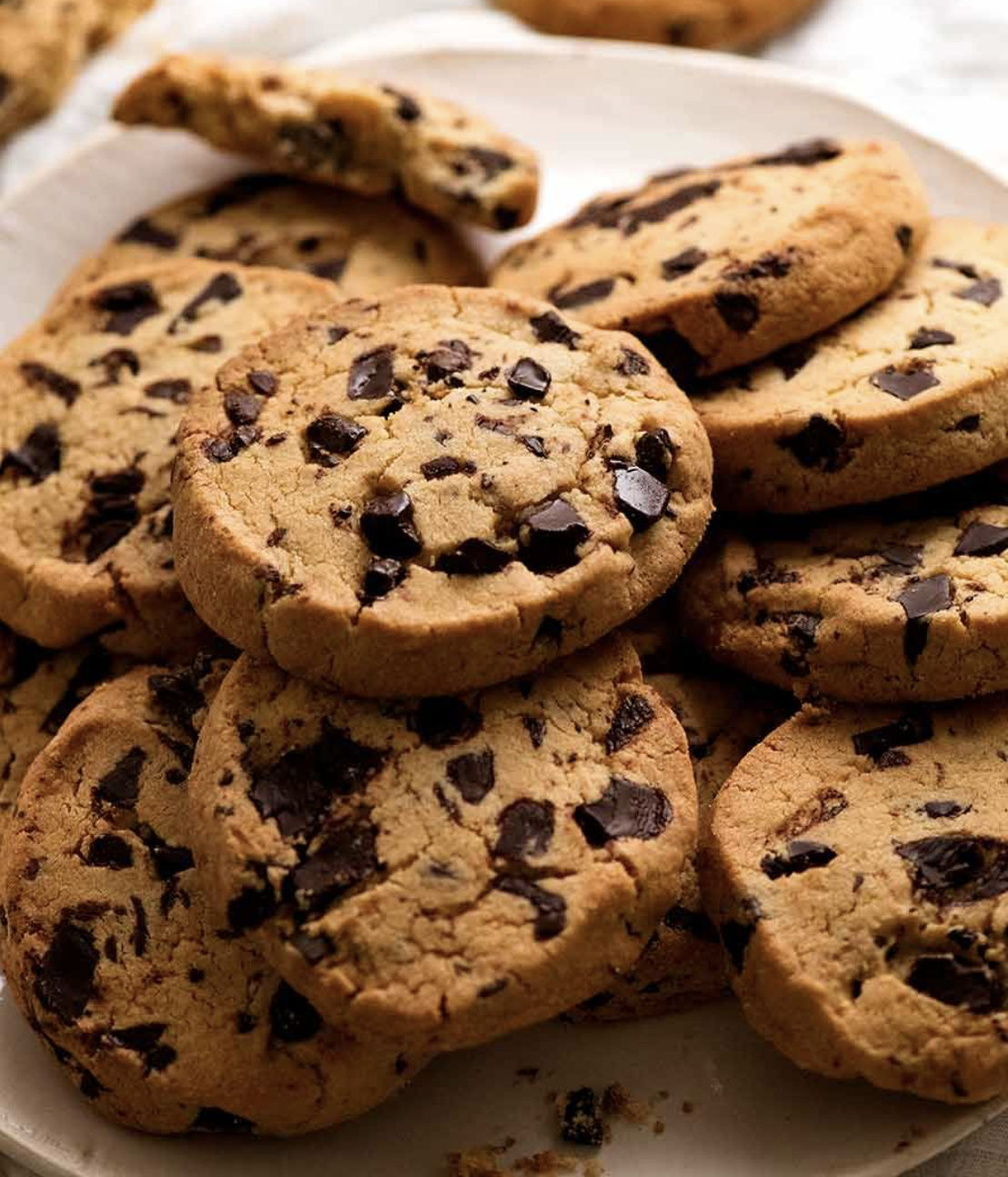
Beneath the golden, crackling surface of a perfect chocolate chip cookie lies a hidden world of chemistry and artistry-a delicate dance of ingredients and techniques that transforms simple pantry staples into a timeless treat. From the precise balance of butter and sugar to the alchemy of leavening agents and the magic of melting chocolate, each element plays a crucial role in crafting that coveted bite: crispy on the edges, chewy in the center, and bursting with pockets of molten sweetness. Join us as we unravel the sweet science behind perfect chocolate chip cookies, revealing how understanding the ingredients and mastering the method can elevate your baking from everyday good to irresistibly remarkable.
Understanding how chocolate and dough interact unlocks the secrets to achieving cookies bursting with flavor, tender crumb, and just the right chew. At the heart of every great chocolate chip cookie lies a delicate balance of ingredients and precise temperature control, which together orchestrate a symphony of textures and aromas that delight the senses.
Prep and Cook Time
planning: 15 minutes | Chilling: 1 hour (optional) | Baking: 10-12 minutes | Total: approximately 30 minutes active time
Yield
Makes about 24 classic-sized cookies
Difficulty Level
Medium – Perfect for bakers ready to elevate their cookie game with attention to chemistry and detail.
Ingredients
- 2 1/4 cups all-purpose flour,sifted for lightness
- 1/2 teaspoon baking soda,to ensure proper rise
- 1 cup unsalted butter,softened to room temperature
- 1/2 cup granulated sugar for crispness
- 1 cup light brown sugar,packed,to add chewiness and depth
- 1 teaspoon fine sea salt,balances flavor and enhances chocolate notes
- 2 large eggs,at room temperature for emulsification
- 2 teaspoons pure vanilla extract,for aromatic richness
- 2 cups high-quality semi-sweet chocolate chips,or chopped bittersweet chocolate for melty pockets
Instructions
- Preheat your oven to 350°F (175°C). Line two baking sheets with parchment paper to prevent sticking and promote even browning.
- Whisk together flour and baking soda in a medium bowl. This ensures even distribution of leavening agents, essential for a consistent texture.
- Cream the butter and sugars in a large mixing bowl with an electric mixer on medium speed untill light and fluffy, about 3-4 minutes.Proper creaming incorporates air, contributing to a tender crumb.
- Add eggs one at a time, beating well after each addition to build a smooth, cohesive dough. Stir in vanilla extract for flavor complexity.
- Gradually fold in the flour mixture with a spatula, mixing just until incorporated. Overmixing develops gluten, which can lead to tough cookies.
- gently fold in the chocolate chips,distributing them evenly for pockets of molten chocolate in every bite.
- Optional: Chill dough for at least 1 hour to solidify fats, preventing excessive spread and enhancing flavor depth.
- Scoop heaping tablespoons of dough onto the prepared sheets, spacing about 2 inches apart to allow spreading.
- Bake for 10-12 minutes until edges are golden but centers remain soft. Watch closely-the perfect balance of crisp edges and chewy interiors happens quickly!
- Cool on the baking sheet for 5 minutes before transferring to a wire rack to finish cooling, locking in moisture and structure.
Chef’s Notes: Mastering Ingredient Ratios and Temperature for Cookie Perfection
The secret lies in balancing flour, fats, and sugars. Increasing brown sugar slightly yields chewier cookies because of its molasses content, while granulated sugar encourages crisp edges.Butter temperature is crucial; softened but not melted butter creates pockets of air that expand during baking, resulting in tender texture.
Controlling oven temperature prevents overbaking. A hotter oven (375°F) can produce crisper cookies,but risks burnt edges,while lower temperatures (325°F) allow more even baking and a chewier center. Use an oven thermometer for reliable results.
Timing is an art: pulling cookies out just as the edges set but centers still look slightly underbaked ensures a luscious chew once cooled.
For customization without sacrificing quality, consider swapping up to 1/3 of the flour with whole wheat or oat flour for nuttier flavor, or use browned butter for a toasty aroma-but keep the chilling step to help maintain texture.
Serving suggestions
Serve these warm and gooey cookies with a cold glass of milk or a scoop of vanilla bean ice cream for a classic pairing. Garnish with a light sprinkle of flaky sea salt atop still-warm cookies to accentuate the chocolate’s intensity. For an elegant twist, drizzle with melted dark chocolate or a splash of espresso syrup. Store cooled cookies in an airtight container layered with parchment paper to preserve freshness and texture.
| Nutrient | Per Cookie (Approx.) |
|---|---|
| Calories | 180 kcal |
| Protein | 2 g |
| Carbohydrates | 22 g |
| Fat | 9 g |

For a deeper dive into the science of baking and precision techniques, check out our Baking Basics: Science behind Perfect Cookies and explore insights from the National Food Science Center.
Q&A
Q&A: The Sweet Science Behind Perfect Chocolate Chip Cookies
Q1: What makes a chocolate chip cookie truly “perfect”?
A1: The perfect chocolate chip cookie strikes a delicate balance between chewy and crispy textures, with pockets of melted chocolate and a buttery, caramelized flavor.It’s a harmonious marriage of ingredients and baking techniques that awakens all your senses-crisp edges giving way to a tender, almost chewy center, and chocolate that’s gloriously gooey yet still intact.
Q2: How do the types of sugar influence cookie texture and flavor?
A2: Sugar is more than just sweetness-it’s a textural architect. Granulated sugar encourages crispness by promoting structure as it crystallizes in the oven. Brown sugar, rich in molasses, attracts moisture and imparts chewiness and a deep caramel flavor. Using a blend of these sugars creates a cookie that’s crispy on the edges and delightfully soft inside.
Q3: Why is the type of fat important? Butter or shortening?
A3: Butter is the hero for flavor, delivering rich, nutty notes thanks to its milk solids caramelizing during baking.It also helps cookies spread and crisp up. Shortening, conversely, has a higher melting point, resulting in thicker, less spread cookies with a tender crumb. Many bakers prefer butter for its taste but sometimes use a combination to control texture precisely.
Q4: What role does chilling the dough play?
A4: Chilling the dough is like letting flavors gossip in the fridge-it intensifies taste and firms up fats, preventing cookies from spreading too thin in the oven. Cold dough also allows the flour to fully hydrate,enhancing chewiness and creating a cookie with more controlled shape and depth of flavor.
Q5: How does the choice of flour affect the cookie’s bite?
A5: Flour’s protein content determines gluten advancement, which in turn affects chewiness and structure. All-purpose flour strikes a balance, but using lower-protein pastry flour yields a more tender cookie, while bread flour boosts chewiness. Measuring flour accurately is crucial; too much leads to a cakey bite, too little to flat, greasy cookies.
Q6: Why are eggs vital beyond binding?
A6: Eggs not only hold ingredients together but also add moisture and richness. The yolks contribute fat and emulsifiers that add tenderness and improve texture. Whites provide structure by coagulating during baking.The number of eggs and whether whole eggs or just yolks are used can alter density, chewiness, and thickness.
Q7: What’s the secret to melty, gooey chocolate chips?
A7: Choosing high-quality chocolate with the right cocoa butter content ensures luscious melting without becoming a burnt mess. Semi-sweet or bittersweet chips balance sweetness with rich chocolate flavor. Slightly underbaking and using chunks or large chips rather than tiny morsels also helps preserve that molten quality.
Q8: how does oven temperature influence the cookie outcome?
A8: A hotter oven (around 375°F/190°C) quickly sets the cookie edges, trapping moisture inside for a chewy center. Lower temperatures bake more evenly but can produce a softer, cakier cookie. The right temperature depends on your cookie preference and the othre ingredients in play.
Q9: Can the baking tray affect cookie baking?
A9: Yes! Dark, non-stick pans absorb more heat and encourage faster browning and crisp edges, while light, shiny pans reflect heat, resulting in softer cookies. Using parchment paper or silicone mats can also influence browning and ease of removal.
Q10: Is there room for creativity in this science?
A10: Absolutely! Understanding the science lets you experiment confidently-swap sugars, tweak fats, add nuts or sea salt flakes, or try different chocolates.Every ingredient affects the chemistry of cookie baking, so the “perfect” cookie is really your personal masterpiece crafted with science and soul.
In Retrospect
As you’ve discovered, crafting the perfect chocolate chip cookie is far more than a simple kitchen ritual-it’s a delicious dance of chemistry and technique. From the precise balance of ingredients to the magic of Maillard reactions browning each edge, every step reveals the sweet science that turns humble dough into an irresistible treat. So next time you bake,remember: you’re not just mixing flour and sugar,you’re conducting a symphony of molecules,temperature,and time. Embrace the science, savor the process, and most importantly, enjoy every bite of your perfectly crafted cookie masterpiece.