
In the heart of Mexican tradition lies a cup brimming with warmth, sweetness, and stories centuries old-champurrado. More than just a comforting drink, this velvety chocolate atole weaves together indigenous ingredients and colonial influences, creating a rich tapestry of culture in every sip. From ancient rituals to festive tables, champurrado has journeyed through time, unwrapping layers of history that reveal much about identity, community, and the love of chocolate in its most soulful form. Join us as we explore the origins, evolution, and enduring legacy of this beloved beverage-champurrado unwrapped.
Champurrado, a beloved variation of the traditional Mexican chocolate atole, holds a treasured place in both culinary heritage and daily life. This warm,thick,and gently spiced beverage combines indigenous ingredients with colonial influences,creating a rich tapestry of flavors that comfort and connect. Originating from pre-Hispanic Mexico, champurrado was treasured for its nourishing qualities and ceremonious role during festivals, early mornings, and family gatherings. Its thick texture and bold chocolate flavor embody the heart and soul of Mexican warmth and tradition.
Prep and Cook Time
- Readiness: 10 minutes
- Cooking: 25 minutes
- Total: 35 minutes
Yield
Serves 4 generous cups
Difficulty Level
Medium – requires attention to the stirring and balancing of ingredients for smooth and authentic flavor.
Ingredients That Make Champurrado a Unique Chocolate Atole
This blend of ingredients delivers a distinctive richness and authentic taste. Preparing champurrado means honoring time-tested flavors with these essentials:
- 4 cups whole milk (or a mix of water and milk for a lighter version)
- 1/2 cup masa harina (corn dough flour, preferably fresh)
- 2 disks Mexican chocolate (about 90 grams each, e.g., Abuelita or Ibarra), chopped
- 1/2 cup piloncillo (unrefined whole cane sugar) or dark brown sugar
- 1 cinnamon stick (preferably Mexican canela for authentic aroma)
- 1/4 teaspoon ground anise seed (optional, for a subtle aromatic twist)
- 1 teaspoon vanilla extract (optional)
- Pinch of salt
Traditional Preparation Methods for Authentic Flavor
- Combine masa harina and 1 cup of milk in a medium bowl. whisk vigorously until smooth and lump-free; this base will ensure a creamy texture.
- In a medium saucepan, bring the remaining 3 cups of milk, piloncillo, and cinnamon stick to a gentle simmer over medium heat, stirring occasionally to dissolve the sugar entirely.
- Slowly pour the masa mixture into the warm milk while whisking continuously to prevent clumping. Reduce the heat to low.
- Add the chopped Mexican chocolate disks and stir until fully melted and integrated, creating a velvety chocolate base.
- Sprinkle in the ground anise seed and a pinch of salt to balance the flavor and deepen the aroma.
- keep stirring gently but consistently for 10-15 minutes. The champurrado will thicken and develop a luscious body-be patient for that authentic finish.
- Remove the cinnamon stick and stir in the vanilla extract if using. Taste and adjust sweetness if necessary.
- Serve hot, immediately-for the truest experience, ladle into rustic clay cups or mugs to keep the warmth and enhance rustic appeal.
Expert Tips for Perfecting Yoru Homemade Champurrado
- Consistency is key: The right balance of masa harina and liquid creates the ideal thickness. For a thinner drink, add more milk gradually; for thicker, add a heaping tablespoon more masa harina.
- choose your chocolate wisely: Authentic Mexican chocolate has a gritty texture and a cinnamon note. Avoid overly sweet or milk-based chocolates to maintain traditional depth.
- Slow simmering: Low heat prevents lumping and burning. Stir action promotes smoothness and uniform flavor.
- Make ahead: Champurrado thickens as it cools-reheat gently with a splash of milk to restore silky texture.
- Variations: For a dairy-free alternative, swap whole milk for almond or oat milk, though flavor will subtly shift.
- Serving warm: Champurrado pairs beautifully with sweet breads like conchas or churros,embracing the full Mexican breakfast or dessert tradition.
Serving Suggestions
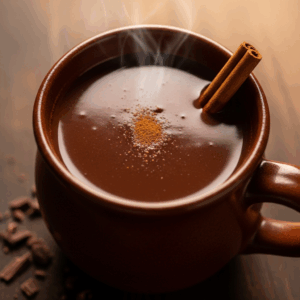
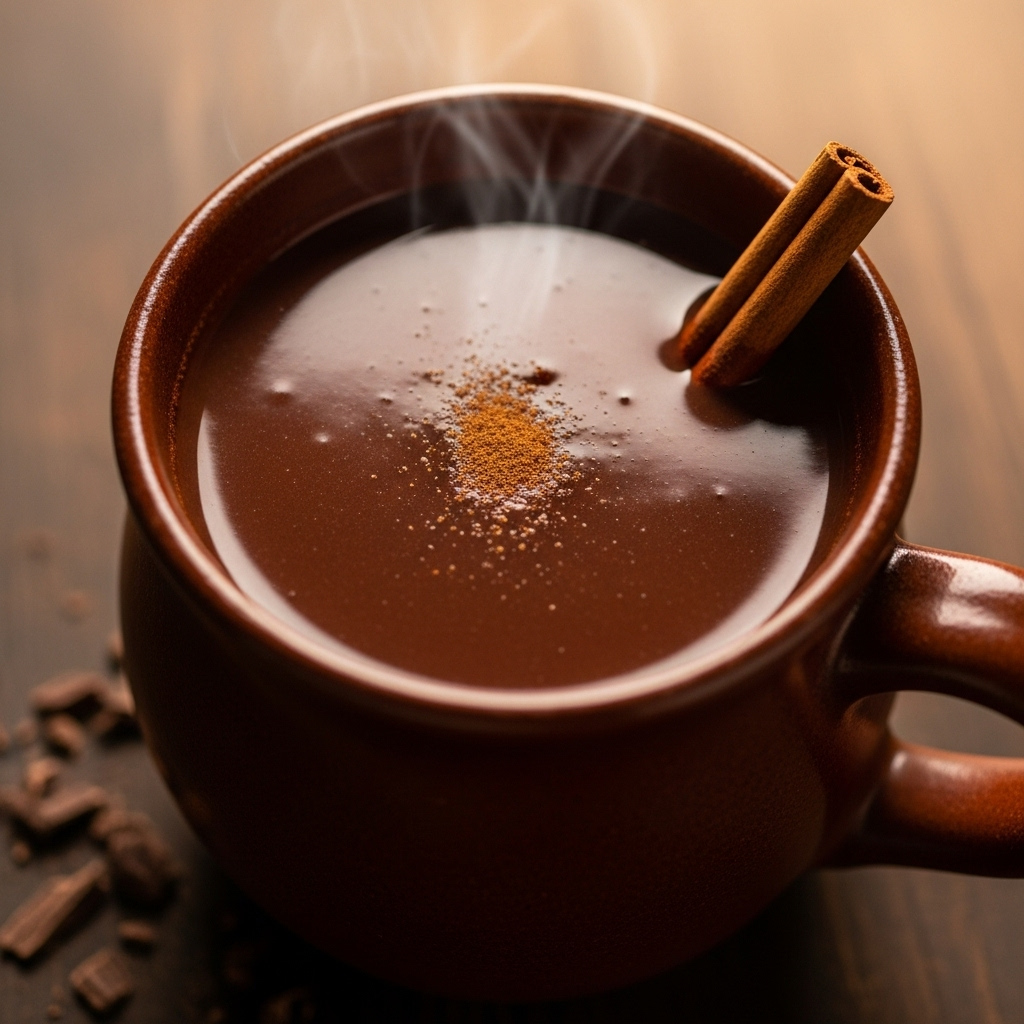
Present your champurrado steaming hot in beautifully rustic cups garnished with a small cinnamon stick or a light dusting of cocoa powder on top. Accompany it with traditional Mexican sweet breads such as conchas or freshly fried churros for a memorable treat. For added indulgence, serve alongside a scoop of vanilla ice cream or a dollop of homemade whipped cream to balance the warm spice and chocolate richness.
| Nutritional Info (per serving) | Calories | Protein | Carbs | Fat |
|---|---|---|---|---|
| Champurrado | 220 | 6g | 35g | 6g |

For more on authentic Mexican drinks and their histories, explore our detailed guide on Mexican Hot Chocolate.To deepen your understanding of the cultural roots of champurrado, visit Library of Congress: Mexican Culinary Heritage.
Q&A
Q&A: Champurrado Unwrapped – the Rich History of Chocolate Atole
Q1: What exactly is champurrado?
A: Champurrado is a traditional Mexican warm beverage made from masa (corn dough), water or milk, piloncillo (unrefined cane sugar), cinnamon, and rich, dark chocolate. It’s a thick, comforting drink, ofen enjoyed during festive occasions and chilly mornings-a velvety hug in a mug!
Q2: How did champurrado come into existence?
A: Champurrado’s roots trace back to the ancient Aztecs and Mayans, who revered cacao as a sacred gift. While the original chocolate drinks were more bitter and spiced,the fusion of native corn-based atole with imported Spanish chocolate after the conquest gave rise to the velvety champurrado we savor today. It’s a delicious blend of indigenous and colonial culinary traditions.
Q3: What’s the importance of corn in champurrado?
A: Corn isn’t just an ingredient-it’s a cultural cornerstone in Mesoamerica. The masa in champurrado connects the drink to centuries of agrarian heritage. It adds body and subtle earthiness, making the beverage more than just a chocolate drink-it’s a liquid embodiment of life and sustenance.
Q4: How does champurrado differ from regular hot chocolate?
A: While they both celebrate cacao, champurrado’s unique texture and flavor come from masa, giving it a thick, porridge-like consistency. Unlike typical hot chocolate sweetened with refined sugar and cream,champurrado’s sweetness comes from piloncillo and its earthiness from corn flour,making it a heartier,more complex drink.
Q5: When do people traditionally enjoy champurrado?
A: Champurrado is often part of seasonal celebrations. It’s a staple during Día de los Muertos (Day of the Dead) and Las Posadas-festive gatherings leading up to Christmas. beyond holidays, it’s a popular breakfast treat served with tamales, providing warmth and energy to start the day.
Q6: Can champurrado be customized or flavored differently?
A: Absolutely! While the classic recipe remains beloved, regional twists abound. Some add anise, cloves, or vanilla for extra depth. Others swap water for rich milk or add chili for a spicy kick. Each variation tells its own story, reflecting local tastes and traditions.
Q7: Why is champurrado considered a cultural symbol?
A: Champurrado is more than a drink-it’s a symbol of resilience, fusion, and community. It honors indigenous ingredients and rituals while embracing colonial influences that shaped Mexico’s identity. Sharing champurrado is sharing history, warmth, and togetherness.
Q8: How can someone make authentic champurrado at home?
A: To capture the essence of true champurrado, start with masa harina dissolved in water or milk until smooth. Melt in Mexican chocolate (like Abuelita or Ibarra), add piloncillo and cinnamon sticks, and let it simmer until thickened. Serve hot, ideally alongside tamales or pan dulce for the full experience.
Q9: What’s the modern-day appeal of champurrado?
A: In an age of instant beverages, champurrado invites slow savoring. It reconnects us with ancestral flavors and rituals, offering comfort in every sip. Its increasing global popularity shines a spotlight on Mexico’s rich culinary heritage, encouraging cultural curiosity and recognition.
Q10: Any final thoughts on why champurrado endures?
A: Champurrado endures because it nourishes both body and soul. It’s a tasty bridge between past and present, a warm reminder that some traditions, like the taste of chocolate and corn united in a cup, are timeless. Each sip is a festivity of history, culture, and the simple joy of coming together.
Closing Remarks
As the steam rises from a warm cup of champurrado, so too does the rich tapestry of history and culture that this beloved chocolate atole carries within its depths. More than just a comforting drink,champurrado is a delicious bridge connecting ancient Mesoamerican traditions with contemporary celebrations. From the cacao ceremonies of the past to the festive gatherings of today, each sip tells a story-of resilience, community, and the enduring love for chocolate in its most soulful form. So next time you cradle that mug, remember: you’re not just savoring a beverage, but sipping on centuries of heritage lovingly unwrapped with every taste.